デニムジーンズを最適な卸価格で確保, 通常は次の間で $3.50 そして $6.00 ペアあたり, 大衆市場の購入者にとっては重要だが困難な課題である. 困難は、不透明な価格構造を乗り越え、コストと品質リスクのバランスを取ることにある.
このガイドでは、トップの低価格メーカーの包括的な比較を提供します。, 広州長虹を中心に, 基本的な 5 ポケット ジーンズを大量に生産する能力を調査します。 50,000+ 年間単位. この記事では、これらのメーカーが大規模注文に対して競争力のある価格を確保しながら持続可能な価値をどのように提供しているかについて詳しく説明しています。.
低価格デニムメーカーの概要
低コストのデニム製造は主にバングラデシュなどの地域に集中しています。, 中国, そしてパキスタン, スケールメリットと効率的なサプライチェーンを提供します. これらの地域では, 基本的な 5 ポケット ジーンズは 1 着あたり 3 ~ 6 ドルの低価格で生産できます。, 特に大量注文の場合.
主な調達地域には以下が含まれます::
- バングラデシュ: 大容量で知られる, 世界的な小売業者向けのコスト効率の高い生産.
- 中国: 最小注文数量を柔軟に設定できます (MOQ) OEM/ODMサービスに優れています.
- パキスタン: 統合されたミルが特徴です, 大量注文に対して積極的な価格設定を提供する.
- インドとベトナム: 中堅向けに競争力がある- 低価格商品まで.
- 七面鳥: リードタイムが短いため、ヨーロッパのバイヤーにとって魅力的, 人件費が若干高いにもかかわらず.
広州 チャンゴン ガーメントカンパニー, Ltd
- 位置: 広州, 広東省, 中国
- 製品タイプ: 男性用, 婦人向け, キッズデニムジーンズ, デニムボトムス
- 主要市場: 輸出市場, マスマーケットブランド, Amazon/オンライン販売者, 量販店
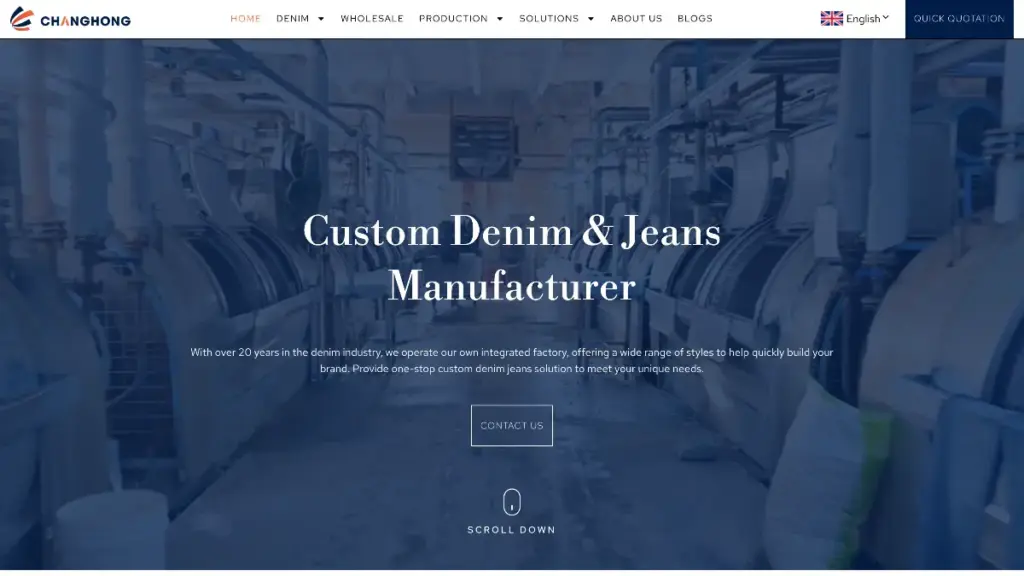
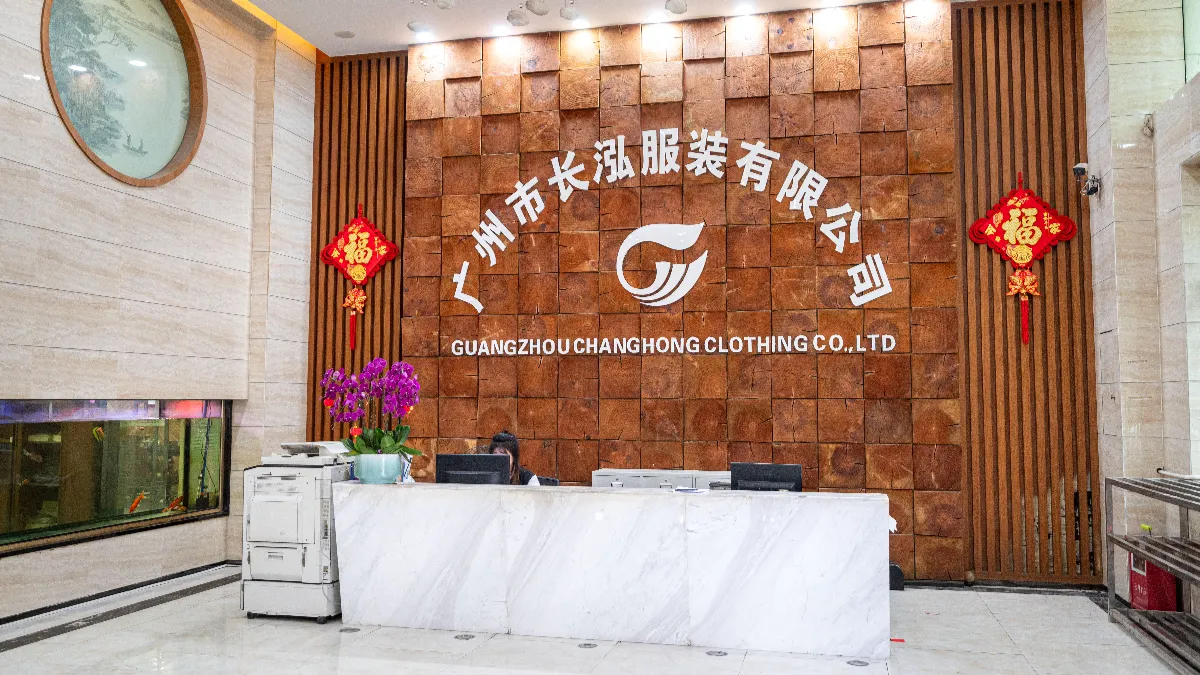
広州チャンホンガーメントCo., Ltd. 広州に拠点を置く大手メーカーです, 中国, を超える生産量の大量生産に特化しています 150,000 月あたりの衣服, 含む 200,000 ジーンズ. で知られています OEM/ODMサービス, Changhong はマスマーケットブランドの重要なパートナーです, スーパーマーケットチェーン, そしてオンライン販売者. 同社はオーガニックデニムの専門知識で際立っています, 提供物 バルクジーンズ 小売市場とプライベートブランド市場の両方に競争力のある価格で提供. 持続可能性と効率的な生産への強い取り組み, Changhong は、大量注文に対して迅速なリードタイムと信頼性の高い配送を保証します, 量販店や海外のバイヤーにとって信頼できる選択肢となる.
ハミームグループ
- 位置: バングラデシュ
- 製品タイプ: デニムジーンズ, デニムボトムス, カジュアルウェア
- 主要市場: 世界的な小売業者, ファッションブランド, マスマーケット
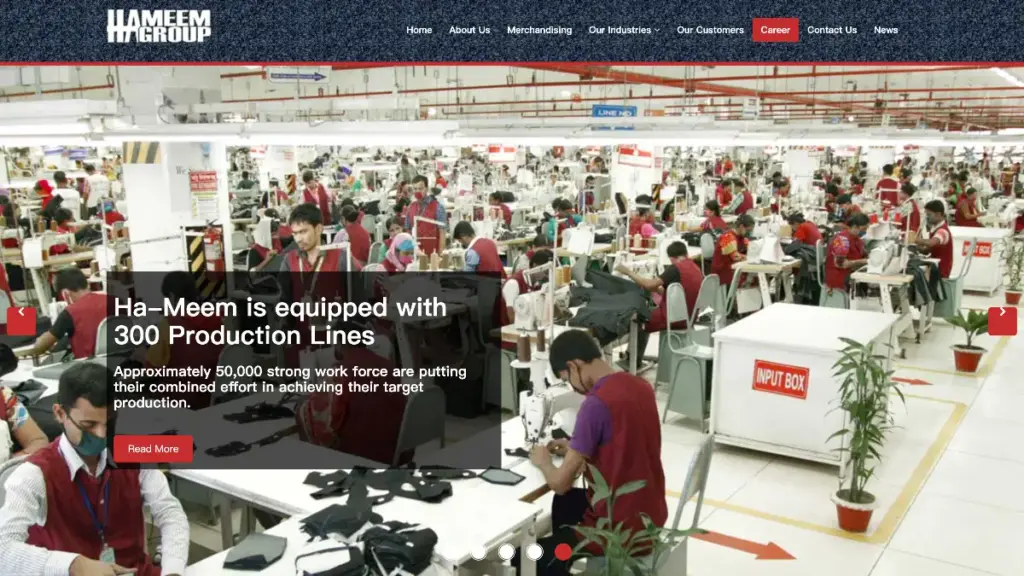
Ha-Meem Group はバングラデシュ有数の衣料品輸出業者の 1 つです, 1980年代初頭に設立された. オーバーで 40 工場とそれ以上の労働力 50,000 従業員, 同社は毎月 1,000 ~ 1,500 万本のデニムボトムスを生産する能力を持っています. 垂直統合型のオペレーションは、紡績から織り、洗浄、仕上げに至るまで、生産のあらゆる側面をカバーしています。. この統合により、Ha-Meem は競争力のある FOB 価格を提供できるようになります, 特に標準的な5ポケットジーンズの場合, 同社は国際市場と地域市場の両方で有力なサプライヤーとなっています。.
パシフィック ジーンズ
- 位置: バングラデシュ
- 製品タイプ: デニムジーンズ, カジュアルウェア
- 主要市場: 世界的な小売業者, ファッションブランド, 電子商取引
パシフィックジーンズ株式会社, に設立された 1995, バングラデシュの主要なデニムメーカーです. デニムだけに特化した, 会社は以上を生産します 30 年間100万着の衣類, 雇用する 15,000 に 20,000 複数の工場にわたる労働者. 洗浄・仕上げ設備も充実, バングラデシュの人件費の優位性と組み合わせる, 競争力のある価格でデニム ジーンズを大量に提供できるようにする, さまざまな世界的な顧客にサービスを提供, eコマースやファッションブランドを含む.
アービンド株式会社
- 位置: アーメダバード, グジャラート州, インド
- 製品タイプ: デニム生地, デニムジーンズ, ウーブンボトムス, 持続可能なデニム
- 主要市場: グローバルブランド (リーバイス, ラングラー, H&M, ユニクロ, ウォルマート, ザラ)
アービンド株式会社, に設立された 1931, は世界的なデニム生地の大手メーカーです, の年間生産量で 100 に 120 百万メートル. 同社はグジャラート州全域で複数の施設を運営しています, デニムと織物ボトムスを専門とする, ジーンズを含む. Arvind はサステナブルなデニムのオプションを提供することで知られています, BCIなど, オーガニック, リサイクル生地と, 高品質の製品を競争力のある価格で一貫して提供します. 彼らの顧客リストには、リーバイスのような世界的な小売業者が含まれています, ラングラー, そしてユニクロ, 持続可能な方法で市場での強力な存在感を反映.
1888 ミルズ
- 位置: パキスタン
- 製品タイプ: コットンタオル, テリー製品, ホームテキスタイル
- 主要市場: 大型小売店, ホスピタリティチェーン
に設立 1888, 1888 ミルズ社はパキスタンに本拠を置く老舗のホームテキスタイルメーカーです。. 主にコットンタオルやその他のテリー製品に焦点を当てていますが、, 同社はデニムの生産は行っていない. 同社の垂直統合型工場は、ウォルマートなどの大手小売業者向けに高品質のホームテキスタイルを生産することで知られています。, ターゲット, およびさまざまなホスピタリティチェーン. 1888 ミルズは、デニムアパレル市場ではなく、ホームテキスタイル産業に特化した焦点を提供しています。.
東莞タイガーファッション
- 位置: 東莞, 広東省, 中国
- 製品タイプ: デニムジーンズ, カジュアルウェア, ファッションアパレル
- 主要市場: 欧州連合, 私たち, ファッションブランド, 電子商取引
東莞タイガーファッション有限公司, Ltd, 2000年代初頭に設立された, は、デニム製品とカジュアルウェアを中心とした中国に拠点を置く衣料品メーカーです。. 彼らはEUと米国のファッション市場にサービスを提供しています, 適度な最小注文数量で作業する (MOQ). この工場の強みは柔軟性と費用対効果の高い価格設定にあります, 特にファッションデニムに, 競争力のある中~低FOB範囲で提供されます. 具体的な容量は明らかにされていないが、, 一貫した品質と競争力のある価格により、ファッション ブランドや e コマース小売業者にとって魅力的なパートナーとなっています。.
犯罪的
- 位置: 日本
- 製品タイプ: デニム糸, デニム生地
- 主要市場: ユニクロとその他のグローバル ブランドの可能性
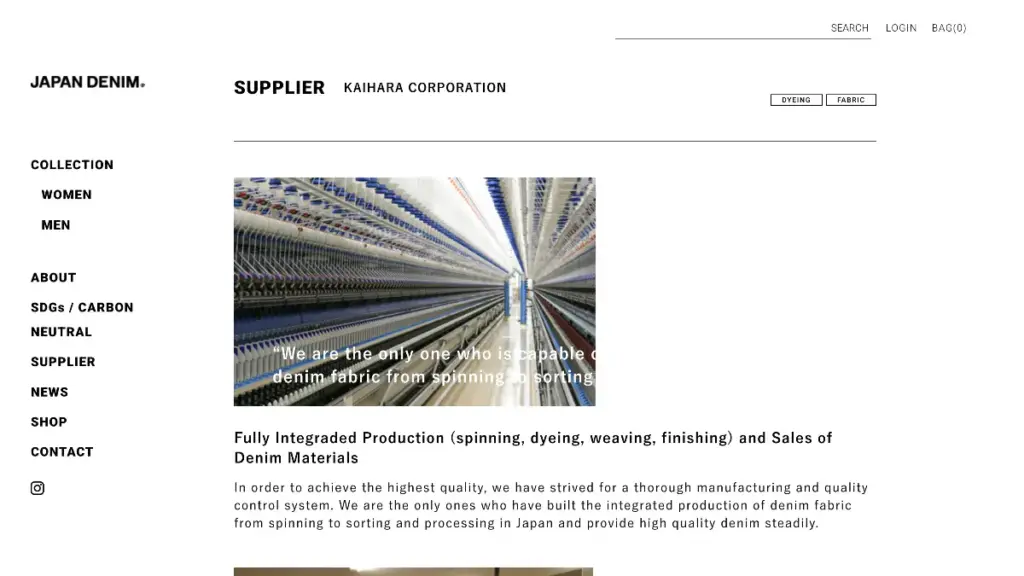
犯罪的, に設立された 1893, デニム糸と生地の生産を専門とする有名な日本のメーカーです。. ユニクロのプライマリーサプライヤーとして, カイハラは高品質のデニム生地で知られています, 世界中の小売業者に正確かつ一貫してサービスを提供する. 生地開発に対する同社の革新的なアプローチにより、ユニクロや他の潜在的なハイエンドファッションブランドにとって信頼できるパートナーとなっています。. カイハラは、デニム糸と生地の製造における深い専門知識により、顧客の厳しい要求を満たす高品質の素材を確実に提供します。.
四角
- 位置: バングラデシュ
- 製品タイプ: ジーンズ, デニムジャケット
- 主要市場: H&M およびその他の世界的な小売業者
Square はバングラデシュの著名なデニムサプライヤーです, 主に H のような世界的な大手小売業者にサービスを提供しています&M. 年間数百万個の生産能力を持つ, Squareはジーンズとデニムジャケットの専門店です. コアな 5 ポケット ジーンズの非常に競争力のある FOB 価格で知られています。, 品質を損なうことなく大きな価値を提供する. Square は、コンプライアンスと持続可能性に対する強い取り組みでも知られています。, 環境に配慮したブランドにとって信頼できる選択肢となる. 大量の注文に効率的に対応し一貫性を保つことで、同社は世界的なファッション小売業者から信頼されるサプライヤーとなっています。.
DBL
- 位置: バングラデシュ
- 製品タイプ: ジーンズ, デニムジャケット
- 主要市場: H&M およびその他の世界的な小売業者
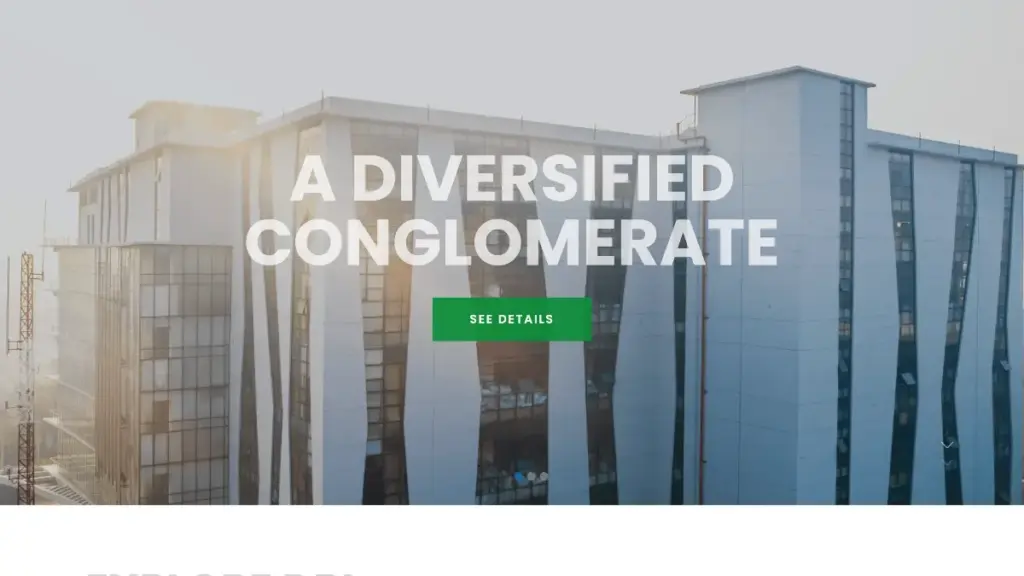
DBLグループはバングラデシュに拠点を置く大手デニムサプライヤーです, 世界的な小売業者向けのジーンズとデニム ジャケットの生産を専門とする, 特にH&M. 高い生産能力を備えた, DBL は毎年何百万ものデニムを製造しています, 5ポケットジーンズなどのコアアイテムを中心に. 同社は、強力なコンプライアンスと持続可能性の基準を維持しながら、非常に競争力のあるFOB価格を提供することで知られています。. 品質と持続可能性に対するDBLの取り組み, 大量生産における豊富な経験とともに, 信頼できるデニムの調達を求める国際的なファッション ブランドにとって重要なパートナーとなっています。.
デニムエキスパート
- 位置: バングラデシュ
- 製品タイプ: ジーンズ, デニムジャケット
- 主要市場: H&M およびその他の世界的な小売業者
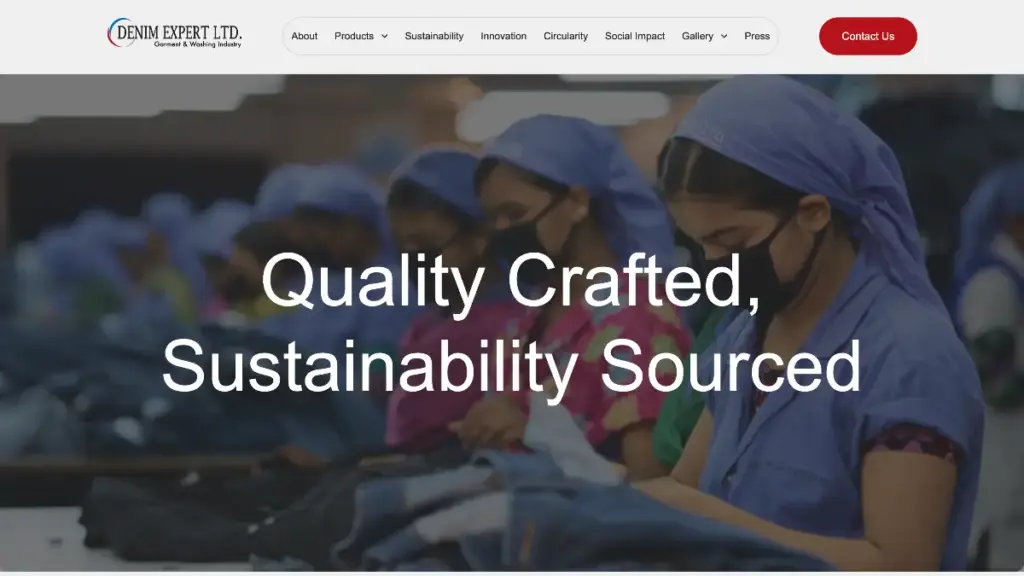
デニムエキスパートはバングラデシュの重要なデニムサプライヤーです, 大量生産と効率性で知られる. ジーンズとデニムジャケットの生産を専門としています。, 多くの場合、H のような世界的な小売業者と提携しています。&M. 同社の生産能力により、年間数百万着の衣料品の製造が可能です, 大量注文でも確実に納期を守る. デニム エキスパートは、コアの 5 ポケット ジーンズを競争力のある FOB 価格で提供しており、持続可能性と業界基準への準拠への取り組みで認められています。. その運営能力と品質重視の姿勢により、トップ国際ファッション ブランドの信頼できるパートナーとなっています。.
プレミアムカスタムデニムでブランドを高める.
卸売価格を交渉する方法
有利な卸売価格の交渉には、戦略的な計画と市場の知識が必要です. 購買力を最適化する方法は次のとおりです:
強い地位を築く
- 一貫した実績を確立する, 大量の注文により価格設定を有利に進めることができます.
- 製品仕様を簡素化して製造コストを削減.
- 市場データを活用する, MOQや原産国など, 交渉姿勢を強化する.
- 年間大量注文を約束します (例えば, 5,000–50,000ユニット) 一括料金のロックを解除するには.
効果的な交渉戦術
- 現在の年間予測 (例えば, 30,000–100,000 ユニット) ボリュームに基づいた段階的な価格設定をリクエストします.
- サプライヤーのオファーを比較して、最も競争力のある料金を見つけてください.
- フル機能の製品と基本的な製品の両方の見積もりをリクエストして、潜在的な節約額を特定します.
- さまざまなサイズの注文を統合し、より安い価格でオフピークの購入を検討します.
こういった戦術を使うことで, 品質を維持しながら可能な限り低価格を確保できます. Changhong は量とカスタマイズに柔軟性があるため、あらゆる交渉の強力なパートナーになります.
隠れたコスト “安い” 製造
デニム・ジーンズの卸価格を最安値で探すなら, 購入者は、最初の節約額をはるかに上回る隠れたコストを見落とすことがよくあります. これら “安い” 取引により経費が労働者に転嫁されることがよくある, 環境, そして製品の品質, 買い手に重大なリスクをもたらす.
外部化されたコスト
メーカーは主要分野に影響を与える方法でコストを削減:
- 労働: 割安な賃金, 過度の残業, そして非公式契約, 効率を上げるのではなく.
- 安全性: 労働者の安全への投資が不十分, 個人用保護具 (PPE), そしてトレーニング, 事故のリスクが高まる.
- 環境への影響: 排水処理施設の迂回などの環境基準違反 (ETP) 汚泥の不適切な処理.
- 規格への準拠: 多くのサプライヤーはOEKO-TEXなどの認証を避けています, ZDHC, 化学薬品と水の用途向けの GOTS, 潜在的な環境被害につながる.
- 生地の品質: プロセス管理への投資が不足すると、低グレードの生地が使用されることがよくあります, 色合いの一貫性が悪く、収益が高くなります.
- 品質管理 (品質管理): 工場レベルでの検査と品質管理の削減によりコストは削減されますが、不良率の増加や顧客からの苦情につながります.
購入者のリスク
これらのショートカットは次のことにつながります。:
- 高い欠陥率: 顧客からの苦情の増加, 返品, そしてチャージバック.
- サプライチェーンの混乱: 違反による工場閉鎖やブラックリスト登録などの脆弱性.
- 規制 & 風評リスク: 環境に関する不遵守, 社交, とガバナンス (ESG) 基準によってブランドの評判が損なわれ、罰金が発生する可能性があります.
- コストの増加: 手直し, 遅れ, 不十分な品質管理とコンプライアンス基準を満たさないことによるコストの増加.
- 価格の不安定性: 利益率の低い工場は価格再交渉の影響を受けやすい, 配達の遅れ, または短納期, 特に通貨やエネルギーの変化によりコスト変動が発生した場合.
長虹デニムのような信頼できる製造パートナーを選択することで透明性が確保されます, 持続可能な実践, そして安定した品質, に関連する隠れた責任を回避するのに役立ちます “安い” 生産.
最終的な考え
デニム製造の最低価格のみに焦点を当てると、隠れたリスクにつながる可能性があります, 品質問題やサプライチェーンの混乱など. これら “バーゲン品” 多くの場合、高額な負債に変わる. 透明性のある企業との戦略的パートナーシップ, 品質重視のメーカーは、一貫した製品品質と長期的な費用対効果を保証します.
広州長虹は、大量の製品を提供する能力で際立っています。, 競争力のある価格でサステナブルなデニムを提供, 大衆市場の購入者にとって信頼できる選択肢となる. 一貫性を確保する準備ができています, あなたのブランドのための高品質のデニム? チャンホンに連絡する 今日はカスタマイズされた製造ソリューションを探索します.
よくある質問
ジーンズを製造するのに最も安い国はどこですか?
バングラデシュは衣料品賃金が世界で最も低いため、大量市場向けのデニム製造が最も安価な国となっている, 縫製労働者の月額平均は約 95 ~ 120 ドル.
大規模なデニム生産能力により、さらなる低コスト化に貢献. ブランド各社は、バングラデシュ産のベーシックな衣料品の価格が大幅に下がったと報告している, 2ドル~3ドルくらい, 以上に比べて $7 物価の高い地域では.
ジーンズの製造原価はいくらですか?
量販店購入者向け, ベーシックなデニム ジーンズのカットアンドソーの製造は、工場出荷時に 1 足あたり約 5 ~ 7 米ドルという低価格で行うことができます。. 一般的なローエンドの卸売販売価格は、大量注文の場合、1 ペアあたり約 6 ~ 8 米ドルから始まります。.
調達ガイドによると、ジーンズの卸売価格は米ドルからの範囲であることが示されています 5.00 米ドルへ 30.00, 品質と機能に応じて. 大量の「シンプルなジーンズ」の場合, 500 個の数量で 1 ペアあたり 6.00 ~ 10.00 米ドルが予想されます, 製造コストは米ドル程度に抑えられる可能性がある 5.00 低賃金地域では.
安いデニムは常に品質が悪いですか?
安いデニムは本質的に品質が悪いわけではありません, 高価なデニムとは異なる仕様で設計されています, 予測可能なトレードオフにつながる. ある研究によると、15ポンドの女性用ジーンズは150ポンドの同等のジーンズよりも耐久性が高いことが判明しました, 価格の表示は耐久性を保証するものではありません.
しかし, 安いジーンズはステッチ密度が低いことが多い, 安い糸, 縫い目の構造が弱い, 縫い目の破損のリスクが高まる. また、洗い流す化学仕上げに大きく依存している可能性もあります。, 縮みや型崩れの原因になります, 色堅牢度が悪化する可能性があります. これにもかかわらず, いくつかの研究では、安価なジーンズは洗濯後の外観と汚れ耐性の点で優れていることが示されています. 安価なデニムは、低コストと初期の外観に最適化されています, 必ずしも長期的なパフォーマンスが一貫しているわけではない.
デニムジーンズの卸売価格を最も高くするにはどうすればよいですか?
ベーシックなデニム ジーンズの量産の現実的な最低卸売価格は、量販市場品質の場合、通常 1 足あたり約 3.50 ~ 6.00 米ドルです。. 中国とトルコの多くのサプライヤーは、スーパーマーケットでの大量注文に対して、1 足あたり 5 ~ 8 米ドルの範囲の価格を提示するのが一般的です。.
中国卸売ジーンズの価格は1足あたり5~30ドル, シンプルな大衆向けジーンズのバルク料金付き (500+ 個) 通常 6.00 ~ 10.00 米ドル. 一部のトルコのサプライヤーは、ローエンドユニットを 1 ペアあたり 3.50 ~ 7.50 ドルで販売しています。. スーパー・量販店向け, プレーンの持続可能な絶対最低価格として、1 足あたり 4 ~ 7 米ドルの FOB を目標とします。, ロースペックのデニムジーンズが大量に, そしてその範囲内で交渉する.