>

大量注文する前にデニム工場を精査する方法

大量注文する前にデニム工場を精査する方法

共有:

目次

Proper Quality Control and Vetting is the only barrier between a profitable bulk denim order and a catastrophic supply chain failure. Relying on unverified supplier claims directly exposes your brand to inconsistent shade variations, critical fabric defects, and complete margin collapse.

This analysis breaks down exact factory audit frameworks to eliminate non-compliant manufacturers early. We evaluate structural benchmarks like SMETA 4-Pillar certifications alongside rigid physical performance thresholds, including tensile strength requirements above 420 N and Grade 4-5 indigo retention, to secure reliable, defect-free production.

Key Criteria for Vetting a Denim Factory

Vetting a Denim Factory

Vetting a denim factory requires strict audits of ethical compliance, material traceability, and physical performance testing to ensure defect-free production and reliable supply chains.

Factory Certifications and Ethical Compliance

You need to know exactly who makes your garments and under what conditions. Relying on a supplier’s word creates unacceptable risk. We run multi-stage audits to inspect production lines, check equipment status, and evaluate actual worker conditions on the floor to filter out bad actors early.

  • Core Certifications: Verify SMETA 4-Pillar for ethical labor, GOTS for sustainability, およびISO 9001 for quality management.
  • Supply Chain Traceability: Track raw materials from yarn to finished garment using batch numbers and strict QC labels.
  • Legal Standards: Ensure full adherence to emerging requirements like PFAS chemical regulations and strict traceability rules required for 2026 supply chains.

Fabric Sourcing and Quality Standards

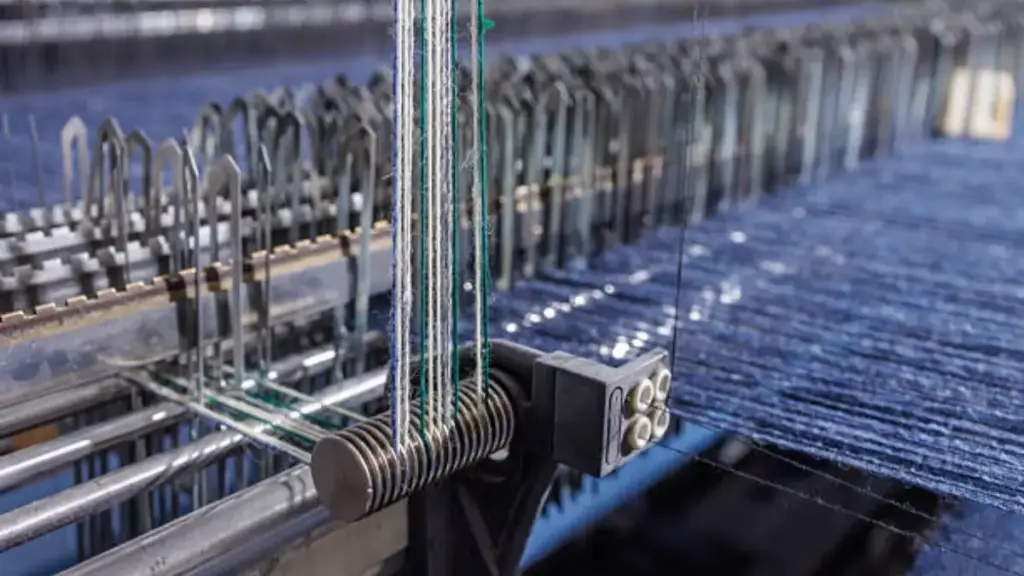
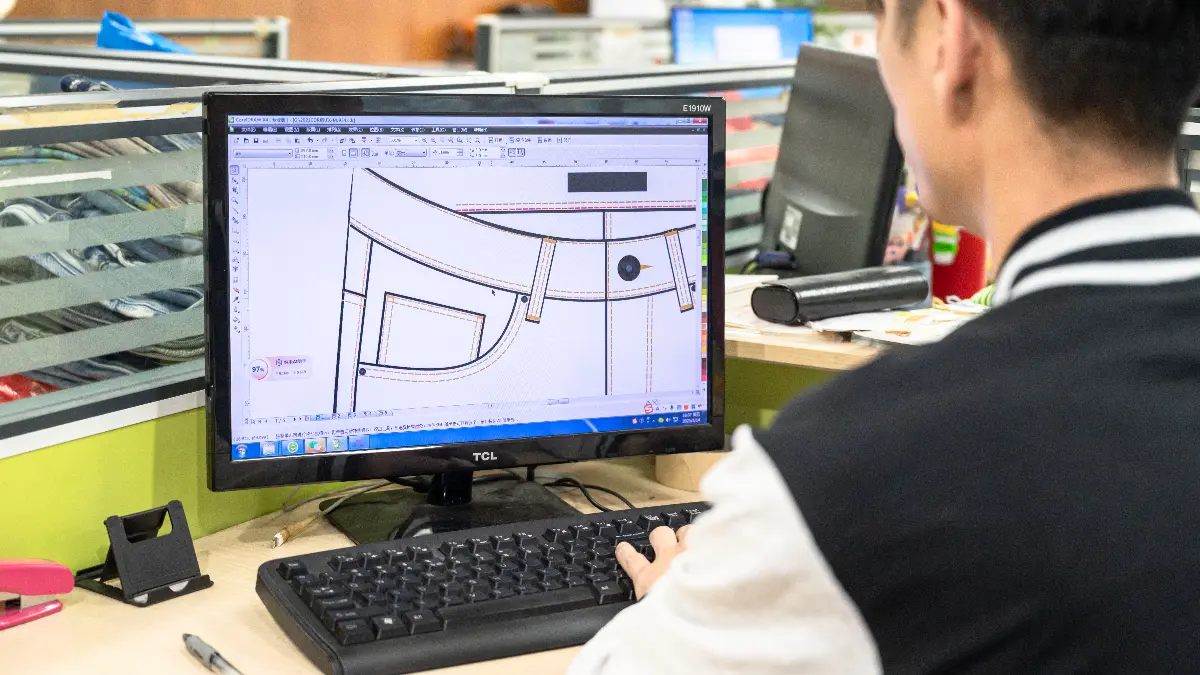
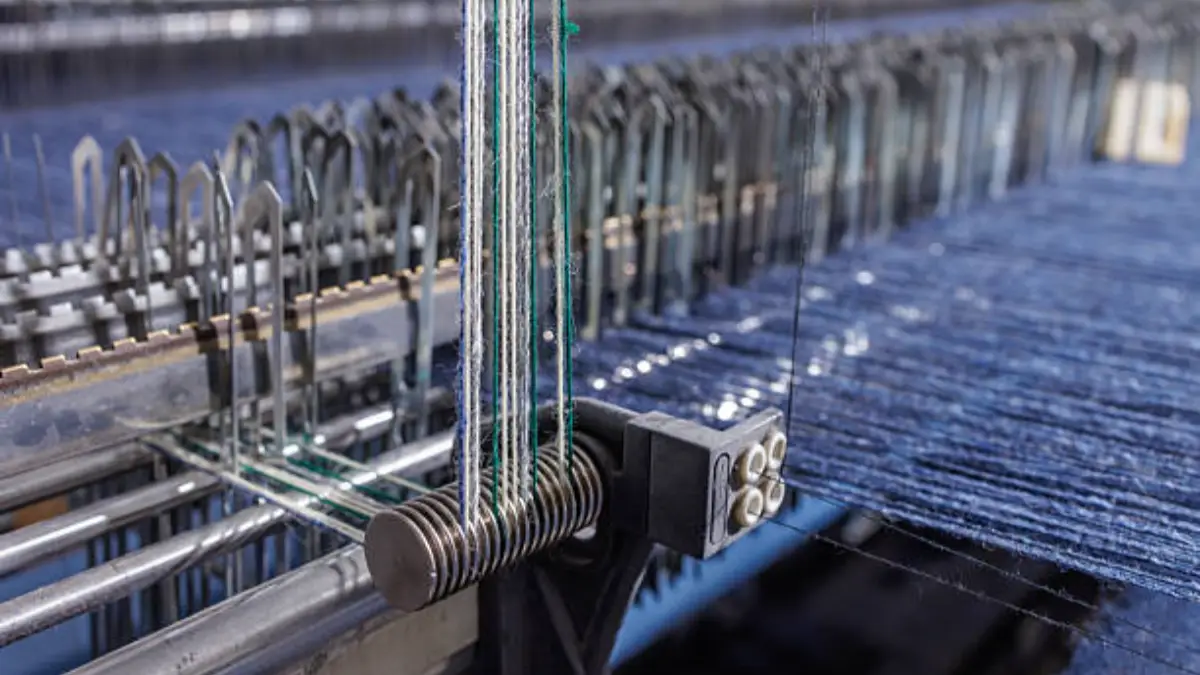
Bypassing traders and sourcing directly from mills gives you control over the raw materials. A reliable facility runs its own physical tests for shrinkage, スキュー, stretch recovery, and GSM before cutting begins. We inspect their in-house capabilities closely, focusing on active washing labs, CAD pattern-making, and shade consistency controls.

  • 繊維組成: Look for 100 percent cotton for authentic heritage fades or a 98 percent cotton and 2 percent elastane blend for stretch recovery.
  • Strength and Durability: Require a tensile strength above 420 N to withstand rigorous wear.
  • Colorfastness: Indigo retention must meet Grade 4-5 standards across multiple wash cycles.
  • Defect Control: Enforce the US four-point grading system to identify and reject substandard rolls.

How to Conduct a Factory Audit

A proper factory audit evaluates real-time production capability, equipment maintenance, and ethical labor practices directly on the manufacturing floor to eliminate supply chain risks.

Audit Category Key Focus Areas Verification Target
Production Workflow Machinery capacity, SOP adherence Manufacturing floor (Gemba)
コンプライアンス ISO 9001, BSCI, operating permits ドキュメント & legal records
Facility Condition Layout, maintenance, safety gear Physical infrastructure
Workforce & Mgmt Labor practices, staff competency Manager and operator interviews

Production Capacity and Workflow

Start by observing operations at the actual workplace, known as the Gemba. You need to compare real-time 製造業 procedures against the factory’s documented standard operating procedures to verify workflow efficiency and strict process controls.

Assess the equipment condition and request the maintenance schedules. Machinery must prove capable of handling your required production volumes without sudden breakdowns or bottlenecks.

Check the on-site quality logs and verify the calibration dates on all testing equipment. Document any process inefficiencies you spot on the floor and immediately assign workflow improvements to the production team.

Certifications and Compliance (ISO, BSCI)

Paperwork proves a factory operates legally. Verify the facility’s strict alignment with major industry frameworks, specifically ISO 9001 for quality management systems and BSCI for ethical labor standards.

Review all critical documentation directly. You must inspect their legal business registrations, active operating permits, and valid environmental compliance certificates to confirm they operate above board.

Assess the health and safety records to ensure the factory meets site security regulations and established labor practice protocols. Examine their waste management systems and process controls to validate complete adherence to legal environmental requirements.

Facility and Equipment Condition

Inspect the physical facility layout and production line configuration. A logical setup and overall workplace cleanliness directly reduce product defects and operational friction.

Evaluate the operational readiness of all machinery. Confirm that the current maintenance status actively supports ongoing production demands rather than creating future liabilities.

Assess the workplace environment by checking for proper safety equipment, protective measures, and active employee safety protocols. Review the environmental management systems to confirm infrastructure capabilities align with daily facility maintenance and energy usage standards.

Workforce and Management System

The best machinery fails under poor management. Evaluate the workforce and organizational systems using these critical metrics:

  • Labor Practices: Examine fair wage implementation, attendance records, and confirm strict protocols preventing child labor.
  • Management Structure: Review the organizational hierarchy, their commitment to compliance standards, and internal quality control monitoring mechanisms.
  • Staff Competency: Conduct structured interviews with production managers and quality personnel to identify operational challenges and test their expertise.
  • Floor Operations: Engage floor operators directly to verify their practical understanding of standard operating procedures, safety certifications, and daily quality requirements.

Scale Your Apparel Brand With Custom Denim

Maximize your profit margins with our vertically integrated manufacturing, 持続可能な生地, 柔軟な低MOQ. We deliver premium, retail-ready garments designed to elevate your collection and keep your inventory moving fast.

Get Wholesale Pricing →

CTA Image

Fabric and Material Testing Standards

Fabric and Material Testing Standards

Standardized testing secures your production line against costly batch rejections and non-compliance penalties. Rely on verified ISO and ASTM data to guarantee textile performance and chemical safety before full-scale manufacturing kicks off.

Core Performance and Durability Testing Methods

Material failures mid-production destroy margins and client trust. You need quantifiable data on how textiles behave under physical stress before you authorize bulk cutting.

  • 抗張力: Measure the fabric’s capacity to withstand pulling forces using the ASTM D5034 Grab Test to ensure structural consistency across production batches.
  • Wear Resistance: Evaluate abrasion and tear thresholds through the ISO 12947 Martindale test to engineer textiles for extended daily use.
  • Dimensional Stability: Determine post-laundering shrinkage with AATCC 135 to optimize fiber weaves, garment fits, and finishing treatments.
  • Colorfastness: Assess resilience against light exposure, 洗浄, and rubbing using standardized visual inspections to maintain a uniform product appearance.

Chemical Safety and International Compliance Requirements

Regulatory bodies do not accept ignorance as an excuse for chemical contamination. You must validate your textiles against global safety benchmarks to avoid customs seizures, protect the end-user, and safeguard your brand.

Digital Traceability: Maintain digital records of all third-party testing protocols to track compliance, streamline raw material inspections, and support final batch certification.

Carcinogen Screening: Verify skin compatibility and rule out toxic substances by checking pH levels, ホルムアルデヒド, and banned azo dyes using ISO 14184-1.

Chemical Restriction Compliance: Eliminate heavy metals, restricted amines, and toxic discharge during the washing process by ensuring strict adherence to ZDHC (有害化学物質の排出ゼロ) protocols and OEKO-TEX Standard 100.

Regulated Substance Bans: Guarantee compliance with active 2026 mandates, including strict North American PFAS elimination acts and updated European REACH regulations for hazardous chemicals.

Quality Inspection Methods in Bulk Production

Quality Inspection Methods in Bulk Production

Effective quality control relies on structured inspections at three critical stages: pre-production, mid-production, and final review, ensuring bulk orders meet exact specifications and minimizing defect risks.

Pre-Production Inspection (PPI)

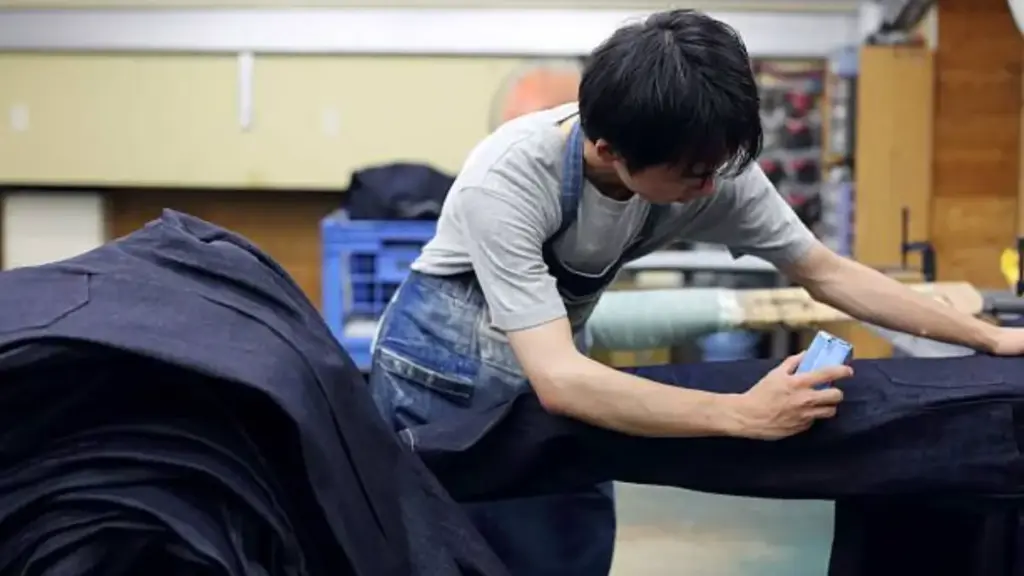
Pre-production inspection serves as the first line of defense before full-scale manufacturing kicks off. Inspectors step in early to verify raw materials, components, and initial machine setups. Catching discrepancies at this stage prevents costly rework later in the production run.

この段階では, quality teams evaluate several key parameters using Acceptable Quality Limit (AQL) サンプリング:

  • Visual Appearance: Checking for surface defects and material consistency.
  • Dimensional Measurements: Verifying sizing aligns exactly with approved tech packs.
  • Functional Tests: Ensuring initial samples perform as required.
  • Packaging Standards: Confirming labeling and packing materials meet predefined requirements.

These early checks confirm supplier materials hit the mark, significantly reducing downstream supply chain risks before bulk operations begin.

In-Line Inspection

In-line inspection happens while the machines are running. Quality teams monitor products mid-production, typically when the run reaches 20% に 80% completion. This allows them to spot and correct deviations in real-time without shutting down the entire line.

Modern facilities rely heavily on automated systems equipped with cameras, sensors, and AI. These tools scan products at full operational speed to detect specific faults:

  • Structural Defects: Identifying cracks or material weaknesses instantly.
  • Component Checks: Flagging missing hardware or incomplete assemblies.
  • Dimensional Errors: Catching sizing shifts caused by machine calibration issues.

Alongside automation, workers apply simple random, stratified, or cluster sampling techniques at defined checkpoints. This continuous oversight guarantees ongoing compliance, maintains batch traceability, and allows for the immediate quarantine of non-conforming items.

Final Random Inspection (FRI)

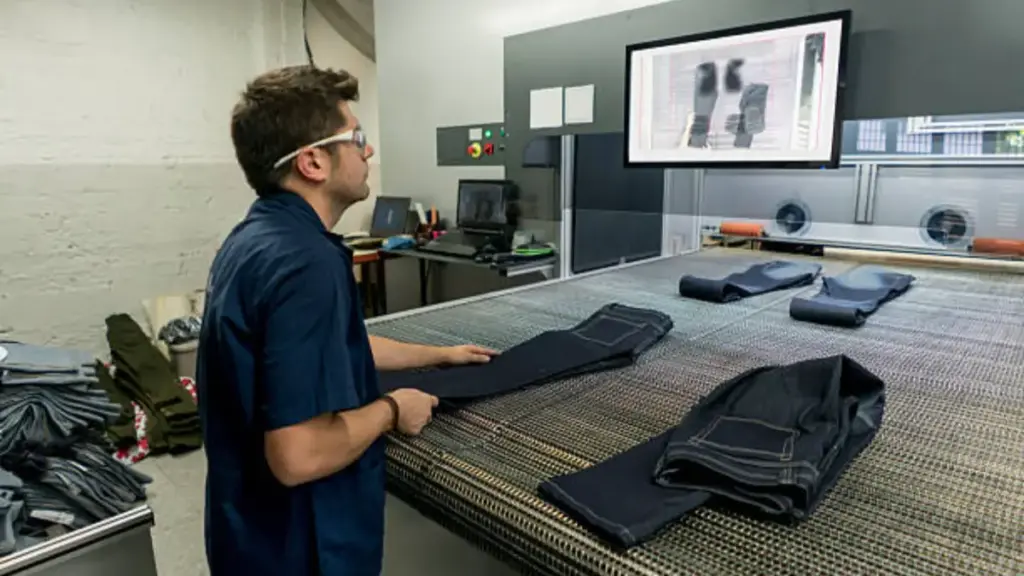
Final random inspection takes place after production wraps up and goods are packed. Inspectors sample finished products right before shipment, using AQL methodology to decide whether to accept or reject the entire lot. This step provides a definitive quality decision point for the buyer.

Quality control staff draw a specific number of samples based on the total batch size using standard AQL charts. They evaluate the pulled items using several distinct methods:

  • Visual and Dimensional Checks: Screening for aesthetic flaws and sizing inaccuracies.
  • Non-Destructive Testing: Using ultrasonic or X-ray equipment to verify internal integrity.
  • Destructive Testing: Pushing a small subset of products to failure to confirm durability limits.

Applying these statistical methods classifies items as pass or fail based on strict tolerances for critical, major, and minor defects. This approach effectively prevents defective shipments from reaching the destination without requiring the high cost and time of inspecting every single unit.

How to Ensure Consistent Quality in Large Orders

Consistent quality in bulk orders relies on strict operating procedures and active auditing. Use your initial deliveries as baseline data to refine the entire production run.

Standardize Operational Workflows

Volume magnifies manufacturing mistakes. You cannot scale production without locking down your daily operations. Stripping out guesswork and relying on rigid frameworks keeps output identical from the first unit to the ten-thousandth.

  • Step-by-step procedures: Define clear instructions for fulfilling large orders to minimize variability across different shifts and production lines.
  • 2026 QA training: Train all team members explicitly on the current 2026 quality assurance guidelines so every operator measures against the exact same baseline.
  • Automated tracking: Deploy digital tools to monitor fulfillment stages in real time, catching operational anomalies instantly.

Building these workflows correctly upfront stops minor defects from compounding into massive supply chain disruptions.

Conduct Regular Performance Audits

You cannot expect what you do not inspect. Large orders require active intervention throughout the manufacturing lifecycle, rather than just a quick visual check at the loading dock.

  • Routine lifecycle checks: Schedule multi-stage inspections early in the production phase to catch material or assembly deviations immediately.
  • Dedicated QA specialists: Assign trained professionals to evaluate output batches against your predefined tolerance levels and approved reference samples.
  • Initial delivery data: Gather defect and performance data from your first shipped batches to tighten the process for the remaining volume.

Continuous auditing turns early operational data into actionable fixes, keeping defect rates well within acceptable limits across massive runs.

最終的な考え

Relying on unverified suppliers leaves your capital completely exposed. While budget factories promise lower upfront costs, enforcing strict ISO 9001 standards and multi-stage AQL inspections is the only way to safeguard your brand against catastrophic batch rejections. Partnering with a fully vetted facility guarantees you receive retail-ready denim that protects your long-term margins.

Do not gamble your bulk order on an untested production line. We recommend starting with a physical sample run to verify our fabric tensile strength and wash consistency firsthand. Contact our team to review our compliance data and discuss your exact tech pack requirements.

よくある質問

How do you vet a Chinese clothing factory?

Verify their official business license to confirm manufacturing status rather than a middleman. Evaluate capacity, request verified certifications like BSCI/ISO 9001, and watch for red flags like refusing video walkthroughs. Always run a third-party audit before paying deposits.

What is the standard QC process for jeans?

It follows a strict multi-stage workflow: inspecting raw denim rolls via the 4-Point System, approving pre-production samples, executing mid-production in-line alignment checks, testing post-wash tear strength/shrinkage, and conducting a final random inspection using strict AQL 2.5/4.0 標準.

What does a BSCI audit cover for apparel?

A BSCI audit evaluates factories against 13 core social compliance principles, including fair wages, maximum overtime limits, and zero tolerance for child labor. Auditors inspect payroll logs, workplace ventilation, fire exits, and safety equipment to assign grades from A to E.

How do you test denim fabric quality?

Denim quality is validated using ASTM and AATCC protocols. Technicians perform the ASTM D5034 Grab Test for tensile strength, AATCC 135 for shrinkage ratios, crocking matrices for indigo colorfastness, and chemical screenings to ensure full compliance with 2026 global safety regulations.

Should I hire a third-party inspection company?

はい. Independent inspectors provide unbiased, real-time data from the factory floor, catching critical defects before cargo leaves the port. This mitigates financial risks, prevents catastrophic batch rejections, and eliminates the heavy overhead of deploying internal QA teams overseas.

What are common defects in bulk denim production?

Common defects include weaving slubs and fabric skewing at the mill stage; shade variations, back-staining, and localized chemical over-washing during laundry processing; and skipped stitches, puckered seams, or asymmetric pocket placement during the final garment sewing phase.

全会一致

ゼネラルマネージャー

私はエナスです, 広州長虹服装有限公司ゼネラルマネージャー, Ltd. オーバーで 26 デニム業界の年, ファブリック開発全体にわたる専門知識を構築してきました, デザイン, 製造業, そして国際販売. 今日, 私たちは3つの専門工場を運営しています。 19 生産ラインと 500 熟練した従業員, Fashion Novaなどの世界的なファッションブランドにサービスを提供, メイシーズ, オースティン, とヨガジーンズ. そしてチャンホン, 私たちは、トレンドの洞察と職人技を組み合わせた高品質のデニムアパレルをお届けすることに専念しています。.

次のベストセラーデニムコレクションを作りましょう, Info@changhongjeans.com までご連絡ください。.

連絡する

人気のブログ

It seems we can't find what you're looking for.

ワッツアップ

ブランド向けに調整されたカスタムデニムソリューション

比類のない品質の巧みに作られたデニムアパレル, 精度, とスタイル.