Kevlar oder Dyneema? Es ist der ultimative Showdown in Sachen schützender Denim. Für Bekleidungsmarken und -hersteller, Diese Wahl definiert die Marktpositionierung, Sicherheitsbewertung, und Produktionskosten Ihrer nächsten Kollektion. Kevlar bietet legendäre Hitzebeständigkeit für Hochleistungsanwendungen, während Dyneema eine leichte Festigkeit im Weltraumzeitalter für erstklassige urbane Linien bietet. Bereit, einen Bestseller zu entwickeln? Lassen Sie uns den Marketing-Hype hinter sich lassen und herausfinden, welche Faser für Ihre Produktlinie die richtige ist.
Was ist schützender Denimstoff??
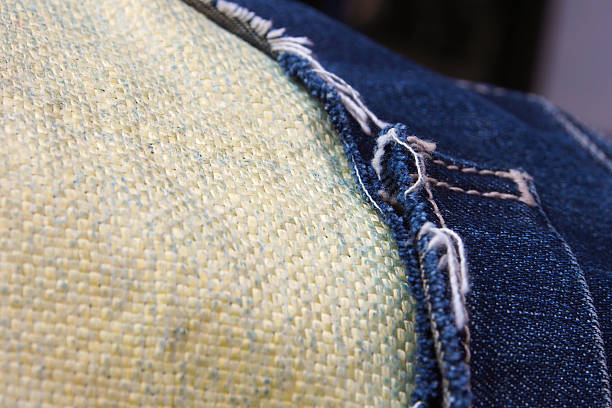
Schutz-Jeansstoff ist ein technisches Textil, das speziell für Hitze entwickelt wurde, Flamme, und Abriebschutz. Im Gegensatz zu herkömmlichem Mode-Denim, Dieses Spezialtextil verwendet fortschrittliche Fasern oder chemische Behandlungen, um strenge Sicherheitsstandards für gefährliche Umgebungen zu erfüllen. Seine Hauptanwendungen liegen in der industriellen persönlichen Schutzausrüstung (PSA) wie flammhemmende Arbeitskleidung und leistungsstarke Motorradausrüstung.
Um eine fundierte Beschaffungsentscheidung zu treffen, Sie müssen zunächst die beiden Hauptakteure auf dem Markt verstehen.
Was ist Kevlar-Denim??
Kevlar ist eine Para-Aramid-Faser, die für ihre Hitzebeständigkeit und Zugfestigkeit bekannt ist. In der Welt des Denims, Kevlar wird selten allein verwendet; Es wird typischerweise gemischt oder als Futter verwendet.
- Zusammensetzung: Der Anteil der Kevlar-Mischung variiert je nach Endverwendung. Zum Beispiel, 15–30 % Kevlar sind für Arbeitskleidung üblich, während 40–60 % für Anwendungen mit hohem Schutz geeignet sind.
- Funktion: Es bietet eine außergewöhnliche Beständigkeit gegen Hitze und Schnitte. Hersteller erreichen oft EN 17092 AA/AAA-Benchmarks durch die Verwendung zusätzlicher Aramidverstärkungen hinter der Denim-Hülle.
Was ist Dyneema-Denim??
Dyneema® (UHMWPE) gilt als die stärkste Faser der Welt. Bei Integration in Denim, es bietet ein völlig anderes Wertversprechen: leichte Stärke.
- Zusammensetzung: Dyneema-Fasern werden normalerweise direkt in die Kette oder den Schuss des Denims eingewebt, zulassen “einschichtig” Schutz.
- Funktion: Es ist bekannt für sein außergewöhnliches Festigkeits-Gewichts-Verhältnis und seine Abriebfestigkeit, Damit eignet es sich ideal für die Herstellung langlebiger und dennoch leichter Kleidung, die sich eher wie eine traditionelle Jeans anfühlt.
Kevlar vs. Dyneema-Denim: Wesentliche Leistungsunterschiede
Bei der Entwicklung eines Produkts, Sie balancieren drei Hauptfaktoren aus: Stärke, Gewicht, und Hitzebeständigkeit. Hier ist der Vergleich der beiden.
Stärke & Gewicht: Zugfestigkeitsvergleich
Dyneema® ist führend im Verhältnis von Festigkeit zu Gewicht. Es ist 15 mal stärker als Stahl bei gleichem Gewicht. Dies ermöglicht die Herstellung einlagiger Jeans, die Sicherheitstests ohne voluminöses Futter bestehen.
Kevlar ist unglaublich stark, aber schwerer. Um die gleiche Abriebfestigkeit wie Dyneema zu erreichen, Normalerweise benötigen Sie ein dickeres Gewebe oder eine separate Futterschicht (was zu einem schwereren Kleidungsstück führt, oft 16-21 oz/yd² für maximale Festigkeit).
Hitzebeständigkeit: Reibungs- und Schmelzpunkte erklärt
Dies ist der kritischste technische Unterschied.
- Kevlar: Hat einen extrem hohen Schmelzpunkt und ist von Natur aus schwer entflammbar. In einer Hochgeschwindigkeits-Motorradrutsche, Reibung erzeugt enorme Hitze. Kevlar schmilzt nicht mit der Haut des Fahrers.
- Dyneema: Während stark, UHMWPE hat im Vergleich zu Aramid einen niedrigeren Schmelzpunkt. Jedoch, Moderne Dyneema-Denimmischungen sind so konzipiert, dass sie der Reibung auf der Straße standhalten, Sie bieten jedoch nicht die gleichen feuerhemmenden Eigenschaften wie FR auf Kevlar-Basis (Schwer entflammbar) Arbeitskleidung.
Komfort & Atmungsaktivität: Welches ist besser für den täglichen Gebrauch??
Komfort ist der Hauptgrund, warum Fahrer einen Stoff dem anderen vorziehen, und dies wird stark von der Konstruktionsmethode des Stoffes bestimmt.
- Dyneema: Weil es eine hohe Festigkeit bei geringerem Volumen bietet, Dyneema-Denim fühlt sich oft kühler an und ist atmungsaktiver, Daher eignet es sich hervorragend für Fahrten im Sommer.
- Kevlar: Herkömmliche gefütterte Kevlar-Jeans können aufgrund der doppellagigen Konstruktion warm und voluminös sein. Jedoch, neuer “Komfortmischungen” verbessern dies.
Für Trinkgeld: Verständnis “Einzelschicht” Konstruktion
Dyneema-Denim wird oft als Dyneema-Denim bezeichnet “Einzelschicht.” Das bedeutet, dass die Schutzfasern gewebt sind hinein der Denim selbst, Dadurch fühlt sich die Jeans leicht und kühl an, Genau wie normaler Mode-Denim.
Traditionell, Kevlar-Jeans waren “Gefüttert” (oder Doppelschicht), Das bedeutet, dass eine separate Schicht aus gelbem Kevlar-Stoff in eine normale Jeans eingenäht wurde. Dies bietet zwar großen Schutz, es kann voluminöser und wärmer sein. Jedoch, Moderne Technologien ermöglichen mittlerweile auch einlagige Kevlar-Mischungen.
- Wählen Sie „Einzelschicht“. (Dyneema) für maximalen Komfort und Stil im Sommer.
- Wählen Sie Gefüttert (Klassisches Kevlar) für maximale Wärmedämmung und Abriebdichte bei extremen Rutschen.
Schneller Vergleich: Vorteile, Nachteile, und Spezifikationen
| Kategorie | Besonderheit | Kevlar (Aramid) Denim | Dyneema (UHMWPE) Denim |
|---|---|---|---|
| Vorteile & Nachteile | Vorteile (Das Gute) |
• Extreme Hitzebeständigkeit (wird nicht schmelzen) • Erschwinglicher & zugänglich • Über Jahrzehnte bewährte Zuverlässigkeit |
• Unglaubliches Verhältnis von Festigkeit zu Gewicht • Fühlt sich kühl an & atmungsaktiv • Ermöglicht “Einzelschicht” Komfort |
| Nachteile (Das Böse) |
• Schwerer & sperriger (erfordert oft eine Unterfütterung) • Speichert die Körperwärme (kann heiß sein) • Empfindlich gegenüber UV-Abbau |
• Niedrigerer Schmelzpunkt (hitzeempfindlich) • Deutlich teurer • Geringe Elastizität in reiner Form |
|
| Technische Daten | Faserzusammensetzung | Para-Aramidfaser | Polyethylen mit ultrahohem Molekulargewicht |
| Schmelzpunkt |
> 500°C (> 930°F) (Schmilzt nicht, zerfällt) |
~ 145°C – 152°C (~ 293°F) (Kann bei hoher Reibung glasieren/schmelzen) |
|
| Zugfestigkeit | Ca. 5x stärker als Stahl | Ca. 15x stärker als Stahl | |
| Typisches Stoffgewicht |
Schwer (14 – 24 oz) (Systemgewicht: Denim + Beschichtung) |
Hell bis mittel (12 – 15 oz) (Einlagiger Stoff) |
|
| Sicherheitsstandard | Häufig bei AAA / Ausrüstung mit AA-Bewertung | Häufig bei AA / Eine bewertete Ausrüstung |
Werten Sie Ihre Marke auf: Maßgeschneiderte Denim-Herstellung
Wie wählt man zwischen Kevlar vs. Dyneema-Denim
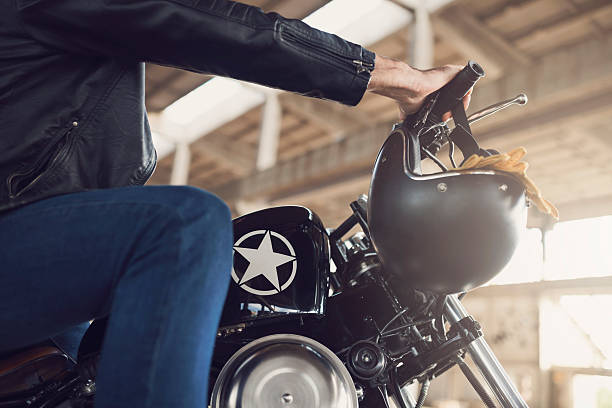
Bei Ihrer Wahl sollte es nicht nur darum gehen “was stärker ist,” Aber “Wie wird der Benutzer es tragen??” Verschiedene Aktivitäten, Sicherheitsrisiken, und Umgebungen erfordern unterschiedliche Materialeigenschaften.
Wann sollte man sich für Kevlar entscheiden??
Am besten für: Autobahntour, Bahnrennen, und gefährliche Industrieumgebungen.
- Für Motorradsicherheit (Abrieb & Hitze): In Hochgeschwindigkeitsszenarien, Eine Rutsche auf Asphalt erzeugt enorme Hitze. Die thermische Stabilität von Kevlar (>500°C) ist hier nicht verhandelbar – es schmilzt beim Rutschen nicht mit der Haut.
- Für industrielle Arbeitskleidung (FR & Schneiden): Kevlar (Aramid) ist der Goldstandard für strapazierfähige Arbeitskleidung. Wenn Ihre Endbenutzer Schweißer sind, Elektriker, oder Arbeiter auf Bohrinseln, die der Gefahr von Blitzbränden ausgesetzt sind, Lichtbogenblitze (NFPA 70E), oder scharfe Schnitte, Kevlar-Denimmischungen bieten den erforderlichen Schutz, den herkömmliche Baumwolle oder Polyester nicht bieten können.
Wann sollte man sich für Dyneema entscheiden??
Am besten für: Stadtfahrer, Skater, und aktive Kleidung, die leichte Haltbarkeit erfordert.
- Die Logik: Benutzer, die Wert auf Mobilität und Komfort legen, lehnen schwere Lasten häufig ab, gefüttertes Zahnrad. Das hohe Verhältnis von Festigkeit zu Gewicht von Dyneema ermöglicht eine einschichtige Konstruktion.
- Die Anwendung: Es entsteht eine Jeans, die aussieht, verblasst, und atmet wie eine Vintage-Levis 501 bietet aber eine Abriebfestigkeit in Industriequalität. Dies ist der Goldstandard für “Lebensstil” Schutzausrüstung, wo der Benutzer sich frei bewegen muss, ohne belastet zu werden.
So überprüfen Sie die Qualität und Sicherheitsbewertung von Denim-Stoffen
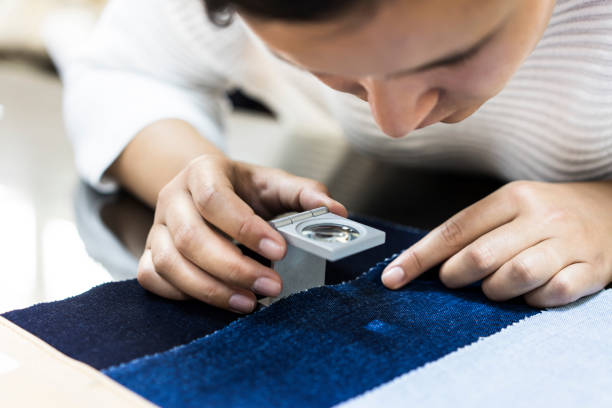
Zur Überprüfung Denim-Stoff Qualität für Sicherheitsbewertungen in 2026, Sie müssen die Einhaltung internationaler Standards überprüfen.
Wichtige Sicherheitsstandards
- IN 17092 (Motorrad): Dieser Standard klassifiziert Denim-Reitjeans in AAA (Hohe Geschwindigkeit/Hochleistung), AA (Touring/mittlere Beanspruchung), A (Stadt-/Leichtbetrieb), B, oder C-Klassen. Ein Denimstoff, der als klassifiziert ist “AA” bietet einen deutlich höheren Abriebschutz als ein “A” erstklassiger Stoff und ist das häufigste Ziel für hochwertige Denim-Ausrüstung.
- Standards für Arbeitskleidung: Suchen Sie nach NFPA 2112 (Blitzfeuer) oder EN ISO 11612 zum Wärmeschutz.
Wesentliche Stoffleistungstests
Hersteller mögen Changhong Führen Sie strenge Labortests durch, um die Einhaltung sicherzustellen:
- Schlagabrieb: Verwendung von Maschinen wie der Darmstadt zur Beurteilung der Zeit bis zur Lochbildung (entscheidend für EN 17092).
- Reißfestigkeit: Bewertet nach ASTM D751 (Zungenriss) oder ASTM D5733.
- Chemische Sicherheit: Bestätigt durch OEKO-TEX STANDARD 100, Dabei wird sichergestellt, dass der Denim frei von Schadstoffen ist.
Wo man hochwertigen Schutzdenim findet
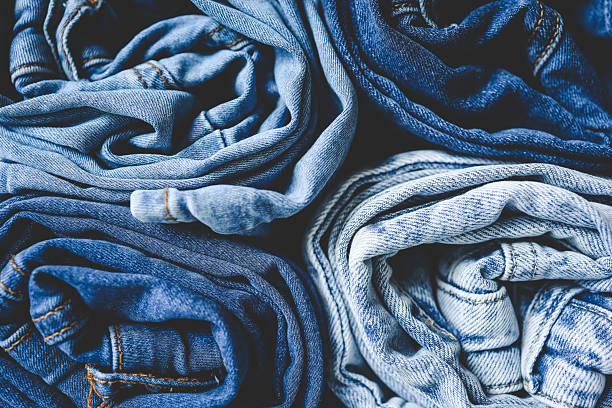
Die Beschaffung des richtigen Stoffes ist ebenso wichtig wie die Wahl der richtigen Faser.
Beschaffung von Kevlar-Denim
Hersteller, die Kevlar-Denim beziehen, sollten sich für die Meterware an Textilverarbeiter oder an B2B-Plattformen wie Alibaba für Direktrollen wenden.
- Wichtige Spezifikationen: Konzentrieren Sie sich auf bestimmte Mischungsprozentsätze (Z.B., 15-60% Kevlar) und Stoffgewichte (12-16.5 oz).
- Wo suchen?: Plattformen wie Alibaba beherbergen zahlreiche Anbieter, die Twaron- und Kevlar-Mischungen anbieten. Konkrete Beispiele sind „Sporting Kevlar Selvage Denim“ von Big Z Fabric’ (16.5 oz).
Beschaffung von Dyneema-Denim
Die Beschaffung von echtem Dyneema®-Denim erfordert in der Regel die Zusammenarbeit mit spezialisierten, zugelassenen Partnern, da ein direkter Verbraucherkauf selten ist.
- Partner: Suchen Sie nach spezialisierten Industriebetrieben wie IBQ, Lenzi Egisto, Naveena Denim, oder Toyoshima.
- Anpassung: Fabriken wie Changhong bieten maßgeschneiderte Produktion an (OEM/ODM), So können Sie Dyneema-Fasern in individuelle Gewebe integrieren, Wäsche, und Stile mit niedrigen Mindestbestellmengen.
Warum sollten Sie sich für spezialisierte Fabriken für Performance-Denim entscheiden??
Die Herstellung von Denim, der hohen funktionalen Ansprüchen genügt, erfordert mehr als nur gutes Design; Es erfordert, die Herstellung von Stoffen als technisches System zu behandeln.
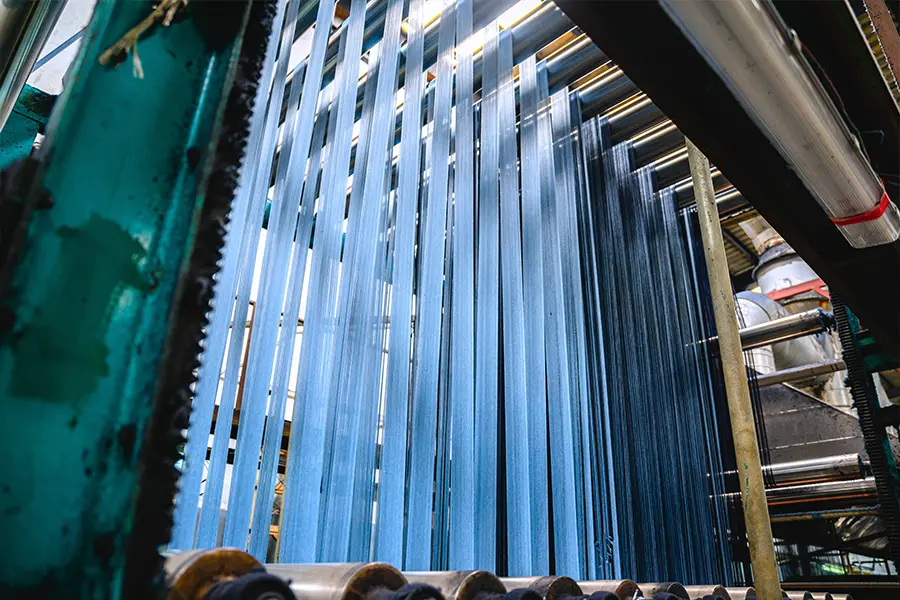
- Präzisionstechnik: Spezialisierte Fabriken wenden in jeder Phase – von der Kettschlichtung an – numerische Anschnitte an (Verbesserung der Abriebfestigkeit) zur Strahlfeuchtigkeitsregulierung (stabilisierende Zugeigenschaften).
- Erweiterte Prozesse: Sie verwenden spezielle Techniken wie kontrollierte Sengung und kerngesponnene Baumwoll-Spandex-Garne, um sicherzustellen, dass das Endprodukt den Anforderungen entspricht “Echte Welt” Leistungsanforderungen.
Erwecken Sie Ihre Vision mit dem richtigen Partner zum Leben
Es ist von entscheidender Bedeutung, die technischen Unterschiede zwischen Kevlar und Dyneema zu verstehen, aber es ist nur die halbe Miete. Die eigentliche Herausforderung für jede Marke besteht darin, sich diese erstklassigen Materialien zu sichern und einen Hersteller zu finden, der kompetent genug ist, damit umzugehen.
Sie müssen diese Lieferkette nicht alleine steuern.
Mit Over 20 jahrelanges Fachwissen, Changhong ist mehr als nur eine Fabrik – wir sind Ihr strategischer Partner für die Herstellung hochwertiger, maßgeschneiderter Denims. Wir bieten umfassende Lösungen aus einer Hand, Das heißt, wir kümmern uns um alles, angefangen bei der Beschaffung der genau passenden Hochleistungsstoffe (ob Kevlar, Dyneema, oder spezielle Mischungen) bis zum Präzisionsschneiden, Nähen, und nachhaltige Veredelung.
Egal, ob Sie ein aufstrebendes Label oder eine etablierte Marke sind, Unsere fortschrittlichen Einrichtungen und unser Engagement für Nachhaltigkeit stellen sicher, dass Ihre Schutzausrüstung den höchsten globalen Standards entspricht. Lassen Sie sich bei der Materialbeschaffung nicht ausbremsen. Lassen Sie uns Ihre technischen Konzepte in eine marktreife Realität umsetzen.
Häufig gestellte Fragen
Was teurer ist: Kevlar- oder Dyneema-Denim?
Dyneema erzielt aufgrund seiner fortschrittlichen Single-Layer-Technologie definitiv einen Premiumpreis. Kevlar ist etablierter und erschwinglicher, macht es schlau, kostengünstige Wahl für Schutzproduktlinien mittlerer Preisklasse.
Wie funktioniert Cordura-Denim im Vergleich zu Kevlar und Dyneema?
Stellen Sie sich Cordura als das vor “Einstiegsniveau” Champion. Es ist erschwinglich und langlebig, aber es fehlt die extreme Zugfestigkeit von Kevlar oder Dyneema. Es eignet sich perfekt für preisgünstige Stadtausrüstung.
Können diese Stoffe wie normale Jeans gewaschen werden??
Ja, aber behandle sie sanft! Verwenden Sie einen Kaltwaschgang und trocknen Sie es immer an der Luft. Vermeiden Sie Trockner mit hoher Hitze, vor allem mit Dyneema, um diese Hochleistungsfasern vor dem Verfall zu schützen.
Wie lang ist die Lebensdauer von schützendem Denim??
Die schützenden Fasern können jahrelang halten, wenn sie nicht beschädigt werden. Jedoch, Halten Sie Kevlar bei der Lagerung von direkter Sonneneinstrahlung fern, da UV-Strahlen die Aramidfasern mit der Zeit abbauen können.
Ist “Einzelschicht” Denim besser als gefütterter Denim?
Es kommt auf das Ziel an! Einzelschicht (Dyneema) überzeugt durch sommerlichen Komfort und Stil. Gefüttert (Kevlar) überzeugt durch maximale Wärmedämmung bei einer Hochgeschwindigkeitsrutsche. Wählen Sie basierend auf Ihrem Klima.