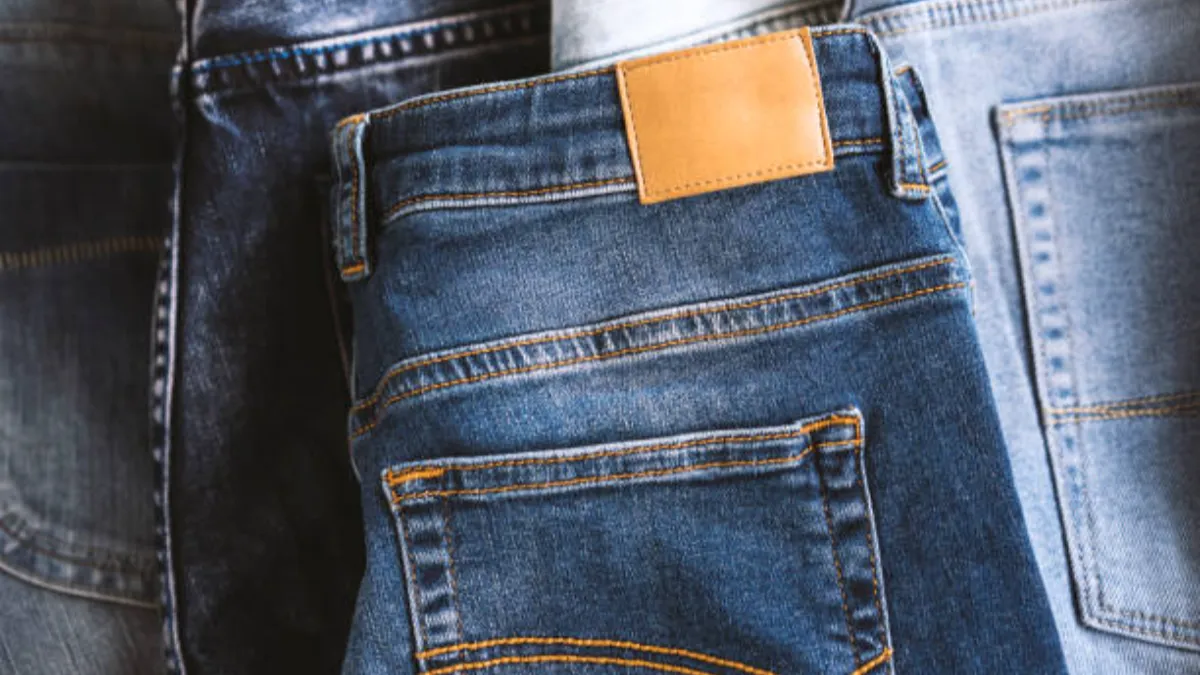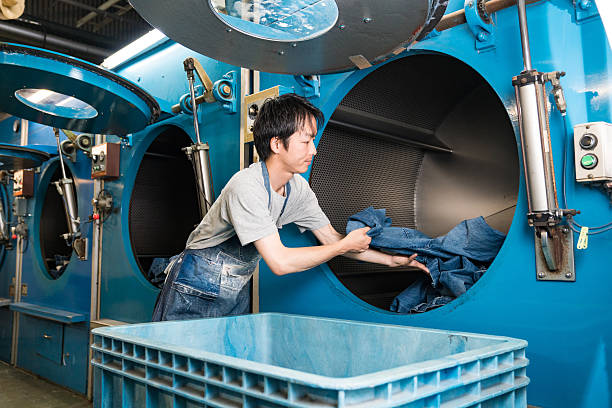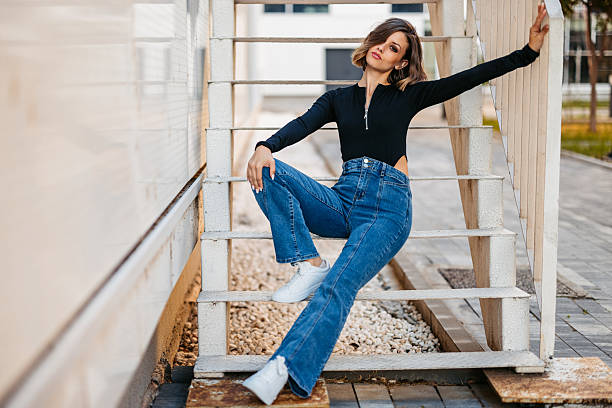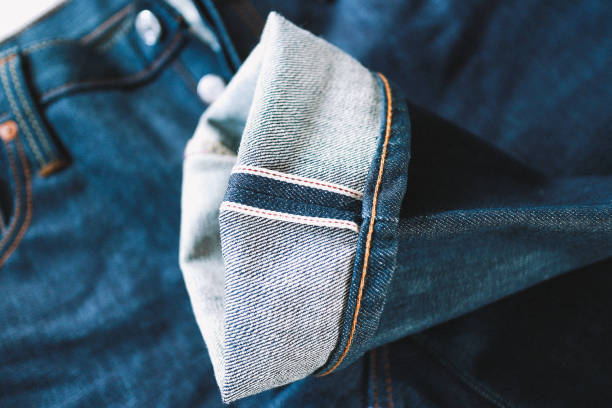
Стирка и отделка джинсов имеют решающее значение для определения внешнего вида., чувствовать, и производительность джинсов. Бренды, дизайнеры, и все покупатели полагаются на понимание различий между мокрым процессом обработки джинсовой ткани и процессом сухой обработки джинсовой ткани, чтобы обеспечить единообразие, высококачественная продукция.
Это подробное руководство по стирке джинсов охватывает типы, принципы, визуальные эффекты, и аспекты устойчивости как влажных, так и сухих процессов. Руководство также предоставляет полезную информацию о выборе надежных производителей джинсовой ткани., обеспечение того, чтобы ваша коллекция соответствовала ожиданиям рынка.
Что такое мокрая и сухая обработка джинсовой ткани
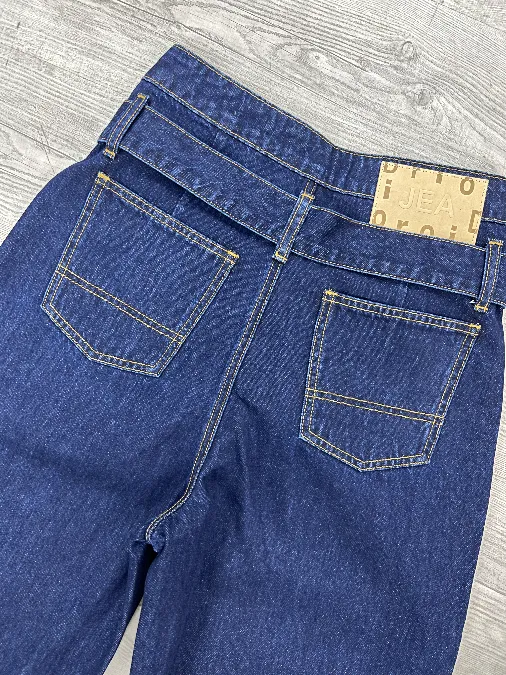
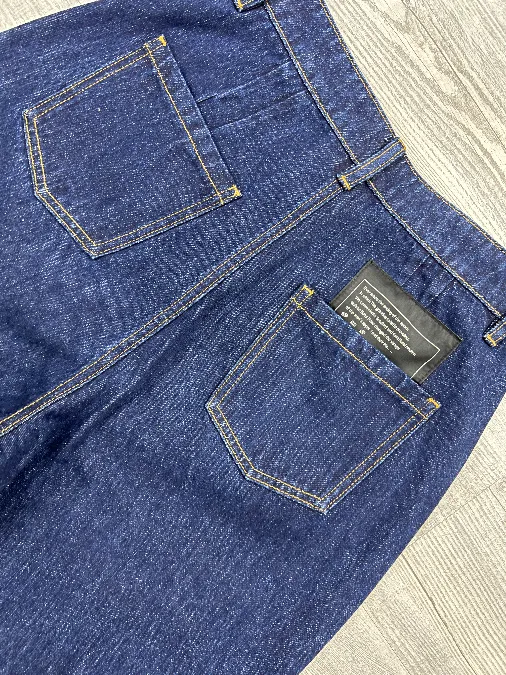
Отделку джинсовой ткани можно условно разделить на два основных этапа.: влажная обработка и сухая обработка. Оба играют различную роль в достижении желаемого качества одежды..
Джинсовый мокрый процесс
Влажный процесс джинсовой ткани предполагает использование воды., химикаты, ферменты, или механическое воздействие для манипулирования структурой ткани, цвет, и ощущение руки. Обычно ее выполняют после шитья одежды и имеют важное значение для:
- Выцветание цвета и регулировка оттенка
- Мягкость ткани
- Стабильность размеров и контроль усадки
- Подготовка одежды к последующей отделке.
Джинсовый сухой процесс
Процесс сушки джинсовой ткани фокусируется на визуальных и поверхностных эффектах, возникающих после влажной стирки.. Методы включают в себя истирание., сминание, лазерная отделка, и нанесение смолы. Сухая обработка не меняет основную структуру ткани, но повышает эстетическую привлекательность изделия за счет создания узоров., усы, или потрепанные текстуры.
Сравнительная таблица: Мокрый и сухой процесс
| Особенность | Джинсовый мокрый процесс | Джинсовый сухой процесс |
|---|---|---|
| Цель | Отрегулируйте структуру ткани, цвет, и мягкость | Создавайте визуальные эффекты и текстурные узоры. |
| Метод | Вода, химикаты, ферменты, механическое действие | Ручное/ручное истирание, лазер, смола, механические инструменты |
| Этап | После шитья, предварительная отделка | После влажной стирки и сушки |
| Визуальное воздействие | Равномерное выцветание цвета, смягченная рука | Складки, усы, потрепанные края, рельефные текстуры |
| Воздействие на ткань | Изменяет свойства волокна, потенциальная потеря прочности | Минимальное влияние на прочность ткани |
| Общие методы | Каменная мойка, ферментная стирка, отбеливатель, смывать & чистый | Бакенбарды, шлифование, Ручная царапина, лазерный дистресс, смоляная морщинка |
Обзор типов мокрых процессов обработки джинсовой ткани
| Процесс | Принцип | Визуальный эффект | Ключевые соображения |
|---|---|---|---|
| Каменная мытья | Акробатика с пемзой | Мягкий винтажный вид с выцветшими бликами | Может ослабить ткань, изменчивость партии, более высокий расход воды |
| Ферментный стирк | Использование ферментов целлюлазы | Гладкий, контролируемое затухание | Экологичнее камней., нужен точный контроль |
| Кислотная промывка | Камни с окисляющими химикатами | Драматический контраст, высокий-низкий цвет | Риск повреждения ткани, требуется химическая обработка |
| Свет / Середина / Темная стирка | Продолжительность и химическая прочность | Общий оттенок от светлого до темного | Балансирует цвет и мягкость., требует контроля качества |
| Отбеливающая мыть | Химический окислитель | Очень бледный, изношенный вид | Высокий риск ослабления и пожелтения волокон. |
| Смывать & Чистый | Простое полоскание водой | Почти сырой, минимальное выцветание | Сохраняет прочность ткани, минимальное визуальное изменение |
| Перекраска / оттенок | Нанесение красителя после стирки | Уникальные индивидуальные оттенки | Добавляет гибкости, но увеличивает сложность процесса |
Основные типы мокрых процессов обработки джинсовой ткани
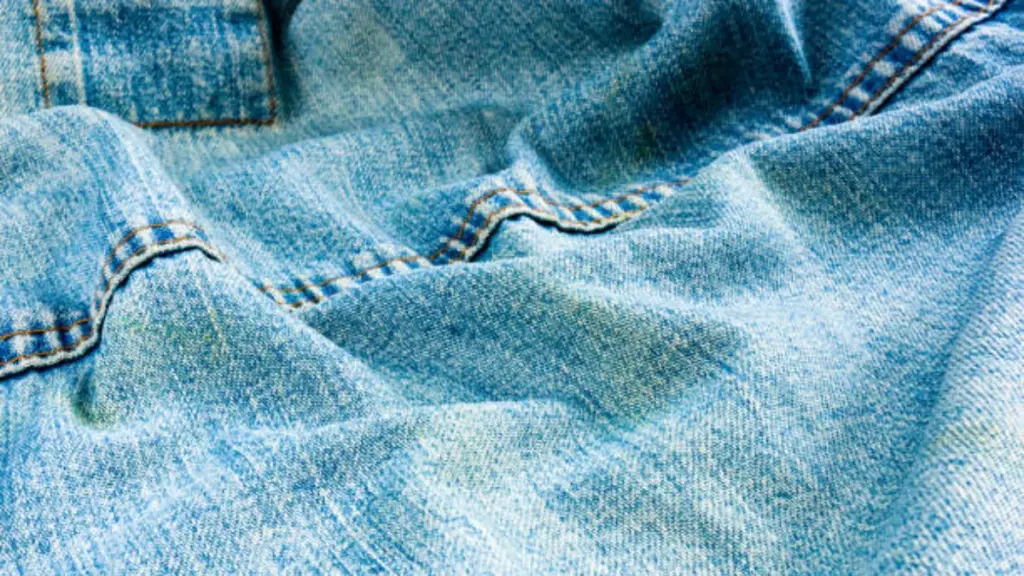
Каменная мытья
Стирка камнями — это традиционная мокрая обработка джинсовой ткани, при которой одежду обрабатывают пемзой.. Трение истирает поверхностные волокна, окрашенные индиго., производство изношенного, винтажный вид. Этот процесс смягчает джинсовую ткань и уменьшает жесткость., ощущение комфорта в руке. Интенсивность стирки можно контролировать размером и количеством камней., время падения, и механическая скорость вращения, позволяя варьировать от легкого выцветания до тяжелых винтажных эффектов.
| Плюсы | Минусы |
|---|---|
| Создает естественный, мягкое затухание | Может ослабить волокна ткани |
| Повышает комфорт одежды | Возможны вариации от партии к партии |
Ферментный стирк
В ферментной стирке используются ферменты целлюлазы, которые избирательно расщепляют хлопковые волокна на поверхности джинсовой ткани.. Эта контролируемая биохимическая реакция удаляет цвет индиго и создает плавные узоры выцветания, сохраняя при этом прочность ткани.. Этот процесс более последователен, чем промывка камней, и его можно точно контролировать за счет концентрации ферментов., температура, и продолжительность. Его часто отдают предпочтение джинсовой ткани премиум-класса, чтобы добиться воспроизводимого выцветания без значительного механического истирания..
| Плюсы | Минусы |
|---|---|
| Гладкий, равномерное выцветание | Требуется точный контроль активности ферментов. |
| Меньше повреждения волокон, чем при стирке камнями. | Немного выше стоимость обработки |
Кислотная промывка
Кислотная промывка сочетает в себе пемзу и окислители для удаления индиго и создания высококонтрастного выцветания.. Химическая реакция между окислителем и индиго создает неравномерные светлые и темные области., придавая джинсам драматичный вид, ретро-стиль. Параметры процесса, такие как концентрация химикатов, время контакта, и движение камней тщательно контролируются для достижения стабильных визуальных эффектов и минимизации повреждения ткани..
| Плюсы | Минусы |
|---|---|
| Выраженный высококонтрастный эффект | Риск ослабления ткани |
| Ориентированный на тренды, визуально поразительный | Требует осторожного обращения с химическими веществами. |
Свет / Середина / Темная стирка
Эти смывки регулируют глубину выцветания, контролируя химическую силу., продолжительность стирки, и агитация. Легкие стирки производить мягкие, выцветший деним, средняя стирка балансирует цвет и ощущение руки, и темные оттенки сохраняют более глубокий индиго с минимальным выцветанием. Этот процесс позволяет брендам предлагать разнообразные стили: от винтажного светлого до темного денима премиум-класса., сохраняя при этом стабильное качество одежды благодаря тщательному контролю качества..
| Плюсы | Минусы |
|---|---|
| Универсальная гамма оттенков | Требуется точный контроль качества для обеспечения единообразия. |
| Балансирует цвет и мягкость. | Более длительное время обработки для обеспечения однородности |
Отбеливающая мыть
В отбеливателе используются химические окислители, которые удаляют заметный цвет с джинсовой ткани., создание очень светлых тонов и состаренной эстетики. Концентрация, контакт, и полоскание тщательно контролируются, чтобы предотвратить чрезмерное повреждение. Идеально подходит для модников, модели из светлого денима, но их необходимо контролировать, чтобы сохранить целостность ткани..
| Плюсы | Минусы |
|---|---|
| Создает драматический, бледный деним | Высокий риск ослабления волокон |
| Популярен для модных дизайнов | Может вызвать пожелтение, если не контролировать |
Смывать & Чистый
Смывать & Чистка – это минимальный влажный процесс удаления крахмала., калибровка, и поверхностные примеси, не влияя существенно на цвет. Это сохраняет эстетику почти необработанного денима и сохраняет прочность ткани., обеспечение чистоты, естественное ощущение рук.
| Плюсы | Минусы |
|---|---|
| Сохраняет прочность ткани | Ограниченный эстетический эффект |
| Сохраняет почти необработанный вид | Не подходит для сильного выцветания. |
Перекраска / Тон-стирка
Окрашивание или оттеночная смывка применяет дополнительные пигменты после базовой смывки для создания уникальных сезонных оттенков.. Этот метод позволяет творчески, индивидуальные цвета и модный дизайн при сохранении качества ткани.
| Плюсы | Минусы |
|---|---|
| Гибкие варианты цвета | Требует точного контроля за согласованностью |
| Повышает модную привлекательность | Увеличивает сложность и стоимость процесса |
Обзор типов процессов сухой обработки джинсовой ткани
| Процесс | Категория | Принцип | Визуальный эффект | Метод |
|---|---|---|---|---|
| Ручная царапина / Ручная шлифовка | Ручное истирание | Наждачная бумага, нанесенная вручную на джинсы | Естественное выцветание с многослойной глубиной | Квалифицированные рабочие вручную шлифуют такие участки, как бедра., колени, карманы |
| Обезьяна мытья / ПП спрей | Ручное истирание | Раствор с высоким содержанием марганца распыляется на целевые участки. | Ярче, более быстрое затухание | Сочетает химическую реакцию с ручным наведением на цель |
| Пескоструйная обработка | Ручное истирание | Пневматический пистолет высокого давления с абразивами. | Прочный, сильно потертый вид | В значительной степени заменен лазером из-за риска для здоровья. |
| Бакенбарды / Усы | 3D Текстура | Складки на бедрах и бедрах | Естественные складки и линии выцветания. | Ручное или лазерное нанесение рисунка. |
| Шлифование / Разрушен | 3D Текстура | Истирание краев и швов | Дыры, изнашивание, изношенные края | Машинное или ручное шлифование |
| Смола / 3D морщинки | 3D Текстура | Нанесение смолы и установка при высоких температурах | Постоянные складки с тактильной глубиной | Распыление смолы и термофиксация |
| Тай-Дай / Тегирование | Узоры | Завязывание или подвешивание одежды | Индивидуальные локализованные рисунки истирания или окраски | Ручные манипуляции и химическая обработка. |
Распространенные типы процессов сухой обработки джинсовой ткани
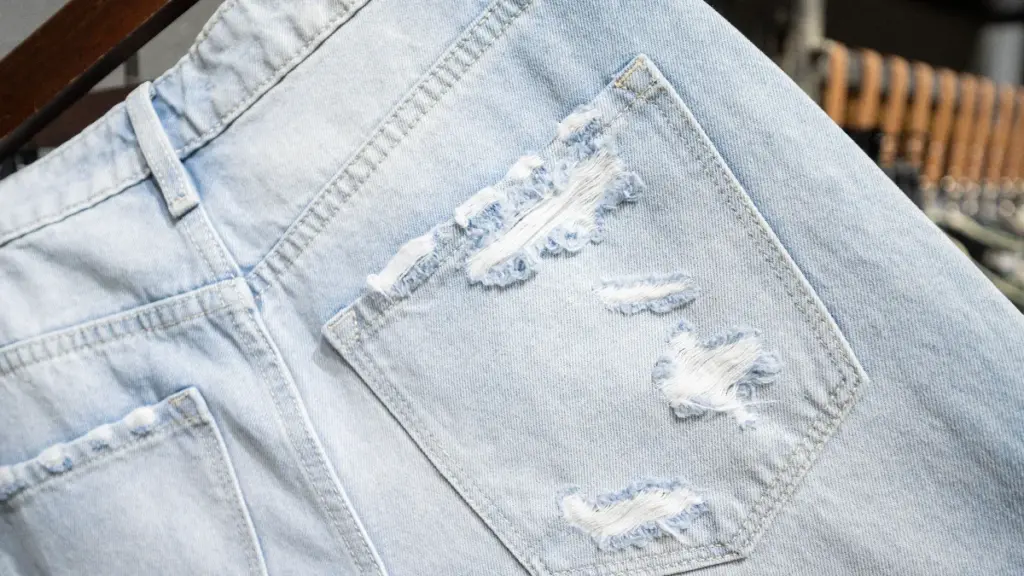
Руководство / Механическое истирание
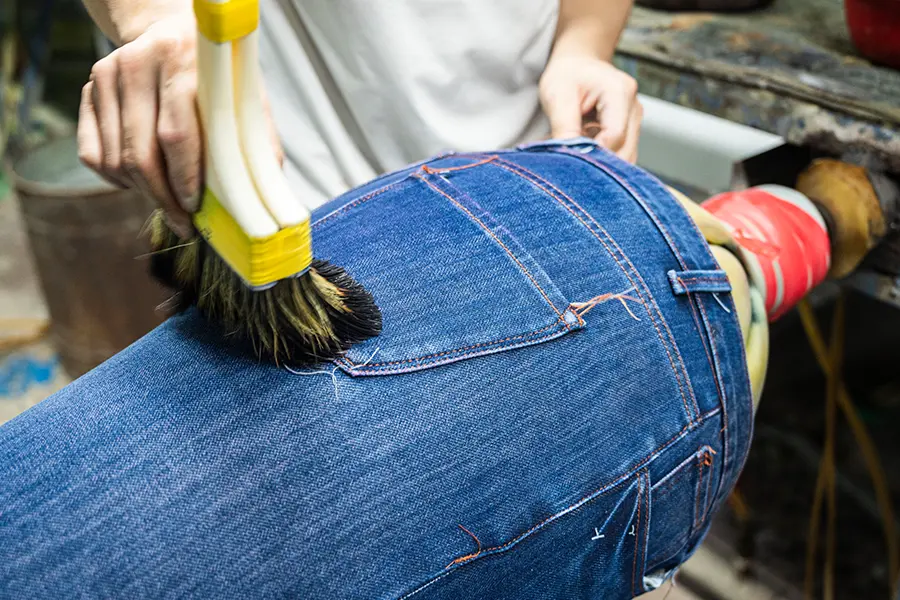
- Ручная царапина / Ручная шлифовка: Рабочие используют наждачную бумагу, чтобы вручную шлифовать такие области, как бедра и бедра., создание естественного выцветания с многослойной глубиной. Эта премиальная техника подчеркивает изношенность., винтажный вид. Квалифицированная рабочая сила необходима для стабильности, обеспечение реалистичности рисунка износа и ощущения мягкости в руках.
- Обезьяна мытья / ПП спрей: Раствор с высоким содержанием марганца распыляется на целевые участки., производство ярких, быстрое затухание. Часто сочетается с ручным соскабливанием., этот метод ускоряет производство, сохраняя при этом контролируемые эффекты бликов..
- Пескоструйная обработка: На ткань подается воздух под высоким давлением, смешанный с абразивным материалом., производство прочного, сильно потертый вид. Из-за рисков для здоровья, таких как силикоз, многие бренды запретили этот метод, лазеры постепенно заменяют его для обеспечения безопасности и точности.
3D Текстура & Разрушение
- Бакенбарды / Усы: Создает узоры складок на бедрах и бедрах., имитация естественных складок от длительного ношения. Может наноситься вручную или с помощью лазера для достижения реалистичной 3D-текстуры и глубины..
- Шлифование / Разрушен: Машины или ручные инструменты шлифуют края и швы., формирование отверстий, изнашивается, и изношенные места. Популярен в стилях уличной одежды., это добавляет намеренно потрепанный вид.
- Смола / 3D морщинки: Смола наносится на целевые участки и подвергается термофиксации для формирования постоянных трехмерных складок.. Усиливает как визуальную глубину, так и тактильную текстуру., создание прочных конструктивных особенностей.
- Тай-Дай / Тегирование: Одежду завязывают или подвешивают и обрабатывают абразивом или краской для создания локализованных узоров.. Добавляет настройку и художественные эффекты для уникальных, визуально привлекательный деним.
Джинсовая ткань на заказ, которая оживит ваш бренд
Устойчивая революция в переработке джинсовой ткани
Слоном в комнате при обработке джинсовой ткани является ее воздействие на окружающую среду.. Традиционно, отрасль является водоемкой и химически зависимой. Однако, происходит масштабный технологический сдвиг, переход от “искусство с помощью химикатов” к “искусство через технологии.”
1. Лазерная обработка
Лазерные технологии заменяют ручную шлифовку, бакенбарды, и разрушение.
- Преимущество: Лазер может выжечь винтажный узор на джинсах 90 секунды, процесс, который занимает человека 10-15 минуты. Устраняет пыль при шлифовании и значительно снижает трудоемкость..
2. Озоновая промывка
Озон (О3) Газ используется для отбеливания джинсов без воды.
- Преимущество: Озон атакует молекулу индиго, а затем снова превращается в обычный кислород.. Он может лишить цвета и очистить “обратное окрашивание” (грязные карманы) с нулевым сбросом воды и нулевыми химическими остатками.
3. Нано-пузырь (Электронный поток) Технология
Вместо того, чтобы наполнять стиральную машину тысячами литров воды, эта технология создает “туман” нанопузырьков, содержащих химические смягчители или смолы.
- Преимущество: Позволяет наносить химикаты с использованием минимального количества воды. (снижение потребления воды до 95%) и гарантирует отсутствие химических отходов.
4. Искусственные камни
Заменить пемзу (которые добывают природные ресурсы и создают ил), индустрия движется к синтетическим абразивным эко-камням или полимерным сферам многократного использования, которые истирают джинсовую ткань, не разрушая ее..
Выбор правильного процесса влажной и сухой обработки для вашей джинсовой линии
Выбор правильного сочетания мокрого и сухого процессов — стратегическое решение, которое напрямую влияет на качество продукции., расходы, масштабируемость, и признание рынка. При оценке вариантов отделки, бренды должны сосредоточиться на следующих ключевых факторах:
- Целевой рынок и позиционирование
Премиум, модный деним часто требует контролируемой ферментативной стирки и детальных процессов сушки, таких как ворсинки или смоляные морщинки., в то время как модели массового рынка отдают приоритет эффективности и долговечности. - Желаемый визуальный результат
Окончательный вид имеет значение. Униформа, чистое затухание больше зависит от влажных процессов, пока винтаж, изношенный, или потертые стили во многом зависят от сухих техник. - Тип ткани и конструкция
Более плотные джинсовые ткани лучше переносят агрессивную стирку и истирание, чем легкие или эластичные ткани., которые требуют более мягкого, более контролируемые процессы. - Стоимость и масштаб производства
Сложные комбинации процессов увеличивают стоимость единицы продукции и время выполнения заказа.. Бренды должны сочетать эстетические цели с коммерческой целесообразностью.. - Согласованность и контроль качества
Некоторые процессы, особенно ручная сушка, требуют квалифицированной рабочей силы для обеспечения повторяемости результатов при массовом производстве. - Устойчивое развитие и соответствие
Использование воды, химическое воздействие, и безопасность труда становятся все более важными. Энзимные моющие средства, лазерная отделка, и озоновые технологии помогают брендам соответствовать экологическим и нормативным ожиданиям.
Заключительные мысли
Очень важно освоить сложный баланс процессов влажной и сухой обработки джинсовой ткани., но наличие правильной инфраструктуры — это то, что превращает эти знания в прибыль.. Поскольку рынок требует более высоких стандартов устойчивого развития и более коротких сроков выполнения работ., полагаться на устаревшие методы больше не вариант. Ваше оборудование должно быть таким же совершенным, как и ваши методы..
В Чангун, мы предоставляем решения для промышленной стирки и крашения, необходимые для того, чтобы оставаться конкурентоспособными в этой развивающейся среде.. Независимо от того, модернизируете ли вы одну машину или планируете полный капитальный ремонт объекта., наши специалисты всегда готовы помочь вам оптимизировать эффективность и качество.
Готовы улучшить вашу линию по производству джинсовой ткани? Свяжитесь с нами сегодня на профессиональную консультацию, или изучите наш полный ассортимент оборудования для отделки текстиля, чтобы найти идеальное решение для вашего бизнеса..