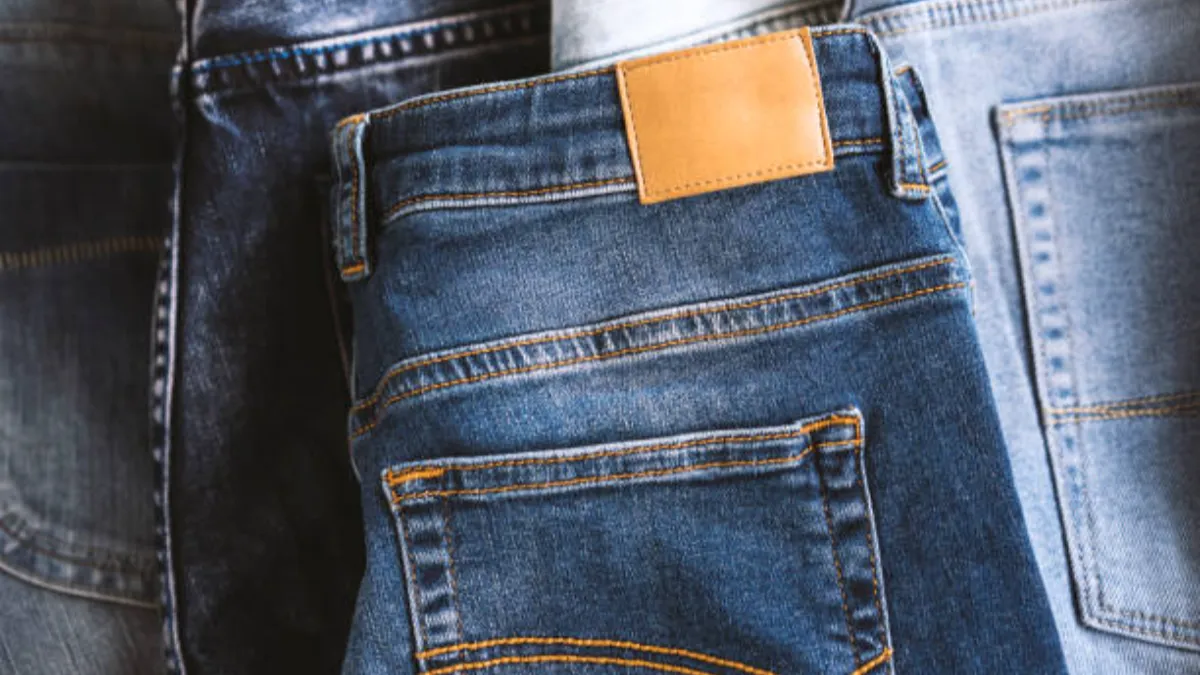
Что такое темный деним?

Джинсовая ткань Dark Wash – это джинсовая ткань, предназначенная для того, чтобы дольше оставаться темной.. Вместо того, чтобы быстро исчезнуть в светло-голубой, сохраняет цвет глубокого индиго или почти черного цвета даже после стирки и ношения..
Проще говоря, сочетает в себе глубокое окрашивание и бережную стирку. Ткань смягчена для комфорта., но потеря цвета тщательно контролируется. Это делает деним темного цвета популярным для джинсов премиум-класса., куртки, и рубашки, которые нужно почистить, полированный вид.
Чангун разрабатывает темный деним с контролируемой стиркой и фиксацией цвета., помогая брендам поддерживать постоянный оттенок и качество всех производственных партий.
Почему темные джинсовые ткани так легко выцветают??
Джинсовую ткань обычно окрашивают индиго., который в основном сидит на поверхности пряжи, не глубоко внутри волокна. Если стирка слишком агрессивная, рыхлый краситель быстро стирается.
К частым причинам раннего угасания относятся:
- Слишком сильное истирание во время стирки.
- Плохое снятие калибровки (крахмал) перед окончанием
- Отсутствие средства для закрепления цвета.
- Высокая скорость барабана или большое количество камней
Премиум темный стирать джинсовую ткань фокусируется на контроле этих рисков, вместо удаления цвета для создания винтажного образа.
Как окрашивается темный деним?
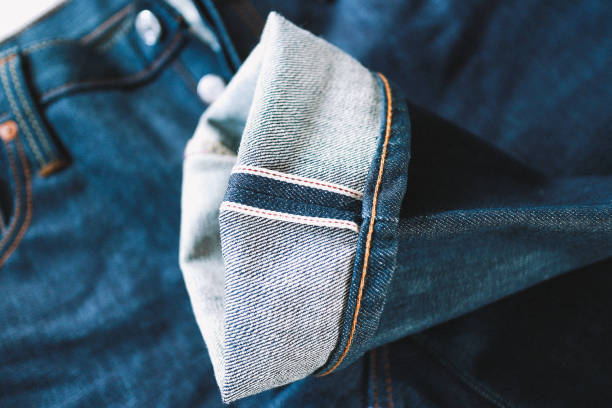
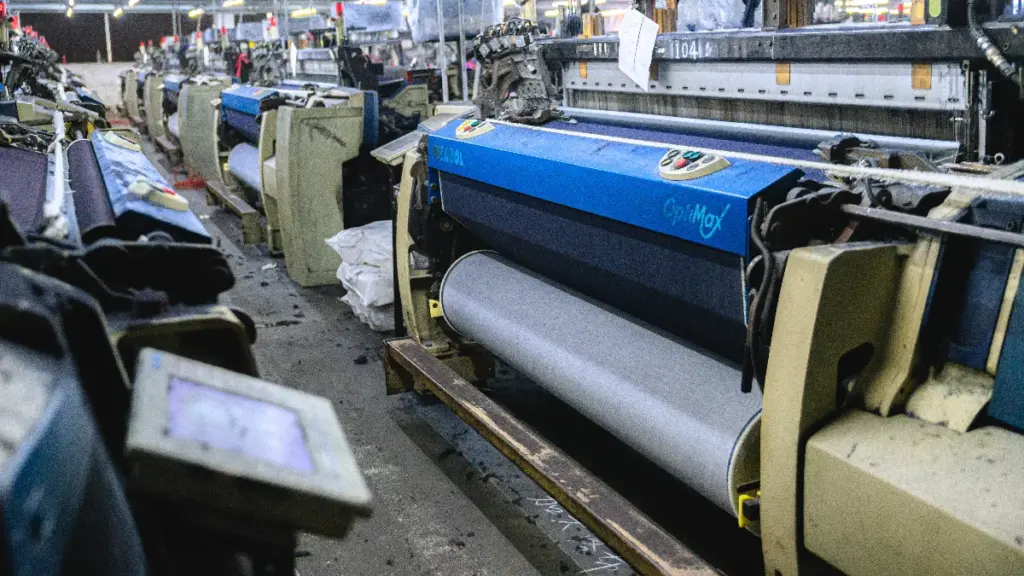
Темный деним начинается с крашения основной пряжи перед ткачеством. Для достижения глубокого оттенка, нити несколько раз окунают в краситель индиго..
Типичные методы включают в себя:
- 9–18 соусов индиго для создания глубины цвета
- Необязательный слои серного красителя (синий или черный) приблизить оттенок к черному
Больше провалов означает более насыщенный цвет, но также более высокая стоимость и более строгий контроль качества.. Вот почему деним темного цвета часто позиционируется как ткань премиум-класса..
Как стирают темные джинсовые ткани на фабриках?
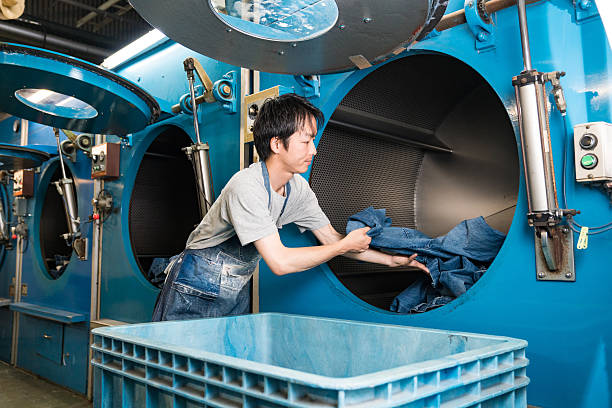
Промышленная стирка джинсовой ткани Для темных денимов основное внимание уделяется контролируемому смягчению с минимальной потерей цвета.. По сравнению с винтажным или светлым денимом., этот процесс намеренно снижает механическое истирание и химическую агрессивность, чтобы защитить индиго на поверхности пряжи..
Ключевые отличия включают более низкое соотношение камней., уменьшенная скорость барабана, и тщательно отобранные ферментные системы. Цель не в том, чтобы создать контраст или блики., но чтобы добиться чистой поверхности, улучшенное ощущение рук, и стабильная глубина оттенка, подходящая для премиального позиционирования.
Объяснение основных этапов промышленной мойки
1. Расклейка (Удаление крахмала)
Во время плетения, нити основы покрыты проклеивающими веществами для повышения прочности.. Производство темной стирки, расклейка имеет решающее значение, поскольку неравномерное удаление размера может привести к неравномерной стирке и неравномерной потере цвета в дальнейшем..
- Обычно выполняется с использованием ферментов амилазы или низкощелочных моющих средств.
- Обеспечивает равномерное проникновение ферментов и стабильное сохранение цвета.
2. Контролируемое ферментативное смягчение
Вместо агрессивного истирания, В темных джинсах используются нейтральные или малоактивные ферменты целлюлазы.. Они мягко полируют поверхность волокна., улучшение мягкости без обнажения слишком большого количества неокрашенного сердцевинного волокна.
- Сводит к минимуму обратное окрашивание и чрезмерное выделение индиго.
- Сохраняет цвет поверхности, улучшая драпировку и комфорт.
3. Полоскание, Очистка тона, и смягчение
После ферментной обработки, Тщательное промывание удаляет отслоившийся краситель и остатки ферментов.. Для выравнивания внешнего вида поверхности можно применить легкий этап очистки или осветления., за которыми следуют смягчители для улучшения ощущения рук.
- Снижает риск растрескивания
- Стабилизирует внешний вид перед фиксацией или окончательной отделкой.
Удерживая химическое действие и механическую силу в узких пределах., Фабрики могут производить темные джинсовые ткани, которые кажутся поношенными, но при этом сохраняют глубокую текстуру., однородный цвет — соответствует как эстетическим, так и эксплуатационным ожиданиям, предъявляемым к одежде премиум-класса..
Воплотите в жизнь свою идею джинсовой ткани
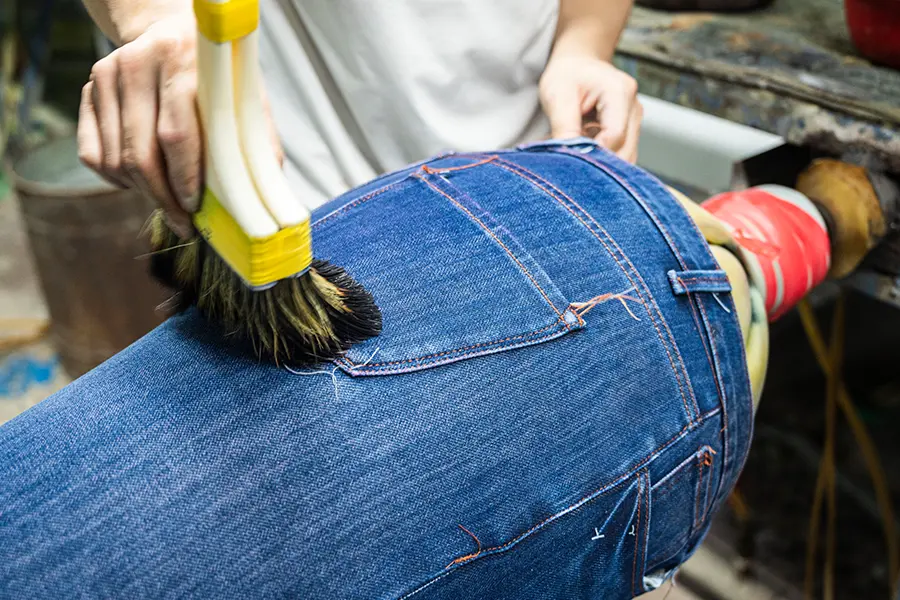
Какие настройки стирки помогают сохранить джинсовую ткань темной?
Небольшие изменения настроек могут привести к большим различиям в цвете.. Для темных джинсов, заводы контролируют как химию, так и движение машин.
Общие диапазоны управления включают в себя:
- Более низкая скорость барабана: 30–35 об/мин
- Сокращение времени стирки: 15–20 минут
- Мягкие ферменты вместо сильного истирания
- Ограничено или нет пемзы
Эти настройки помогают достичь типичных целей качества, таких как Оценка 4 устойчивость к сухому истиранию, что важно для уменьшения жалоб на передачу цвета.
Как можно стирать джинсовую ткань, не слишком линяя ее??
После стирки, фабрики часто применяют фиксаторы цвета. Это химические вещества, которые помогают краске более прочно прилипать к хлопковым волокнам..
Как работают фиксаторы цвета?
- Краситель индиго несет отрицательный заряд.
- Фиксирующие агенты несут положительный заряд.
- Они притягивают друг друга и образуют более крепкую связь.
Это повышает устойчивость к истиранию и многократной стирке., сохранение одежды темной дольше.
Являются ли фиксаторы цвета безопасными и широко ли они используются??
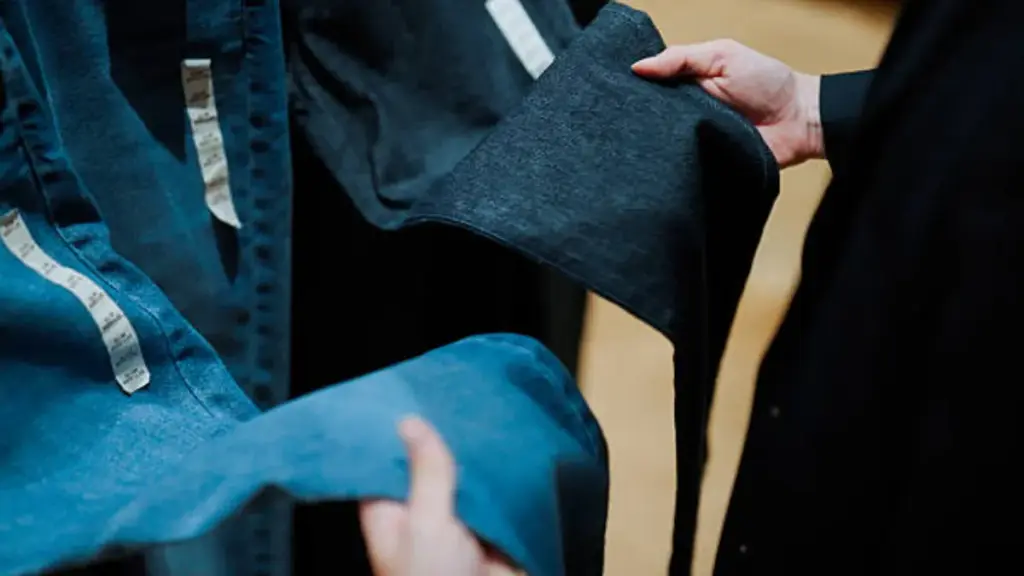
Да. Закрепители цвета широко используются в коммерческом производстве джинсовой ткани., особенно для темных оттенков.
Типичные методы применения включают в себя:
- Обработка выхлопных газов во время мойки
- Набивка и сушка
- Короткие процессы замачивания
При правильном использовании, они не меняют внешний вид одежды, но значительно улучшить стойкость цвета.
Помогает ли уксус сохранить темные джинсы темными?
Уксус иногда используют дома., но его эффект ограничен. Немного снижает pH воды и удаляет остатки моющего средства., но он не сильно закрепляет краситель индиго.
Чем промышленная стирка отличается от ополаскивания уксусом?
- Уксус: мягкая кислота, нет истирания, минимальный цветовой эффект
- Промышленные процессы: контролируемые химикаты + механическое действие
Каким стандартам качества должен соответствовать темный деним??
Перед отправкой, Одежда из темного денима проверяется на прочность и внешний вид..
Общие критерии включают в себя:
- Устойчивость цвета к стирке: Оценка 4
- Устойчивость к сухому истиранию: Оценка 4
- Усадка: ≤ 3%
- Прочность ткани и устойчивость к истиранию
Соблюдение этих стандартов помогает брендам сократить возвраты и сохранить доверие клиентов..
Заключительные мысли
Темные джинсовые ткани успешны или терпят неудачу по нескольким измеримым параметрам.: насколько глубоко окрашена пряжа, насколько бережно обращается с цветом во время стирки, правильно ли закреплен свободный индиго, и проверяется ли усадка и устойчивость к истиранию перед отправкой. Когда эти этапы выполняются как одна система, а не изолированные процессы, бренды могут разрабатывать темные моющие средства, которые остаются темными., стабильный, и продается в любое время года.
Если вы оцениваете поставщиков или уточняете свои собственные спецификации, Changhong может помочь в выборе ткани, промывка разработки, выборка, и массовое производство на основе ваших целевых стандартов. Связаться с нами чтобы обсудить ваши требования.
Часто задаваемые вопросы
Как постирать джинсы из денима, чтобы они не полиняли?
Стирайте темные джинсы как можно реже., о каждом 10 носит. Выверните их наизнанку, используйте холодную воду в деликатном режиме со скоростью отжима ≤900 об/мин., и мягкое моющее средство для темных цветов.. При необходимости добавьте в полоскание ½ стакана белого уксуса., затем сушите в тени и избегайте сушки в сушильной машине..
Холодная вода замедляет потерю красителя так же, как хранение старых фотографий вдали от солнечного света..
Стоит ли стирать джинсовую ткань наизнанку?
Да. Выворот джинсов наизнанку помогает уменьшить потерю красителя индиго., уменьшить истирание поверхности, и сохранить цвет и внешний вид. Стирать при 30–40°C. (до 60°C макс.) на щадящих настройках в лучшем случае стойкость цвета результаты.
Это похоже на чтение книги с закрытой обложкой — поверхность остается защищенной..
Как часто нужно стирать джинсы из денима?
Большинство джинсовых брендов рекомендуют стирать джинсы примерно каждые 5–10 раз., примерно 10 носить в соответствии с общими рекомендациями, если только они не заметно загрязнены или не имеют запаха.. Это особенно актуально для темных джинсов, поскольку они помогают сохранить цвет..
Регулярное мытье действует как продление срока службы батареи, если использовать ее только при необходимости..
Можно ли стирать темные джинсы со светлыми тонами?
Нет. Всегда стирайте темные джинсы вместе с другими темными вещами или отдельно., особенно для первых стирок, для предотвращения переноса красителя и поддержания однородности оттенка.
Смешивать темное и светлое белье — это все равно, что вливать кофе в молоко: более светлый цвет мгновенно меняется..
Темная стирка садится больше, чем светлая??
Тестирование показало, что как темные, так и светлые джинсовые ткани дают усадку примерно 3% по длине и ширине при стандартных процессах стирки. Усадка ≤3% считается приемлемой для любого оттенка..
Это похоже на то, как ломается кожаная обувь независимо от цвета — поведение материала одинаковое..
Как сохранить темные джинсы темными?
Стирайте нечасто, в холодной воде, в щадящем режиме ≤900 об/мин, с моющим средством темного цвета, джинсы вывернуты наизнанку, и высушен на воздухе вдали от солнечного света. Вы можете стирать вручную с мягким моющим средством и ½ стакана белого уксуса при полоскании.. Избегайте отбеливателя, отбеливатели, кондиционер для белья, высокоскоростное вращение, и сушить в барабане.
Бережное обращение с джинсами похоже на обращение с деликатной картиной: избегайте суровых условий, чтобы сохранить ее внешний вид..