Деним с кислотной стиркой — один из самых узнаваемых и выразительных вариантов отделки денима в отрасли.. Отличается высококонтрастным выцветанием и неровным рисунком поверхности., эта стирка уже давно ассоциируется со смелыми модными заявлениями, винтажная эстетика, и культура уличной одежды.
В то время как джинсовая ткань, выстиранная кислотой, впервые приобрела популярность несколько десятилетий назад., оно никогда не исчезало полностью. Вместо, оно развилось. Современные методы кислотной мойки более контролируемы., более последовательный, и все больше соответствуют требованиям устойчивого развития. Для брендов и покупателей сегодня, джинсовая ткань кислотной стирки уже не новинка — это осознанный выбор дизайна и позиционирования..
В этом руководстве объясняется, что такое джинсовая ткань кислотной стирки., как это производится, чем он отличается от других типов стирки, и как он используется в современных джинсовых коллекциях.
Что такое джинсовая ткань кислотной стирки?
Джинсы с кислотной стиркой относятся к процессу отделки, который создает прочные, неровный выцветание джинсов, окрашенных в индиго. Поверхность выглядит мраморной, затуманенный, или полосатый, с резким контрастом между светлыми и темными областями. В отличие от однородных стирок, кислотная смывка намеренно непредсказуема на вид, что является частью его привлекательности.
Несмотря на название, современные процессы кислотной мойки не обязательно используют агрессивные кислоты.. Исторически, химикаты на основе хлора были обычным явлением, но сегодня многие фабрики используют контролируемые системы отбеливания или альтернативные окислители для достижения того же визуального эффекта с повышенной безопасностью и стабильностью..
Джинсовую ткань, выстиранную кислотой, определяет не само химическое вещество., но локальное удаление красителя. Блекнут только те участки, которые непосредственно контактируют с обработанными камнями или поверхностями., в то время как охраняемые территории сохраняют более глубокие тона индиго.
Ключевые характеристики джинсовой ткани кислотной стирки
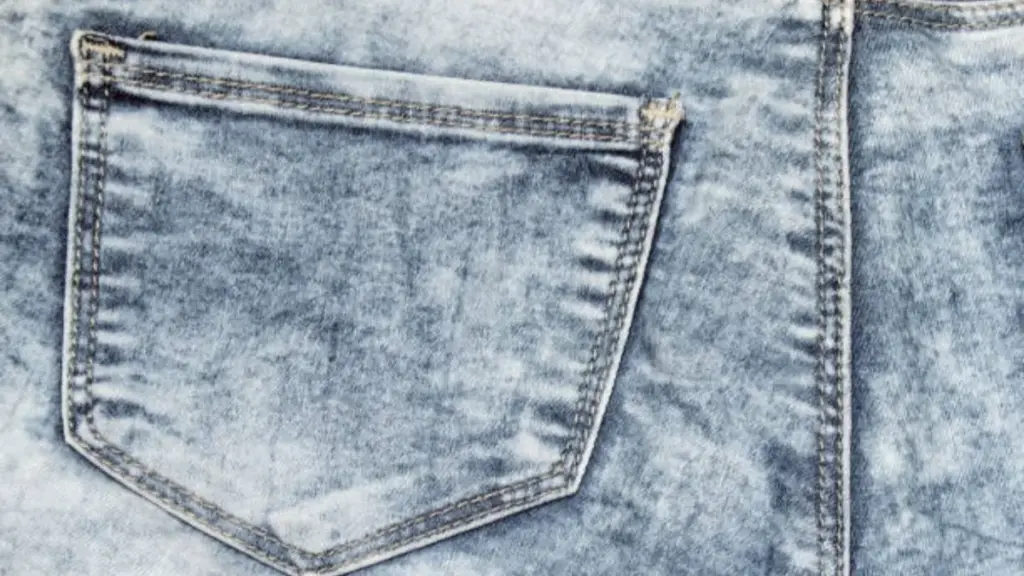
Самая отличительная особенность денима кислотной стирки — его визуальная интенсивность.. Контраст между светлыми и темными областями создает сильное ощущение глубины и текстуры на поверхности ткани..
Несколько характеристик неизменно определяют высококачественную джинсовую ткань кислотной стирки.:
- Высококонтрастное затухание с видимыми светлыми и темными зонами
- Нерегулярный, неповторяющиеся узоры на каждом изделии
- Винтажный или потертый внешний вид с ярко выраженной визуальной идентичностью.
- Улучшенная текстура вокруг швов., края, и точки напряжения
Истоки и эволюция джинсовой ткани, пропитанной кислотой
Джинсовая ткань кислотной стирки появилась в начале 1980-х годов., когда европейские джинсовые прачечные начали экспериментировать с мойка камней в сочетании с отбеливателями. Полученный вид кардинально отличался от традиционной отделки потертого денима..
К середине 1980-х годов, Джинсы кислотной стирки стали мировой тенденцией. Они были тесно связаны с рок-музыкой., панк-культура, и молодежный бунт, и быстро принят крупными джинсовыми брендами.. Яркий внешний вид сделал кислотную мойку мгновенно узнаваемой в торговых залах..
В 1990-х и начале 2000-х годов, модные тенденции сместились в сторону более чистых и минималистичных силуэтов.. Джинсовая ткань, выстиранная кислотой, с его агрессивным визуальным воздействием, постепенно терял массовую популярность. Однако, оно никогда не исчезало полностью.
Возрождение началось в конце 2010-х годов., обусловлен возобновившимся интересом к винтажной моде, Эстетика 2000 года, и уличная одежда. Сегодняшние джинсовые ткани, выстиранные кислотой, стали более изысканными., часто сочетается с современными фасонами, ткани премиум-класса, и контролируемое развитие цвета.
Как создается джинсовая ткань кислотной стирки
Процесс кислотной стирки джинсовой ткани предназначен для создания локализованных, высококонтрастное выцветание за счет контролируемого механического истирания и химической реакции. Хотя конкретные методы могут различаться в зависимости от завода, весь производственный процесс следует четкой последовательности шагов.
Шаг 1: Подготовка базовой джинсовой ткани и одежды
Кислотная стирка обычно применяется к полностью сконструированным джинсовым изделиям, а не к необработанным тканям.. Предпочтение отдается джинсовой ткани цвета индиго., поскольку стирка предполагает удаление поверхностного красителя для создания контраста.. Обычно выбирают джинсовую ткань средней плотности, чтобы ткань могла выдерживать агрессивную стирку без структурных повреждений..
Шаг 2: Загрузка камня и химическая обработка
Перед загрузкой в стиральную машину пемзу обрабатывают отбеливающими веществами или окислителями.. Эти камни действуют как носители, доставляя химикаты только в те участки одежды, с которыми они физически контактируют. Именно такое избирательное воздействие и приводит к неравномерности, эффект мраморного выцветания.
Шаг 3: Механическая стирка и удаление красителей
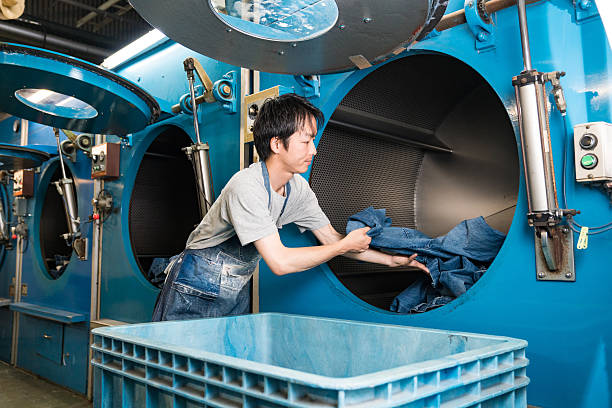
Одежда и обработанные камни смешиваются в промышленной стиральной машине.. Пока барабан вращается, камни неоднократно ударяются о выступающие участки, например, о швы, складки, и края. Краситель индиго удаляется в первую очередь из этих точек контакта., в то время как охраняемые территории сохраняют более темные тона, создание сильного визуального контраста.
Шаг 4: Контроль реакции и визуальная настройка
Время стирки, скорость барабана, количество камня, и химическая концентрация тщательно контролируются. Небольшие корректировки на этом этапе могут существенно повлиять на окончательный вид.. Опытные операторы могут остановить процесс раньше или немного продлить его, чтобы достичь желаемого уровня контрастности и четкости рисунка..
Шаг 5: Нейтрализация и промывка
Как только целевой вид будет достигнут, нейтрализующий агент применяется для остановки химической реакции. Этот шаг имеет решающее значение для предотвращения чрезмерного отбеливания и повреждения волокна.. Затем одежду несколько раз прополаскивают, чтобы удалить остатки химикатов и камни..
Шаг 6: Смягчение и отделка
После полоскания, смягчители добавлены для улучшения ощущения рук и комфорта при ношении. Затем одежду сушат, стабилизированный, и проверяется на однородность цвета, прочность ткани, и общий вид. Окончательный контроль качества гарантирует, что мойка соответствует как эстетическим, так и эксплуатационным стандартам..
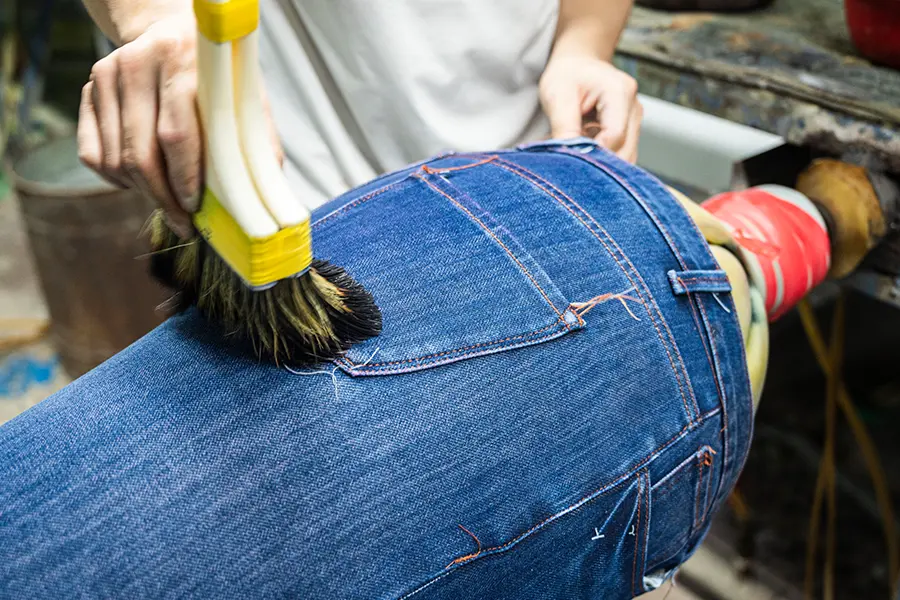
Деним на заказ — ваш путь — от возвышенного видения до готовой строчки
Чем кислотная стирка отличается от других видов джинсовой стирки
Джинсовую ткань кислотной стирки часто путают с другими выцветшими джинсами., но различия как визуальные, так и технические. Хотя многие типы стирки направлены на смягчение ткани или создание поношенного вида., кислотная смывка предназначена для создания намеренного контраста и сильной текстуры поверхности.. В таблице ниже показано, как кислотная стирка сравнивается с другими распространенными методами стирки джинсовой ткани..
| Аспект | Кислотная промывка | Каменная мытья | Ферментный стирк | Отбеливающая мыть |
|---|---|---|---|---|
| Тип процесса | Механическое истирание в сочетании с отбеливающими или окислительными веществами. | Механическая абразивная обработка пемзой. | Биохимический процесс с использованием ферментов целлюлазы | Химическое отбеливание без механического истирания. |
| Основная цель | Чтобы создать сильный, нерегулярный, высококонтрастное затухание | Для имитации естественного износа и смягчения ткани. | Чтобы добиться чистого, мягкий, и равномерно выцветший вид | Чтобы осветлить общий цвет джинсов |
| Визуальный эффект | Мраморный, пасмурно, сильно текстурированная поверхность | Мягкий, потертый вид с легким контрастом | Гладкая поверхность с равномерным выцветанием | Равномерное осветление с ограниченной текстурой |
| Уровень контрастности | Высокий | От низкого до среднего | Низкий | Середина |
| Рука чувствовать | Изначально текстурированный, размягчается после завершения | Мягкий, слегка шероховатый на ощупь | Очень мягкий, гладкий, и удобный | Зависит от смягчения после стирки. |
| Воздействие ткани | Умеренное истирание, если его тщательно не контролировать. | Умеренный механический износ | Минимальное повреждение волокна | Риск ослабления волокна при чрезмерном отбеливании |
| Стабильность результатов | Требуется опытный контроль за согласованностью партии. | Умеренная консистенция | Высокая последовательность и повторяемость | В целом соответствует |
| Воздействие на окружающую среду | Повышенное использование воды и химикатов в традиционных методах. | Высокое потребление воды и каменные отходы | Низкое воздействие благодаря биоразлагаемым ферментам | Химически интенсивные, если их плохо контролировать |
| Лучше всего подходит для | Заявление, уличная одежда, винтажные стили | Повседневный, классические джинсовые изделия | Премиум, комфортный деним | Коллекции светлого и летнего денима |
Преимущества и ограничения джинсовой стирки с кислотной стиркой
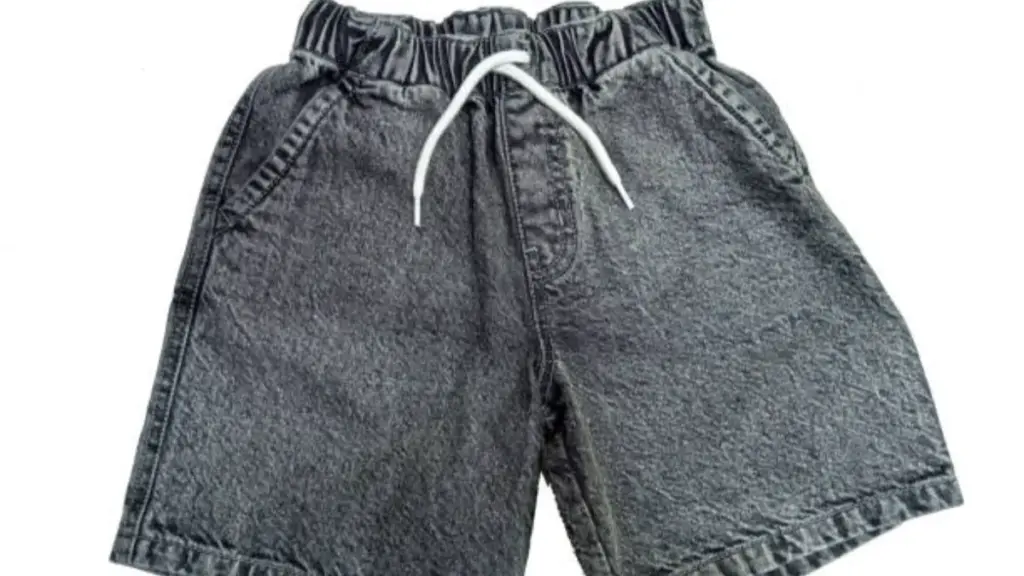
Джинсовая ткань кислотной стирки придает особую визуальную индивидуальность., но это также связано с техническими и производственными соображениями. Понимание его сильных и слабых сторон помогает брендам решить, когда и как эффективно использовать эту смывку..
Преимущества джинсовой ткани кислотной стирки
- Сильная визуальная дифференциация
Кислотная промывка создает высокий контраст, неравномерное выцветание, которое сразу бросается в глаза. Это делает его идеальным для эффектных вещей и модных коллекций, где сама стирка является частью дизайна.. - Особая привлекательность в винтажном и уличном стиле
Смелый, потертый внешний вид естественно сочетается с ретро, 2000 год, и эстетика уличной одежды. Кислотная промывка часто используется для усиления бунтарского или выразительного имиджа бренда.. - Эффектный дизайн с простыми силуэтами
Даже базовые модели, такие как прямые джинсы или куртки оверсайз, приобретают визуальную глубину благодаря кислотной стирке., уменьшение необходимости в построении сложных шаблонов. - Универсальность по категориям продуктов
Кислотная стирка хорошо справляется с джинсами., куртки, юбки, и шорты, и может быть адаптирован как для мужского, так и для женского стиля., а также коллекции унисекс.
Ограничения джинсовой стирки с кислотной стиркой
- Повышенный риск повреждения ткани при плохом контроле.
Сочетание механического истирания и химической обработки может ослабить волокна, если не контролировать время стирки или концентрацию химикатов.. - Более высокая сложность обеспечения согласованности партии
Поскольку характер затухания естественно нерегулярный, Для достижения стабильных результатов при больших объемах производства требуется опытный контроль промывки и тщательный отбор проб.. - Экологические проблемы с традиционными методами
Обычные процессы кислотной промывки могут включать более высокий расход воды., химический выброс, и каменные отходы, сделать устойчивость ключевым фактором. - Подходит не для всех позиций бренда.
Яркий вид кислотной промывки может противоречить минимальному, формальный, или классическая фирменная эстетика, ограничение его использования конкретными коллекциями или стилями.
Потому что джинсовая ткань, выстиранная кислотой, требует точного контроля, чтобы сбалансировать внешний вид и долговечность ткани., Опыт производителя имеет большое значение. Changhong поддерживает бренды, используя проверенные методы кислотной мойки, стабильные массовые результаты, и гибкое развитие. Посетите нашу домашнюю страницу или свяжитесь с нами, чтобы изучите индивидуальные решения для джинсовой ткани.
Экологичность и современные методы кислотной мойки
Традиционные методы кислотной мойки уже давно вызывают экологические проблемы из-за использования воды., химический выброс, и каменные отходы. Поскольку устойчивое развитие становится приоритетом, отрасль адаптировалась.
Современное производство кислотных моющих средств все больше фокусируется на снижении воздействия на окружающую среду за счет улучшения контроля процесса.. Общие улучшения включают снижение концентрации химических веществ., альтернативные окислительные системы, рециркуляция воды, и методы удаления камней.
Некоторые производители теперь предлагают экологически ориентированные варианты кислотной мойки, которые сохраняют желаемый внешний вид, одновременно соблюдая более строгие экологические стандарты и стандарты соответствия.. Для брендов, это позволяет джинсам кислотной стирки оставаться актуальными, не вступая в противоречие с обязательствами по устойчивому развитию..
Распространенное применение джинсовой ткани, пропитанной кислотной стиркой
Джинсы с кислотной стиркой чаще всего используются в модных и трендовых коллекциях.. Его смелый внешний вид делает его особенно эффективным в эффектных произведениях..
Типичные области применения включают джинсы, выстиранные кислотой., джинсовые куртки, юбки, и шорты. Мытье особенно хорошо действует на расслабленных, прямая нога, широконогий, и объемные силуэты, где текстура поверхности более заметна.
В последние годы, кислотная промывка также была вновь представлена в скоординированных наборах и гендерно-нейтральных дизайнах., отражающие более широкие изменения в современной моде.
Рекомендации для брендов и покупателей
При выборе джинсовой ткани, выстиранной кислотой, одного дизайнерского замысла недостаточно. Потому что результат стирки во многом зависит от контроля процесса., бренды и покупатели должны оценить как эстетические цели, так и осуществимость производства, прежде чем переходить к массовому производству..
- Выбор ткани и основной цвет.
Глубина индиго, вес ткани, и структура переплетения влияют на то, как развиваются модели кислотной стирки.. Не все джинсовые ткани реагируют одинаково, сделать выбор ткани важным первым шагом. - Стабильность стирки в разных партиях продукции
Результаты кислотной мойки, естественно, нерегулярны., но чрезмерные вариации могут повлиять на коммерческую жизнеспособность. Четкие стандарты стирки и повторяемый контроль необходимы для крупных заказов.. - Отбор образцов и предварительное одобрение производства
Часто требуется несколько пробных стирок для точной настройки контраста и четкости рисунка.. Утвержденные образцы следует использовать в качестве строгих эталонов при массовом производстве.. - Баланс между визуальным эффектом и прочностью ткани.
Агрессивная стирка может ослабить волокна, если ее не соблюдать должным образом.. Покупатели должны убедиться, что испытания на долговечность являются частью процесса разработки., особенно для тяжелой или структурированной одежды. - Устойчивое развитие и требования соответствия
Традиционные методы кислотной промывки могут вызвать экологические проблемы. Бренды должны подтвердить очистку воды, управление химическими веществами, и стандарты соответствия перед завершением производства. - Опыт производителя в процессах кислотной промывки
Кислотная промывка не подходит для начинающих.. Сотрудничаем с производителем джинсов. проверенный опыт помогает снизить риск, улучшить согласованность, и сократить сроки разработки.
Заключение
Джинсы с кислотной стиркой — больше, чем просто ностальгический тренд. Это мощная техника отделки, которая продолжает развиваться в соответствии с требованиями современной моды.. При исполнении с точностью и контролем, он обеспечивает сильную визуальную идентичность, коммерческая привлекательность, и творческая гибкость.
Для брендов, желающих представить отличительные модели джинсовой ткани, кислотная промывка остается ценным вариантом, сочетающим винтажное влияние с современными стандартами дизайна и производства..
Часто задаваемые вопросы
Как стирать джинсовую ткань кислотой?
Промышленная кислотная стирка джинсовой ткани осуществляется путем барабанения джинсов с пемзой, предварительно замоченной на 20–60 минут в растворе отбеливателя с хлором или перманганатом калия., затем провести 20–30-минутную барабанную обработку при температуре 50–70°C с соотношением камня к изделию примерно 0,5–3,0.:1. Перед окончательной промывкой следует немедленное ополаскивание и нейтрализационная ванна с бисульфитом натрия до pH 6–7., размягчение, и сушка. Этот процесс требует закрытых промышленных машин., выхлоп, и правильное обращение с химикатами; домашние методы лишены этих средств контроля и несут более высокий риск..
Подобно тому, как выпечка хлеба требует тщательного контроля температуры., кислотная промывка требует точного оборудования для управления теплом, истирание, и химический баланс безопасно.
Вредна ли кислотная стирка для прочности ткани?
Да. Тестирование по текстильным стандартам ASTM и ISO показывает, что кислотная стирка может снизить прочность джинсовой ткани на разрыв и растяжение примерно на 15–25 % по сравнению с нестиранной тканью.. Например, за одно испытание ASTM D5034, предел прочности основы упал примерно с 330 фунт-сила до 280 фунт-сила после кислотной промывки.
Эффект подобен шлифовке деревянной поверхности — при этом внешний вид меняется., он также удаляет материал и делает его менее прочным.
Как постирать черные джинсы кислотой?
На заводах обычно используется технология сухого камня с использованием пемзы, пропитанной перманганатом калия., стирают в промышленных стиральных машинах с соотношением веса камня к весу примерно 2:1. Затем следует несколько промывок и нейтрализация метабисульфитом натрия или бисульфитом натрия для удаления остаточного окислителя и доведения pH примерно до 6–7.. Этот метод требует контроля промышленной безопасности и очистки сточных вод..
Это работает так же, как выборочная аэрография на фотографии: для достижения контраста обрабатываются только целевые области..
В чем разница между отбеливателем и кислотной стиркой?
При стирке с отбеливателем одежда погружается в контролируемую ванну с окислительным отбеливателем, например гипохлоритом натрия, для равномерного осветления цвета., тогда как кислотная промывка создает пятнистый эффект при использовании пемзы, пропитанной сильными окислителями., упал без воды на целевые участки поверхности. Отбеливание — это влажный процесс с установленными пропорциями и временем использования щелока., в то время как кислотная промывка зависит от переноса камней и истирания, вызывая более локализованное повреждение ткани и требуя тщательной нейтрализации..
Это сравнимо с покраской стены по сравнению с использованием губки для нанесения краски — покрывается равномерно., другой создает текстурированные узоры.
Как исправить неравномерную кислотную стирку?
Фабрики не исправляют неравномерную кислотную стирку отдельных предметов одежды.; они повторно промывают всю партию в определенных условиях, контролируя концентрацию KMnO₄. (1–4%), соотношение камня и одежды (~2:1), скорость барабана (30–35 об/мин), и время обработки (15–20 минут)— с последующей полной нейтрализацией и повторной промывкой. Серьезно дефектные детали могут быть понижены..
Это очень похоже на повторную выпечку всей партии печенья, когда один противень получается неровным — для обеспечения единообразия необходимо начинать заново..
Вымывает ли кислота желтизну со временем?
Да. Окислители, оставшиеся на ткани, особенно от марганцовки или хлора, может вызвать видимое пожелтение в течение 7–10 дней, если не полностью нейтрализовать. В промышленной практике для удаления марганца используются хелатирующие агенты, такие как ЭДТА., обработка антихлором после отбеливания, и 0,5–1 г/л антижелтых средств в последней ванне для поддержания контраста и предотвращения обесцвечивания..
Это все равно, что оставить лимонный сок на бумаге: остатки вступают в реакцию и со временем оставляют желтые следы..