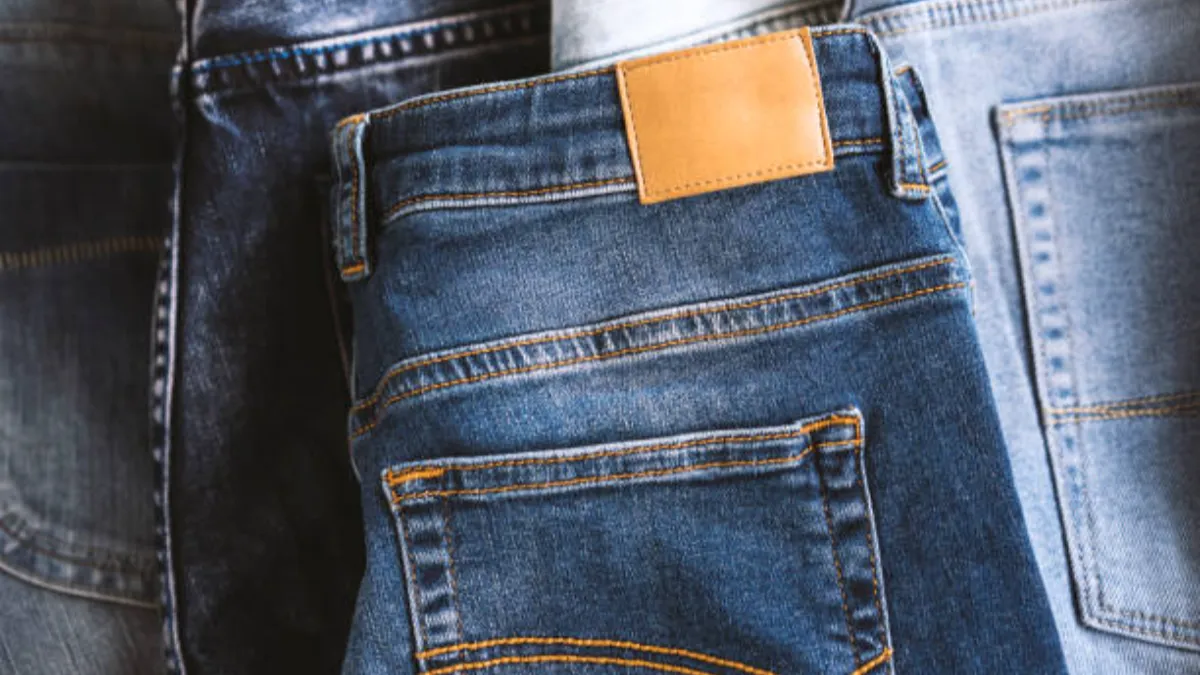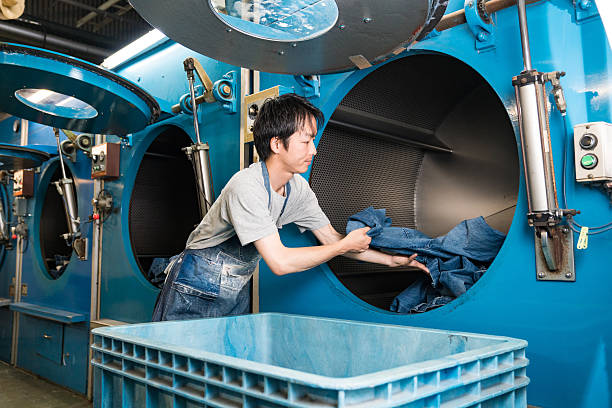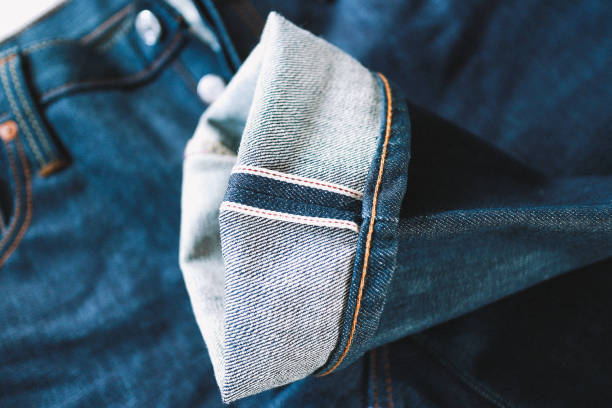
Vendo uma diferença de preços entre $2.00 e $20.00 por jarda é confuso. A opção cara é realmente dez vezes melhor? Muitas vezes, a resposta é não. Você pode simplesmente estar pagando pelas despesas gerais do intermediário.
Este guia remove as camadas reais 2026 custos de fabricação e taxas ocultas. Vejamos os números para que você possa parar de pagar a mais e começar a adquirir com confiança.
O que você realmente deve pagar? 2026 Referências globais
(Observação: Todos os preços abaixo referem-se ao FOB estimado (Gratuito a bordo) preços para padrão atacado quantidades.)
Em vez de adivinhar, use esta tabela de benchmark para avaliar cotações de fornecedores. Os preços variam de acordo com a origem, custos trabalhistas, e disponibilidade de algodão.
| Origem | Leste . Preço de atacado (Por jarda) |
Melhor para… |
|---|---|---|
| China |
$1.65 – $2.75 (Mercadoria) $3.50 – $6.50 (Premium/Tecnológico) |
Volume & Inovação. O líder global em escalabilidade. Fábricas de primeira linha agora produzem jeans reciclado e tecnológico de alta qualidade (Por exemplo, Coolmax) que rivaliza com a qualidade europeia a custos 20-30% mais baixos. |
| Índia | $3.20 – $5.80 | Algodão orgânico. Excelente valor para opções orgânicas com certificação GOTS devido à abundante oferta local de algodão. |
| Peru | $6.50 – $8.50 | Sustentabilidade Premium. Conhecido por misturas proprietárias, acabamento de alto padrão, e proximidade com os mercados europeus. |
| EUA / Japão | $15.00 – $30.00+ | Nicho de luxo. Ourela, artesanal, e jeans tradicionais para marcas boutique de alto preço. |
Por que custa um tecido $2 e outro $12?
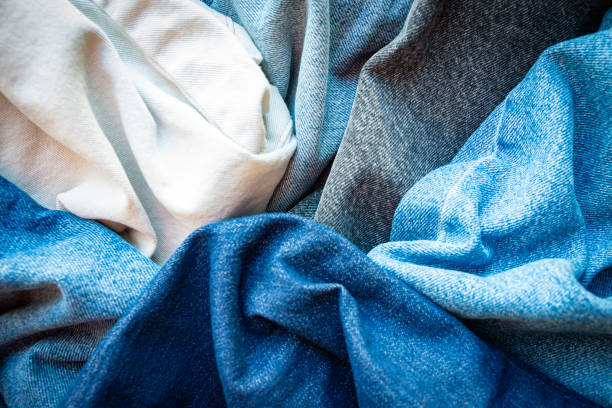
Não se deixe enganar pelo nome da marca. Os verdadeiros impulsionadores dos preços são a física e a química da produção. Aqui está o que você está realmente pagando.
Volatilidade da matéria-prima (Algodão versus. Sintéticos)
As matérias-primas representam 60–70% do total tecido jeans custo. O preço que você paga é frequentemente indexado aos futuros globais do algodão. Enquanto 100% algodão é o padrão, poli-misturas (sintéticos) oferecem uma alternativa de custo mais baixo que pode ajudá-lo a atingir preços agressivos sem sacrificar a durabilidade.
O “Peso” Pena
O preço se correlaciona diretamente com o peso (onças/jarda²). Um peso pesado 14 oz denim requer significativamente mais fio de algodão por jarda do que um leve 10 tecido onça. Se você está com orçamento limitado, considere abandonar 13 oz para 11.5 oz – a diferença visual é mínima, mas as economias de custos são substanciais.
O “Verde” Prêmio & Estratégia de fornecimento
A sustentabilidade tem um custo, mas onde você compra é mais importante do que o que você compra.
- Cenário de Varejo: Varejistas boutique costumam vender jeans orgânicos com certificação GOTS por US$ 18,00 a US$ 22,00/jarda.
- Realidade no atacado: Ao adquirir diretamente de fabricantes eficientes (como Changhong), você pode garantir a mesma qualidade a granel com certificação GOTS por US$ 4,50 a US$ 8,50/jarda.
Comprando por quintal vs.. a libra: Como não ficar sobrecarregado
A regra de ouro: O jeans tecido é vendido por comprimento (Jardas/Metros). Malhas e retalhos são vendidos a peso (Libras/quilos).
A armadilha do varejo vs.. Realidade no atacado
Se você estiver calculando custos com base nos preços que vê on-line, você provavelmente está superestimando seu orçamento.
- Preço de designer/varejo: $15.00 – $21.00 por jarda (inclui grandes marcações para cortar pequenas quantidades).
- Preço direto da fábrica: $1.65 – $2.75 por jarda (taxa industrial básica).
Quando você deve comprar por libra?
Você só deveria estar pagando “por libra” se você estiver comprando:
- Jeans de malha: Que se comporta como tecido de camiseta.
- Lotes de estoque / Estoque morto: Sobras de rolos vendidos por peso para liberar espaço no armazém.
- Produtos Verdes: Inacabado, tecido não tingido direto do tear.
Do tecido ao ponto final: Seu parceiro de jeans completo
Os custos ocultos: 3 Coisas que consomem suas margens
Compradores experientes sabem que o preço mais baixo por jarda nem sempre é igual ao custo mais baixo por peça de roupa. Para evitar a erosão da margem, certifique-se de alinhar com seu fabricante essas três especificações técnicas antes de finalizar um PO.
1. “Cortável” Largura versus. Largura total
Uma armadilha comum é calcular o rendimento com base na largura total do rolo (Por exemplo, 60″).
- A realidade: Devido aos furos da ourela e à tensão da tecelagem das bordas, a largura real da mesa de corte pode ser de apenas 58″.
- O impacto no custo: Uma perda de largura de 2 polegadas pode prejudicar a eficiência do marcador, forçando você a usar 5–10% mais tecido por peça de roupa.
- Ação: Confirme sempre connosco a Largura Cortável Garantida antes de estimar o seu consumo.
2. O fator de encolhimento
O jeans está vivo. Ao contrário dos sintéticos estáveis, jeans de algodão encolhe, impactando significativamente o seu “Compre rendimento.”
- Jeans rígido: Alto encolhimento (10–15%) significa que você deve comprar significativamente mais jardas para obter as medidas finais da peça.
- Esticar/Sanforizado: Menor encolhimento (2–5%), oferecendo melhor previsibilidade de rendimento.
- Ação: Fornecemos relatórios detalhados de encolhimento (urdidura/trama) com cada rolo de amostra para ajudá-lo a calcular as necessidades exatas de compra.
3. Verificação da realidade da eficiência do marcador
Você está cortando uma tiragem em tamanho real ou tamanhos únicos?
- Otimização: Uma corrida em tamanho real (S – XL aninhados juntos) normalmente consegue 85%+ eficiência.
- A lacuna: Se você estimar os custos com base em 100% eficiência, você ficará aquém. Sempre buffer de 3–5% para perda física (nós/fim de rolo) para proteger seu ciclo de produção.
Para onde vai o seu orçamento: Estoquistas vs.. Direto da fábrica
O maior fator que influencia o seu preço unitário não são os futuros do algodão – é para quem você passa o cheque. É importante saber se você está pagando pelo produto ou pelo armazenamento de outra pessoa.
1. O Estoquista (Conveniência de compra)
Armazenistas (ou Jobbers) são fornecedores nacionais que mantêm estoque para que você não precise.
- A etiqueta de preço: $6.00 – $12.00+ por jarda.
- A compensação: Você está pagando uma margem de lucro de 200% a 400% pela velocidade. É como comprar leite em uma loja de conveniência 24 horas em vez de no supermercado. Ótimo para amostragem, mas isso prejudica seus resultados financeiros na produção.
- Melhor para: Amostras, pedidos urgentes, e pequenas coleções de cápsulas.
2. Direto da fábrica (Valor de compra)
Fornecimento direto de um fabricante como Changhong elimina totalmente as taxas de intermediários.
- A etiqueta de preço: $1.65 – $4.50 por jarda.
- A compensação: Você obtém o menor preço possível, mas você precisa planejar com antecedência (prazo de produção) e se comprometa com um pedido de volume (Quantidade mínima).
- Melhor para: Principais ciclos de produção onde a margem de lucro é mais importante.
Vejamos os números: Se você fizer 1,000 pares de Jeans jeans usando um estoquista ($8/jarda), você gasta $12,000 em tecido. Se você for direto da fábrica ($2.50/jarda), você gasta apenas $3,750. Isso é $8,250 em lucro extra apenas mudando de quem você compra.
O fornecimento inteligente começa aqui
Gerenciar os custos do jeans exige mais do que apenas procurar o tecido mais barato. O verdadeiro segredo é encurtar sua cadeia de suprimentos.
- Comprando de um intermediário? Você paga pelo armazenamento e lucro deles.
- Comprando direto? Você paga pelo produto.
Parceria direta com um fabricante de serviço completo como Changhong elimina as marcações. Com mais 20 anos de experiência no setor e uma cadeia de suprimentos verticalmente integrada, oferecemos soluções abrangentes de OEM/ODM adaptadas às suas necessidades específicas de mercado. Se você precisa de desenvolvimento personalizado rápido ou de opções orgânicas sustentáveis, nós fornecemos o preço direto da fábrica ($2-$5/quintal) e consistência que você precisa para escalar.
Pronto para otimizar seus custos de produção? Contate-nos hoje para um orçamento para sua próxima coleção de jeans.
Perguntas frequentes
Quanto custa o tecido jeans?
Em 2026, tecido jeans geralmente custa entre $5 e $20 por jarda para compras no varejo ou em pequenas quantidades.
A qualidade básica começa por aí $5 por jarda, faixa média é de US$ 8 a US$ 15, e jeans premium ou especializado podem exceder $20.
Para fabricação em massa, os preços são mais baixos, normalmente US$ 5 a US$ 8 por jarda da China e US$ 7 a US$ 12 por jarda dos EUA. fontes.
O tecido jeans é considerado caro?
O jeans é geralmente considerado um tecido de preço médio. É mais durável e complexo de produzir do que o algodão básico, mas mais acessível do que os têxteis de luxo.
Embora os preços de varejo padrão sejam de US$ 5 a US$ 20 por jarda, o fornecimento direto da usina para pedidos em grandes quantidades pode ser tão baixo quanto US$ 2,50 a US$ 5,00 por jarda.
Jeans especiais e de grife podem chegar a US$ 50 a US$ 60 por jarda, mas isso representa um pequeno, nicho de alto padrão.
Quanto tecido jeans é necessário para um par de calças?
Um par padrão de jeans adulto requer cerca de 1.5 para 2.0 metros de tecido. Isso pressupõe que o tecido tenha uma largura padrão de 55–60 polegadas.
Se você estiver usando jeans com ourela mais estreita, que muitas vezes está por perto 30 polegadas de largura, a exigência aumenta para cerca de 2.5 jardas.
Como o tecido jeans é cotado por libra?
No atacado ou fábrica, tecido jeans commodity custa aproximadamente US$ 2 a US$ 4 por quilo.
Esta é uma conversão do preço por jarda mais comum, com a maioria dos jeans de 10 a 14 onças em média $3 por libra em pedidos em grandes quantidades.
Qual é o custo típico para 12 onças de jeans por jarda?
Para compras no varejo, um padrão 12 oz tecido jeans normalmente custa entre $15 e $21 por jarda. Este peso é comum para robustos, jeans clássicos.
Quando adquirido a granel diretamente de fábricas como Changhong, o mesmo tecido pode custar significativamente menos, muitas vezes na faixa de $1.40 para $2.75 por jarda.