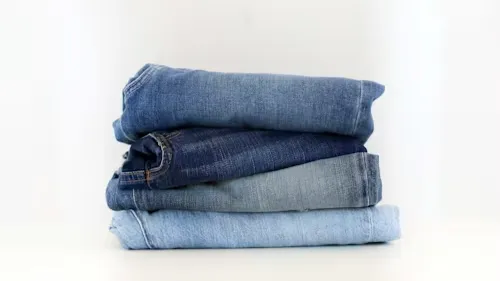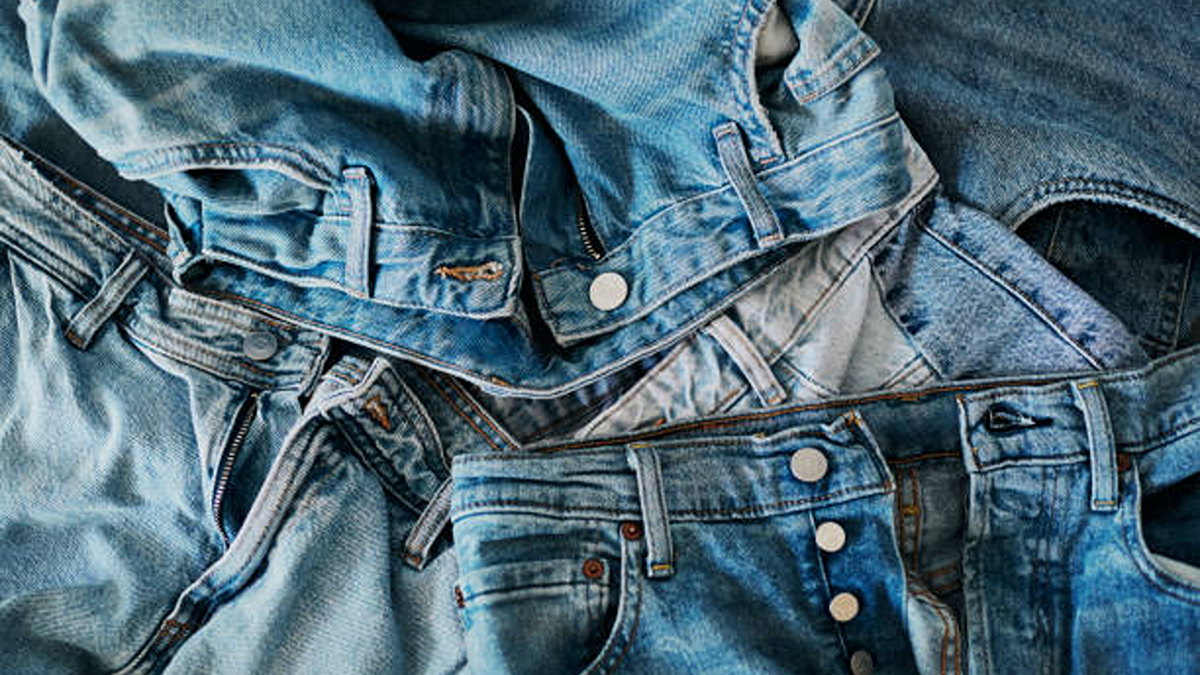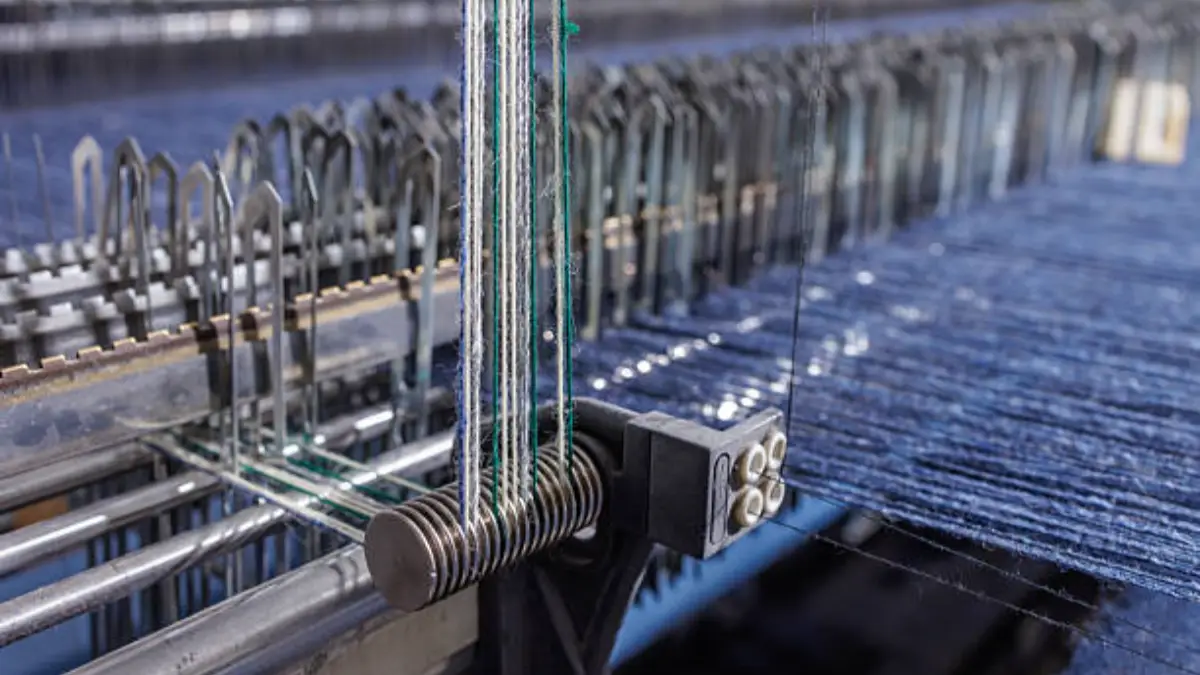
Calculating your custom denim cost requires managing high upfront investments in premium raw materials and complex wash treatments. Without a strict financial breakdown, small-batch minimums and uncontrolled fabric wastage will quickly erode your profit margins.
On average, per-unit manufacturing costs range from $15 이상으로 $100, heavily driven by order production volumes and fabric grade. Raw material allocation remains your largest financial variable, absorbing 50% 에게 70% of the total budget, while specialized wash and finishing treatments add an additional $0.30 에게 $2.50+ per garment. To audit supplier invoices effectively and safeguard sustainable retail markups, brands must implement strict tracking to keep material wastage below 5% before production begins.
맞춤형 청바지의 가격은 어떻게 결정되나요?
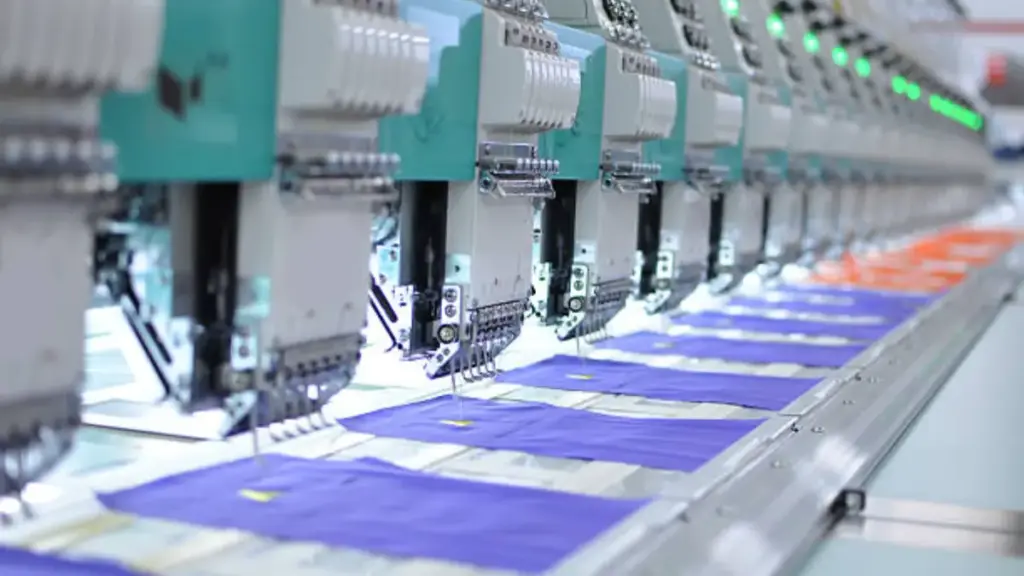
Fabric quality, skilled labor, and production scale dictate custom denim pricing. Moving away from mass production removes assembly-line efficiencies, immediately shifting your financial baseline based on two distinct manufacturing scenarios:
- Bulk Production Runs: For standard, high-volume orders, raw materials absorb 30% 에게 55% of the budget, while labor accounts for 20% 에게 30%. Standard 12-ounce fabrics and predictable grading keep these baseline expenses stable.
- 프리미엄 커스텀 & Small-Batch Runs: 거꾸로, bespoke detailing and low minimums disrupt factory efficiency. Raw materials skyrocket to 50% 에게 70% of total costs when sourcing premium Japanese selvage or eco-friendly textiles, while specialized labor and complex fits add a 20% 에게 30% premium over base design rates.
Beyond materials and assembly, every brand must absorb necessary operational overheads—including logistics, 포장, and facility rent—which claim another 15% 에게 25% of your manufacturing budget. Auditing these specific cost components ensures you secure sustainable retail markups.
Main Cost Components in Denim Manufacturing
Raw materials dictate up to 70% of denim manufacturing costs. Factories must optimize fabric wastage below 5% and control custom variables to protect margins in small-batch production.
| Cost Component | Percentage Impact | Estimated Cost (Per Unit / $40 Base) | Primary Drivers (Based on 1,000 Units) |
|---|---|---|---|
| Raw Materials | 50% – 70% | $20.00 – $28.00 | Premium cotton fibers, indigo dyes, main selvage fabric |
| 노동 | 10% – 15% | $4.00 – $6.00 | Manual pattern cutting, bespoke sewing, specialized dyeing |
| 세탁 & 마무리 손질 | ~20% (본선 인도) | $8.00 | Sustainable stone washes, eco-friendly chemical treatments |
| 트림 & 하드웨어 | ~14% (본선 인도) | $5.60 | High-end YKK zippers, custom branded rivets, metal buttons |
Raw materials heavily dominate the factory floor. While standard production maintains stable financial baselines, custom denim premium orders face a 10% 에게 20% cost increase due to specialized hardware, lower order volumes, and intricate wash treatments.
To prevent suppliers from padding quotes, brands must audit invoices using a precise unit cost formula. Factories calculate your exact per-unit pricing by compounding raw materials, 노동, 세탁, 트림, and operational overheads, then dividing that sum by your total production volume.
In this custom framework, material utilization is the ultimate margin protector. Since the main fabric alone can command up to 60% of your finished garment’s value, smart brands look ahead through 2026 by implementing strict wastage tracking. Aggressively negotiating yardage pricing and keeping fabric waste strictly below 5% remains your most effective defense against variable production pricing.
뿐만 아니라, you can lock in long-term profit margins by bulk-purchasing core supplies—like raw cotton and indigo dyes—early in the design phase, shifting volatile variable expenses into predictable fixed assets.
Scale Your Brand With Premium Custom Denim
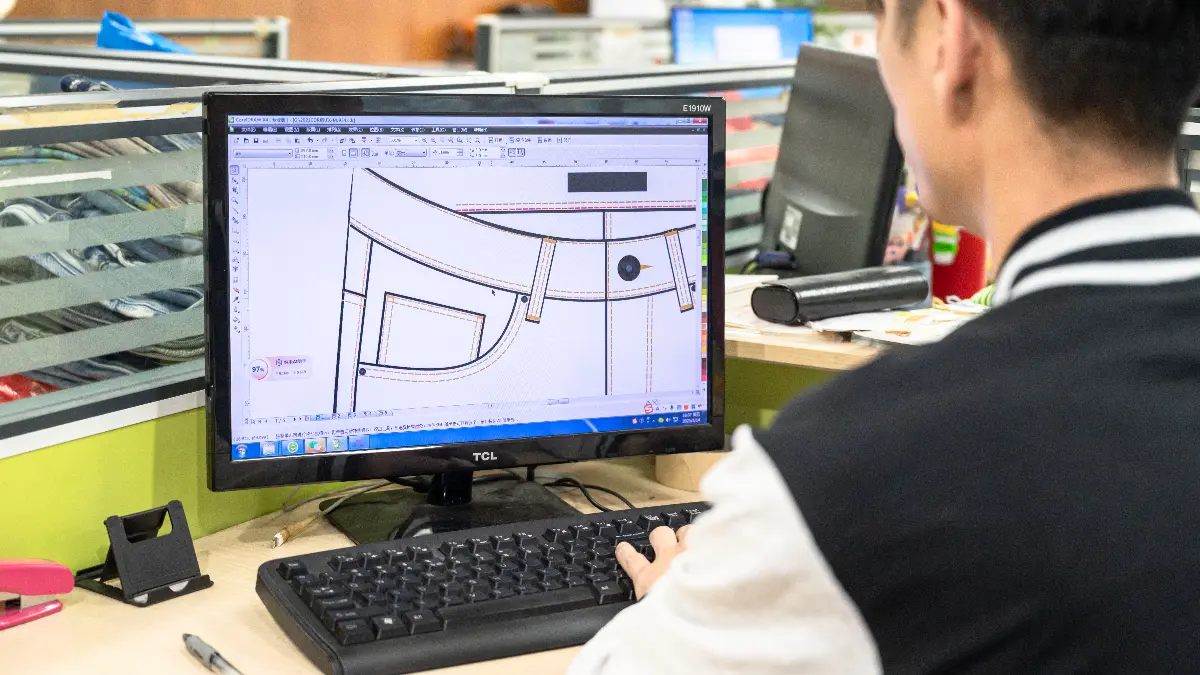
How Customization Affects Your Unit Price
Custom denim requires a higher upfront investment driven by 직물 선택, 복잡한 세척, and small batches. This model eliminates deadstock and delivers superior long-term value.
Fabric Selection and Finishing Costs
Your raw material choice sets the baseline for your manufacturing expenses. You need to match the fabric weight exactly with your intended silhouette. Picking a stiff material for a skinny fit forces complete production restarts, wasting your sample development, bulk deposits, and shipping budgets.
- Fabric and shrinkage: Choosing a standard rigid 12oz cotton establishes predictable pricing, while a 10oz stretch blend increases material costs and heavily alters shrinkage patterns.
- Wash treatments: Adding heavy vintage washes and hand destruction directly adds $4 에게 $7 단위당.
- Defect rates: Complex distressing and aggressive finishing processes increase the risk of garment failure during the production run.
Production Volume and Lifecycle Value
Manufacturing small, made-to-order batches carries higher per-unit costs than traditional retail bulk production. You pay a premium to configure equipment and cut patterns for single clients instead of spreading fixed costs across thousands of identical jeans. The model shifts your primary value away from cheap unit pricing and toward high-conviction purchasing.
- Waste reduction: Tailoring garments to precise individual specifications eliminates overproduction and significantly reduces costly retail returns.
- Extended durability: Premium custom materials deliver an extended lifespan, offering consumers better long-term value over mass-produced alternatives.
- Market trajectory: Consumer demand for personalized fits and durable apparel is pushing the global denim market toward $79.1 10억 단위로 2026.
How Denim MOQ Impacts Unit Price
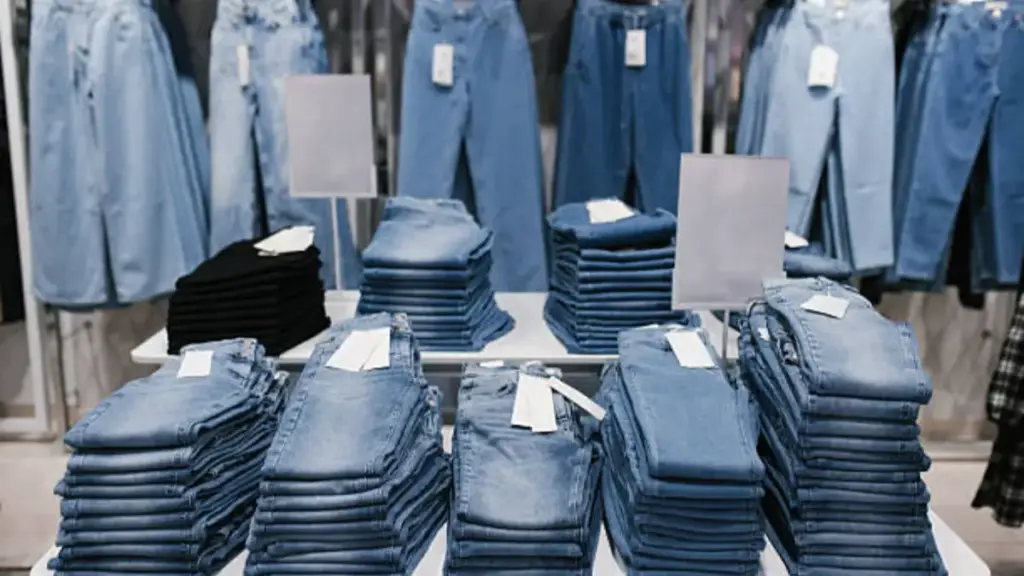
Order volume dictates your bottom line. Scaling up production crushes unit costs and minimizes waste, but forces you to balance bulk savings against expensive denim holding fees.
Economies of Scale and Unit Pricing
Manufacturing custom denim carries steep fixed costs. Equipment calibration, pattern setup, and material handling take the exact same time whether you cut 50 pairs or 5,000. Small production runs force brands to absorb these heavy fixed labor expenses, eating directly into retail profit margins.
Scaling up flips this math in your favor. We see distinct financial advantages trigger as order quantities grow:
- Setup Distribution: Higher production volumes distribute setup fees across more items, dropping the per-item cost drastically.
- Tiered Discounts: Manufacturers reward volume. Tiered bulk discounts reduce unit prices by up to 50 percent as buyers reach larger batch sizes.
- Margin Protection: Spreading fixed expenses across a wider production run protects your pricing competitiveness in the retail market.
Inventory Holding and Operational Efficiency
High-volume orders do more than just lower your unit price. Pushing larger batches through the line improves factory scheduling and minimizes fabric waste during the material cutting processes. Manufacturers dial in their equipment once and run it efficiently without stopping.
But ordering in bulk introduces a distinct logistical challenge. Denim requires ample storage space, making holding fees a key driver in your volume strategy. You pay for warehousing, handling, and the physical footprint of heavy fabric long before the product sells.
Operating in the 2026 apparel market requires production planners to master this specific trade-off. You must constantly balance bulk manufacturing savings against the actual capital tied up in stock rooms to protect your brand’s cash flow.
Sampling and Development Costs
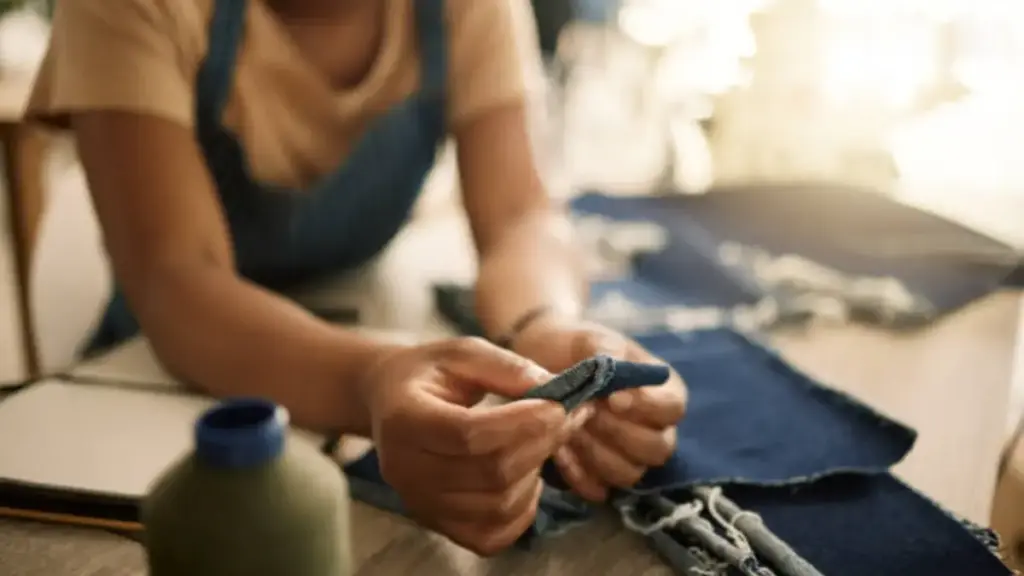
Custom denim sampling requires specialized manual labor and small-batch sourcing, pushing development costs between $500 그리고 $2,500 per style before you move to bulk production.
Breakdown of Key Sampling Expenses
Getting a custom denim fit right takes multiple iterations. Manufacturers rely on senior technicians to handle heavy fabrics and specialized washes, which drives up your initial investment before mass production begins.
- Pattern making and grading: Expect to pay $300 에게 $450 per style to align patterns to size charts and adjust denim-specific fits like rise and leg taper.
- Fabric and trims sourcing: This averages $160 시간당, reflecting the higher price of securing limited yardage for specialized denim weights.
- Sample fabrication: Runs $240 에게 $320 per garment because senior technicians must manually cut and sew rigid or stretch denim.
- Fittings and corrections: 추가하다 $250 에게 $450 per round to review the drape, silhouette, and specific wash tests.
Strategies to Control Development Fees
You can manage these upfront costs by structuring your agreements smartly and locking in your supply chain early in the design phase.
- Negotiate deductions: Manufacturers often refund or deduct sample fees from your bulk production orders once you confirm the final design.
- Opt for packaged fees: Flat rates ranging from $500 에게 $2,500 per style clarify exactly what you get and prevent unexpected charges during multiple sampling rounds.
- Source early: Finding your fabrics during the initial muslin phase aligns 리드타임 and limits costly delays in the final development stage.
- Leverage factory locations: Partnering with specific regional factories yields up to 15% fabric savings through scale while maintaining low minimum order quantities.
Pricing Models in International Trade
Navigating international trade tariffs requires strategic sourcing and cost-sharing models to protect profit margins and capitalize on a growing custom clothing market.
Regional Sourcing Cost Structures
Global trade volatility forces denim brands to rethink where they source and assemble products. Companies actively adjust their regional footprints to navigate import duties and production delays.
- USMCA Exemptions: USMCA rules allow Mexico and Canada to offer tariff exemptions for North American-sourced materials. This helps custom denim brands near-shore operations and easily integrate local cotton.
- Turkish and EU Sourcing: Brands shifting production to Turkey and the EU leverage 10% tariff rates to offset Asian supply chain bottlenecks. Full-package Turkish facilities also cut lead times for custom runs.
- Tariff Engineering: Companies use tariff engineering to adjust material origins and assembly steps. This tactic lowers import duties while maintaining product quality across global networks.
Strategic Cost-Sharing Partnerships
High-value custom denim requires pricing models that protect both the supplier and the brand. Buyers and manufacturers rely on transparent cost-sharing agreements to distribute tariff burdens evenly. This shared responsibility keeps retail prices balanced and prevents sudden price shocks for end consumers.
Adopting recycled fibers introduces financial risk, often driving material costs up by 20% 에게 30%. Sustainability-linked pricing models spread this risk across the supply chain to keep profit margins viable. Consumers accept these premiums and continue to buy at higher price points. Industry projections show the custom clothing market climbing to $117.63 10억 단위로 2034, proving buyers maintain strong tolerance for premium prices despite ongoing trade volatility.
How to Reduce Cost Witout Sacrificing Quality
Strategic sourcing and digital production tools allow fashion brands to cut manufacturing expenses by up to 30% while maintaining premium durability and fit.
Sourcing Strategies & Material Optimization
Because raw materials consume up to 60% of total denim production costs, mastering procurement directly safeguards your profit margins. Brands can optimize these inputs through three strategic pillars:
- Bulk Consolidation: Consolidate orders to secure steep volume discounts from textile mills.
- Regional Networks: Leverage near-shore or domestic suppliers to eliminate heavy customs fees and transit delays.
- Alternative Textiles: Substitute traditional heavyweights with sustainable, cost-effective options like recycled denim or TENCEL™.
Digital Technologies & 생산 효율성
Modern factories deploy advanced production technologies to strip operational waste from the manufacturing workflow, accelerating your speed-to-market:
- Virtual Prototyping: Implement 3D software like CLO 3D to build virtual samples, eliminating multiple costly rounds of physical fabrication.
- Automated Finishing: Utilize computer-aided cutting and laser distressing to minimize energy, 물, and chemical consumption.
Transitioning to automated cutting sequences increases overall fabric yield to 85%, ensuring you pay for less wasted textile while guaranteeing perfectly consistent garment quality.
최종 생각
Chasing cheap unit prices in custom denim leads directly to high defect rates and unsellable inventory. Scaling a profitable apparel brand requires you to master the balance between premium raw materials, precise wash treatments, and strategic order volumes. This calculated upfront investment is your strongest defense against margin erosion and unpredictable global supply chains.
Don’t guess on production quality or leave your retail margins to chance. We recommend initiating a pilot run to test fabric drape, 수축, and wash aesthetics before committing your capital to bulk manufacturing. 우리 팀에 문의하세요 to audit your tech packs and map out a profitable scaling roadmap.
자주 묻는 질문
How much do custom jeans cost to manufacture?
Custom jeans cost $15 에게 $100+ per unit depending on volume, location, and fabric. Scaling to 1,000+ units drops prices to $15–$25, while domestic U.S./EU small batches run $20–$35 due to setup fees.
Why is raw denim more expensive than standard denim?
Raw denim uses premium, heavier untreated cotton woven slowly on vintage shuttle looms. Skipping commercial washing preserves fabric strength and natural oils, delivering an incredibly durable garment that molds uniquely to the wearer over time.
What is the average cost of a denim wash treatment?
Commercial wash treatments cost $0.30 에게 $0.50 for basic rinses and $0.60 에게 $1.00 for standard enzyme or stone washes. 프리미엄, labor-intensive custom finishes like laser whiskering or hand distress can exceed $2.50+ 단위당.
How can I reduce the per-unit cost of custom jeans?
Increase your order volume (MOQ) to dilute setup fees, simplify design complexities, and stick to standard washes. You can also optimize marker layouts with your factory to keep material wastage strictly below 5%.
Do manufacturers charge for tech pack development?
예, manufacturers and agencies charge $300 에게 $600 per style for tech pack development. Highly engineered custom fits can exceed $1,000. You can lower these costs by providing detailed mock-ups or using standardized design templates.
What are the payment terms for bulk denim orders?
The standard international industry term is a 50/50 split: 에이 50% upfront deposit to secure raw materials and a 50% balance paid via Telegraphic Transfer (T/T) before the final shipment leaves the factory.