Denim brands often face costly production problems when a factory fails to maintain consistent quality, meet delivery timelines, or support customization needs during bulk manufacturing. A detailed denim factory audit checklist helps buyers evaluate supplier capability, production control, and reliability before placing large orders or building long-term partnerships.
Brands can use these audit criteria to identify potential risks, compare denim manufacturers more effectively, and find suppliers that can deliver stable quality, flexible customization, and reliable production support throughout the manufacturing process.
Why Denim Factory Audits Matter Before Bulk Production
A denim factory audit helps clothing brands reduce production risks before placing large orders by verifying whether a supplier can meet quality, delivery, and customization expectations.
Bulk denim production involves many interconnected processes, and problems that appear during manufacturing can be difficult and expensive to fix later. A factory may provide an approved sample, but large-scale production requires stronger control over materials, workmanship, production planning, and finishing consistency.
For denim products, small differences in fabric behavior, sewing accuracy, آثار الغسيل, or finishing techniques can significantly change the final appearance. Without a proper evaluation before production, brands may face issues such as inconsistent sizing, unexpected color variations, delayed shipments, or products that fail to match the approved sample.
A factory audit gives buyers confidence that a supplier has the necessary manufacturing foundation to handle long-term cooperation. It helps brands make better decisions before investing in bulk orders and reduces the risk of working with a denim supplier that cannot support their production requirements.
Denim Factory Capability Checklist for Brand Buyers
Brands need to confirm that a denim supplier has the production foundation, technical experience, and management ability required for stable bulk manufacturing.
Production Capacity and Order Management Ability
Production capacity directly affects whether a denim factory can complete orders on schedule while maintaining consistent quality. A supplier may produce excellent denim products, but limited resources or poor production planning can create delays during large-scale manufacturing.
When evaluating a factory’s capacity, brands should pay attention to key areas related to order execution and delivery reliability.
| Audit Area | What Brands Should Check |
|---|---|
| Production Capacity | Monthly output, available production lines, current workload, and ability to handle bulk denim orders. |
| Order Management | Production planning, order tracking system, communication process, and problem-solving ability. |
| Lead Time Control | Sample development timeline, bulk production schedule, and delivery management. |
| مرونة موك | Minimum order quantity requirements and support for different production volumes. |
A reliable denim manufacturer should have a clear production workflow covering material preparation, قطع, خياطة, غسل, تقتيش, and shipment. For brands launching seasonal collections, flexible production planning is also important because order quantities and product requirements may change over time.
Denim Product Experience and Manufacturing Expertise
Denim production requires specialized experience that differs from general garment manufacturing. Experienced denim manufacturers understand fabric behavior, طرق البناء, and the technical requirements needed to produce consistent denim apparel.
During an audit, brands should review whether the supplier has experience with similar products, مشتمل جينز, سترات الدنيم, تنانير الدنيم, and other denim categories. A factory with relevant experience can provide better development support and reduce potential production issues during bulk manufacturing.
Factory Workforce and Production Organization
A skilled workforce plays an important role in maintaining denim production quality. Even with advanced equipment, experienced operators are needed to achieve accurate sewing, proper assembly, and consistent finishing results.
Brands should check whether the factory has clear department organization, including teams responsible for cutting, خياطة, غسل, quality inspection, والتعبئة والتغليف. Strong production coordination helps reduce mistakes and ensures smoother execution for repeat orders.
Partner With a Reliable Denim Factory for Your Next Collection
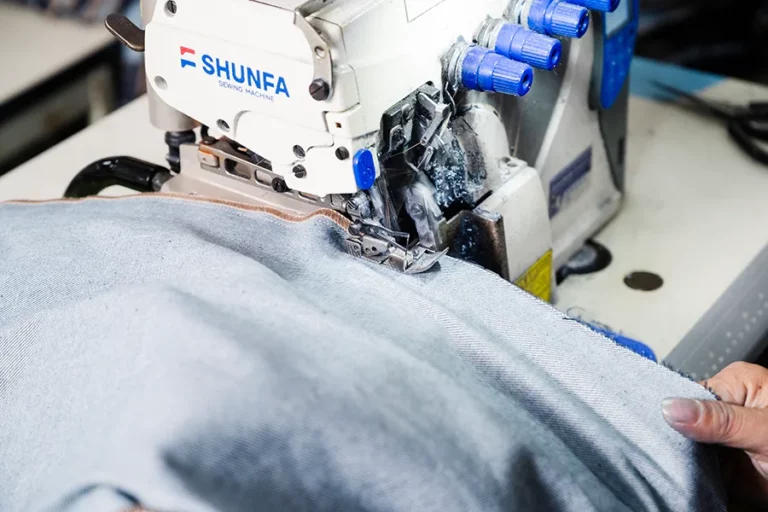
Quality Control Checklist During Denim Manufacturing
Consistent quality is essential for brands placing bulk denim orders, as small production differences can affect product appearance, ملائم, ورضا العملاء.
A reliable denim supplier should control quality throughout the عملية التصنيع instead of relying only on final inspection. From material preparation to finished garments, each stage requires clear standards to maintain product consistency.
Fabric Inspection and Material Control
Fabric quality directly influences the durability, راحة, and appearance of denim products. Before production begins, a factory should inspect incoming قماش الدنيم to ensure that materials match the approved specifications.
For brands developing custom denim collections, material control becomes especially important because fabric differences can affect sewing performance, washing results, and final garment appearance.
Key areas to review include:
- Fabric Weight and Thickness: Confirm that the material matches the approved product requirements.
- اتساق اللون: Check whether different fabric batches maintain a similar shade.
- Stretch and Shrinkage Control: Evaluate fabric performance to avoid size changes after production.
- Fabric Defects: Identify weaving problems or surface issues before cutting begins.
A factory with strong material management can better maintain the quality of high quality denim fabric and reduce production problems during later stages.
Size Measurement Inspection and Tolerance Control
Accurate measurements are critical for denim brands because even small size differences can affect customer experience and increase return rates.
A professional manufacturer should follow approved measurement specifications and check key dimensions throughout production, including waist, خاصرة, inseam, يعلو, and leg opening measurements.
| Inspection Stage | غاية |
|---|---|
| Pre-production Sample Check | Confirm approved measurements and specifications before bulk production. |
| Cutting Inspection | Ensure pattern accuracy and prevent measurement issues during assembly. |
| فحص الخياطة | Check whether finished parts maintain correct dimensions and construction standards. |
| Final Measurement Check | Verify finished garment size before shipment. |
Proper tolerance control helps ensure that each production batch remains consistent with the approved sample.
خياطة, Washing and Finishing Quality Checks
Denim garments require careful control during sewing and finishing because these processes directly influence product durability and visual appearance.
Brands should check whether the factory maintains consistent standards for:
- Sewing Quality: Proper stitch density, قوة التماس, pocket attachment, and hardware installation.
- Finishing Details: Clean construction, accurate details, and consistent appearance across production batches.
- Washing Results: Stable color effects and finishing results that match the approved sample.
For denim products, washing consistency is especially important because the same design can look different if the process changes between batches. Experienced manufacturers should have clear procedures to control color fading, انكماش, and finishing effects.
Final Inspection and Defect Management Process
Final inspection helps confirm that finished products meet agreed quality requirements before shipment. لكن, a strong quality system should not only identify defects but also prevent repeated issues.
Brands should confirm that the supplier has:
- Final Product Inspection: A complete checking process before shipment approval.
- Defect Classification: Clear standards for identifying and managing quality problems.
- Repair and Improvement Process: Procedures for correcting issues and preventing future mistakes.
- AQL Inspection System: A recognized method for evaluating acceptable defect levels.
A professional denim manufacturer should treat quality control as an ongoing improvement process. This approach helps brands maintain consistent product standards across bulk orders and future collections.
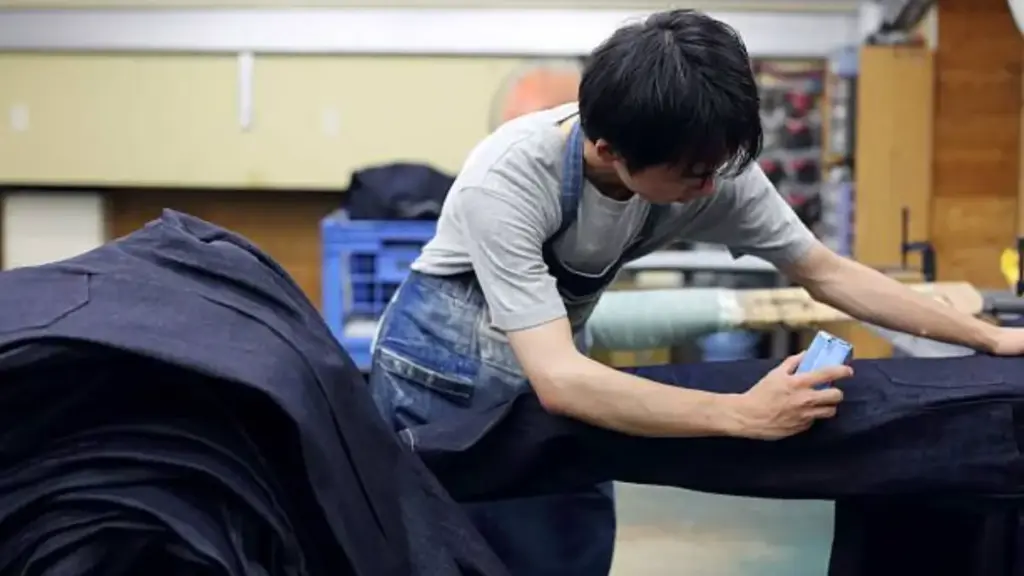
Equipment and Technology Evaluation for Denim Production
A denim factory’s equipment and technical capabilities determine its ability to handle complex designs, maintain production efficiency, and support consistent manufacturing for bulk orders.
Denim Washing Equipment and Finishing Technology
Denim washing plays an important role in creating the final appearance, نَسِيج, and style of denim products. For brands developing custom collections, a manufacturer’s washing capability directly affects design possibilities and production consistency.
A capable denim manufacturer should have suitable washing and finishing resources, مشتمل:
- Washing Capacity: Check whether the factory has enough washing equipment to support expected production volumes.
- Finishing Technology: Evaluate capabilities such as laser finishing, غسل الأوزون, and other modern denim finishing methods.
- Manual Finishing Skills: Confirm whether experienced workers can handle detailed effects such as vintage looks or distressed styles.
Advanced denim washing technology allows factories to create different product effects while maintaining better control over production timelines. A supplier with in-house washing capability can also reduce communication delays and improve coordination between production and finishing stages.
Production Equipment and Automation Level
Besides washing technology, general production equipment affects manufacturing efficiency and customization ability. Modern equipment helps factories improve accuracy, reduce manual errors, and manage larger production volumes.
During an audit, brands should review whether the factory has suitable equipment for key production processes, مشتمل:
- Cutting Equipment: Supports accurate pattern cutting and reduces material waste.
- Sewing Equipment: Ensures stable construction quality across bulk orders.
- Specialized Machines: Includes automatic pocket machines, embroidery equipment, and other tools for customized denim products.
- Inspection and Packaging Systems: Improve production control before shipment.
Automation can improve efficiency, but it works best when combined with skilled operators and experienced production management. A well-equipped denim factory should balance technology with craftsmanship to support both large-scale orders and customized denim development.
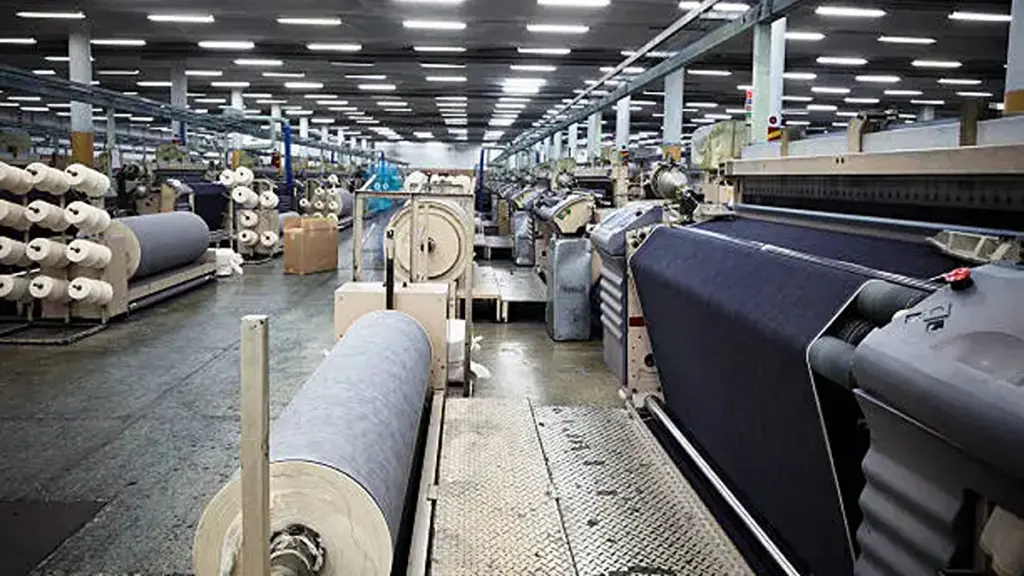
Compliance and Sustainability Checks for Denim Suppliers
Brands need to verify that a denim supplier follows responsible manufacturing practices, as compliance and sustainability can directly affect supply chain stability, سمعة العلامة التجارية, and long-term cooperation.
Factory Certifications and Social Compliance
A reliable denim manufacturer should maintain clear standards for workplace safety, labor practices, and production management. For international clothing brands, factory certifications provide additional confidence that suppliers follow recognized requirements for quality, أمان, and responsible manufacturing.
During a factory audit, brands should review whether the supplier has proper compliance systems, including worker safety management, labor policies, production standards, and previous audit records. These factors help buyers understand whether a factory can meet the requirements of different markets and brand customers.
Common certifications and standards in the apparel and denim industry include:
- معيار OEKO-TEX® 100: Verifies that textile products are tested for harmful substances and meet safety requirements for human use.
- GOTS (المعيار العالمي للنسيج العضوي): Covers organic textile production while including environmental and social responsibility requirements.
- GRS (المعيار العالمي المعاد تدويره): Supports the verification of recycled materials and responsible production processes.
- ايزو 9001 Quality Management System: Demonstrates structured quality management and continuous improvement processes.
- طَوّق (Worldwide Responsible Accredited Production): Focuses on ethical manufacturing, workplace safety, and labor compliance.
Not every market requires the same certifications, but a supplier familiar with international standards can help brands reduce sourcing risks and improve cooperation efficiency.
Environmental Practices in Denim Manufacturing
Sustainability has become an important factor in modern denim manufacturing because washing and finishing processes often require significant amounts of water, طاقة, and chemical resources.
When evaluating denim suppliers, brands should understand how factories manage environmental impact throughout production. Responsible manufacturers usually focus on areas such as water usage, wastewater treatment, chemical control, and energy efficiency.
Important sustainability practices include:
- Water Management: Using water-saving washing methods and effective wastewater treatment systems to reduce resource consumption.
- Chemical Management: Controlling chemical usage and selecting safer alternatives when possible.
- Energy Efficiency: Improving production efficiency through optimized equipment and manufacturing processes.
- Material Responsibility: Exploring recycled fabrics and more sustainable denim solutions.
Sustainable manufacturing practices help brands build more responsible supply chains while meeting changing market expectations. A denim factory that invests in environmental improvements can provide stronger long-term value for global clothing brands.
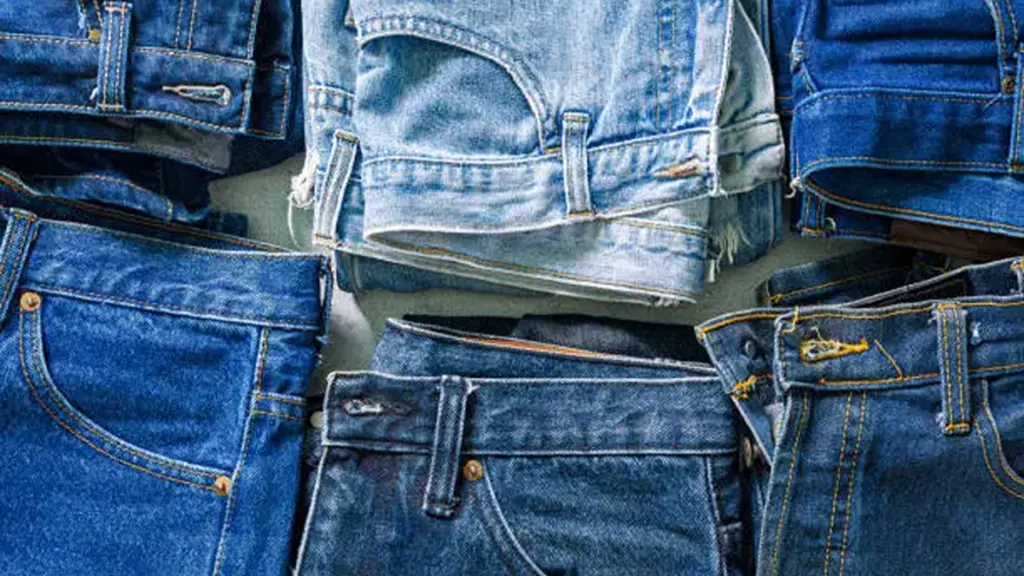
Factory Visit Checklist and Questions for Denim Buyers
A factory visit helps brands verify supplier capabilities through direct observation. It allows buyers to evaluate production conditions, communication efficiency, and whether the factory can support long-term denim manufacturing needs.
Before visiting a supplier, brands should prepare practical questions that reveal the factory’s experience, production ability, and cooperation approach.
During the visit, buyers can ask:
- Factory Experience
- How many years have you specialized in denim production?
- What denim products do you produce most frequently?
- Production Capability
- What is your monthly production capacity?
- Can you support bulk orders, repeat orders, and different production volumes?
- Customization Support
- Can you develop custom denim designs and تسمية خاصة مجموعات?
- What product development services can you provide before bulk production?
- Quality Management
- How do you control quality throughout the manufacturing process?
- How do you handle defects, rework, or production issues?
- Technical Capability
- What denim washing and finishing techniques can you provide?
- Do you have in-house washing and finishing capabilities?
- Compliance Standards
- What certifications and compliance standards does the factory follow?
- Can you provide relevant audit records or documentation?
Besides asking questions, brands should also observe the factory environment. Production areas should be organized, workflows should be clear, and employees should follow structured manufacturing procedures.
A reliable denim supplier should be open about its capabilities, production processes, and limitations. Transparent communication during a factory visit helps brands identify suitable partners and reduce risks before starting bulk production.
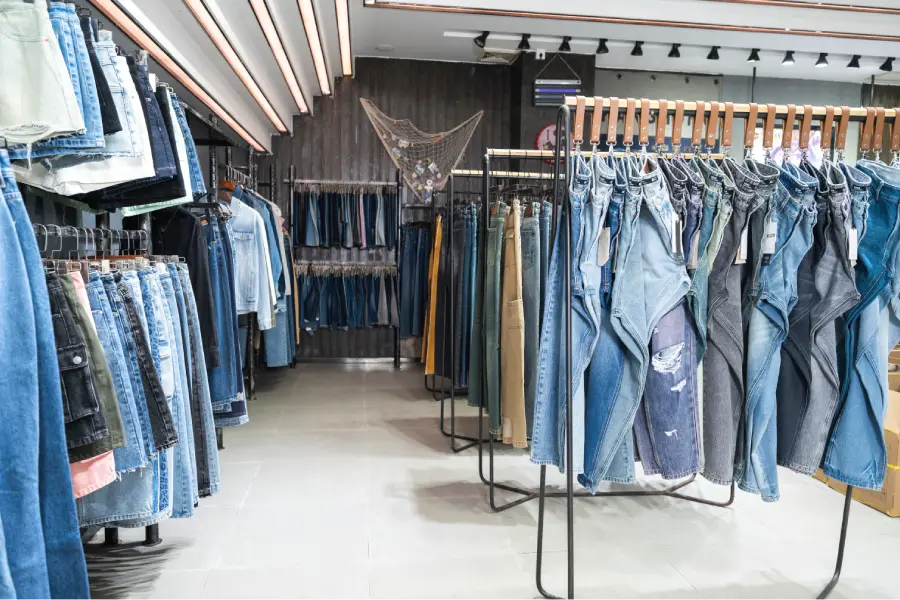
How to Select a Reliable Denim Factory Partner
Building a partnership with a denim factory requires a structured evaluation process instead of comparing suppliers only by price. Brands should review factory capability, production reliability, and long-term cooperation potential before making a final decision.
A practical approach is to evaluate suppliers through several steps:
- Review Manufacturing Experience: Check whether the factory has experience producing similar denim products, working with international brands, and handling your required order volume.
- Evaluate Production Capability: Compare production capacity, الفترات الزمنية, معدات, and workflow organization to confirm whether the supplier can support your future growth.
- Verify Quality Control Systems: Review inspection procedures, defect management methods, and sample approval processes to ensure consistent bulk production.
- Assess Customization Ability: Confirm whether the factory can support product development, custom designs, private labels, and different denim finishes.
- Check Communication and Cooperation Style: Pay attention to response speed, problem-solving ability, and transparency during the evaluation process.
- Consider Long-Term Value: Choose a supplier that can provide stable quality, تسليم موثوق, and continuous improvement instead of focusing only on the lowest production cost.
A detailed factory audit helps brands compare potential partners objectively and reduce production risks. The best denim factory partner is not always the cheapest option but the supplier that can consistently support product quality, brand development, and long-term business growth.
If you are evaluating suppliers, you may also find our article on كيفية العثور على شركة مصنعة موثوقة للجينز المخصص في الصين useful.
الأفكار النهائية
Reliable denim partnerships depend on consistent quality, اتصال واضح, and strong manufacturing capability. A complete denim factory audit checklist helps clothing brands evaluate suppliers more effectively, reduce production risks, and build long-term cooperation with trusted manufacturers.
As an experienced custom denim manufacturer, تشانغهونغ الجينز supports global brands with OEM and customization solutions, covering denim development, إنتاج, غسل, التشطيب, and delivery. Contact Changhong Jeans to discuss your next denim collection with a reliable manufacturing partner.
الأسئلة المتداولة
What should brands check during a denim factory audit?
Brands should evaluate a denim factory’s production capacity, manufacturing experience, quality control system, معدات, معايير الامتثال, and customization ability. A complete audit should also review fabric control, washing capabilities, measurement accuracy, and final inspection procedures to confirm whether the supplier can handle bulk denim production with stable quality and reliable delivery.
How can brands evaluate if a denim manufacturer has enough production capacity?
Brands can review monthly production output, available production lines, current workload, الفترات الزمنية, and the factory’s ability to manage repeat orders. A reliable denim manufacturer should have organized production planning and clear workflows from material preparation to cutting, خياطة, غسل, تقتيش, and shipment.
What certifications should a denim supplier have for international clothing brands?
Certification requirements depend on the target market and brand standards. Common certifications and standards in denim manufacturing include OEKO-TEX® Standard 100, GOTS, GRS, ايزو 9001, and WRAP. These certifications help brands evaluate product safety, quality management, responsible production practices, and sustainability performance.
How can brands choose a reliable denim factory for long-term cooperation?
Brands should compare suppliers based on overall capability rather than production cost alone. Important factors include denim manufacturing experience, quality consistency, communication ability, customization support, delivery reliability, and responsible production practices. A detailed factory audit helps brands identify suppliers that can support future collections and long-term business growth.

بالإجماع
المدير العام
أنا إيناس, المدير العام لشركة قوانغتشو تشانغهونغ للملابس., المحدودة. مع أكثر 26 سنوات في صناعة الدنيم, لقد قمت ببناء الخبرة عبر تطوير النسيج, تصميم, تصنيع, والمبيعات الدولية. اليوم, نحن نعمل مع ثلاثة مصانع محترفة 19 خطوط الإنتاج و 500 الموظفين المهرة, خدمة ماركات الأزياء العالمية مثل Fashion Nova, ميسي, أوستن, وجينز اليوغا. و changong, نحن ملتزمون بتقديم ملابس الدنيم عالية الجودة التي تجمع بين رؤية الموضة والحرفية.
لنقم بإنشاء مجموعة الدنيم التالية الأكثر مبيعًا, اتصل بي على Info@changhongjeans.com.