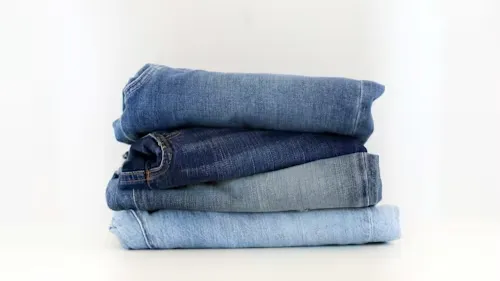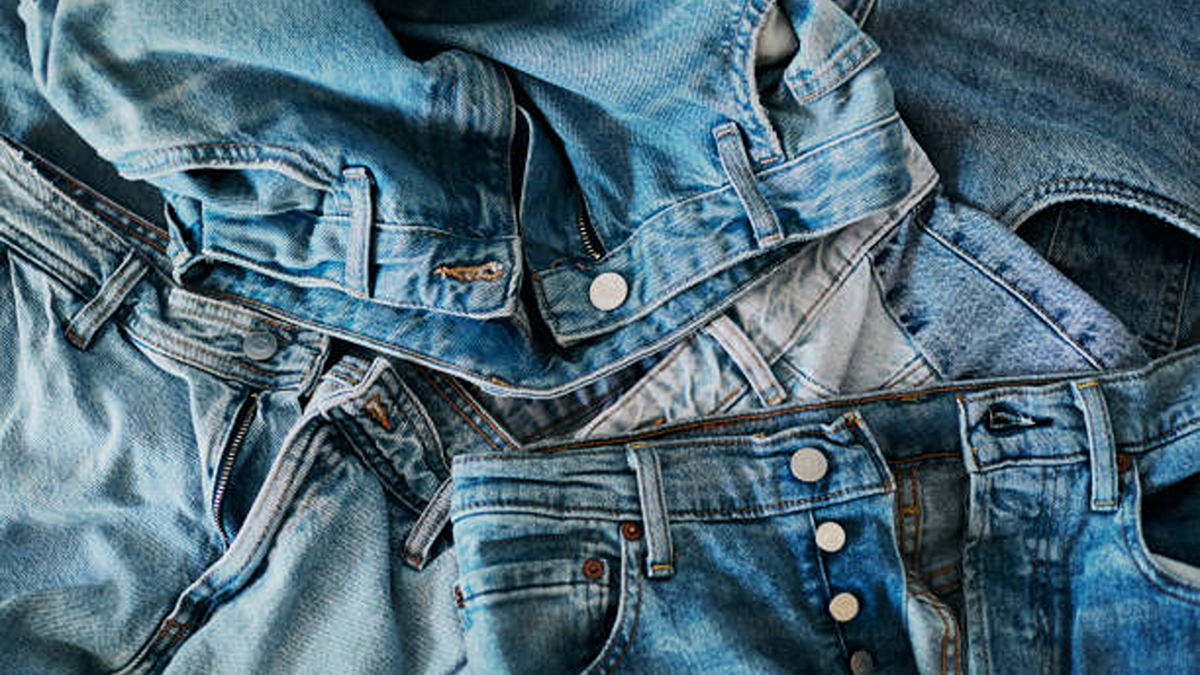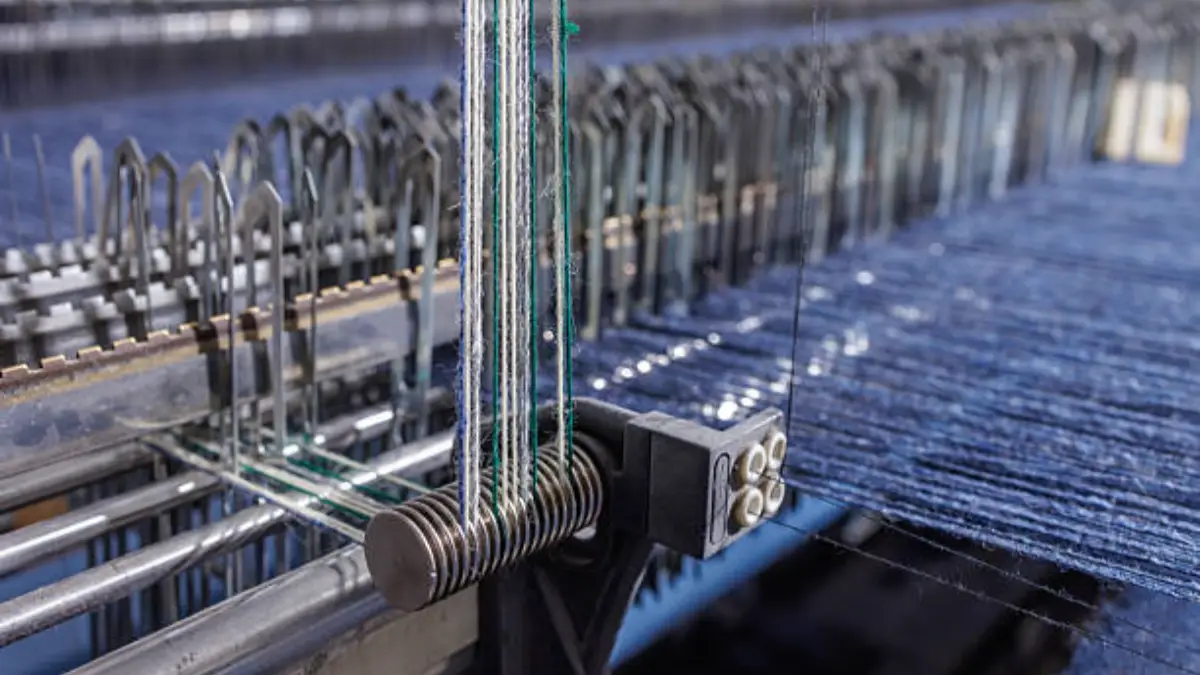
Denim fabric weight affects production costs, garment structure, and wearing comfort. Lightweight denim offers breathability, المرونة, and ease of movement, while heavyweight denim provides greater structure and a more substantial feel. For denim brands and apparel buyers, these differences influence fabric specifications and product development.
This guide explains how denim weight affects garment performance, compares the advantages of lightweight and heavyweight denim, and helps brands match fabric weight to their product types, target markets, and seasonal requirements.
Quick Comparison Chart: Lightweight vs Heavyweight Denim Fabric
Lightweight denim prioritizes comfort, التهوية, and drape. Heavyweight denim prioritizes structure, متانة, and longevity. The choice depends entirely on the garment’s end-use and target climate.
| يصف | الدنيم خفيف الوزن | الدنيم ثقيل الوزن |
|---|---|---|
| الوزن النموذجي | Under 12 أوقية/ياردة², commonly 4–10 oz | 16 oz/yd² and above, commonly 14–22 oz |
| يشعر | أكثر ليونة, أكثر مرونة, and easier to move in | Stiffer, more rigid, and structured |
| التهوية | عالي; better for warm weather | قليل; warmer and better for cool conditions |
| Drape | Fluid drape, creating a softer silhouette | Holds its shape strongly, creating a structured silhouette |
| Break-in Time | Very short; comfortable almost immediately | Long; requires significant wear to soften |
| متانة | أدنى; more prone to tears and abrasion | أعلى; built for rugged use and long-term wear |
| Best Garment Types | Shirts, الجينز الصيف, فساتين, التنانير, بطانات | Traditional jeans, السترات, ملابس العمل, bags |
| Fade Behavior | أكثر ليونة, more diffuse fades | Stronger, high-contrast fades with extended use |
الدنيم خفيف الوزن: For Comfort and Movement
الدنيم خفيف الوزن, typically under 12 أوز, is engineered for comfort. It’s softer, أكثر مرونة, and breathes well, making it the go-to choice for spring/summer collections or garments sold in warm climates. The fabric drapes easily, which is ideal for creating fluid silhouettes in shirts, فساتين, and relaxed-fit trousers. Because it requires little to no break-in time, it’s perfect for products where immediate wearability is a key selling point. The trade-off is lower abrasion resistance compared to its heavier counterparts.
الدنيم ثقيل الوزن: For Structure and Longevity
Clocking in at 16 oz or more, heavyweight denim is all about durability and structure. It’s a thick, dense, and rigid fabric that holds its shape, creating crisp, defined silhouettes in jackets and traditional jeans. Its main advantage is a long service life, with high resistance to abrasion and wear. This makes it the standard for workwear and heritage denim lines. The downside is a significant break-in period required to soften the fabric, and its lower breathability makes it less suitable for hot weather.
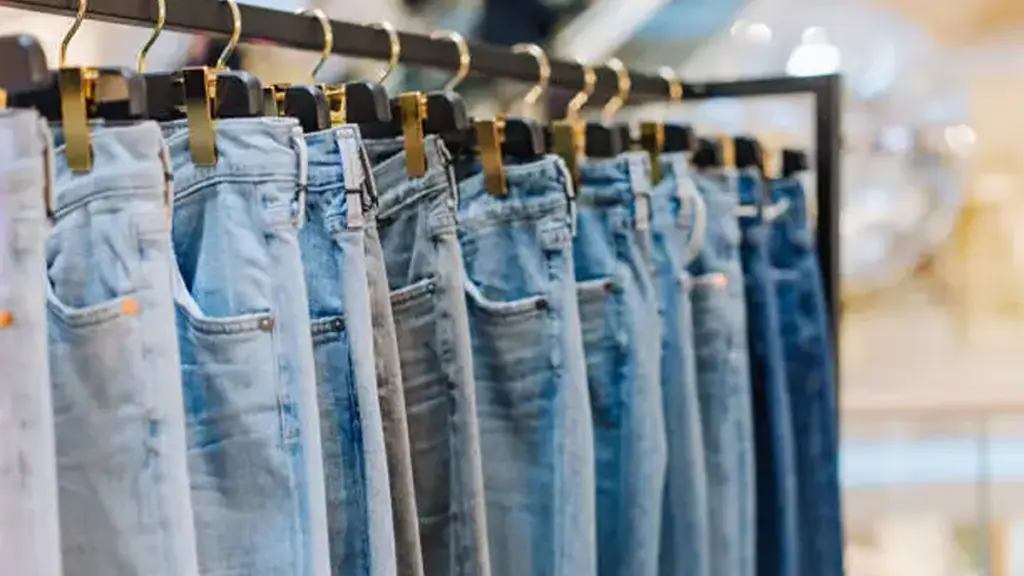
Denim Weight Guide: Understanding Ounce and Fabric Thickness
Denim weight, measured in ounces, is the industry’s proxy for a fabric’s density and thickness. Higher ounces mean a heavier, more rigid feel; lower ounces mean a lighter, softer fabric.
Defining Denim Weight in Ounces
في صناعة الدنيم, fabric weight is measured in ounces per square yard (أوقية/ياردة²). When a spec sheet says you’re getting “10 oz denim,” it means one square yard of that specific fabric weighs 10 ounces. It’s a straightforward measure of mass per area.
This metric is the standard language between brands and mills. While you might also see weight listed in grams per square meter (جي إس إم), ounces are the traditional unit. The quick conversion is roughly 1 oz/yd² to 33.9 جي إس إم, which is useful when comparing specs from different suppliers.
How Ounce Relates to Thickness and Feel
Ounce weight is a direct proxy for thickness, كثافة, and how the fabric feels in your hand. While weight and thickness aren’t identical properties, they are strongly correlated. A higher ounce rating almost always means a thicker, more substantial fabric.
Higher-ounce denim (يحب 14 oz and up) gets its weight from using more cotton mass in the same area. This is achieved with coarser yarns or a tighter, denser weave. The result is a stiffer, more rigid fabric that feels rugged and holds its shape. This is the stuff of traditional workwear and heritage jeans.
Lower-ounce denim (anything under 12 أوز, especially in the 6-10 oz range) uses less cotton mass. Mills achieve this with finer yarns or a slightly looser construction. This produces a thinner, more pliable fabric. The feel is softer, أكثر مرونة, and it drapes more easily, making it ideal for shirts, الجينز الصيف, and garments where comfort is the priority.
Find the Right Denim Weight for Your Collection
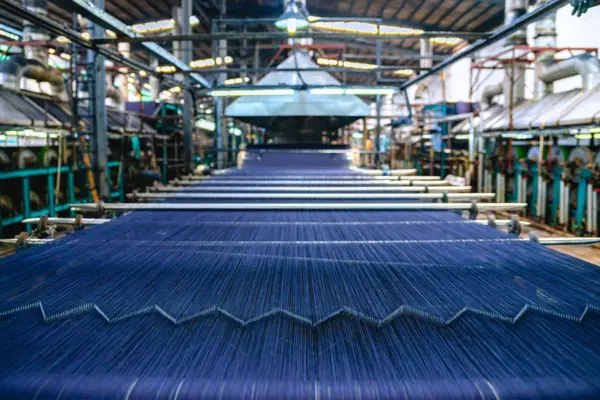
Lightweight vs Heavyweight Denim Fabric Differences Explained
Lightweight denim prioritizes comfort, التهوية, and drape. Heavyweight denim prioritizes durability, بناء, and longevity. The right choice depends entirely on the garment’s purpose and target market.
Core Differences in Fabric Properties
The entire conversation starts with weight, تقاس بالأوقية لكل ياردة مربعة (أوقية/ياردة²). Lightweight denim typically falls under 12 أوز, while heavyweight is usually 16 oz and up. This single metric dictates the fabric’s feel, أداء, and behavior.
A lighter fabric is made with finer yarns or a less dense weave, and a heavier one is packed with more cotton mass. This creates a clear trade-off between comfort and toughness.
- Feel and Flexibility: Lightweight denim is softer and more pliable right off the roll. Heavyweight fabric feels stiff and rigid, demanding a significant break-in period to conform to the wearer’s body.
- المتانة والقوة: The dense construction of heavyweight denim gives it far greater abrasion resistance. It’s built for rugged use. Lightweight denim is inherently less durable and will show wear much sooner in high-friction areas.
- Breathability and Warmth: With less mass, lightweight denim allows for better air circulation, making it cooler and more comfortable in the heat. Heavyweight denim traps air, providing more insulation and making it a better choice for cold weather.
- Drape and Structure: Lightweight denim has a fluid drape that creates soft, flowing silhouettes. Heavyweight denim provides rigid structure, holding its shape for crisp, architectural lines.
Practical Impact on Garment Use and Design
These physical properties directly determine what you can and should make with each fabric. You can’t just swap one for the other without completely changing the final product’s function and appeal.
- الدنيم خفيف الوزن (تحت 12 أوز): The best choice for garments where comfort and movement are critical. Think shirts, summer-weight jeans, فساتين, التنانير, and linings. It’s the material for spring/summer collections and hot climates.
- الدنيم ثقيل الوزن (16+ أوز): This is the workhorse. It’s the standard for traditional workwear, heritage-style raw الجينز, and durable السترات. Its structure and toughness are its key selling points, making it ideal for fall/winter lines.
The weight also has a huge impact on design and production. Lightweight denim is easier on sewing machines and allows for more complex patterns with details like pleats or gathers. Heavyweight fabric is a battle to sew, requiring industrial needles, heavy-duty thread, and careful pattern making to manage extreme bulk at the seams.
Even the aging process is different. The raw denim community prizes heavyweight fabrics for their ability to produce sharp, high-contrast fades over time. Lightweight denim tends to produce softer, more diffuse wear patterns.
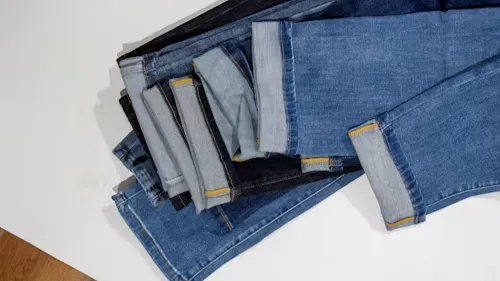
How Denim Weight Affects Fit, راحة, and Production
Denim’s weight is a clear trade-off. Lighter fabric boosts comfort but loses shape and complicates production. Heavier weights provide structure but increase manufacturing costs and complexity.
Impact on Garment Fit and Comfort
الدنيم خفيف الوزن, typically in the 6–10 oz range, creates a soft drape that works well for fluid silhouettes. The downside is that it offers less shape retention. This makes it much more prone to bagging at the knees and seat or relaxing over time. When it comes to comfort, the difference is straightforward. Lighter fabric is more breathable and flexible, making it the clear choice for warm-weather garments. Heavier denim provides more warmth and a rigid, structured feel that many associate with traditional jeans.
Influence on Production and Cost
في التصنيع, lightweight denim requires precise handling. It can easily distort during cutting and sewing if you’re not careful. Heavyweight denim, especially 14 oz and up, presents a different challenge: it slows down the production line and requires more robust equipment. From a cost perspective, using lighter fabric obviously reduces raw material and shipping expenses. But heavier weights can increase labor and overhead costs per garment, simply because they take more time and effort to move through the factory.
Choosing نسيج الدنيم Based on Target Market and Season
Lightweight denim is for comfort in warm climates and fashion applications. Heavyweight denim is for durability, بناء, and cold weather.
The choice between lightweight and heavyweight denim isn’t just about feel; it’s a strategic decision that aligns your product with a specific customer, season, and performance expectation. Getting this right means matching fabric properties to market demands.
When Brands Should Choose Lightweight Denim Fabric
Lightweight denim is the go-to choice when comfort, التهوية, and drape are the primary drivers. It’s less about ruggedness and more about wearability, especially in hot weather or for fashion-forward silhouettes.
- Seasonal and Climate Targeting: Use lightweight fabrics for spring/summer collections and for markets in permanently warm climates. The fabric’s higher air permeability and lower heat retention make it ideal for hot and humid conditions.
- Consumer and Product Focus: This fabric targets fashion and comfort-driven customers. It’s particularly effective in women’s wear and youth segments where a soft handfeel and fluid drape are valued over rigid structure.
- Ideal Garment Types: It performs best in products where bulk is undesirable. Think shirts, فساتين, التنانير, and lightweight jeans or سراويل, typically in the 5–10 oz range.
Heavyweight Denim Applications and Durability Advantages
Heavyweight denim is selected when the product’s core purpose is durability, حماية, and long-term wear. This fabric prioritizes structure and resilience over immediate, soft comfort.
- High-Demand Applications: Choose heavy fabrics for garments that need to withstand significant abrasion and stress. This includes workwear, معدات الدراجات النارية, and heavy winter outerwear where physical protection is a key feature.
- Niche Target Markets: Heavyweight denim is essential for the heritage and raw-denim enthusiast markets. These customers seek a rigid, structured fabric that breaks in over time and develops unique, high-contrast fade patterns.
- Seasonal Strengths: Its dense construction provides superior wind resistance and thermal insulation, making it the best choice for autumn/winter collections. Fabrics in the 14–21 oz range are built for cold weather.
You can also learn more in our guide: كيفية اختيار القماش المناسب لجينز الجينز المخصص.

Working With Manufacturers for Custom Denim Fabric Selection
Custom denim development requires clear fabric specifications, sample approval, and quality control. Defining these requirements early helps brands achieve consistent fabric weight, تمتد, لون, and garment performance.
Establishing Fabric Specifications
Provide manufacturers with a tech pack covering the key requirements:
- وزن: Specify the target weight in oz/yd² or GSM.
- Fiber Content and Stretch: Define the fiber blend, stretch percentage, and recovery requirements.
- Weave and Color: Confirm the weave structure, target shade, and color reference.
- الانتهاء: Specify the desired hand feel, wash effect, and surface finish.
- Quality Standards: Set acceptable limits for shrinkage, colorfastness, and fabric distortion.
From Sampling to Bulk Production
Review fabric swatches and color samples before approving prototypes. Test the finished garments for fit, ثنى, stretch recovery, and shrinkage after washing. Once the sample meets the agreed specifications, document the approved standards for bulk production.
أثناء الإنتاج, inspect fabric weight consistency, color uniformity, and overall quality. Clear specifications and consistent inspections help manufacturers maintain product quality across production batches.ny defects like skew or puckering. This disciplined workflow ensures what you approved is what you get.
الأفكار النهائية
Lightweight and heavyweight denim suit different garment styles, seasons, and customer needs. Understanding their differences helps brands choose fabrics that balance comfort, بناء, والمتانة. Testing samples before production ensures the fabric meets the requirements of the final garment.
Changhong provides denim fabric solutions for apparel brands with different product and production needs. Contact our team to discuss lightweight and heavyweight denim options, explore fabric specifications, and request samples for your next collection.
الأسئلة المتداولة
What is lightweight denim fabric?
Lightweight denim is engineered to be lighter than traditional jeans fabric. This makes it cooler, أكثر ليونة, and more drapable, ideal for warm-weather apparel while maintaining a classic denim look.
How many ounces is lightweight denim?
Lightweight denim is generally defined as fabric weighing under 12 ounces per square yard (أوقية/ياردة²). The most common range for garments like summer jeans and shirts is between 6–9 oz/yd².
Is heavyweight denim better than lightweight denim?
Neither is universally better; they serve different needs. Heavyweight denim offers more durability and warmth, perfect for workwear or cold climates. Lightweight denim provides better breathability and immediate comfort, making it ideal for hot weather and softer garments.
What denim weight is best for jeans?
For standard, all-season jeans, 10–13 oz/yd² offers a great balance of durability and comfort. For lightweight summer jeans, a range of 7.5–10 oz/yd² is often preferred for its breathability.
Does thicker denim last longer?
عمومًا, thicker denim is more durable due to its greater mass. But, a fabric’s lifespan also depends on yarn quality, كثافة نسج, and garment construction. A well-made jean from a lighter fabric can outlast a poorly constructed one from a heavier fabric.
What fabric weights do denim brands typically use?
Brands select weights based on the product. Shirts and dresses often use 4–8 oz denim. Summer or fashion-fit jeans are typically in the 8–11 oz range. معيار, everyday jeans usually fall between 11–13 oz, while heavy-duty styles use fabrics 13 oz and heavier.