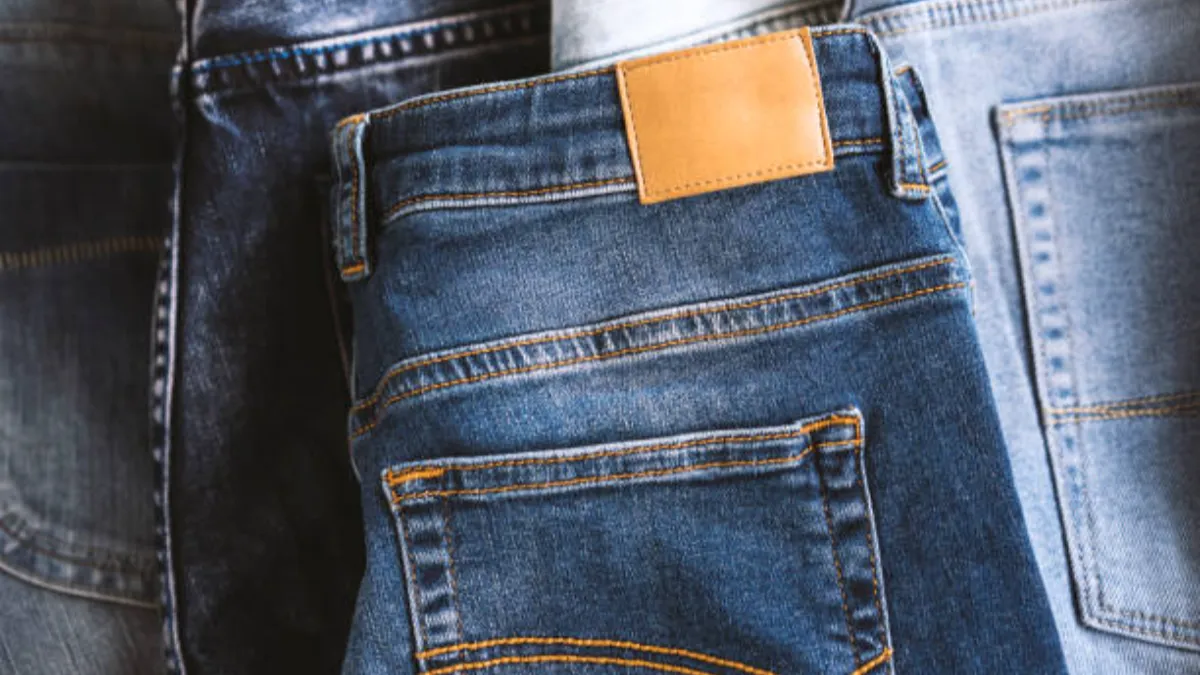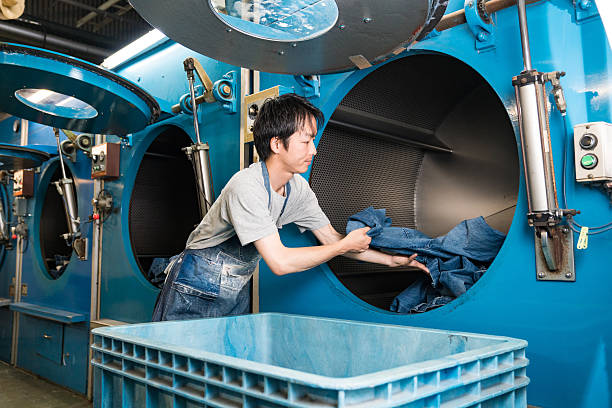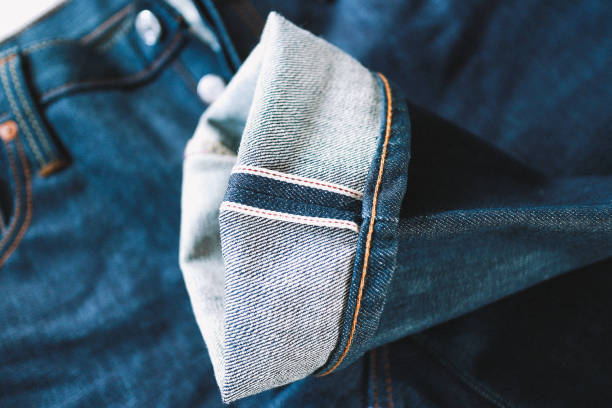
Потертый деним продолжает оставаться сильной коммерческой категорией во всех модных циклах., от тонких винтажных эффектов до смелых, дизайн, основанный на утверждениях. Однако, разработать потертый деним гораздо сложнее, чем нанести визуальный ущерб. Выбор ткани, планирование строительства, и контроль производства напрямую влияют на долговечность, последовательность, и масштабируемость. В этом руководстве рассматривается потертый деним с профессиональной точки зрения, чтобы помочь брендам и покупателям принять обоснованные решения о разработке и выборе поставщиков..
Что такое потертый деним?
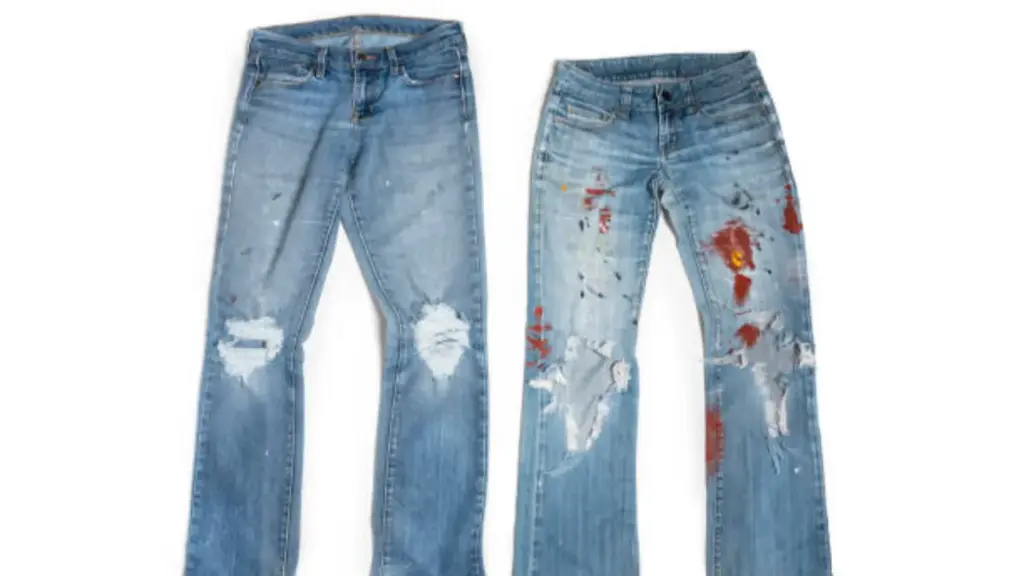
Потертый деним — это джинсовая одежда, специально созданная для того, чтобы продемонстрировать признаки износа., старение, или повреждение с помощью контролируемых методов. Цель состоит в том, чтобы создать характер и визуальную глубину, сохраняя при этом структуру и удобство носки одежды..
Ключевые характеристики потертого денима включают в себя::
- Планируемая абразия, изнашивание, или рвет
- Локальный разрыв ткани, а не повреждение всей поверхности
- Визуальное повествование, предполагающее длительное ношение
- Контролируемое выполнение, а не случайное уничтожение
История и происхождение потертого денима
Потертый деним изначально не был модным трендом.. Его истоки можно проследить до рабочей одежды., где джинсы естественным образом изнашивались после длительного использования. Ранняя джинсовая одежда, которую носили шахтеры, фабричные рабочие, и у рабочих возникла ссадина, исчезающий, и разрывы в зонах повышенного напряжения просто из-за повседневной деятельности.
В конце 1970-х и 1980-х гг., эти знаки ношения начали нести культурное значение. Панк- и контркультурные движения приняли потертые и повреждённые джинсы как символ бунта и нонконформизма.. Вместо замены поврежденных джинсов, люди обнимали их, превращая необходимость в идентичность.
К 1990-м годам, потертый деним вошел в моду. Бренды начали воссоздавать натуральную одежду с помощью промышленных технологий, позволяющий добиться долговременного вида новой одежды. Этот сдвиг ознаменовал переход от случайного износа к преднамеренному дизайну..
В 2000-е годы и далее, потертый деним, разнообразный. От легкой потертости в винтажном стиле до сильно разрушенных стилей., огорчение стало инструментом рассказывания историй и дифференциации бренда.. Сегодня, потертый деним представляет собой баланс между наследием, отношение, и контролируемое производство, основанное на истории, но усовершенствованное с помощью современного производственного опыта..
Распространенные стили джинсовой ткани и визуальные эффекты
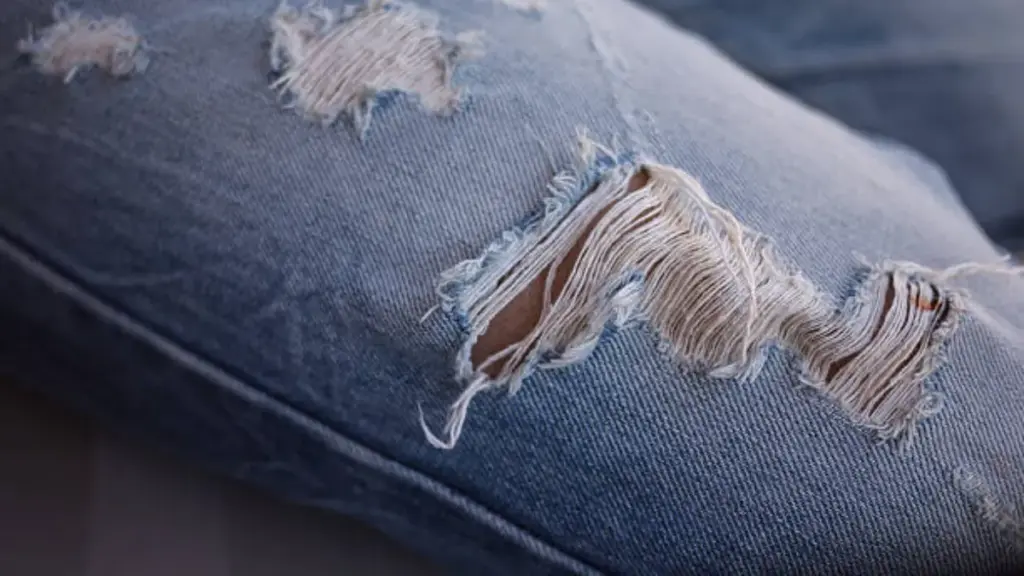
Потертый деним проявляется во многих формах., каждый из которых обслуживает разные позиции бренда и ожидания клиентов.
Легкий тревожный
- Тонкое истирание и смягченные края
- Минимальный разрыв ткани
- Распространен в коммерческих и повседневных линиях премиум-класса.
Тяжелый
- Выраженные зоны износа и видимые повреждения ткани.
- Сильное визуальное воздействие
- Часто используется в модных коллекциях или коллекциях уличной одежды.
Тревожное воздействие, направленное на истирание
- Шлифование или чистка щеткой без разрезания ткани
- Повышенная долговечность и устойчивость к стирке.
- Подходит для крупномасштабного производства.
Эффекты вырезания и разрыва
- Порезанные или порванные участки, обнажающие уточную нить.
- Требуется усиление для предотвращения неконтролируемого разрыва.
- Более высокий риск качества при плохом исполнении
Винтажный стиль
- Имитирует естественное старение, а не очевидные повреждения.
- Сбалансированный рисунок носки и смягченный цвет.
- Часто позиционируется как вневременной, а не сезонный продукт.
Как создается потертый деним
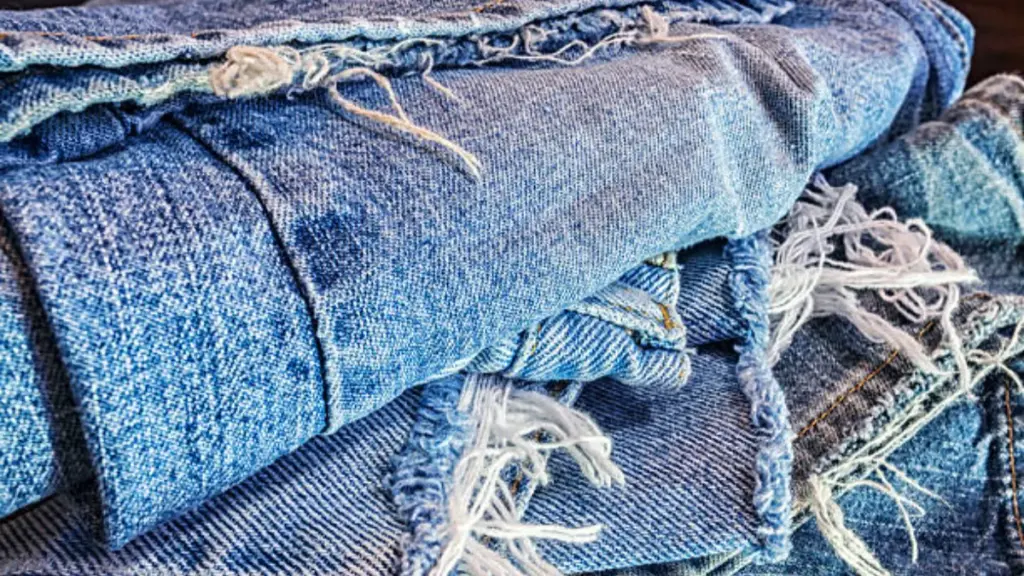
Потертый деним создается посредством последовательности скоординированных процессов, а не одной техники.. Конечный результат зависит от того, насколько раздражающие методы, пошив одежды, и стирка выровнены. Различные подходы часто комбинируются для достижения желаемого баланса между визуальным характером и, долговечность, и стабильность производства.
Рука
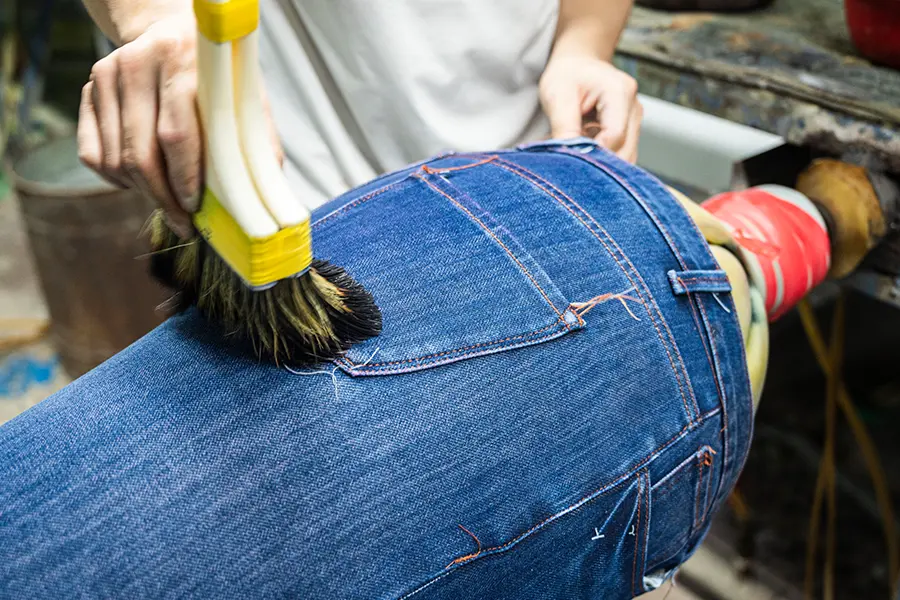
Ручное состаривание — наиболее традиционный и гибкий подход к созданию потертого денима.. Квалифицированные рабочие вручную шлифуют, царапать, или разрывайте определенные участки одежды, чтобы воспроизвести естественные закономерности износа, чего трудно достичь с помощью одних только машин.. Этот метод позволяет точно контролировать размещение., глубина, и нерегулярность, вот почему его часто используют для стилей премиум-класса или винтажного стиля..
Однако, дискомфорт рук во многом зависит от опыта работника. Непоследовательная техника может привести к неравномерному повреждению одежды., особенно при больших заказах. Это еще и трудоемко, что делает его более подходящим для ограниченных тиражей, дорогостоящие продукты, или в качестве завершающего этапа после того, как другие методы осложнения определили базовую структуру.
Механические и машинные повреждения
При механическом повреждении используются автоматизированные инструменты, такие как шлифовальные машины или абразивные барабаны, для создания эффектов износа в масштабе.. Этот подход широко используется в коммерческих стилях, где решающее значение имеют последовательность и эффективность.. Машины помогают стандартизировать интенсивность и размещение бедствия, уменьшение различий между предметами одежды и повышение стабильности массового производства.
Ограничение механического повреждения заключается в его жесткости.. Машины следуют заданным шаблонам и давлениям, что может привести к однородным эффектам, в которых отсутствуют естественные вариации.. По этой причине, механическое старение часто сочетается с ручной регулировкой, чтобы смягчить окончательный вид и избежать чрезмерно искусственного вида..
Лазерная тревога
Лазерная потертость стала важным инструментом в современном джинсовом производстве., особенно для определения зон износа с высокой точностью. Лазеры могут воспроизводить структуру истирания, усы, и контуры бедствия единообразно во всех размерах, что делает их идеальными для сложных проектов и повторных заказов..
За пределами точности, лазерное устранение проблем способствует устойчивому развитию за счет сокращения количества воды, химическое использование, и отходы ткани. Однако, сам по себе лазер редко дает полностью расстроенный вид. Наиболее эффективен при использовании в качестве базового слоя., с последующей стиркой или ручной работой для придания глубины и текстуры..
Развивайте свой джинсовый бренд с помощью полной настройки
Различия между потертыми и рваными джинсами
Хотя часто используется взаимозаменяемо, потертые и рваные джинсы – это не одно и то же.
| Аспект | Потертые джинсы | Рваные джинсы |
|---|---|---|
| Объем | Широкая категория эффектов износа | Сосредоточено на дырах и слезах |
| Визуальный диапазон | Истирание, изнашивание, исчезающий, повреждать | Видимые порезы или разрывы |
| Уровень управления | Высокий, запланированное размещение | Более высокий риск распространения |
| Долговечность | В целом более стабильный | Более чувствителен к ткани и посадке. |
| Коммерческое использование | Широкая рыночная привлекательность | Ориентированный на тренды, более узкая аудитория |
Как найти потертый деним для вашего бренда
Для успешного поиска потертого денима требуется нечто большее, чем просто визуальное одобрение..
Перед отбором проб
- Определите целевой внешний вид и ожидаемую долговечность
- Выясните, является ли беспокойство тонким или вызванным утверждениями.
Во время отбора проб
- Тестируйте одежду при многократных стирках
- Оцените, как повреждения ведут себя при движении и напряжении.
- Проверьте соответствие размеров
При оценке производителей джинсовой одежды
- Спросите, как стресс усиливается и контролируется.
- Подтвердите, управляются ли процессы стирки и устранения неполадок собственными силами.
- Оценить опыт работы с аналогичными стилями и объемами
Работа с подходящим производителем джинсовой одежды который понимает потертости денима на структурном уровне, помогает брендам снизить риск и улучшить долгосрочную стабильность..
Заключительные мысли
Потертый деним требует тщательного планирования., точный подбор ткани, и квалифицированное производство для достижения сбалансированного внешнего вида и надежной долговечности.. Бренды, применяющие эти принципы, могут создавать визуально привлекательные и коммерчески успешные продукты.. Эффективно развивать или совершенствовать проблемные стили., Партнерство с опытным производителем джинсовой ткани обеспечивает стабильное качество и масштабируемые результаты..
Посетите джинсовую коллекцию Changhong или свяжитесь с нашей командой изучить варианты индивидуальной разработки и воплотить в жизнь дизайн потертых джинсов..
Часто задаваемые вопросы
Как стирать потертые джинсы?
В промышленной стирке потертых джинсов используются контролируемые влажные процессы с использованием нейтральных или слабокислых ферментов целлюлазы при температуре 50–60°C в течение 30–60 минут., поддержание соотношения спиртных напитков на должном уровне 1:5–1:8. После этого следует горячее полоскание., нейтрализация, если использовался отбеливатель, размягчение, и сушку в барабане, избегая при этом чрезмерного отбеливания или чрезмерного истирания, которое может привести к увеличению отверстий..
Похоже на медленное приготовление, правильная стирка балансирует тепло, время, и химия для сохранения текстуры, не повреждая ткань..
Как стирать рваные джинсы?
Стирайте рваные или потертые джинсы при температуре 30–40°C в деликатном режиме с пропорцией щелочи. 1:4–1:8 и низкие и средние скорости барабана. Избегайте сушки с высоким отжимом или высокой температурой, чтобы уменьшить истирание.. В производстве, Джинсовые машины используют запрограммированное время стирки, контролируемая скорость до 110 об/мин, и точные пропорции спиртных напитков, затем закончите при низкой температуре, чтобы стабилизировать разрывы..
Бережная стирка работает так же, как обращение с хрупкой бумагой: слишком большая сила или тепло приводят к быстрому разрушению краев..
Ослабляет ли лазерное потрескивание ткань?
Лазерная обработка джинсов уменьшает разрывы, предел прочности, и устойчивость к истиранию. В агрессивных настройках, потеря прочности может достигать 40–55%, в то время как оптимизированные рецепты затухания могут ограничить потери до 5–20%. Испытания показывают, что прочность на разрыв как по основе, так и по утку может снизиться более чем вдвое по сравнению с необработанной джинсовой тканью при обработке высокоинтенсивным лазером..
Представьте, что солнечный свет выцветает из ткани — лазер делает это быстрее и сильнее., которые могут ослабить волокна при чрезмерном использовании.
Как заделать огромные дырки на джинсах?
Заделайте большие дыры, используя заплатку, которая во всех направлениях на 3–6 см больше поврежденного участка.. Пришейте его плотной машинной штопкой или ручной строчкой, чтобы обеспечить полную поддержку ослабленной ткани., обеспечение прочного и длительного исправления.
Это похоже на укрепление порванной страницы дополнительными полями, чтобы она больше не порвалась в том же месте..
Раздражение рук против лазера?
Лазерная обработка подходит для массового производства, требующего одинаковых затенений и отверстий., с точностью до миллиметра и быстрым оборотом около 90 секунды на пару. Ручная обработка требует шлифования или истирания для получения уникальных рисунков, но выполняется медленнее., менее повторяемый, и более трудоемкий. Многие учреждения заменяют ручные методы для экономии средств и повышения безопасности..
Лазер подобен принтеру, производящему идентичные копии., тогда как ручные методы подобны рисованию каждой детали с нуля..
Как остановить распространение разрывов?
Предотвратите распространение разрывов, добавив подложку как минимум на 10–20 мм больше слабого места.. Используйте плотную строчку или приклеивайте заплатки утюгом, прижимая их на 20–30 секунд при высокой температуре без пара., затем прострочите по краям для усиления.
Это похоже на добавление структурной поддержки под мостом, чтобы предотвратить рост трещин..