Equilibrar a durabilidade do vestuário de trabalho com um orçamento rigoroso é uma batalha constante. Você quer a sensação tradicional do algodão, mas seus clientes exigem roupas que durem mais e custem menos.
Poly denim é a solução estratégica, combinando conforto natural com resiliência sintética. Mas é certo para sua marca? Este guia analisa o debate Poliéster vs Algodão analisando suas características distintas, vantagens de desempenho, e estruturas de custos para ajudá-lo a decidir o vencedor.
O que é Poli Denim?
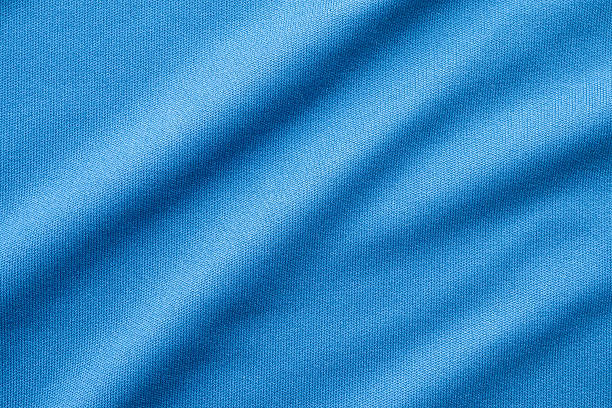
Quando você encontra poly denim no mercado, você está olhando para um tecido híbrido que mistura fibras naturais de algodão com filamentos sintéticos de poliéster. Ao contrário do tradicional 100% jeans de algodão com o qual você pode estar acostumado, este tecido normalmente incorpora uma estratégia 65/35 mistura de poliéster e algodão.
Esta composição específica é crucial para suas necessidades de fabricação. Ele mantém a aparência clássica de sarja diagonal que você espera, mas altera significativamente o comportamento do tecido. Tecendo 300 para 600 fios de poliéster texturizados denier na estrutura, você obtém um material mais leve, mais resistente às rugas, e possui maior resistência à tração do que suas contrapartes totalmente de algodão. É por isso que se tornou o padrão para linhas de vestuário com foco na durabilidade..
A comparação de poliéster vs.. Jeans de algodão
Como gerente de compras ou proprietário de marca, sua escolha entre jeans de poliéster e algodão equilibra a estética tradicional com o desempenho industrial. Você tem que decidir se prioriza o luxo respirável do algodão puro ou a resiliência mecânica das misturas de poli-algodão.
Para ajudá-lo a avaliar sua seleção de materiais e calcular o ROI potencial, detalhamos as diferenças críticas abaixo:
| Recurso | 100% Jeans de algodão | Denim Poli-Algodão (Poli Denim) |
|---|---|---|
| Durabilidade | Moderado; propenso a desgastar com o tempo | Alto; excelente resistência ao rasgo e à abrasão |
| Eficiência de custos | Mais alto ($5 – $22+ por jarda) | Econômico ($4 – $15 por jarda) |
| Encolhimento | Alto; requer pré-encolhimento rigoroso | Baixo; excelente estabilidade dimensional |
| Resistência a rugas | Baixo; vinca facilmente | Alto; mantém a aparência nítida |
| Conforto & Sentir | Alta respirabilidade; toque mais suave | Bom; fios texturizados modernos imitam algodão |
| Melhor Aplicação | Jeans premium, vestuário de moda | Vestuário de trabalho, uniformes, linhas econômicas |
Durabilidade e resistência
A principal vantagem que você ganha com o poli denim está em sua estrutura molecular. Os filamentos de poliéster possuem uma tenacidade de aproximadamente 4.0 g/tex, que é significativamente maior do que o algodão. Quando tecido em seu jeans, esses filamentos atuam como uma grade de reforço. Isso significa que suas roupas resistirão muito melhor à propagação de rasgos e à abrasão, em última análise, estendendo o ciclo de vida do seu produto em ambientes de trabalho adversos.
Evolução do Conforto
Você pode se preocupar com o fato de o poliéster parecer rígido ou artificial, uma crítica comum no passado. No entanto, a fabricação moderna preencheu essa lacuna. Usando fios de poliéster com textura de ar, os fabricantes podem fornecer jeans poli que imita de perto a sensação macia do algodão. Isso permite que você ofereça o conforto que seus clientes esperam, ao mesmo tempo que mantém o gerenciamento superior de umidade e a durabilidade que seus resultados financeiros exigem..
Crie o jeans perfeito para sua marca: Fabricação Personalizada Integrada
Padrões de Tingimento e Qualidade
Para garantir que você obtenha tecido de primeira linha, você deve entender que as misturas de algodão e poli-algodão exigem protocolos de fabricação completamente diferentes. Tratá-los da mesma forma é uma receita para falha de qualidade.
1. O processo de tingimento
- 100% Algodão: Usa um processo monofásico padrão (normalmente tingimento de corda ou Slasher com índigo). O desafio aqui é garantir a penetração profunda do índigo para criar o desejado “tintura de anel” efeito para desbotamento futuro.
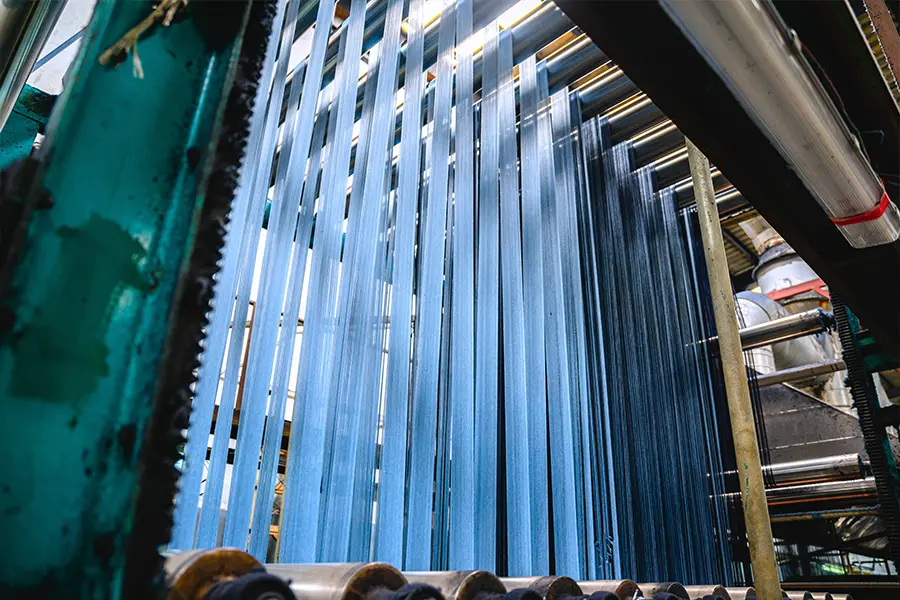
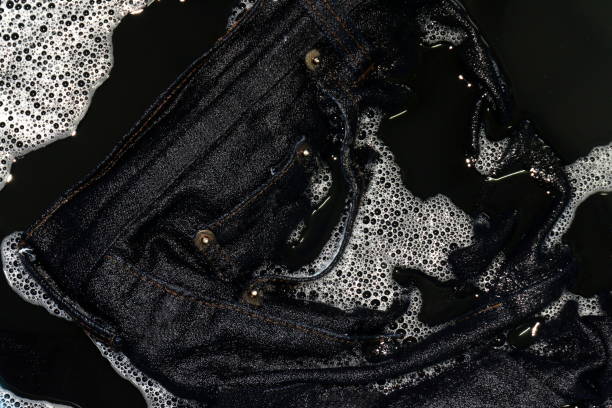
- Poli Denim: Requer um processo sofisticado de duas fases. Devemos usar corantes dispersos de alta temperatura para a fibra de poliéster (a ~130°C) e corantes reativos ou de cuba para o algodão.
Para dica: Se o seu fornecedor tentar tingi-los em um único banho para economizar dinheiro, você vai acabar com o “efeito urze” (salpicado, cor irregular). Exija sempre uma diferença de cor Delta E inferior a 1.0 através do rolo.
2. Prioridades de controle de qualidade
Como as fibras se comportam de maneira diferente, sua lista de verificação de testes de laboratório deve mudar com base no material:
- Para 100% Algodão (Foco na estabilidade):
- Teste de encolhimento (AATCC 135): O algodão é instável. Você deve verificar se o encolhimento está dentro da tolerância (geralmente <3%) depois de lavar, ou suas roupas ficarão distorcidas.
- Inclinação ou Torque: Verifique se a perna não torce após a lavagem.
- Para Poli Denim (Concentre-se na integridade da superfície):
- Resistência a Pilling (ASTM D3512): Este é o #1 problema com sintéticos. Fibras fortes de poliéster seguram bolas de penugem. Certifique-se de que suas taxas de tecido sejam de pelo menos um 3.5 ou 4.0 nota.
- Solidez da cor ao Crocking (AATCC 8): Porque os corantes dispersos ficam na superfície do poliéster, você deve testar para garantir que a cor não se espalhe para outras superfícies.
Ao aplicar esses padrões específicos, você protege sua linha de produção dos riscos específicos inerentes a cada tipo de tecido.
Divisão de custos de tecido
Compreender a estrutura de preços ajuda você a negociar melhor. Geralmente, você descobrirá que o poly denim é mais econômico, normalmente variando de $4 para $15 por jarda, enquanto uma qualidade comparável 100% as opções de algodão podem começar em $5 e ir muito mais alto.
Esta vantagem de preço vem de duas fontes principais:
- Custos de matérias-primas: A fibra de poliéster é geralmente mais barata e mais estável em termos de preço do que o algodão, que flutua com o rendimento da colheita.
- Eficiência de Produção: A maior resistência do poliéster permite uma tecelagem mais rápida e em alta velocidade com menos quebras de fio, reduzindo as despesas gerais de fabricação repassadas a você.
No entanto, o preço não se trata apenas do adesivo no rolo. Quando você leva em consideração a estabilidade dimensional aprimorada do poli denim, você também economiza dinheiro em desperdício devido ao encolhimento e segundos, reduzindo efetivamente seu custo total de propriedade.
Como escolher entre poliéster e algodão

Decidir entre estes dois materiais requer a análise do uso final específico da peça de vestuário, em vez de apenas olhar para a etiqueta de preço.. Aqui está um guia para ajudá-lo a alinhar a escolha do tecido com as demandas do mercado.
Quando escolher 100% Algodão:
Selecione algodão puro se o seu mercado-alvo prioriza respirabilidade e estética vintage. É a escolha ideal para moda premium jeans onde uma sensação suave ao toque e padrões naturais de desbotamento (bigodes e favos de mel) são os principais pontos de venda.
Quando escolher Poly Denim:
Opte pelo poly denim quando a durabilidade e o controle de custos são fundamentais. Esta é a escolha estratégica para:
- Vestuário de trabalho industrial: Onde a resistência ao rasgo é crítica para a segurança.
- Uniformes Corporativos: Onde cores consistentes e resistência a rugas reduzem a manutenção para os funcionários.
- Linhas conscientes do orçamento: Onde é necessário alcançar um preço de varejo competitivo para proteger as margens.
Dicas de cuidados e manutenção
Para marcas de vestuário, fornecer instruções claras sobre cuidados é uma parte vital do atendimento ao cliente. A manutenção adequada prolonga a vida útil das roupas de poliéster e reduz as devoluções devido a danos.
Aqui estão as práticas recomendadas para incluir em seus rótulos de cuidados ou guias de produtos:
- Controle de temperatura: Aconselho lavar em água morna (não excedendo 60°C/140°F) para evitar danos às fibras.
- Preservar a cor: Recomendamos virar as roupas do avesso antes de lavar para reduzir a abrasão no rosto tingido.
- Evite cloro: Alertar explicitamente contra alvejante à base de cloro, pois pode degradar o componente algodão da mistura.
- Engomar: Se for necessário passar roupa, isso deve ser feito em uma configuração mais baixa do que o algodão padrão para evitar “vidros” as fibras sintéticas.
Pensamentos finais
Em última análise, a escolha entre jeans de poliéster e algodão depende do seu equilíbrio específico de custo, durabilidade, e apelo estético. Embora o algodão puro continue a ser o padrão da moda de estilo vintage, as poli-misturas proporcionam a resiliência robusta e a estabilidade de preços essenciais para vestuário de trabalho industrial.
Para executar esta visão, você precisa de um parceiro de fabricação capaz de lidar com diversas especificações de materiais. Changhong é um fabricante líder de roupas jeans, fornecendo de ponta a ponta Serviços OEM e ODM. Da origem do tecido à costura final, ajudamos marcas a produzir jeans e roupas de trabalho de alta qualidade que atendam às demandas precisas do mercado.
Perguntas frequentes
O poly denim desbota como 100% algodão?
Geralmente, não. As fibras de poliéster são altamente resistentes à cor e retêm a tinta muito melhor do que o algodão. Esta é uma vantagem significativa para uniformes corporativos que precisam ter uma aparência “novo” por mais tempo, mas torna o poly denim menos adequado para linhas de moda que exigem desbotamento vintage autêntico ou “bigode” efeitos.
A pílula jeans de poli-algodão após a lavagem?
Pilling pode ser uma preocupação com misturas de qualidade inferior, mas é evitável. O denim poli de alta qualidade usa algodão de fibra longa e fios de poliéster com textura de ar para minimizar a migração das fibras. Ao adquirir, pergunte ao seu fabricante se eles usam “cantando” processos para queimar fibras salientes, o que reduz significativamente os riscos de pilling.
Adicionar poliéster torna o jeans elástico?
Este é um equívoco comum. Poliéster adiciona resistência e durabilidade, não esticar. Se você precisa de elasticidade para conforto (jeans skinny ou roupas de trabalho ativas), você deve procurar uma mistura que inclua Elastano ou Spandex, não apenas poliéster.
O poly denim é respirável o suficiente para o clima quente?
Enquanto 100% o algodão é naturalmente mais respirável, O poli denim moderno costuma ser projetado com propriedades de absorção de umidade. Para roupas de trabalho pesadas em ambientes quentes, uma mistura poli mais leve (em volta 9-10 Oz) pode realmente ter um desempenho melhor do que o algodão pesado, transportando o suor para longe do corpo em vez de absorvê-lo.
Existem opções ecológicas para poly denim?
Sim. A indústria está cada vez mais caminhando para o Poliéster Reciclado (PET), que é feito de garrafas plásticas pós-consumo. Usar rPET misturado com algodão orgânico ou BCI permite que as marcas mantenham os benefícios de durabilidade das fibras sintéticas, ao mesmo tempo que atendem às metas de sustentabilidade e reduzem o desperdício de plástico.