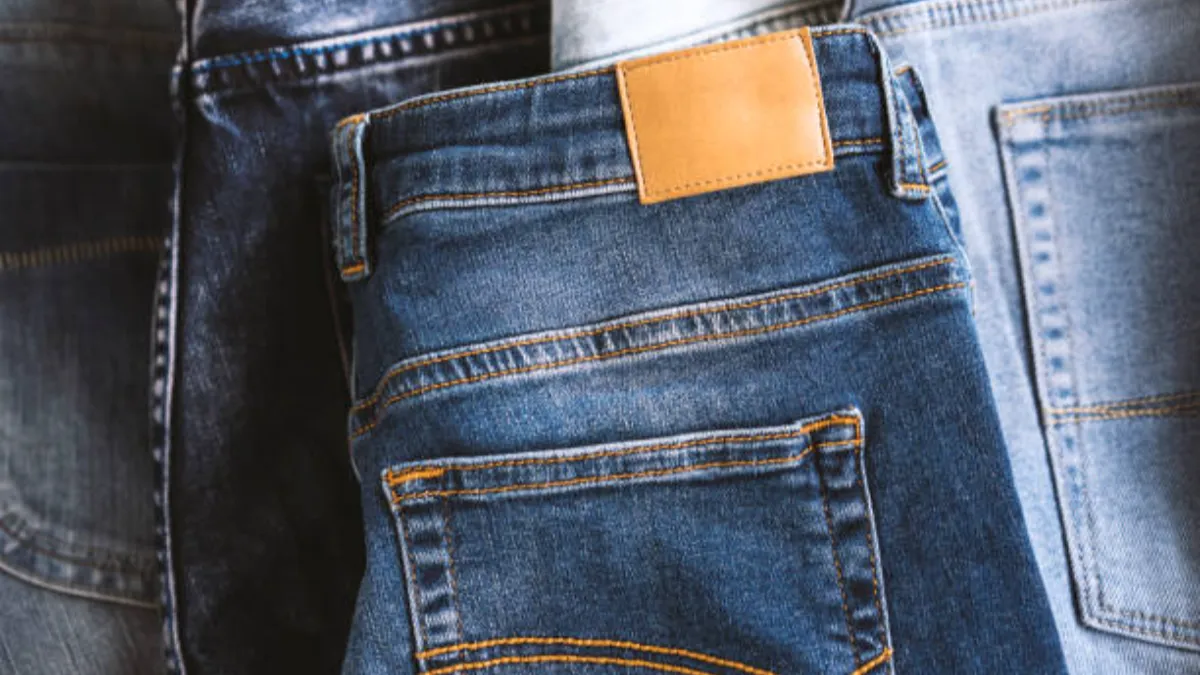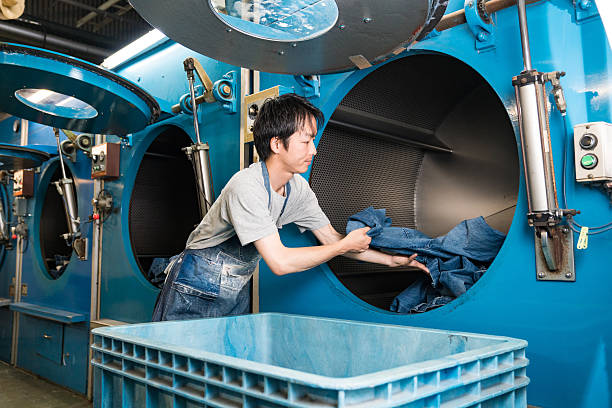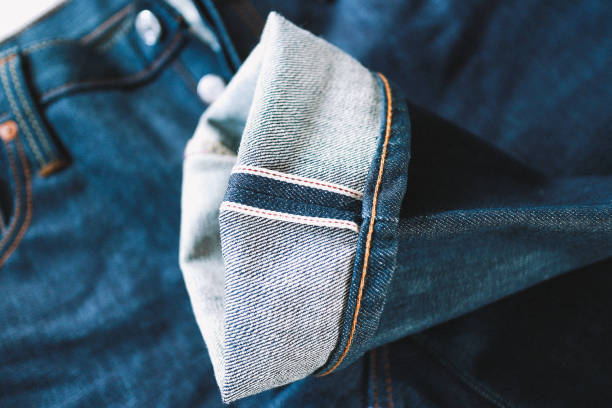
A lavagem e o acabamento do jeans são fundamentais para definir o look, sentir, e desempenho de jeans. Marcas, designers, e todos os compradores confiam na compreensão das diferenças entre o processo úmido do denim e o processo seco do denim para criar, produtos de alta qualidade.
Este guia abrangente de lavagem de jeans cobre os tipos, princípios, efeitos visuais, e aspectos de sustentabilidade dos processos úmidos e secos. O guia também fornece insights práticos para aquisição de fabricantes de jeans confiáveis, garantindo que sua coleção atenda às expectativas do mercado.
O que são processos úmidos e secos de jeans
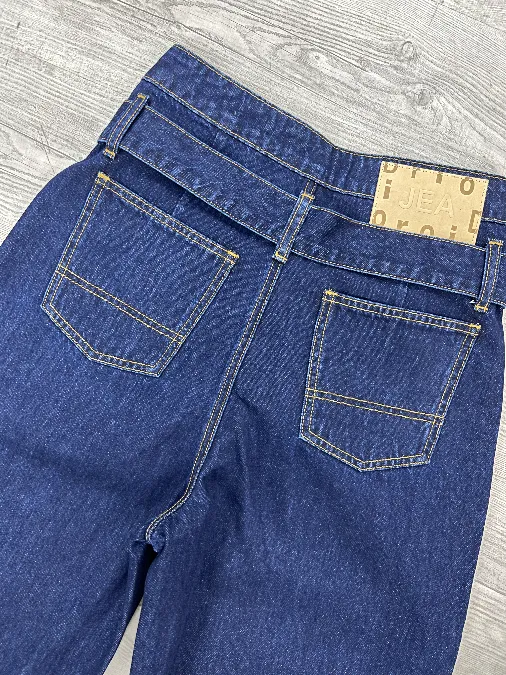
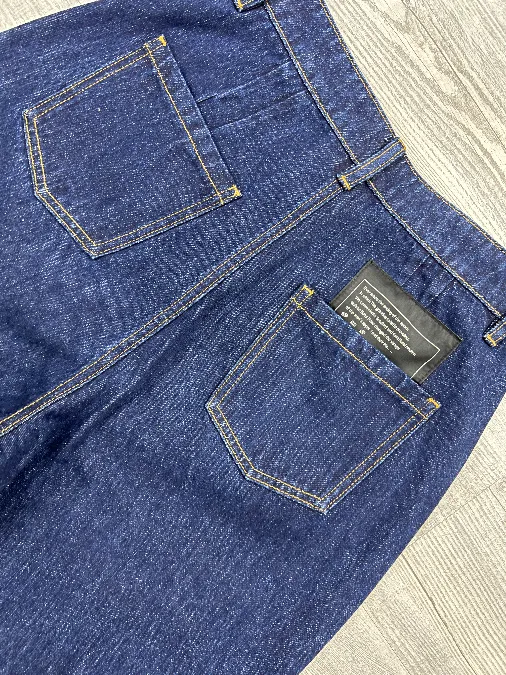
O acabamento do jeans pode ser amplamente categorizado em duas etapas principais: processamento úmido e processamento seco. Ambos têm papéis distintos na obtenção da qualidade de vestuário desejada.
Processo úmido de jeans
O processo úmido do jeans envolve o uso de água, produtos químicos, enzimas, ou ação mecânica para manipular a estrutura do tecido, cor, e sensação de mão. Geralmente é realizado após a costura da roupa e é essencial para:
- Desbotamento de cor e ajuste de tonalidade
- Suavidade do tecido
- Estabilidade dimensional e controle de encolhimento
- Preparando a roupa para processos de acabamento subsequentes
Processo de secagem de jeans
O processo de secagem do denim concentra-se nos efeitos visuais e de superfície aplicados após a lavagem úmida. As técnicas incluem abrasão, vincando, acabamento a laser, e aplicação de resina. O processamento a seco não altera a estrutura fundamental do tecido, mas melhora o apelo estético da peça de vestuário através da criação de padrões, bigodes, ou texturas desgastadas.
Tabela de comparação: Processo úmido vs seco
| Recurso | Processo úmido de jeans | Processo de secagem de jeans |
|---|---|---|
| Propósito | Ajustar a estrutura do tecido, cor, e suavidade | Crie efeitos visuais e padrões de textura |
| Método | Água, produtos químicos, enzimas, ação mecânica | Abrasão manual/manual, laser, resina, ferramentas mecânicas |
| Estágio | Pós-costura, pré-acabamento | Após lavagem e secagem úmida |
| Impacto Visual | Desbotamento uniforme da cor, mão amolecida | Vincos, bigodes, bordas desgastadas, texturas em relevo |
| Impacto no tecido | Altera as propriedades da fibra, perda potencial de força | Impacto mínimo na resistência do tecido |
| Técnicas Comuns | Lavagem de pedra, lavagem enzimática, lavagem com água sanitária, limpar & limpar | Bigodes, moagem, raspagem manual, angústia do laser, enrugamento de resina |
Visão geral dos tipos de processos úmidos de jeans
| Processo | Princípio | Efeito Visual | Principais considerações |
|---|---|---|---|
| Lavagem de pedra | Caindo com pedras-pomes | Look vintage suave com destaques desbotados | Pode enfraquecer o tecido, variabilidade do lote, maior uso de água |
| Lavagem enzimática | Uso de enzimas celulase | Suave, desvanecimento controlado | Mais ecológico do que pedras, precisa de controle preciso |
| Lavagem ácida | Pedras com produtos químicos oxidantes | Contraste dramático, cor alta-baixa | Risco de danos ao tecido, manuseio químico necessário |
| Luz / Médio / Lavagem Escura | Duração e força química | Geral claro a escuro | Equilibra cor e suavidade, requer controle de qualidade |
| Lavagem de água sanitária | Agente oxidante químico | Muito pálido, aparência desgastada | Alto risco de enfraquecimento e amarelecimento da fibra |
| Limpar & Limpar | Enxágue simples com água | Quase cru, desbotamento mínimo | Preserva a resistência do tecido, mudança visual mínima |
| Sobrecorante / Matiz | Aplicação de corante pós-lavagem | Tons personalizados exclusivos | Adiciona flexibilidade, mas aumenta a complexidade do processo |
Principais tipos de processos úmidos de jeans
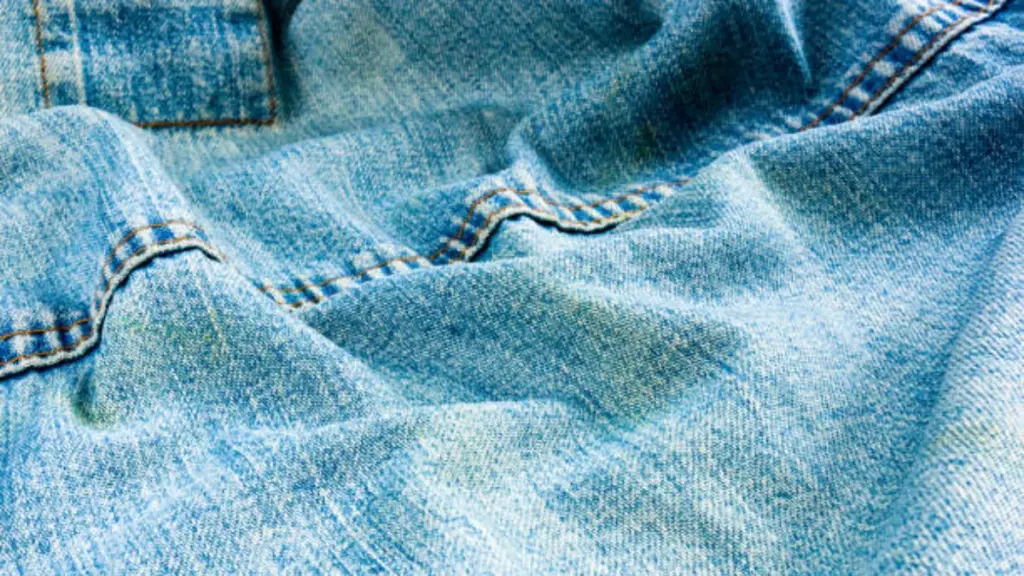
Lavagem de pedra
A lavagem com pedra é um processo tradicional de denim úmido, onde as roupas são misturadas com pedras-pomes. A fricção desgasta as fibras superficiais tingidas de índigo, produzindo um desgaste, look vintage. Este processo suaviza o jeans e reduz a rigidez, dando uma sensação confortável à mão. A intensidade da lavagem pode ser controlada pelo tamanho e quantidade de pedras, tempo de queda, e velocidade de rotação mecânica, permitindo variações desde desbotamento leve até efeitos vintage pesados.
| Prós | Contras |
|---|---|
| Cria natural, desbotamento suave | Pode enfraquecer as fibras do tecido |
| Melhora o conforto da roupa | Variação de lote para lote possível |
Lavagem enzimática
A lavagem enzimática usa enzimas celulase para quebrar seletivamente as fibras de algodão na superfície do jeans. Esta reação bioquímica controlada remove o índigo e cria padrões de desbotamento suaves, mantendo a resistência do tecido. O processo é mais consistente do que a lavagem de pedras e pode ser gerenciado com precisão através da concentração de enzimas, temperatura, e duração. Muitas vezes é preferido que o jeans premium obtenha um desbotamento reproduzível sem abrasão mecânica significativa.
| Prós | Contras |
|---|---|
| Suave, desbotamento uniforme | Requer controle preciso da atividade enzimática |
| Menos danos às fibras do que lavagem com pedra | Custo de processamento um pouco maior |
Lavagem ácida
A lavagem ácida combina pedras-pomes e produtos químicos oxidantes para remover o índigo e produzir desbotamento de alto contraste. A reação química entre o oxidante e o índigo cria áreas irregulares claras e escuras, dando ao jeans um toque dramático, visual retrô. Parâmetros do processo, como concentração química, período de exposição, e o movimento da pedra são cuidadosamente controlados para obter efeitos visuais consistentes, minimizando danos ao tecido.
| Prós | Contras |
|---|---|
| Efeito distinto de alto contraste | Risco de enfraquecimento do tecido |
| Orientado por tendências, visualmente impressionante | Requer manuseio cuidadoso de produtos químicos |
Luz / Médio / Lavagem Escura
Essas lavagens ajustam a profundidade do desbotamento controlando a força química, duração da lavagem, e agitação. Lavagens leves produzir macio, jeans desbotado, lavagens médias equilibram cor e toque, e lavagens escuras retêm um índigo mais profundo com desbotamento mínimo. Este processo permite que as marcas ofereçam diversas gamas de estilos, desde jeans claro vintage até jeans escuro premium., mantendo a qualidade consistente da roupa através de um controle de qualidade cuidadoso.
| Prós | Contras |
|---|---|
| Gama versátil de tons | Requer CQ preciso para consistência |
| Equilibra cor e suavidade | Maior tempo de processamento para uniformidade |
Lavagem de água sanitária
A lavagem com água sanitária aplica oxidantes químicos para remover uma cor significativa do jeans, criando tons muito claros e estética desgastada. A concentração, exposição, e o enxágue são cuidadosamente monitorados para evitar danos excessivos. É ideal para quem está na moda, estilos de jeans claros, mas devem ser controlados para manter a integridade do tecido.
| Prós | Contras |
|---|---|
| Cria dramático, jeans claro | Alto risco de enfraquecimento da fibra |
| Popular para designs orientados por tendências | Pode causar amarelecimento se não for controlado |
Limpar & Limpar
Limpar & Limpar é um processo úmido mínimo para remover o amido, dimensionamento, e impurezas superficiais sem afetar significativamente a cor. Isso preserva a estética do jeans quase cru e mantém a resistência do tecido, proporcionando uma limpeza, sensação natural da mão.
| Prós | Contras |
|---|---|
| Preserva a resistência do tecido | Efeito estético limitado |
| Mantém a aparência quase crua | Não é adequado para desbotamento intenso |
Sobrecorante / Lavagem de tonalidade
A lavagem overdye ou matiz aplica pigmentos adicionais após a lavagem da base para criar tons sazonais exclusivos. Este método permite criatividade, cores personalizadas e designs voltados para a moda, mantendo a qualidade do tecido.
| Prós | Contras |
|---|---|
| Opções de cores flexíveis | Requer controle preciso para consistência |
| Aumenta o apelo da moda | Adiciona complexidade e custo ao processo |
Visão geral dos tipos de processos de secagem de jeans
| Processo | Categoria | Princípio | Efeito Visual | Método |
|---|---|---|---|---|
| Raspar a mão / Lixamento manual | Abrasão Manual | Lixa aplicada manualmente em jeans | Desbotamento natural com profundidade em camadas | Trabalhadores qualificados lixam manualmente áreas como coxas, joelhos, bolsos |
| Lavagem de macacos / Pulverizador PP | Abrasão Manual | Solução com alto teor de manganês pulverizada nas áreas alvo | Mais brilhante, desbotamento mais rápido | Combina reação química com direcionamento manual |
| Jateamento de areia | Abrasão Manual | Pistola de ar de alta pressão com abrasivos | Áspero, aparência muito desgastada | Em grande parte substituído pelo laser devido a riscos para a saúde |
| Bigodes / Bigode | 3Textura D | Padrões de vincos nos quadris e coxas | Dobras naturais e linhas desbotadas | Padronização manual ou a laser |
| Moagem / Destruído | 3Textura D | Abrasão nas bordas e costuras | Buracos, desgastando, bordas desgastadas | Moagem mecânica ou manual |
| Resina / 3D Dobra | 3Textura D | Aplicação de resina e ajuste de alta temperatura | Dobras permanentes com profundidade tátil | Pulverização de resina e ajuste de calor |
| Tie dye / Marcação | Padronização | Amarrar ou suspender roupas | Padrões personalizados de abrasão ou tingimento localizados | Manipulação manual e acabamento químico |
Tipos comuns de processos de secagem de jeans
Manual / Abrasão Mecânica
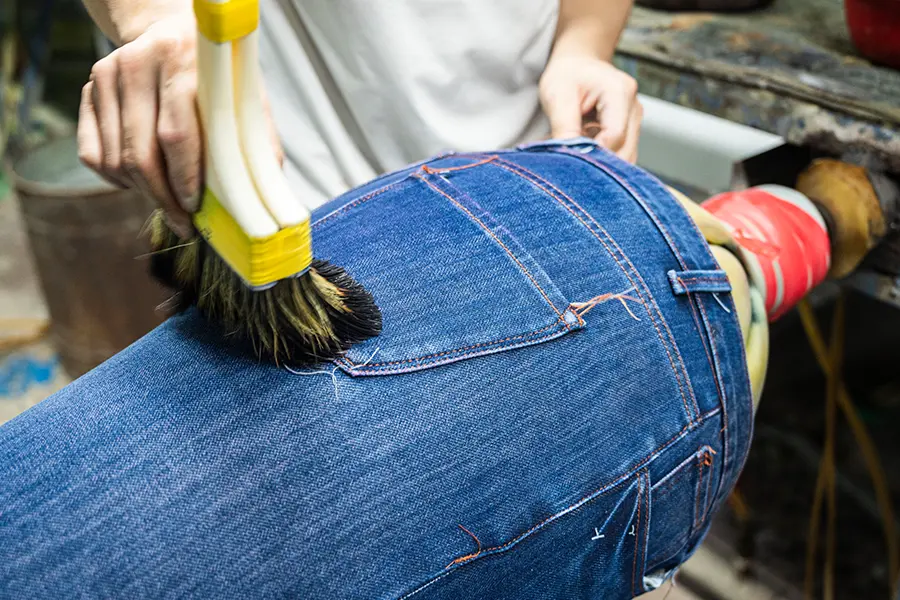
- Raspar a mão / Lixamento manual: Os trabalhadores usam lixa para lixar manualmente áreas como coxas e quadris, criando desbotamento natural com profundidade em camadas. Esta técnica premium enfatiza um desgaste, look vintage. Mão de obra qualificada é essencial para consistência, garantindo padrões de desgaste realistas e uma sensação suave ao toque.
- Lavagem de macacos / Pulverizador PP: Solução com alto teor de manganês é pulverizada em áreas específicas, produzindo brilhante, desbotamento rápido. Muitas vezes combinado com raspagem manual, este método acelera a produção e ainda consegue efeitos de destaque controlados.
- Jateamento de areia: Ar de alta pressão misturado com material abrasivo é aplicado ao tecido, produzindo um robusto, aparência muito desgastada. Devido a riscos à saúde como silicose, muitas marcas proibiram este método, com lasers substituindo-o gradualmente por segurança e precisão.
3Textura D & Destruição
- Bigodes / Bigode: Cria padrões de vincos nos quadris e coxas, simulando dobras naturais de desgaste prolongado. Pode ser aplicado manualmente ou com lasers para obter textura e profundidade 3D realistas.
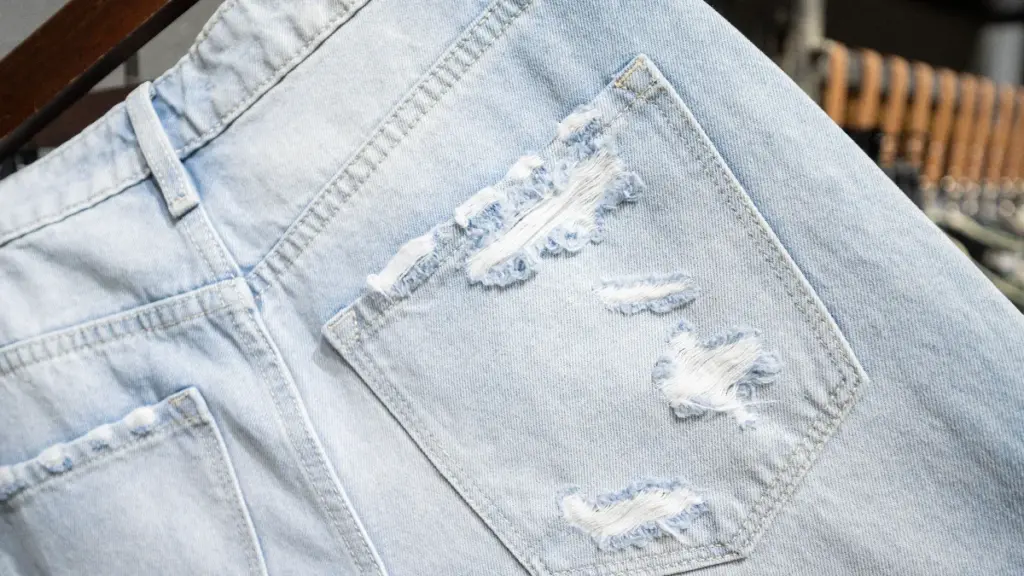
- Moagem / Destruído: Máquinas ou ferramentas manuais desgastam bordas e costuras, formando buracos, brigas, e áreas desgastadas. Popular em estilos streetwear, adiciona uma aparência intencionalmente angustiada.
- Resina / 3D Dobra: A resina é aplicada em áreas específicas e fixada a quente para formar dobras 3D permanentes. Melhora a profundidade visual e a textura tátil, criando recursos de design duráveis.
- Tie dye / Marcação: As roupas são amarradas ou suspensas e tratadas com abrasão ou tinta para produzir padrões localizados. Adiciona personalização e efeitos artísticos para efeitos únicos, jeans visualmente envolvente.
Jeans personalizados que dão vida à sua marca
A revolução sustentável no processamento de jeans
O elefante na sala em relação ao processamento de jeans é o seu impacto ambiental. Tradicionalmente, a indústria tem feito uso intensivo de água e depende quimicamente. No entanto, uma enorme mudança tecnológica está em andamento, movendo-se de “arte através de produtos químicos” para “arte através da tecnologia.”
1. Acabamento a laser
A tecnologia laser está substituindo o lixamento manual, bigodes, e destruição.
- O benefício: Um laser pode gravar um padrão vintage em um par de jeans 90 segundos, um processo que leva um ser humano 10-15 minutos. Elimina o pó da lixagem e reduz significativamente a intensidade do trabalho.
2. Lavagem com Ozônio
Ozônio (O3) gás é usado para branquear jeans sem água.
- O benefício: O ozônio ataca a molécula do índigo e depois se converte novamente em oxigênio comum. Pode tirar a cor e limpar “retrocoloração” (bolsos sujos) com zero descarga de água e zero resíduo químico.
3. Nano-bolha (Fluxo eletrônico) Tecnologia
Em vez de encher uma máquina de lavar com milhares de litros de água, esta tecnologia cria uma “névoa” de nanobolhas contendo amaciantes químicos ou resinas.
- O benefício: Permite a aplicação de produtos químicos utilizando uma quantidade mínima de água (reduzindo o consumo de água em até 95%) e garante zero desperdício químico.
4. Pedras Artificiais
Para substituir pedras-pomes (que extraem recursos naturais e criam lama), a indústria está migrando para pedras ecológicas abrasivas sintéticas ou esferas de polímero reutilizáveis que desgastam o jeans sem se desintegrar.
Escolhendo o processo úmido e seco certo para sua linha de jeans
Selecionar a combinação certa de processos úmidos e secos é uma decisão estratégica que afeta diretamente a qualidade do produto, custo, escalabilidade, e aceitação do mercado. Ao avaliar opções de acabamento, as marcas devem se concentrar nos seguintes fatores-chave:
- Mercado Alvo e Posicionamento
Prêmio, o jeans moderno geralmente requer lavagens controladas com enzimas e processos de secagem detalhados, como bigodes ou rugas de resina, enquanto os estilos do mercado de massa priorizam eficiência e durabilidade. - Resultado visual desejado
A aparência final é importante. Uniforme, desbotamentos limpos dependem mais de processos úmidos, enquanto vintage, desgastado, ou estilos desgastados dependem muito de técnicas secas. - Tipo e construção de tecido
O jeans mais pesado tolera melhor a lavagem agressiva e a abrasão do que os tecidos leves ou elásticos, que exigem mais suavidade, processos mais controlados. - Custo e escala de produção
Combinações complexas de processos aumentam o custo unitário e o lead time. As marcas devem equilibrar objetivos estéticos com viabilidade comercial. - Consistência e Controle de Qualidade
Alguns processos, especialmente técnicas manuais de secagem, exigem mão de obra qualificada para garantir resultados repetíveis na produção em massa. - Sustentabilidade e Conformidade
Uso de água, impacto químico, e a segurança dos trabalhadores são cada vez mais importantes. Lavagens enzimáticas, acabamento a laser, e as tecnologias de ozônio ajudam as marcas a atender às expectativas ambientais e regulatórias.
Pensamentos finais
Dominar o intrincado equilíbrio dos processos úmidos e secos do denim é essencial, mas ter a infraestrutura certa é o que transforma esse conhecimento em lucro. À medida que o mercado exige padrões de sustentabilidade mais elevados e tempos de resposta mais rápidos, confiar em métodos desatualizados não é mais uma opção. Seu maquinário precisa ser tão avançado quanto suas técnicas.
No Changhong, fornecemos as soluções industriais de lavagem e tingimento necessárias para permanecermos competitivos neste cenário em evolução. Esteja você atualizando uma única máquina ou planejando uma revisão completa das instalações, nossos especialistas estão aqui para ajudá-lo a otimizar a eficiência e a qualidade.
Pronto para elevar sua linha de produção de jeans? Contate-nos hoje para uma consulta profissional, ou explore nossa linha completa de máquinas de acabamento têxtil para encontrar a solução perfeita para o seu negócio.