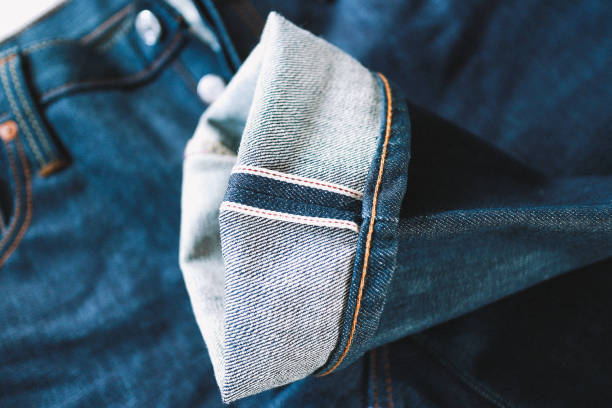
ライトウォッシュデニムは単なる季節のファッショントレンドではありません. 特定の洗濯哲学を表しています, ファブリックの動作, コストに直接影響する市場でのポジショニング, 耐久性, そして消費者の認識. ブランド向け, 小売業者, と調達マネージャー, 品質の問題を回避し、商業的な成功を最大化するには、ライトウォッシュデニムを技術レベルで理解することが不可欠です.
ライトウォッシュデニムとは何かを説明するガイドです, どのように生産されるか, 市場で最も優れたパフォーマンスを発揮する場所, そして、ブランドがChanghongのようなプロのデニム衣料品メーカーから調達する際に考慮すべきことは何ですか.
ライトウォッシュデニムとは?
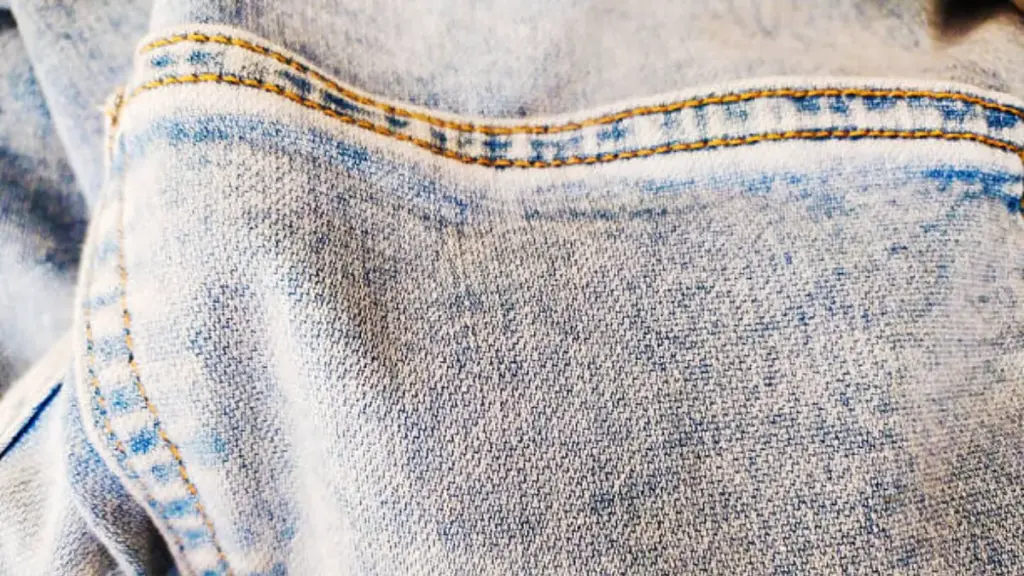
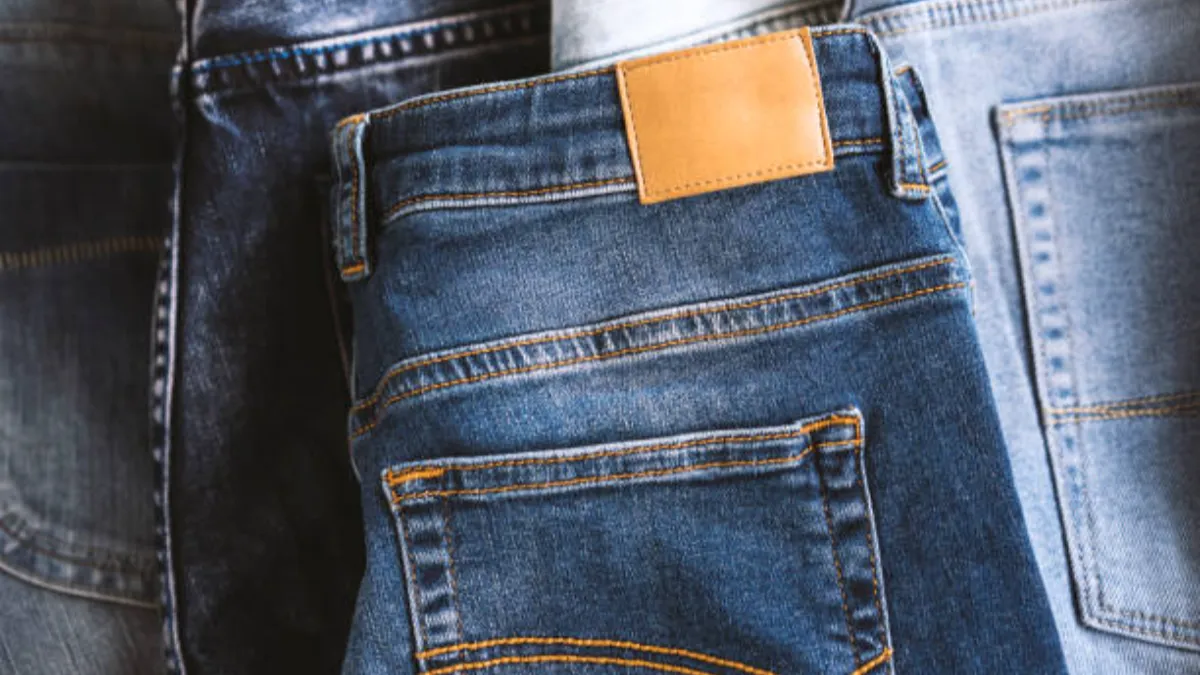
ライトウォッシュデニムとは、淡いブルーまたは色褪せに近い外観を実現するために、激しく洗浄または処理されたデニム生地を指します。. 生やとは異なり、 ダークウォッシュデニム, ライトウォッシュスタイルは意図的にインディゴ染料のかなりの部分を除去し、柔らかさを生み出します。, 使い古された外観.
主な特徴は次のとおりです。:
- 目に見えて明るいブルートーン, 時々白いハイライトが入る
- リラックスした, カジュアル, またはヴィンテージの美学
- 未洗いのデニムに比べて柔らかな手触り
- 生地の質感と構造の詳細の視認性が向上
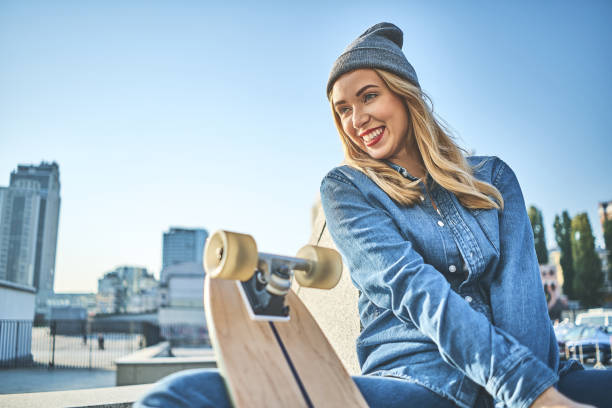
ライトウォッシュデニムは一般的に春と夏のコレクションに関連付けられています, しかし、ライフスタイルのために一年中使用されることが増えています, ストリートウェア, カジュアルファッション部門.
ライトウォッシュデニムができるまで
高品質のライトウォッシュデニムの生産には、管理されたプロセスが必要です. 過度の加工は生地の強度を弱める可能性があります, 下処理をすると色ムラが生じます, 黄ばみ, または鈍い表面. プロのデニム工場は以下の技術を組み合わせて使用します。:
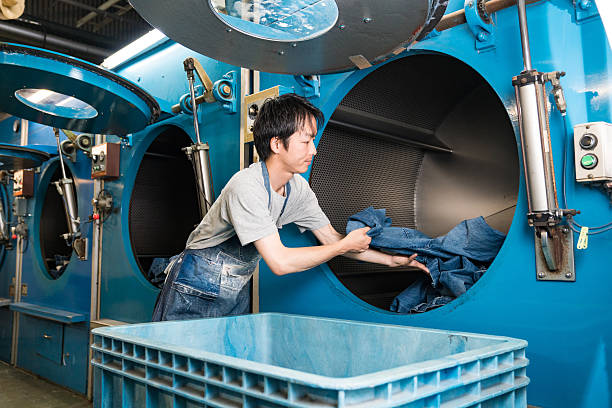
石の洗浄
石洗浄 軽石を使用してデニムの表面を研磨し、表面のインディゴを除去します, 自然に色あせた外観を作成する. ライトウォッシュデニムで, 生地の強度を損なうことなく明るさを実現するには、このプロセスを正確に制御する必要があります. 時間などの変数, 温度, ドラムスピード, 生地の重量と構造に基づいて、ストーンの比率が慎重にバランスが取られています。.
| 石の洗浄パラメータ | ライトウォッシュデニムの一般的な範囲 |
|---|---|
| 処理時間 | 20–45分 |
| 水温 | 40–50℃ |
| 石の種類 | 天然または合成軽石 |
| 石と衣服の比率 | 0.5:1 – 1.5:1 |
| ドラムスピード | 低~中回転 |
| 生地重量の目安 | 8–14オンスデニム |
酵素洗浄
酵素洗浄 セルラーゼ酵素を使用して、最小限の機械的ストレスで生地表面のインジゴ染料を分解します。. この方法により、色あせがより均一になり、生地の保存性が向上します。, 現代のライトウォッシュデニム生産に好まれる技術となっています。, 特に持続可能性と一貫性が優先される場合.
| 酵素洗浄パラメータ | ライトウォッシュデニムの一般的な範囲 |
|---|---|
| 処理時間 | 30-60分 |
| 水温 | 45–55℃ |
| pHレベル | 4.5-5.5 (酸性セルラーゼ) |
| 酵素濃度 | 低~中用量 |
| 機械的動作 | 最小限から中程度 |
漂白と中和
非常に淡い、または白に近い明るいウォッシュトーンを実現するには, ストーンまたは酵素洗浄の後に、制御された漂白を適用することができます。. 漂白は繊維の強度に直接影響するため, このステップは短いサイクルで実行され、その直後に化学活性を停止するための中和が続きます。.
| 漂白 & 無力化パラメータ | ライトウォッシュデニムの一般的な範囲 |
|---|---|
| 漂白時間 | 5–15分 |
| 水温 | 30–45℃ |
| 漂白剤の強さ | 軽度, 低濃度 |
| 中和時間 | 5–10分 |
| 中和剤 | 抗塩素または過酸化物中和剤 |
| 主要な品質リスク | 強度の低下, 黄ばみ |
すすぎと柔軟化
複数回すすぐと色が安定し、残留物が除去されます。, 柔軟剤は手触りとドレープを改善します. 最終乾燥パラメータも制御され、収縮を最小限に抑えます。.
で チャンゴン, 洗濯レシピは生地の重量に基づいてカスタマイズされます, 糸構造, ターゲット市場の要件. すべてのライトウォッシュスタイルは、外観のバランスをとるために生産前テストを受けています, 耐久性, 大量生産前のコスト効率.
ライトウォッシュデニム生産における品質リスク
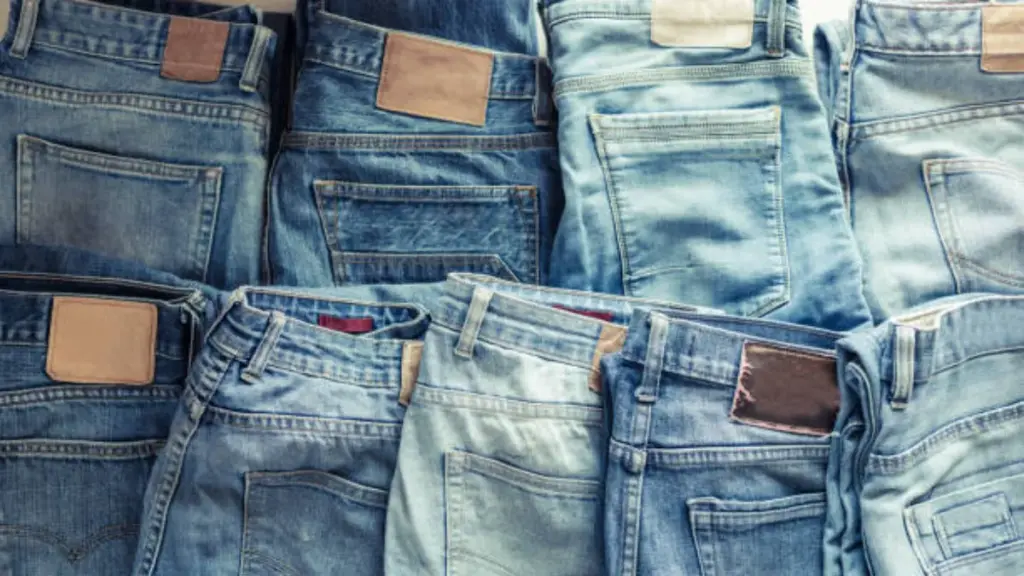
ライトウォッシュデニムは積極的な色除去が必要です, そのため、濃い色のウォッシュタイプよりもプロセス制御に対してはるかに敏感になります。. 生地に長時間の洗濯が施されているため、, 化学物質への曝露, そして機械的な動作, 品質リスクは衣服の製造中ではなく、洗濯段階の後に集中する傾向があります. ライトウォッシュデニムを大規模に調達するブランドにとって、これらのリスクを理解することは不可欠です.
生地強度の低下
拡大した石の摩耗, 酵素の投与量が多い, または長時間の漂白は綿繊維を破壊し、糸の引張強度を低下させる可能性があります。. これが起こったとき, 衣類は目視検査には合格しても耐久性テストには合格しない可能性があります, 引き裂きの原因となる, 縫い目の失敗, または消費者が着用した後の製品寿命の低下.
色ムラと黄ばみ
ライトウォッシュの色合いは変化をほとんど許容しません. ドラムの動きが不均一, 不安定なpHレベル, 中和が不完全だと斑点状の退色が発生する可能性があります, スジ跡, または黄色のアンダートーン. これらの問題はライトブルーまたは白に近いデニムで非常に目立ち、多くの場合大量拒否につながります。.
収縮と形状歪み
複数の湿式プロセスにより寸法変化のリスクが増加. 水温なら, 乾燥条件, または洗浄後の測定が厳密に管理されていない, 衣類が不均一に縮んだり、本来のフィット感やシルエットが失われる可能性があります。.
環境影響とコンプライアンスリスク
従来の軽い洗浄プロセスでは、大量の水と化学薬品が消費されます。. 最適化された洗浄レシピと回収システムがない場合, 工場はコスト高に直面する可能性がある, 規制圧力, 持続可能性への懸念.
ライトウォッシュ vs. その他のデニムウォッシュタイプ
- ライトウォッシュ vs. ダークウォッシュ: ライトウォッシュでカジュアル感を重視, リラックスした表情, 一方、ダークウォッシュはきれいなラインと多用途性を強調します.
- ライトウォッシュ vs. ミディアムウォッシュ: ミディアムウォッシュはより多くのインディゴと構造を保持します, フォーマルさと快適さのバランスを提供する.
- ライトウォッシュ vs. 酸洗浄: アシッドウォッシュによりハイコントラストのパターンが作成されます, 軽く洗うとより均一になります, 自然な色褪せ.
ライトウォッシュデニムは一般的に、より親しみやすく、ライフスタイルに合わせたものとして認識されています。, マスマーケットやトレンド重視のコレクションに最適です。.
カスタムデニム, あなたのブランドのために作られた
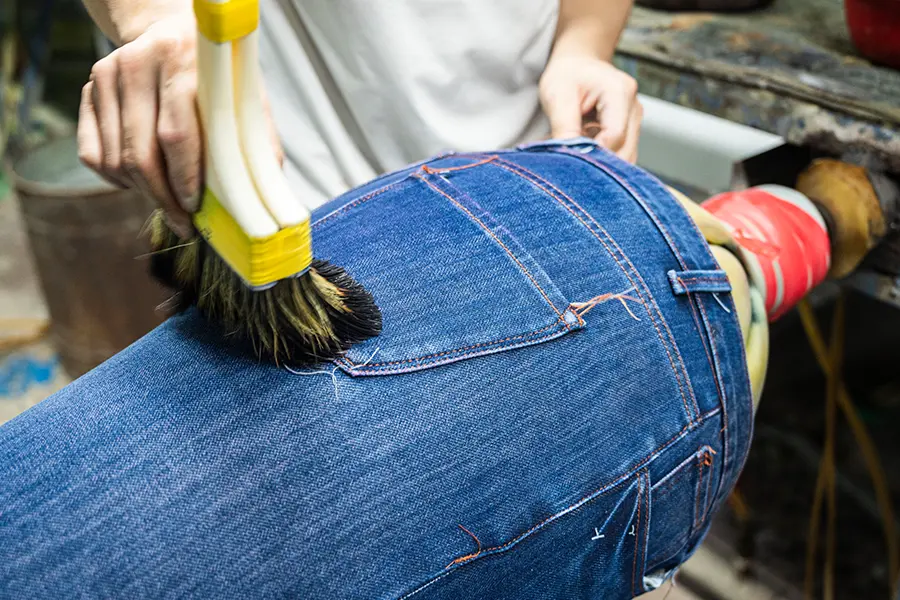
ライトウォッシュデニムを使用した人気の衣服タイプ
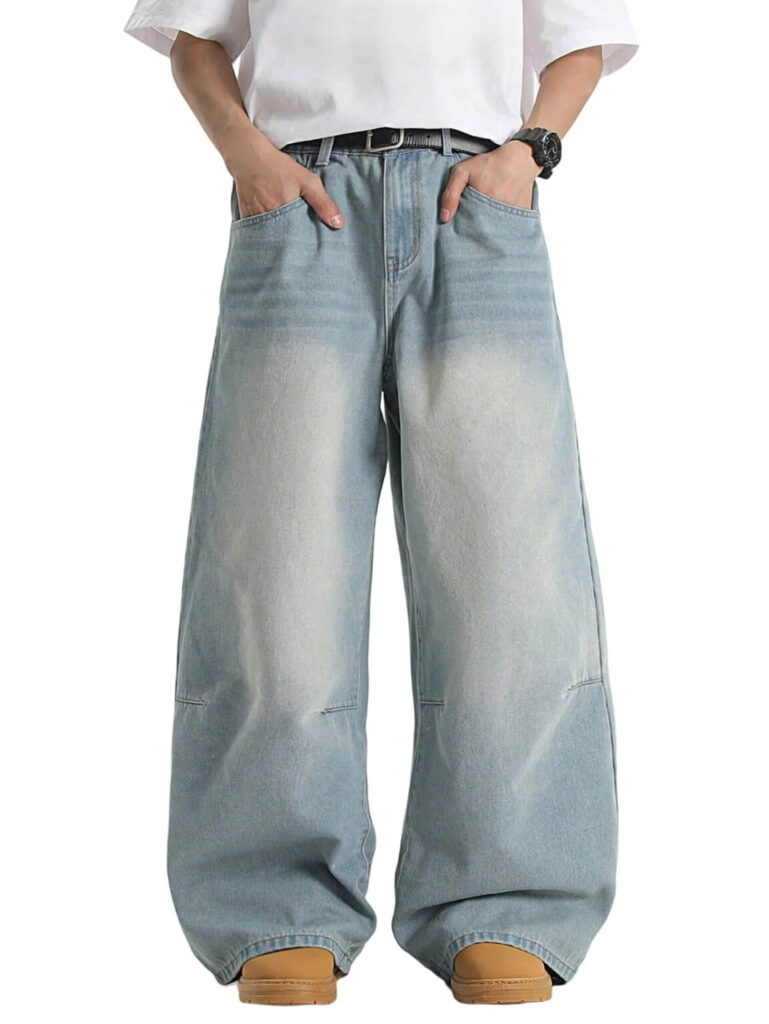
ライトウォッシュデニムは複数のカテゴリーで活躍します:
- メンズとレディースのジーンズ
- デニムジャケットとオーバーシャツ
- ショーツ
- スカートとドレス
- リラックスフィットのパンツ
- ヴィンテージ風のセット
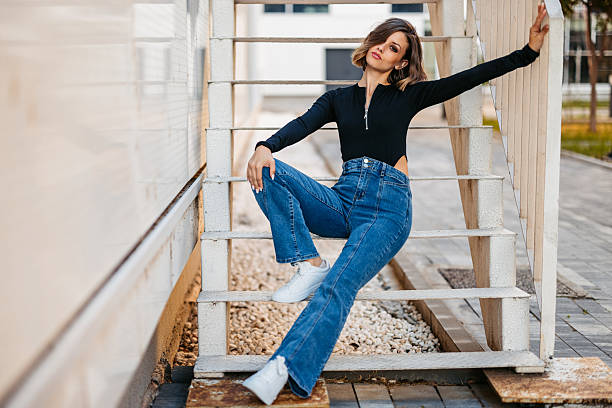
ゆったりとしたシルエット, まっすぐな脚, 幅広の足, レトロカットは、ライトウォッシュ仕上げで特に優れたパフォーマンスを発揮します。.
ブランドがライトウォッシュデニムを選択すべきとき
ライトウォッシュデニムは特に次のような場合に適しています。:
- カジュアル市場または若者向け市場をターゲットにする
- 春夏コレクションを発表
- ヴィンテージまたはレトロにインスピレーションを受けたスタイルの開発
- 着心地の良さと柔らかなフィット感を重視
- ミッドレンジからマスマーケットの価格セグメントで競争する
フォーマルウェアやパフォーマンス重視のデニム製品にはあまり適していない可能性があります。.
ライトウォッシュデニムを上手に調達する方法
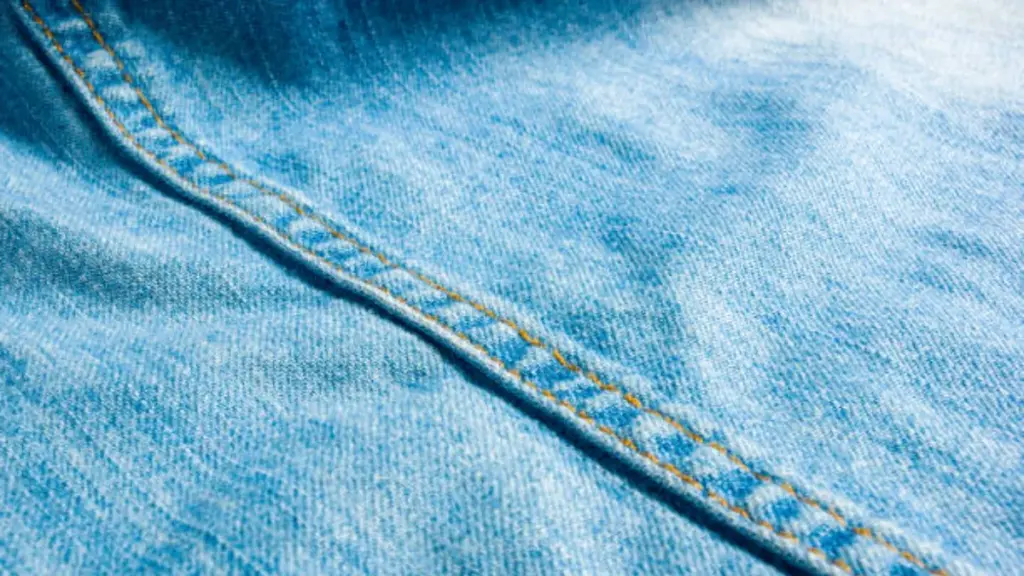
ライトウォッシュデニムを調達するには、色の基準を選択するだけでは不十分です. 軽いウォッシュはプロセスの欠陥をより露呈させやすいため, バイヤーは構造化された戦略を持って調達に取り組む必要があります.
1. 洗浄基準を明確に定義する
明確な視覚的参照を提供する, ターゲットシェード範囲, 許容可能な色の許容範囲. ライトウォッシュデニムはバリエーションの余地が限られています, そのため、開発中に洗浄基準を確認することで、大量生産における不一致を回避できます。.
2. バルク前の洗浄および適合サンプルの承認
必ず生産前の洗浄サンプルと適合サンプルをリクエストしてください。. 洗濯後の寸法には細心の注意を払ってください, 生地の強度, 繰り返し着用した後に衣服が期待どおりに機能することを保証する表面の外観.
3. メーカーの洗浄専門知識を評価する
社内での洗浄とライトウォッシュ生産の実績のあるデニム工場を選択してください。. プロセス管理について尋ねる, 試験方法, 異なるバッチ間で同じ洗浄を再現する機能.
4. 持続可能性とコンプライアンス能力を確認する
デニム衣料品のサプライヤーが酵素洗浄を使用しているかどうかを確認する, 節水システム, または管理された漂白方法. これらの実践により、環境と環境をサポートしながらリスクが軽減されます。 コンプライアンス要件.
ライトウォッシュデニムでチャンホンと協力する理由
Changhong は垂直統合型の 1 つです 中国のデニムメーカー カスタムウォッシュと高速対応生産に特化. 社内Rあり&D, 洗浄, と品質管理チーム, Changhong はコンセプトから大量納品までブランドをサポートします.
新しいライトウォッシュデニムコレクションを立ち上げる場合でも、既存のラインを拡大する場合でも, チャンホンが提供する:
- 柔軟なMOQオプション
- 迅速なサンプリングと開発
- 一貫した洗濯再現性
- 国際的な品質基準
- 海外バイヤー向けの専用コミュニケーション
最終的な考え
ライトウォッシュデニムは視覚的な魅力を兼ね備えています, 快適, 市場の多用途性 - ただし、技術的な精度で製造された場合に限ります. 正しい洗濯方法の選択, ファブリック, 製品が成功するか失敗するかを判断するのは製造パートナーです.
次のコレクションでライトウォッシュデニムを開発する予定がある場合, 経験豊富な工場と協力することで時間を節約できます, リスクを軽減する, 収益性の向上.
今すぐチャンホンに連絡してください ライトウォッシュデニムプロジェクトについて話し合うために, サンプルをリクエストする, またはカスタマイズされた生産見積もりを受け取ります.
よくある質問
デニム生地を軽くする方法?
デニムを明るくするには、通常、次亜塩素酸ナトリウムまたは過マンガン酸カリウムを使用した制御された酸化漂白が必要です。, またはラッカーゼなどのより穏やかな酵素/光漂白, 過酸化物, オゾン, またはレーザー治療. これらのプロセスは通常、生地の損傷を最小限に抑えながら明るい色合いを実現するために、タンブル洗濯機で約 45 ~ 60 °C で 15 ~ 30 分間実行されます。.
太陽光の下で写真を褪色させるのと同じような効果があります, マシン内でのみより速く、より制御されます.
漂白するとデニムの弾力性が損なわれますか?
漂白するとストレッチデニムの強度と伸縮性が低下する可能性があります, 特に次亜塩素酸塩ベースの強力な洗浄剤の場合. ライトウォッシュ効果を目的とした工業用漂白は、通常、許容可能な回復力と引張強度を維持するために制御された条件に限定されます。. 酵素のみまたは酵素プラスマイルドな漂白プロセスは、強力な漂白を組み合わせた強力な酵素ストーンウォッシュよりもエラスタンに優しいです。.
輪ゴムを伸ばしすぎるのと同じ, 化学的ストレスが大きすぎると、弾性繊維が切れたり、形が崩れたりする可能性があります.
ライトウォッシュデニムの洗い方?
ライトウォッシュデニムは洗濯機のデリケートコースで20~30℃で洗ってください。, 裏返しになった, 中性洗剤を使って, 塩素系漂白剤を避ける, 熱を加えずに自然乾燥させます. ストレッチデニムの場合, 漂白と酵素の段階を60℃以下に保つ, 中性pH, サイクルタイムを制御してエラスタン繊維を保護します.
目の細かいセーターのようにお手入れすることを想像してみてください。穏やかなサイクルと低温で形を保ちます。.
薄いジーンズが黄ばむのはなぜですか?
黄ばみは漂白剤の残留物によって引き起こされる可能性があります, 高い乾燥温度, パッケージング中のフェノール系酸化防止剤, または中和や精練が不完全な場合. これらの要因は、綿やエラスタンの酸化変色を引き起こします。. 業界では、AATCC などの黄変防止仕上げおよび試験方法を使用しています。 23 およびAATCC 114 この欠陥を防ぐために.
新聞紙を日光に当てておくのと同じで、化学反応により徐々に色が変化します。.
デニムの塩素臭を取り除く方法?
脱塩素剤を使用した脱塩素工程により塩素臭を除去します。, 亜硫酸水素ナトリウム 3g/L、40 ~ 50℃、10 分間、液比 1:5, その後徹底的にすすいでください. 不快な臭いや進行中の繊維劣化の原因となる残留塩素を中和します。.
処理後に残留する塩素を除去するためにプールで中和剤を使用するのと同じように機能します。.
ライトウォッシュデニムは夏にぴったりです?
ライトウォッシュのデニムは、生地の重さが平方ヤードあたり 5 ~ 10 オンスの場合、夏に適しています。, 暑い季節に適した軽量デニムと考えられています. 光の色は見た目の美しさに影響します, しかし、暑いときの快適さは生地の重さとフィット感により大きく影響されます。.
暑い日にウールではなくリネンを選ぶようなものです。日陰だけよりも重さと通気性が重要です。.