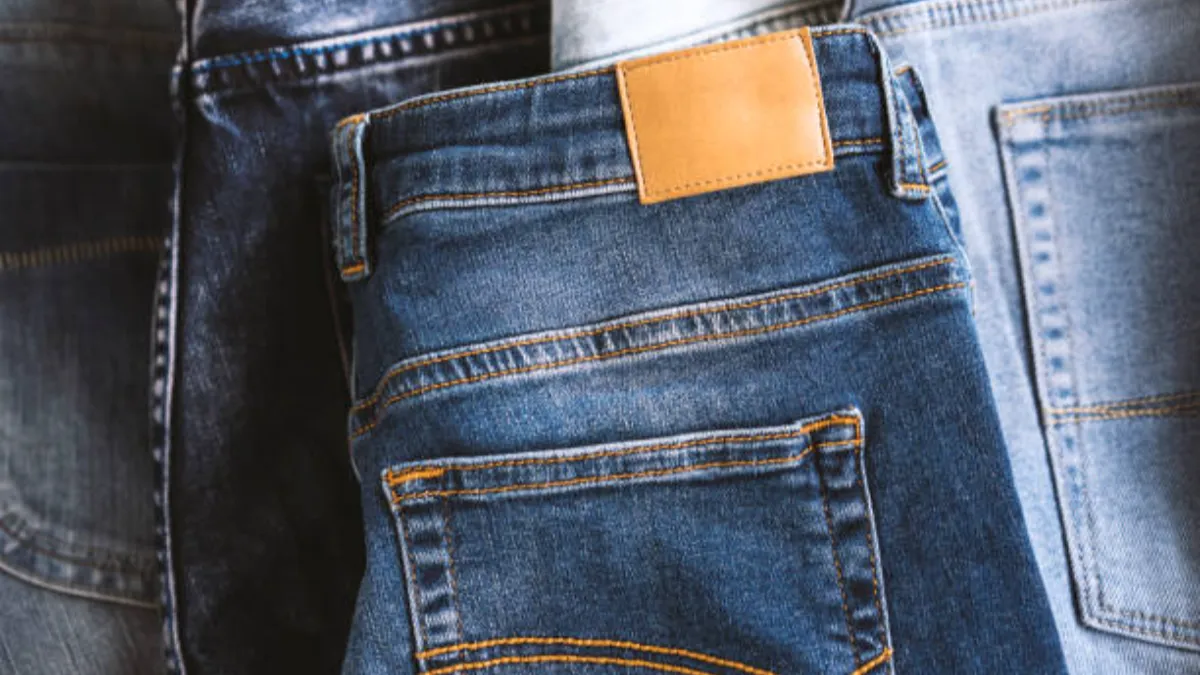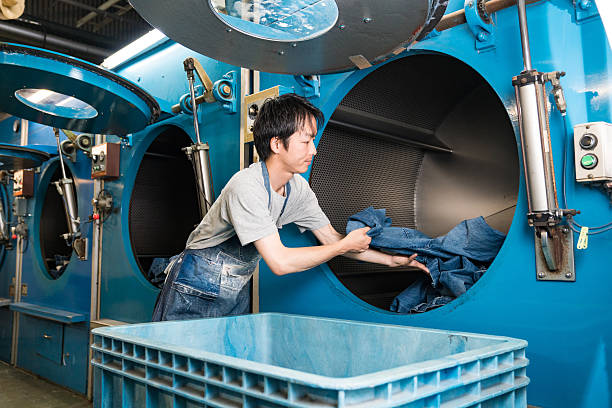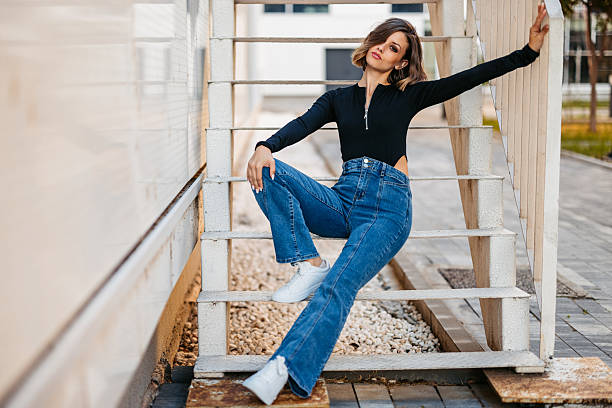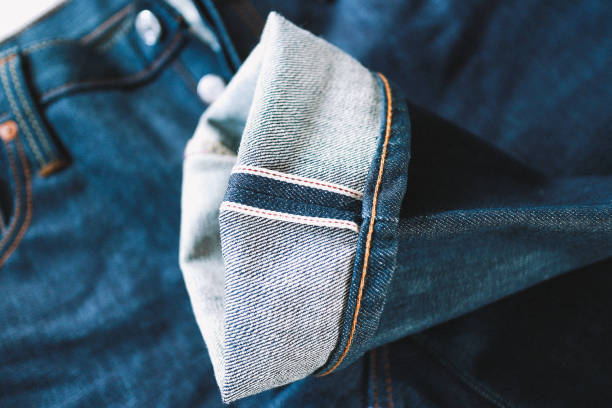
Kevlar o Dyneema? È la resa dei conti definitiva in termini di denim protettivo. Per marchi e produttori di abbigliamento, questa scelta definisce il posizionamento sul mercato, valutazione di sicurezza, e il costo di produzione della tua prossima collezione. Il Kevlar offre una leggendaria resistenza al calore per applicazioni pesanti, mentre Dyneema offre la resistenza leggera dell'era spaziale per linee urbane premium. Pronto a progettare un bestseller? Lasciamo perdere il clamore del marketing e scopriamo quale fibra è adatta alla tua linea di prodotti.
Cos'è il tessuto denim protettivo?
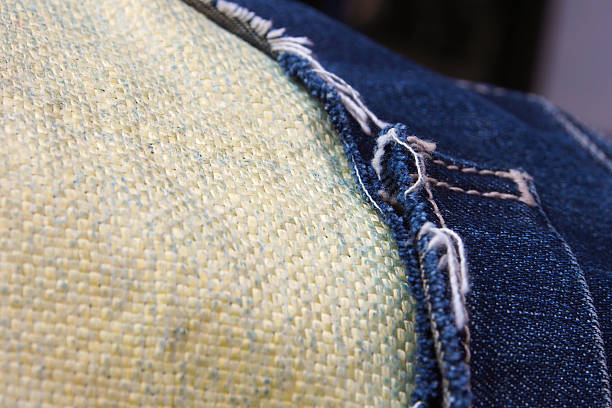
Il tessuto denim protettivo è un tessuto tecnico studiato specificatamente per il calore, fiamma, e protezione dall'abrasione. A differenza del denim della moda standard, questo tessuto specializzato utilizza fibre avanzate o trattamenti chimici per soddisfare rigorosi standard di sicurezza per ambienti pericolosi. Le sue principali applicazioni sono nei dispositivi di protezione individuale industriali (DPI) come indumenti da lavoro ignifughi e abbigliamento motociclistico ad alte prestazioni.
Per prendere una decisione di approvvigionamento informata, devi prima capire i due principali attori del mercato.
Cos'è il Kevlar Denim?
Il Kevlar è una fibra para-aramidica famosa per la sua resistenza al calore e alla trazione. Nel mondo del denim, Il Kevlar è usato raramente da solo; è tipicamente miscelato o utilizzato come rivestimento.
- Composizione: I livelli di miscela Kevlar variano a seconda dell'uso finale. Per esempio, 15–30% Kevlar è comune per gli indumenti da lavoro, mentre il 40–60% è adatto ad applicazioni ad alta protezione.
- Funzione: Fornisce un'eccezionale resistenza al calore e ai tagli. I produttori spesso raggiungono la norma EN 17092 Benchmark AA/AAA utilizzando rinforzi aggiuntivi in aramide dietro il guscio in denim.
Cos'è il Dyneema Denim?
Dyneema® (UHMWPE) è conosciuta come la fibra più resistente al mondo. Quando integrato nel denim, offre una proposta di valore completamente diversa: forza leggera.
- Composizione: Le fibre di Dyneema vengono solitamente tessute direttamente nell'ordito o nella trama del denim, consentendo “monostrato” protezione.
- Funzione: È noto per il suo eccezionale rapporto resistenza/peso e resistenza all'abrasione, rendendolo ideale per creare capi di abbigliamento resistenti ma leggeri che sembrano più simili ai jeans tradizionali.
Kevlar contro. Dyneema Denim: Differenze chiave nelle prestazioni
Quando si ingegnerizza un prodotto, stai bilanciando tre fattori principali: forza, peso, e resistenza al calore. Ecco come si confrontano i due.
Forza & Peso: Confronto della resistenza alla trazione
Dyneema® detiene il primato in termini di rapporto resistenza/peso. È 15 volte più resistente dell'acciaio a parità di peso. Ciò consente la creazione di jeans monostrato che superano i test di sicurezza senza fodere ingombranti.
Il Kevlar è incredibilmente forte ma è più pesante. Per ottenere la stessa resistenza all'abrasione del Dyneema, in genere è necessaria una trama più spessa o uno strato di rivestimento separato (risultando in un indumento più pesante, Spesso 16-21 oz/yd² per la massima resistenza).
Resistenza al calore: Spiegazione dell'attrito e dei punti di fusione
Questa è la differenza tecnica più critica.
- Kevlar: Ha un punto di fusione estremamente elevato ed è intrinsecamente resistente alla fiamma. In uno scivolo motociclistico ad alta velocità, l'attrito genera un calore immenso. Il Kevlar non si scioglierà nella pelle del ciclista.
- Dyneema: Sebbene forte, L'UHMWPE ha un punto di fusione inferiore rispetto all'Aramide. Tuttavia, le moderne miscele di denim Dyneema sono progettate per resistere all'attrito della strada, ma non offrono le stesse proprietà ignifughe degli FR a base di Kevlar (Resistente alla fiamma) indumenti da lavoro.
Comfort & Traspirabilità: Che è meglio per l'uso quotidiano?
Il comfort è il motivo principale per cui i ciclisti scelgono un tessuto rispetto all'altro, e questo è fortemente dettato dal metodo di costruzione del tessuto.
- Dyneema: Perché offre elevata resistenza con meno ingombro, Il denim Dyneema è spesso più fresco al tatto e più traspirante, rendendolo eccellente per la guida estiva.
- Kevlar: I tradizionali jeans foderati in Kevlar possono essere caldi e voluminosi grazie alla struttura a doppio strato. Tuttavia, più recente “miscele di conforto” stanno migliorando questo.
Per Suggerimento: Comprensione “Strato singolo” Costruzione
Sentirai spesso chiamare il denim Dyneema “Strato singolo.” Ciò significa che le fibre protettive sono tessute in il denim stesso, rendendo i jeans leggeri e freschi, proprio come il normale denim alla moda.
Tradizionalmente, I jeans Kevlar erano “Foderato” (o doppio strato), il che significa che uno strato separato di tessuto Kevlar giallo è stato cucito all'interno di un normale paio di jeans. Mentre questo offre un'ottima protezione, può essere più voluminoso e più caldo. Tuttavia, la tecnologia moderna ora consente anche miscele di Kevlar a strato singolo.
- Scegli Strato singolo (Dyneema) per il massimo comfort e stile in estate.
- Scegli Foderato (Kevlar classico) per il massimo isolamento termico e densità di abrasione in diapositive estreme.
Confronto rapido: Pro, Contro, e specifiche
| Categoria | Caratteristica | Kevlar (Aramide) Denim | Dyneema (UHMWPE) Denim |
|---|---|---|---|
| Pro & Contro | Pro (Il buono) |
• Estrema resistenza al calore (non si scioglierà) • Più conveniente & accessibile • Affidabilità comprovata da decenni |
• Incredibile rapporto resistenza/peso • Fresco al tatto & traspirante • Permette “singolo strato” comfort |
| Contro (Il cattivo) |
• Più pesante & più ingombrante (spesso richiede il rivestimento) • Intrappola il calore corporeo (può essere caldo) • Sensibile alla degradazione UV |
• Punto di fusione più basso (sensibile al calore) • Significativamente più costoso • Bassa elasticità in forma pura |
|
| Specifiche tecniche | Composizione della fibra | Fibra para-aramidica | Polietilene ad altissimo peso molecolare |
| Punto di fusione |
> 500°C (> 930°F) (Non si scioglie, si decompone) |
~145°C – 152°C (~ 293°F) (Può lucidare/fondere sotto elevato attrito) |
|
| Resistenza alla trazione | ca. 5x più resistente dell'acciaio | ca. 15x più resistente dell'acciaio | |
| Peso tipico del tessuto |
Pesante (14 – 24 Oz) (Peso del sistema: denim + liner) |
Da leggero a medio (12 – 15 Oz) (Tessuto a strato singolo) |
|
| Norma di sicurezza | Comune nell'AAA / Attrezzatura classificata AA | Comune negli AA / Una marcia nominale |
Migliora il tuo marchio: Produzione di denim su misura
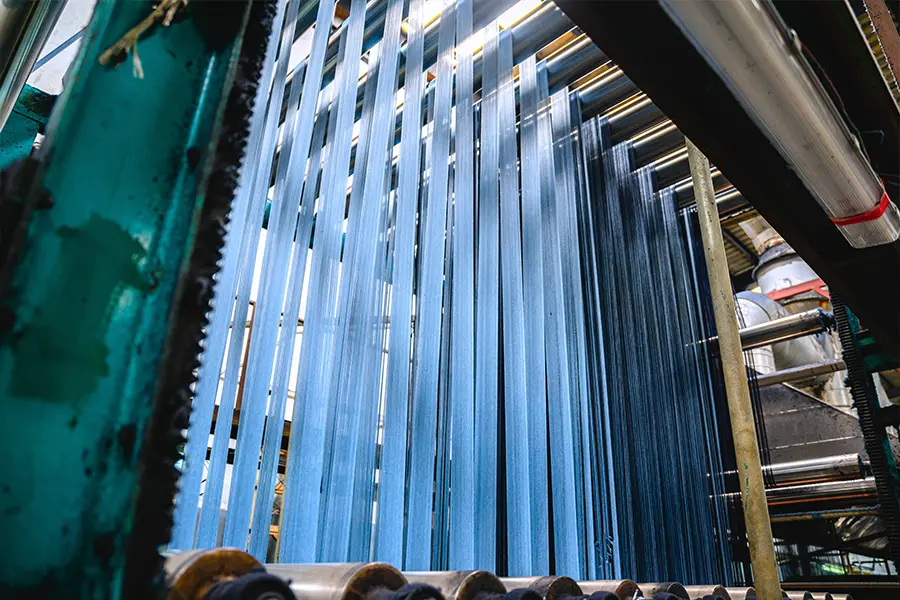
Come scegliere tra Kevlar e Kevlar?. Dyneema Denim
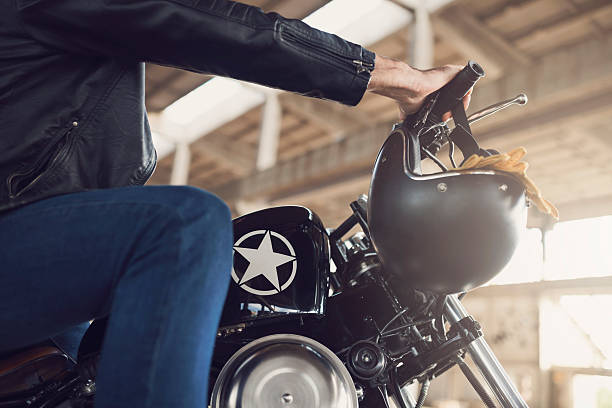
La tua scelta non dovrebbe riguardare solo “che è più forte,” Ma “come lo indosserà l'utente?” Attività diverse, rischi per la sicurezza, e gli ambienti richiedono proprietà materiali diverse.
Quando scegliere il Kevlar?
Ideale per: Touring in autostrada, corse su pista, e ambienti industriali pericolosi.
- Per la sicurezza in moto (Abrasione & Calore): In scenari ad alta velocità, una scivolata sull'asfalto genera un calore immenso. Stabilità termica del Kevlar (>500°C) non è negoziabile in questo caso: non si scioglierà nella pelle durante una scivolata.
- Per abbigliamento da lavoro industriale (FR & Taglio): Kevlar (Aramide) è lo standard di riferimento per l'abbigliamento da lavoro pesante. Se i tuoi utenti finali sono saldatori, elettricisti, o i lavoratori delle piattaforme petrolifere che corrono rischi di incendi improvvisi, l'arco lampeggia (NFPA70E), o tagli netti, Le miscele di denim Kevlar offrono la protezione necessaria che il cotone o il poliestere standard non possono fornire.
Quando scegliere Dyneema?
Ideale per: I cavalieri della città, pattinatori, e abbigliamento attivo che richiede leggerezza e resistenza.
- La logica: Gli utenti che danno priorità alla mobilità e al comfort spesso rifiutano i prodotti pesanti, ingranaggio foderato. L’elevato rapporto resistenza/peso del Dyneema consente la costruzione a strato singolo.
- L'applicazione: Crea un jeans che sembra, svanisce, e respira come un Levi's vintage 501 ma offre resistenza all'abrasione di livello industriale. Questo è il gold standard per “stile di vita” equipaggiamento protettivo, dove l'utente ha bisogno di muoversi liberamente senza essere appesantito.
Come controllare la qualità e le valutazioni di sicurezza del tessuto denim
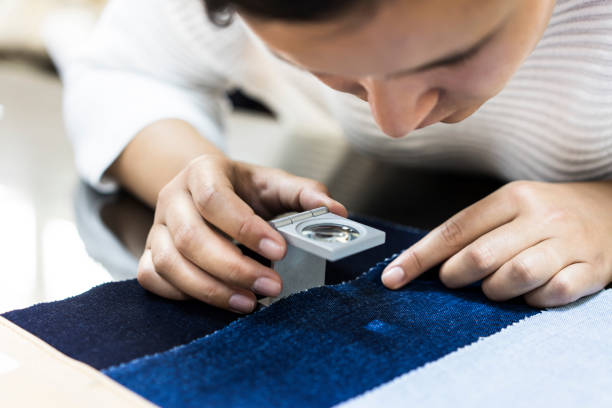
Per controllare tessuto denim qualità per le valutazioni di sicurezza in 2026, è necessario verificare la conformità agli standard internazionali.
Principali standard di sicurezza
- IN 17092 (Motociclo): Questo standard classifica i jeans da equitazione in denim in AAA (Alta velocità/Impiego pesante), AA (Touring/Impiego medio), UN (Servizio urbano/leggero), B, o classi C. Un tessuto denim classificato come “AA” offre una protezione dall'abrasione significativamente più elevata rispetto a un “UN” tessuto di classe ed è l'obiettivo più comune per l'attrezzatura in denim premium.
- Standard sull'abbigliamento da lavoro: Cerca NFPA 2112 (Fuoco lampo) o EN ISO 11612 per la protezione termica.
Test essenziali sulle prestazioni dei tessuti
Ai produttori piace CHANGHONG utilizzare rigorosi test di laboratorio per garantire la conformità:
- Abrasione da impatto: Utilizzando macchine come la Darmstadt per valutare il tempo necessario alla formazione della buca (cruciale per EN 17092).
- Forza allo strappo: Valutato utilizzando ASTM D751 (lacerazione della lingua) o ASTM D5733.
- Sicurezza chimica: Confermato tramite OEKO-TEX STANDARD 100, garantire che il denim sia privo di sostanze nocive.
Dove trovare denim protettivo di alta qualità
Acquistare il tessuto giusto è importante quanto scegliere la fibra giusta.
Approvvigionamento di denim Kevlar
I produttori che acquistano denim Kevlar dovrebbero rivolgersi ai lavoratori del settore tessile per il metraggio o a piattaforme B2B come Alibaba per i rotoli diretti in fabbrica.
- Specifiche chiave: Concentrati su percentuali di miscela specifiche (PER ESEMPIO., 15-60% Kevlar) e pesi del tessuto (12-16.5 Oz).
- Dove guardare: Piattaforme come Alibaba ospitano numerosi fornitori che offrono miscele di Twaron e Kevlar. Esempi specifici includono "Sporting Kevlar Selvage Denim" di Big Z Fabric’ (16.5 Oz).
Approvvigionamento di Dyneema Denim
L'approvvigionamento del vero denim Dyneema® implica in genere la collaborazione con partner specializzati approvati, poiché l'acquisto diretto da parte del consumatore è raro.
- Partner: Cerca stabilimenti industriali specializzati come IBQ, Lenzi Egisto, Naveena Denim, o Toyoshima.
- Personalizzazione: Fabbriche come Changhong offrono produzione personalizzata (OEM/ODM), permettendoti di integrare le fibre Dyneema in trame personalizzate, lavaggi, e stili con MOQ bassi.
Perché scegliere fabbriche specializzate per il denim ad alte prestazioni?
Realizzare denim che soddisfi elevati standard funzionali richiede molto più che un semplice design; richiede di trattare la creazione del tessuto come un sistema ingegnerizzato.
- Ingegneria di precisione: Gli stabilimenti specializzati applicano cancelli numerici in ogni fase, dalla imbozzimatura dell'ordito (migliorando la resistenza all'abrasione) per il controllo dell'umidità del fascio (proprietà tensili stabilizzanti).
- Processi avanzati: Utilizzano tecniche specifiche come la bruciatura controllata e filati di cotone-elastan core-spun per garantire che il prodotto finale soddisfi “Mondo reale” richieste di prestazioni.
Dai vita alla tua visione con il partner giusto
Comprendere le differenze tecniche tra Kevlar e Dyneema è fondamentale, ma è solo metà della battaglia. La vera sfida per qualsiasi marchio è garantire questi materiali di prima qualità e trovare un produttore abbastanza esperto da gestirli.
Non devi navigare da solo in questa catena di approvvigionamento.
Con eccesso 20 anni di competenza, CHANGHONG è più di una semplice fabbrica: siamo il tuo partner strategico per la produzione di denim personalizzato di alta qualità. Offriamo soluzioni complete e one-stop, il che significa che gestiamo tutto, dall'approvvigionamento dei tessuti con le prestazioni esatte (se Kevlar, Dyneema, o miscele specializzate) al taglio di precisione, cucire, e finitura sostenibile.
Che tu sia un'etichetta emergente o un marchio affermato, le nostre strutture avanzate e il nostro impegno per la sostenibilità garantiscono che i vostri dispositivi di protezione soddisfino i più elevati standard globali. Non lasciare che l’approvvigionamento dei materiali ti rallenti. Trasformiamo i vostri concetti tecnici in una realtà pronta per il mercato.
Domande frequenti
Che è più costoso: Denim Kevlar o Dyneema?
Dyneema ha sicuramente un prezzo premium grazie alla sua avanzata tecnologia a strato singolo. Il Kevlar è più consolidato e conveniente, rendendolo intelligente, scelta economicamente vantaggiosa per le linee di prodotti protettivi di fascia media.
Come funziona Denim in cordura paragonare a Kevlar e Dyneema?
Pensa a Cordura come al “Livello di ingresso” campione. È conveniente e durevole, ma manca dell'estrema resistenza alla trazione del Kevlar o del Dyneema. È perfetto per l'attrezzatura urbana economica.
Questi tessuti possono essere lavati come i normali jeans?
SÌ, ma trattali con delicatezza! Utilizzare un ciclo di lavaggio a freddo e asciugare sempre all'aria. Evitare asciugatrici ad alta temperatura, soprattutto con Dyneema, per proteggere le fibre ad alte prestazioni dal degrado.
Qual è la durata del denim protettivo?
Le fibre protettive possono durare per anni se non si schiantano. Tuttavia, tenere il Kevlar lontano dalla luce solare diretta durante la conservazione, poiché i raggi UV possono degradare le fibre aramidiche nel tempo.
È “Strato singolo” il denim è migliore del denim foderato?
Dipende dall'obiettivo! Strato singolo (Dyneema) vince per il comfort e lo stile estivo. Foderato (Kevlar) vince per il massimo isolamento termico durante uno scivolo ad alta velocità. Scegli in base al tuo clima.