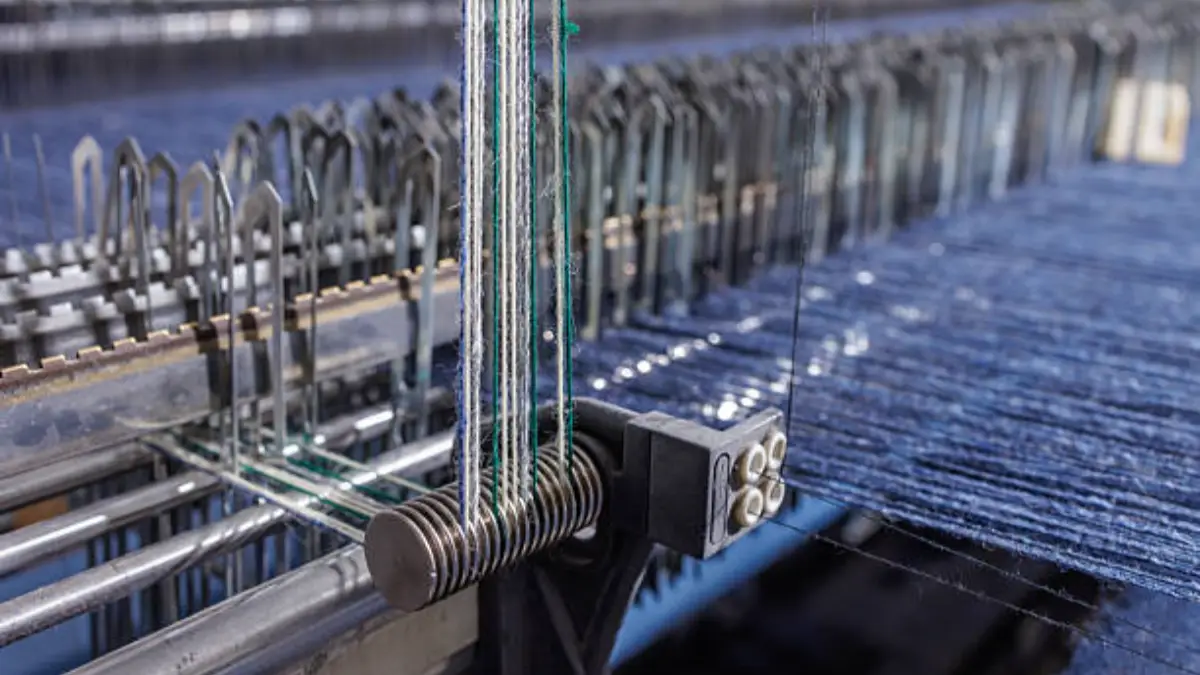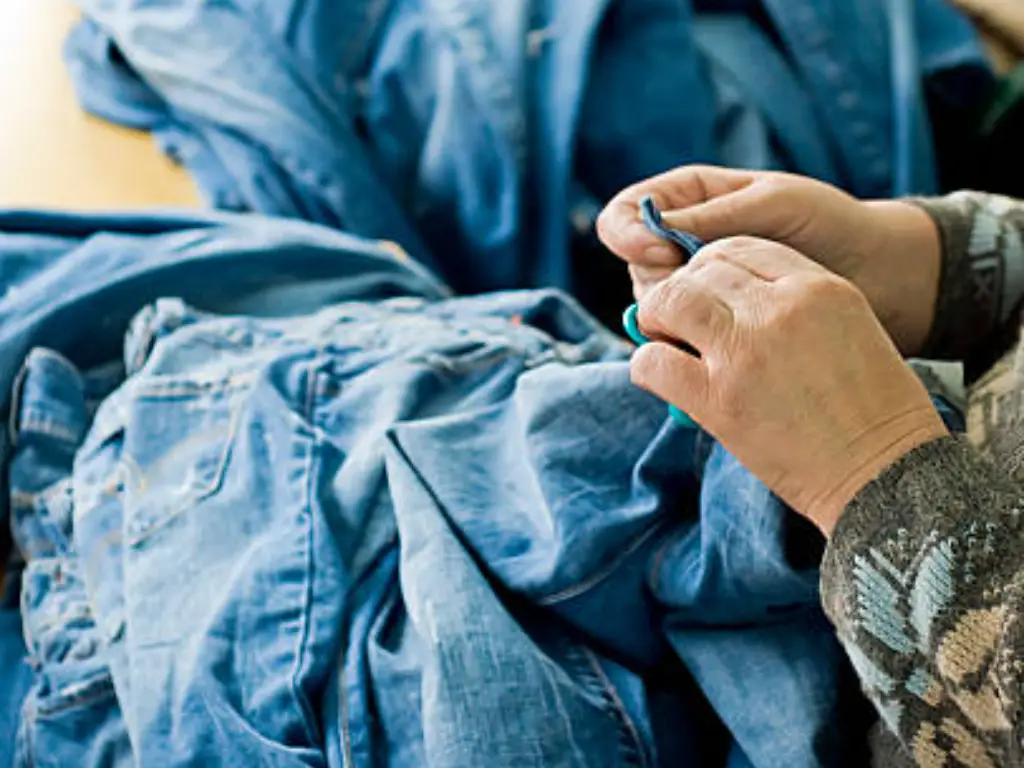
A rigorous denim sampling process dictates whether your mass manufacturing run succeeds or fills your warehouse with defective inventory. Moving straight to bulk cutting without validating physical prototypes exposes your brand to expensive technical failures like asymmetrical leg twist and uncalculated waist growth.
This breakdown establishes a predictable timeline for moving from initial tech packs to final pre-production models. We evaluate how to control the $1,500 average development cost per style and secure a five-day turnaround for basic prototypes without compromising strict fit tolerances or finish targets.
Why Sampling Matters in Denim Production
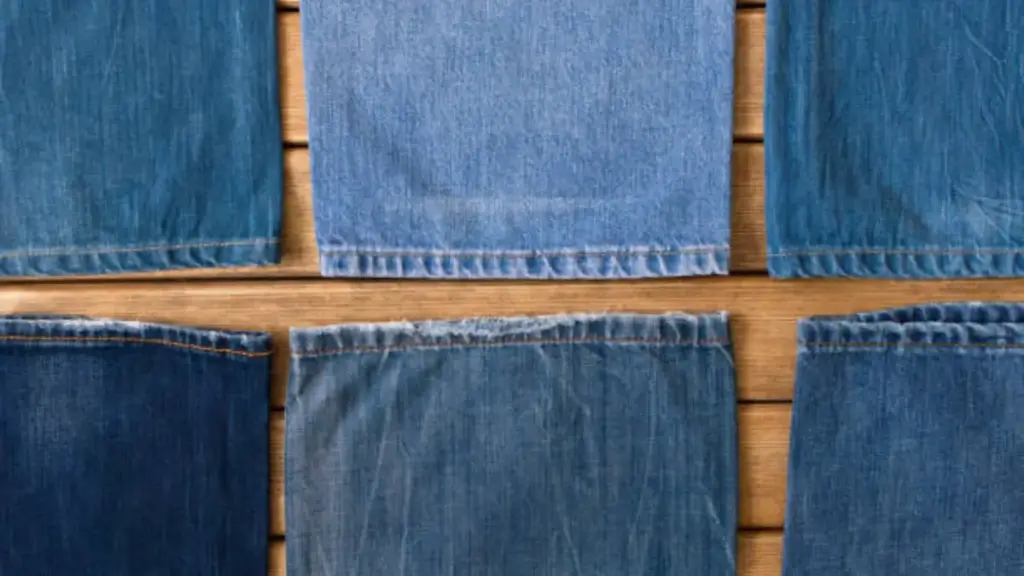
Sampling intercepts expensive production errors early. It tests how denim stretches, shrinks, and washes in the real world before you commit to a massive bulk order.
Mitigating Risks and Controlling Production Costs
A thorough sampling phase catches expensive fabric faults and production inefficiencies long before you scale to bulk runs. Operators cut early samples in slow, precise, single layers. Bulk production operates entirely differently, using high pressure to cut multiple fabric layers simultaneously.
This shift in speed and technique exposes hidden technical problems. Running small pre-production pilots tests actual manufacturing conditions and prevents specific defects that routinely ruin large orders, शामिल:
- Waist growth: Fabric stretching beyond specifications during rapid sewing cycles.
- Leg twist: Asymmetrical fabric pulling caused by improper tension and alignment.
- Inconsistent stretch recovery: Poor elasticity retention in stretch denim post-assembly.
Validating Fit, कपड़ा व्यवहार, and Wash Results
Physical prototypes transform your technical packs into testable garments. This allows technical designers to evaluate seam balance and stitch tension on actual fabric rather than digital models. Once the initial structure holds up, production teams put fit and size sets through rigorous physical trials.
Evaluating the garments across diverse body types with movement tests like squats and lunges refines sizing accuracy. These real-world checks reveal exactly where tension lines stress the fabric. अंत में, wash sampling acts as the critical reality check for denim finishes. Testing small batches confirms colorfastness and post-wash feel, ensuring the final denim matches your original design expectations without unwanted shrinking or fading.
What to Prepare Before Requesting a Sample
Preparation dictates production speed. A flawless tech pack, accurate fabric references, and exact size specs turn a costly sampling phase into a fast, predictable process.
Tech Pack Essentials
The tech pack acts as your contract with the manufacturer. If it lacks detail, you pay for the factory’s guesswork in wasted time and ruined samples. Give them zero room for interpretation.
- Measurements and Tolerances: Compile exact garment specs, size grading rules, सीवन भत्ते, and strict tolerances.
- Construction Methods: Detail specific stitch types, seam finishes, and pocket placements.
- Trims and Hardware: List all suppliers, Pantone colors, and precise placement diagrams.
- Visual Guides: Include flat sketches, 3D views, and precise washing instructions for पत्थर धोना or whiskering.
- Material Specs: Outline denim GSM, yarn details, and required colorfastness ratings.
- Quality Standards: Define fit parameters, baseline sizes, and requirements like eco-denim certifications.
Fabric and Wash References
Factories cannot guess your intended handfeel or fade. You need to provide exact physical targets to align their sample execution directly with your design intent.
- Denim Selection: Specify GSM weights, yarn types like ring-spun for texture, and stretch content percentages.
- Physical Swatches: Send actual fabric swatches, धागे, and hardware samples to guarantee accurate matching.
- Wash Targets: Supply pre-washed denim pieces or detailed photos to demonstrate specific fade and distressing effects.
- Treatment Processes: Define expected processes like एंजाइम धुलाई or laser distressing along with lab testing criteria.
- Fit Reference: Send a physical garment in a similar fabric to guide the initial prototype creation.
Size Specs and Fit Requirements
A perfect wash is useless if the jeans fit poorly. Lock in your dimensional controls and tolerances early to prevent costly adjustments after the factory cuts the fabric.
- Spec Sheets: Create a complete document with base measurements for the waist, इनसीम, and rise.
- Grading Rules: Establish clear size increments and tolerance ranges across the smallest to largest sizes.
- Fit Standards: Set ease allowances and specific movement tests to identify potential stress points early.
- Base Fit Sample: Request an initial base size sample to verify the overall silhouette and construction quality.
- Size Set: Order a comprehensive size set to confirm grading accuracy before authorizing bulk production.
- Consistency Benchmarks: Keep approved pre-production samples as the gold standard throughout the manufacturing run.
प्रीमियम कस्टम डेनिम के साथ अपने ब्रांड को ऊपर उठाएं
Step-by-Step Denim Sampling Process
Denim sampling bridges design and bulk manufacturing. Over two to three weeks, you lock down patterns, test wash behaviors, and approve physical prototypes to prevent costly production errors.
| Sample Type | Primary Purpose | Key Focus Area |
|---|---|---|
| Fit Sample | Validate garment structure | Measurement accuracy |
| Wash Sample | Establish finish targets | Color and texture |
| Shade Band | Categorize wash variations | Bulk consistency |
| Pre-Production (पीपी) | Final bulk authorization | Actual fabrics and trims |
Core Stages of Sample Creation
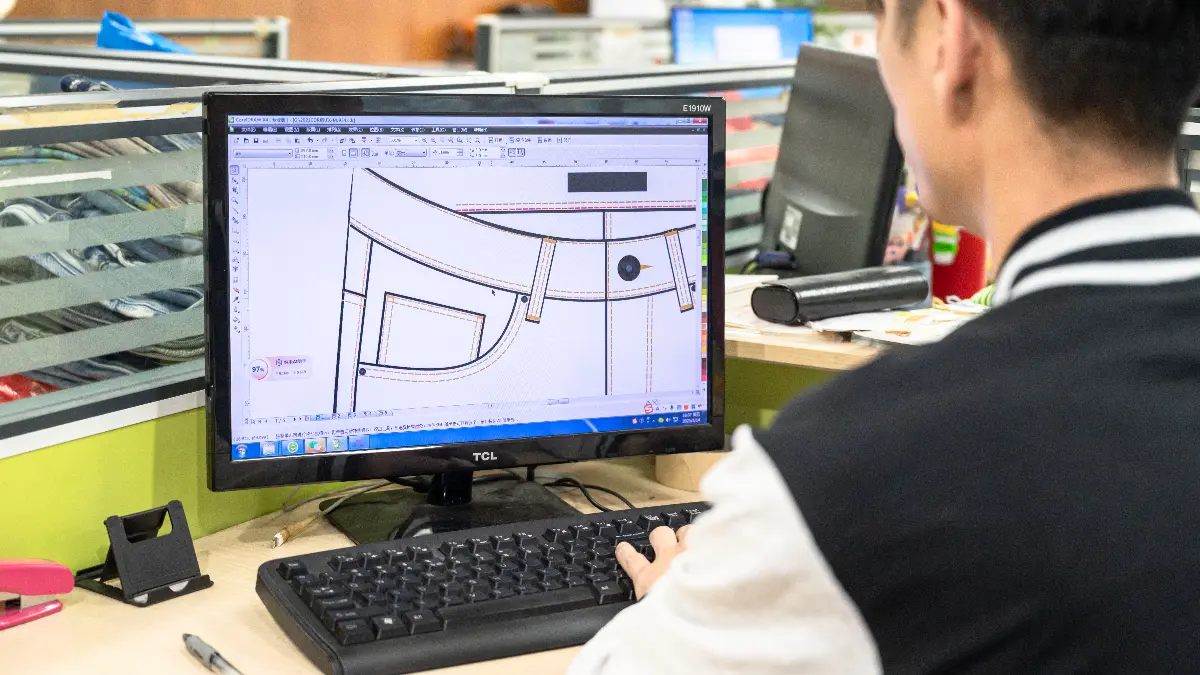
Creating a reliable denim sample requires a precise sequence to move from a flat design to a functional garment. Teams execute several distinct phases to build and refine the initial prototype.
- Pattern development: Establishes the foundation using design specifications and technical packs.
- Material sourcing: Production teams source specific डेनिम कपड़े and select wash-resistant trims.
- Cut and sew operations: Technicians assemble the initial prototype garment.
- Washing stage: Evaluators test finish performance, रंग स्थिरता, and material reactions.
- Quality control: Personnel verify construction details and adherence to strict fit standards.
Sample Types and Approval Cycles
You rarely get a perfect pair of jeans on the first try. The sampling phase spans two to three weeks, often requiring two or three iterations to secure final approval. Each round isolates specific variables to ensure the factory can replicate the design at scale.
- फिट नमूने: Demand precise measurement accuracy against the original technical pack specifications.
- Wash samples: Establish accurate finish targets without focusing heavily on exact sizing measurements.
- Shade band samples: Categorize five to seven distinct wash shades to ensure color consistency before bulk runs.
- पूर्व-उत्पादन नमूने: Incorporate all final trims and serve as the final physical contract before full manufacturing.
Timeline for Sample Development
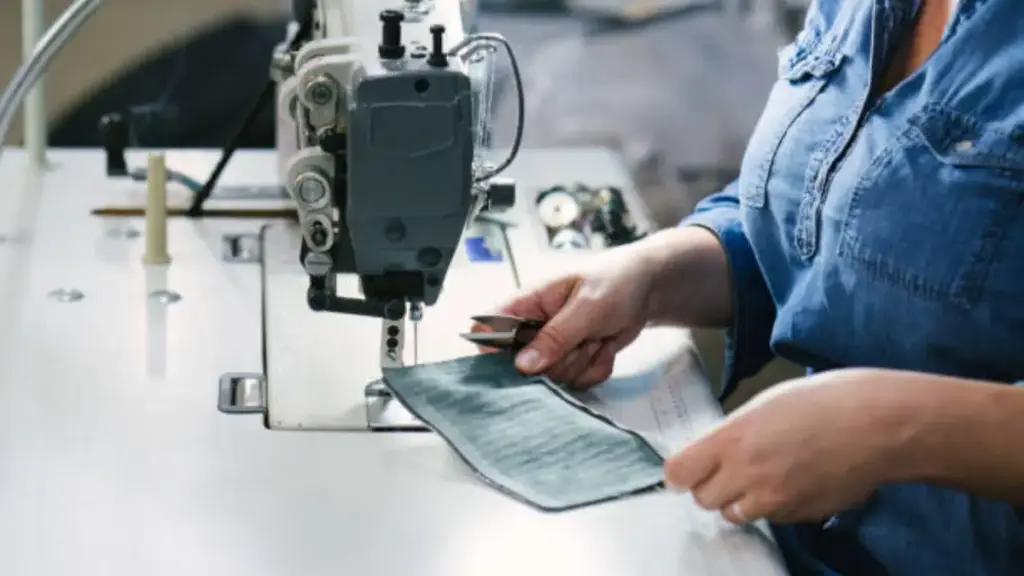
Developing a jeans sample takes five days for a basic prototype and up to four weeks for a fully approved pre-production model, depending on complexity.
Stages of the Sampling Process
Moving a denim concept from a sketch to a physical prototype follows a tight sequence. Teams execute each stage to lock down fit and construction details before mass production.
- Pattern Development: Design teams draft sketches, create digital patterns, and grade sizes within one to three days.
- Sourcing and Cutting: Sourcing stock denim and cutting patterns takes one to two days.
- Assembly: Sewing and assembling prototype panels, जेब, and rivets require one to three days for basic styles.
- Fit Revisions: Brands conduct multiple fit reviews and markups over one to two weeks to finalize the pre-production sample.
Factors Influencing Development Time
Standard timelines serve as a baseline, but specific project requirements dictate the actual schedule. Operational constraints and design choices routinely shift delivery dates.
- Design Complexity: Complex features like custom washes, विक्षुब्ध, and organic cotton dyeing add up to two extra weeks.
- Approval Speed: Prompt communication during fit approvals prevents delays and keeps the schedule on track.
- Factory Operations: Factory capacity and bulk production priorities dictate how fast teams finish small sample runs.
- Material Readiness: Pre-approved trims and readily available stock materials cut days off the overall timeline.
How to Review Samples and Request Revisions
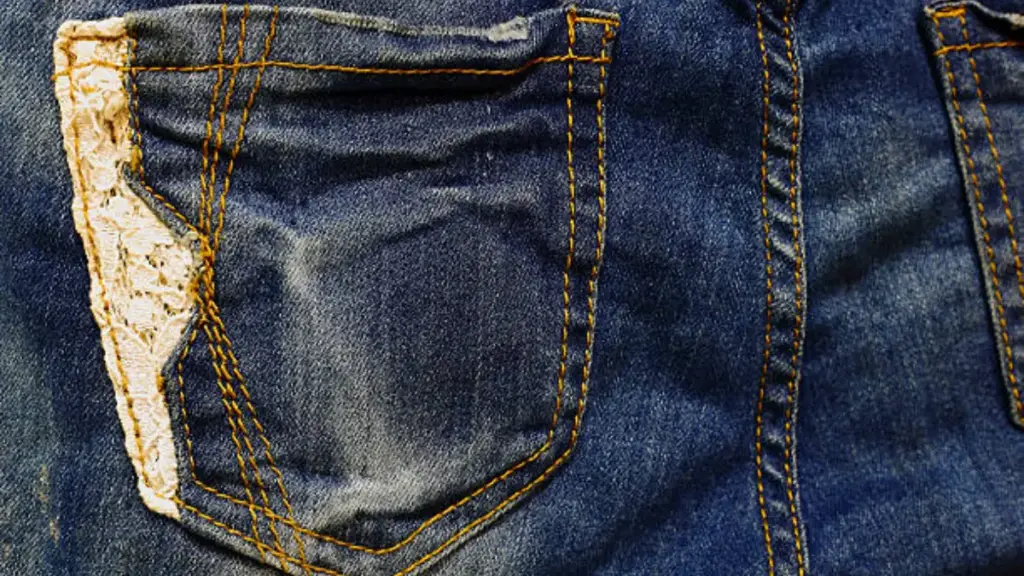
Reviewing samples requires precise measurement against tech packs, physical wear tests, and strict material evaluations to lock in quality before scaling to bulk production.
Fit Adjustments
Start the review by placing the sample on a flat surface. Use a hard edge ruler and tape measure to check every point of measure (POM) against your tech pack. Compare front and back measurements to spot deviations outside your tolerances, and document them explicitly. अगला, evaluate the fit on a dress form matching your base size and run a functional wear test to check mobility. You can pin the garment to temporarily correct fit issues without cutting or damaging the fabric.
Once you identify the necessary adjustments, update your spec sheets. Include photos that clearly show the issues on the form or model, and send the factory a direct call-to-action outlining exactly what to change for the next prototype.
Wash and Fabric Approval
Evaluate the fabric’s texture, टांगना, वज़न, and material composition to ensure it matches your tech pack. If you doubt the fiber content, run a quick burn test. You also need to verify the accuracy and secure attachment of all trims, बटोन, ज़िपर, और लेबल, alongside the execution of any dyeing, printing, or embellishments.
To prevent costly surprises, request fabric shrinkage and colorfastness reports from the manufacturer immediately. Compare approved fabric swatches to the actual prototypes to confirm consistent color and wash effects before giving the green light for bulk production. Always keep a signed, dated reference sample to enforce your quality standards, and jump on a video call with the factory to communicate your required revisions directly.
Construction and Detail Checks
Scan the entire garment from top to bottom, then flip it inside out to check the seam allowances and interior finishing. Inspect the construction for stitching defects like loose threads or puckering, and gently pull on the seams to test for breakage or slippage.
Compare the physical sample side-by-side with your tech pack’s technical sketches and construction callouts. Take clear photos to document any flaws, use digital marking tools to highlight problem areas, and update your technical sketches with this specific feedback. अंत में, retain a physical, approved pre-production sample that reflects every finalized detail. This physical benchmark is your best defense against discrepancies during bulk production.
Sample Cost and What You Are Paying For
Denim sampling costs reflect expert labor and risk reduction, not just raw materials. Expect to pay around $1,500 per style for full technical development before bulk production. For more detail cost breakdown of custom denim jeans, यहाँ क्लिक करें to know specific.
Breakdown of Denim Sampling Fees
A single denim sample costs significantly more than a mass-produced unit. The industry average hovers around $1,548 per style. This price tag covers the entire pre-production ecosystem, including material sourcing, precise pattern making, sample construction, and comprehensive tech-pack development. You are funding high-level technical expertise rather than just buying raw fabric.
- Labor Rates: Senior technicians handle manual cutting and sewing at shop rates between $26 और $85 घंटे से.
- Key Components: Fees cover custom pattern making, sourcing specific denim weights, executing multiple fit revisions, and handling logistics.
- Production Setup: Low-volume, high-skill environments naturally push individual sample costs far above bulk manufacturing prices.
Pricing Models and Cost Drivers
Suppliers approach pricing differently based on their setup and the project’s demands. Design complexity immediately impacts the final bill. Tailored fits, multi-color prints, and heavy imported denim all drive up material and handling expenses.
- Pricing Systems: Suppliers charge flat fees for full packages, hourly shop rates, or upfront fees that often act as refundable production deposits.
- Duplicate Fees: Using external sampling services before selecting a manufacturer often doubles costs. Factories still require their own internal production samples before running bulk.
- Budget Control: Request itemized quotes and provide complete tech packs or toiles. This limits expensive revisions and keeps your development budget intact.
Moving from Sample to Bulk Production
Transitioning from denim samples to bulk requires locking in final specs, sourcing materials early, and running pilot tests to prevent expensive wash or fit errors at scale.
Critical Steps for Initiating Bulk Denim Manufacturing
The jump from small-batch sampling to full-scale manufacturing exposes every flaw in your process. You are moving from a controlled environment with manual, slow construction to a high-speed line focused on yield. To handle this shift without dropping quality standards, you need a rigid handover protocol.
- Compare pre-production samples to tech packs: Before you finalize the reference piece, strictly evaluate fit, रंग, and wash effects against your original specifications.
- Source bulk fabric and trims early: Secure your yardage and hardware immediately, verifying all components against approved samples and global supply chain certifications.
- Run pre-production pilot tests: Push a small batch through actual bulk processes to identify operational bottlenecks and technical issues before full-scale manufacturing begins.
Mitigating Production Risks During the Transition
Bulk production amplifies tiny errors. Single-layer sample cutting behaves entirely differently than multi-layer bulk cutting under high pressure. Managing these variables protects your bottom line and prevents thousands of units from ending up as dead stock.
- Account for fabric relaxation and layered cutting effects: Stretch denim styles demand extra attention. Build in proper relaxation time before stacking fabric to prevent severe fit discrepancies on the cutting table.
- Categorize shade bands from bulk fabric: Sort your incoming yardage into distinct shade groups to maintain wash consistency across the entire order.
- Implement in-process quality control inspections: Use digital scanners to inspect garments continuously on the line, catching sewing flaws and fabric defects before they ruin a batch.
अंतिम विचार
Skipping a rigorous sampling phase might save you a few upfront dollars, but it exposes your bulk order to catastrophic fit and wash failures. Investing in a precise pre-production process is the only proven way to safeguard your margins against costly manufacturing defects.
Stop guessing on your next denim line and start testing physical garments. We recommend initiating a custom sample order to verify fabric performance and construction accuracy firsthand. Contact our production team with your tech pack to map out a precise development timeline.
अक्सर पूछे जाने वाले प्रश्नों
How long does it take to get a clothing sample?
Denim sampling usually takes 2 को 4 weeks from initial development to final approval. You need this time for pattern making, कपड़े की सोर्सिंग, fit revisions, और गुणवत्ता की जाँच. Basic styles take about 2 हफ्तों. Complex cuts or custom washes push the timeline to the full 4 हफ्तों.
What is a tech pack for jeans?
A tech pack acts as the detailed blueprint you give manufacturers to communicate exact design, material, and production specs. For jeans, it includes flat sketches, a bill of materials (बीओएम), measurement tolerances, grading rules, and construction details. A solid tech pack ensures accurate sampling and stops production errors before they happen.
How much does a custom denim sample cost?
Manufacturers usually charge $30 को $60 per basic custom denim sample. But a full development cycle adds up fast. Factoring in multiple fit iterations, custom features, hardware molds, and express shipping, you should expect total costs to land between $1,000 और $3,000 before you approve bulk production.
How many revisions are included in sampling?
Brands typically run through 2 को 5 revisions across the core sampling stages. A standard workflow includes an initial fit sample, one or two revised fit samples, and a final pre-production sample. This cycle refines the fit, निर्माण, and overall quality before you commit to mass manufacturing.
What is a “पूर्व-उत्पादन” sample (PPS)?
A pre-production sample is the final prototype built using actual bulk fabric, ट्रिम्स, धुलाई, and production-line methods. It acts as a physical contract. It verifies design accuracy, उपयुक्त, संकुचन, और गुणवत्ता. Approving the PPS gives the factory the green light to fire up bulk manufacturing.
How do I ensure the wash on my sample replicates in bulk?
You must develop standardized recipes and run pilot tests to replicate sample washes in bulk. Document exact parameters from your samples, like chemical dosing and mechanical action. तब, test small batches in industrial machines. You need strict control over fabric consistency before scaling up to full production loads.