Vous avez décidé de vous éloigner du denim classique. Maintenant vient le choix le plus difficile: devriez-vous construire votre nouvelle ligne avec du coton biologique ou du chanvre?
Les deux réduisent l'impact environnemental par rapport au denim standard. Cependant, leur coût diffère considérablement, texture, et comment ils se comportent pendant la production. Ce guide compare ces matériaux pour vous aider à prendre la bonne décision d'approvisionnement.
Pourquoi le marché se tourne vers les tissus en denim durables
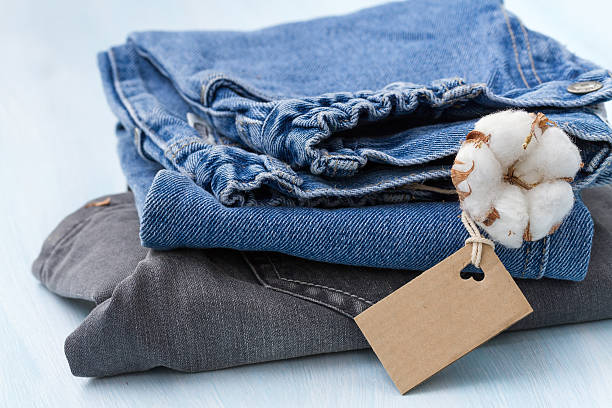
La production conventionnelle de denim présente des défis environnementaux importants. Cela nécessite un excès d’eau et une utilisation intensive de produits chimiques. Les évaluations de l'industrie indiquent que la production d'une seule paire de jeans consomme des milliers de litres d'eau et génère d'importantes émissions de CO₂..
Demande des consommateurs pour des jeans et des vestes écologiques
Les acheteurs d'aujourd'hui accordent la priorité à la transparence concernant l'origine des fibres et les méthodes de production.. Les marques qui peuvent vérifier leurs affirmations renforcent leur confiance et leur position sur le marché. Des certifications comme GOTS (Norme mondiale sur les textiles biologiques) ou OCS (Norme de contenu organique) servir d’outils puissants pour valider cet engagement.
Le problème du coton conventionnel dans la production de vêtements
La culture du coton est une grande consommatrice d’eau dans la chaîne d’approvisionnement du denim. En plus, le ruissellement provenant de la teinture à l'indigo traditionnelle a souvent un impact négatif sur les systèmes d'approvisionnement en eau locaux.. Pour les marques qui visent à atteindre des objectifs de développement durable comme SDG 6, le remplacement du coton conventionnel est le changement opérationnel le plus impactant.
Coton biologique vs. Chanvre: Ce qui a un impact environnemental moindre?
Les deux matériaux sont écologiques, mais ils abordent les préoccupations environnementales de différentes manières.
Consommation d'eau et réduction des pesticides dans le coton biologique
La culture du coton biologique interdit les pesticides de synthèse. Cela protège la santé des sols et les systèmes d’eau locaux. Lorsque les usines traitent ce coton en utilisant des technologies modernes comme la décoloration par l'ozone, ils peuvent réduire considérablement la consommation d'eau lors de l'étape de lessive par rapport aux méthodes traditionnelles.
L'empreinte carbone et les avantages de la culture du chanvre pour le sol
Le chanvre agit comme un puits de carbone très efficace. Il grandit rapidement, nécessite un minimum d'eau, et est naturellement résistant aux parasites. Cela élimine souvent complètement le besoin de produits agrochimiques. Si la proposition de valeur de votre marque se concentre sur la réduction des émissions de carbone ou l'agriculture régénérative, le chanvre est le choix de matériau idéal.
Comparaison de la durabilité et de la texture du tissu
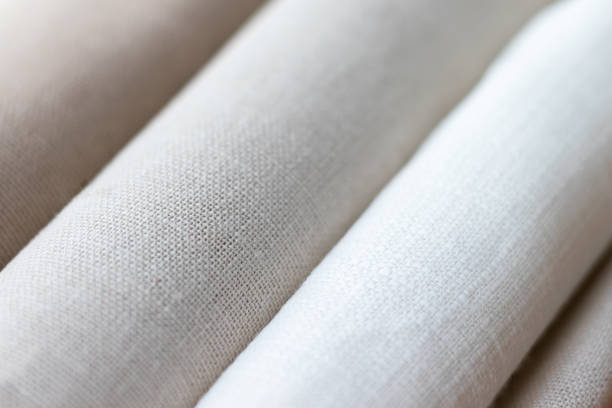
La durabilité détermine l’achat initial, mais le confort assure la fidélisation de la clientèle. Voici comment ces matériaux se comportent dans le vêtement final.
La douceur et la respirabilité du coton biologique
Le coton biologique offre une douceur, toucher familier dès la sortie du support. Il est naturellement respirant et ne nécessite aucun “effraction” période. Si vous concevez pour le confort ou une esthétique vintage, le coton biologique est le choix standard du marché.
Pourquoi le denim de chanvre est connu pour sa résistance et sa longévité exceptionnelles
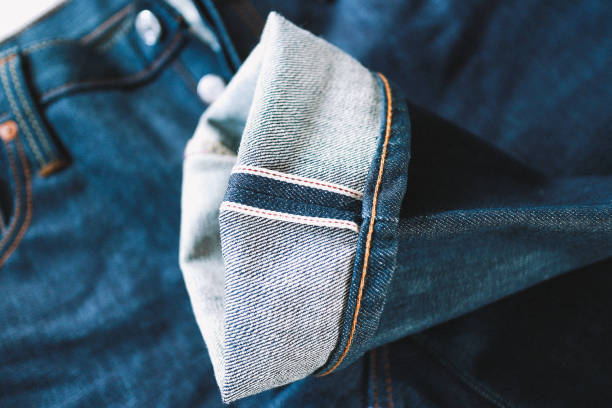
Les fibres de chanvre sont intrinsèquement résistantes. Le denim mélangé au chanvre a une résistance à la traction plus élevée, ce qui le rend adapté aux lignes inspirées des vêtements de travail. Alors que 100% le chanvre peut sembler rigide au début, les mélanges chanvre/coton s'adoucissent magnifiquement avec l'usure. Ils offrent également un, texture irrégulière (souvent appelé “mariage”) très apprécié sur le marché du denim haut de gamme.
Débloquez du denim personnalisé haut de gamme pour votre marque
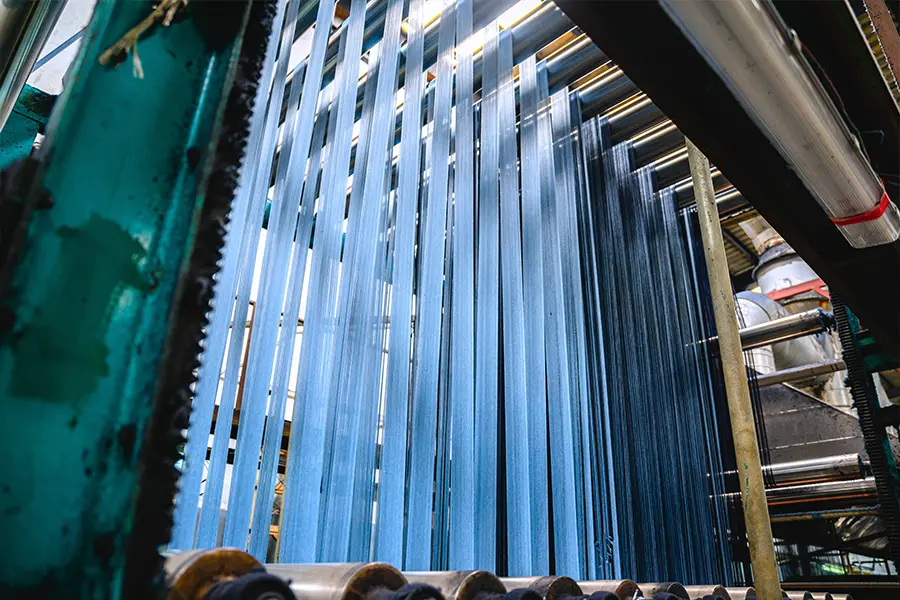
Défis techniques dans la fabrication de denim durable
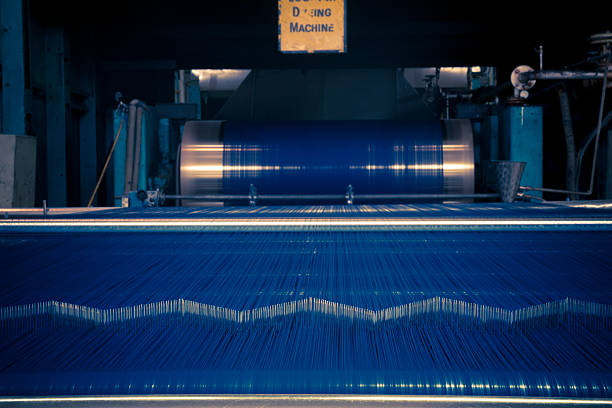
Le chanvre et le coton biologique se comportent différemment du standard tissu en jean pendant la couture. Sans manipulation précise, des problèmes de production tels que la torsion des coutures ou une instabilité dimensionnelle peuvent survenir.
Gestion du retrait et de la texture dans la fabrication du denim de chanvre
Le chanvre a des taux de rétrécissement différents de ceux du coton. Si le processus de sanforisation n'est pas calibré avec précision, le jeans peut se déformer après le premier lavage à domicile. Les fabricants expérimentés utilisent des traitements enzymatiques spécifiques et des contrôles de tension pour stabiliser les mélanges de chanvre. Cela garantit que l'ajustement reste cohérent.
Expertise requise pour couper et coudre du denim écologique épais
Traitement du denim écologique épais (13 onces+) nécessite un équipement spécialisé. Les fibres denses des mélanges de chanvre peuvent provoquer des cassures d'aiguilles ou des coutures inégales sur les machines standards. Votre usine doit utiliser des équipements robustes et des opérateurs qualifiés. Cela garantit que la construction est aussi durable que le tissu lui-même.
Chanvre contre. Coton biologique: Ce qui coûte plus cher?
Pourquoi le chanvre commande souvent une prime plus élevée que le coton
Actuellement, le denim de chanvre a un coût de production plus élevé. La chaîne d’approvisionnement mondiale du fil de chanvre fin est plus petite et plus complexe que celle du coton.. Le prix du coton biologique est également plus élevé que celui du coton conventionnel.. Cependant, il bénéficie d'une infrastructure plus établie, ce qui en fait un moyen plus rentable, option durable.
Calculer le retour sur investissement à long terme de votre marque durable
Le coût plus élevé du chanvre permet un positionnement premium sur le marché. Vous pouvez justifier un prix de détail plus élevé en faisant la promotion de la durabilité supérieure et des avantages environnementaux du produit.. Le coton biologique est le choix pratique pour les personnes accessibles, collections milieu de gamme.
Quand choisir le chanvre ou. Coton biologique

Utilisez cette matrice de comparaison pour déterminer la meilleure solution pour votre gamme de produits spécifique.:
| Fonctionnalité | Coton biologique | Chanvre (ou mélanges de chanvre) |
|---|---|---|
| Texture & Sensation de main | Doux, lisse, et familier immédiatement prêt à l'emploi. | Initialement rigide mais s'assouplit avec l'usure. Unique “mariage” texture. |
| Durabilité | Durabilité standard du jean. | Résistance à la traction exceptionnelle. Très résistant à l'abrasion. |
| Profil de coût | Milieu de gamme. Plus accessible pour la production en volume. | Prime. Coût des matériaux plus élevé en raison d'un traitement complexe. |
| Focus sur la durabilité | Consommation d’eau réduite et zéro pesticide de synthèse. | Séquestration élevée du carbone et régénération des sols. |
| Meilleure utilisation finale | Jean skinny, étirement de confort, et styles vintage classiques. | Vêtements de travail, denim rigide Heritage, et collections de luxe. |
Passer à l'étape suivante avec un partenaire de fabrication de confiance
Vous avez la vision et les matériaux en tête. Maintenant, vous avez besoin d'une usine capable de gérer avec précision les taux de démarque inconnue et la documentation de conformité.
Changhong fournit des solutions intégrées de fabrication de denim, vous accompagnant du concept à l'étagère en mettant strictement l'accent sur la durabilité:
- Production respectueuse de l'environnement: Nous utilisons des technologies avancées de teinture écologique et des processus de finition économes en eau pour minimiser l'empreinte environnementale de chaque paire de jeans que nous fabriquons..
- Approvisionnement en matériaux durables: Au-delà du simple traitement, nous nous approvisionnons et utilisons activement du coton biologique certifié, matériaux recyclés, et des mélanges de chanvre haut de gamme pour répondre à vos objectifs écologiques spécifiques.
- Conception verte & Développement: Notre équipe de conception est spécialisée dans le développement de produits durables, vous aider à créer du durable, des produits en denim circulaires qui s'alignent sur les normes écologiques modernes.
- Socle & Services ODM: Que vous ayez besoin d'une assistance complète à la conception ou d'une production basée sur vos packs techniques, nous nous adaptons à vos besoins.
- Conformité vérifiée: Nous sommes certifiés ISO9001 et BSCI. Nous gérons également la chaîne de contrôle des matières organiques et recyclées.
Prêt à démarrer votre ligne de denim durable? Contactez-nous aujourd'hui pour discuter de votre projet.
FAQ
Quel est le délai de livraison typique pour une production de denim durable?
Les délais de livraison dépendent des niveaux de stock de tissu. En général, la production en vrac prend 30 à 50 jours après l'approbation de l'échantillon. Changhong s'efforce d'optimiser ce calendrier pour vous aider à respecter vos dates de lancement sur le marché..
Puis-je ajouter du stretch durable (Élasthanne) aux jeans en chanvre ou en coton biologique?
Oui. Nous mélangeons souvent du chanvre ou du coton biologique avec 1 à 3 % d'élasthanne recyclé ou de polyester recyclé. (rPET). Cela garantit que le vêtement a l'élasticité et le confort attendus par les consommateurs., sans compromettre ses éco-certificats.
Offrez-vous des services d'échantillonnage avant la production en vrac?
Oui. Nous considérons l’échantillonnage comme une étape critique. Le prototypage vous permet de vérifier l'ajustement, effets de lavage, et toucher au toucher avant de s'engager dans une production complète.
Quel est le MOQ (Quantité minimum de commande) pour des éco-jeans personnalisés?
Nous accompagnons les marques émergentes. Bien que les MOQ varient en fonction du choix du tissu et de la complexité du lavage, nous proposons des minimums flexibles pour rendre viable le lancement de nouvelles lignes durables.
Puis-je personnaliser le pourcentage spécifique du mélange de chanvre et de coton?
Oui. Nous pouvons fabriquer des vêtements en fonction de vos besoins spécifiques. Par exemple, nous pouvons créer un 55% chanvre / 45% mélange de coton biologique pour obtenir l'équilibre exact entre coût et texture dont vous avez besoin.