Starting your own denim jeans brand is an exciting opportunity—but it’s also a serious business decision. The global denim market continues to grow, driven by demand for premium fits, tejidos sostenibles, and niche lifestyle branding. Yet behind every successful label—whether a boutique streetwear startup or a large-scale fashion retailer—there is one critical factor: a reliable denim jeans manufacturer.
If you’re planning to build a private label denim brand, this guide will walk you through every step, from idea to production and launch. More importantly, it will help you understand how to avoid costly mistakes and build a long-term partnership with a professional OEM/ODM denim factory
Paso 1: Turn Your Denim Jeans Idea into a Simple Plan
Every successful denim brand starts with clarity. Before thinking about fabric sourcing or sample development, you need to define your core concept.
Are you creating premium mezclilla con orillo for fashion-conscious urban consumers? Stretch skinny jeans for mass-market retail? Sustainable organic cotton denim for eco-focused buyers? Your idea doesn’t need to be complex, but it must be specific.
A simple business plan should answer:
- What problem does your denim brand solve?
- What makes your jeans different from existing brands?
- What price range are you targeting?
- Are you launching online, through wholesale, or both?
Many first-time founders make the mistake of focusing only on design. But manufacturing, supply chain, and production cost structure will heavily influence your brand’s long-term scalability. Early alignment between your concept and production feasibility will save months of delays later.
Think of your plan as a bridge between creativity and manufacturability.
Paso 2: Define Your Denim Jeans Brand Positioning and Customer
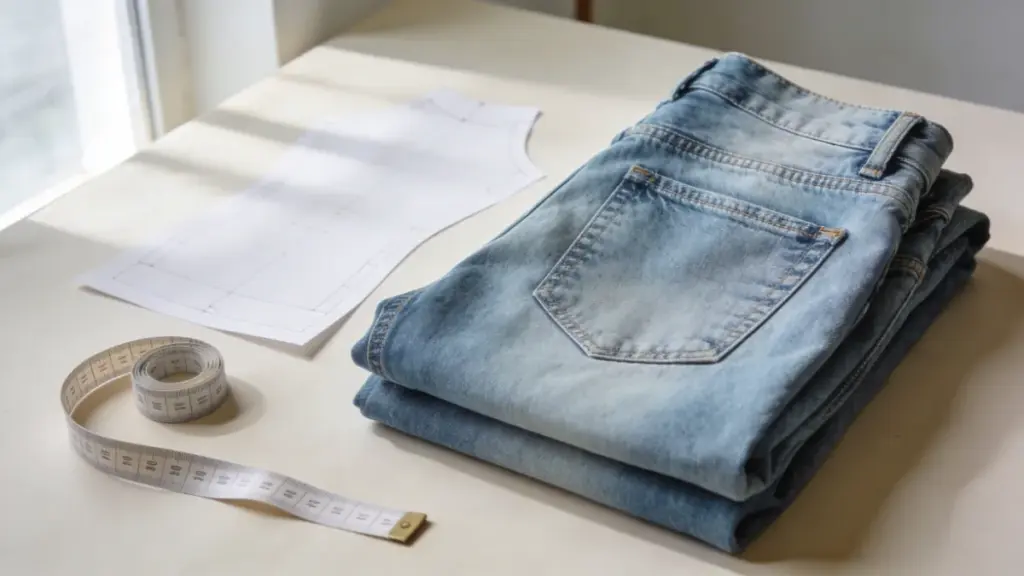
Brand positioning is not just a marketing slogan—it determines everything from fabric selection to wash effects.
If your target customer is 18–25-year-old streetwear buyers, you may prioritize oversized silhouettes, heavy-weight denim fabric, distressed finishing, y precios competitivos. If your audience is 30–45-year-old professionals, comfort stretch denim, ajustes clásicos, and refined denim washing techniques may be more appropriate.
Ask yourself:
- Is your brand fast fashion, mid-range, or premium?
- Is your focus on fashion trends or timeless essentials?
- Will you compete on price, calidad, or sustainability?
Clear positioning also helps your denim manufacturer understand your expectations. Por ejemplo, premium denim requires stricter quality control standards, more advanced wash development, and consistent sizing accuracy. Fast fashion may require shorter lead times and flexible production scheduling.
Without defined positioning, you risk producing jeans that don’t resonate with any specific customer segment.
Paso 3: Design Your First Denim Jeans Collection and Fits
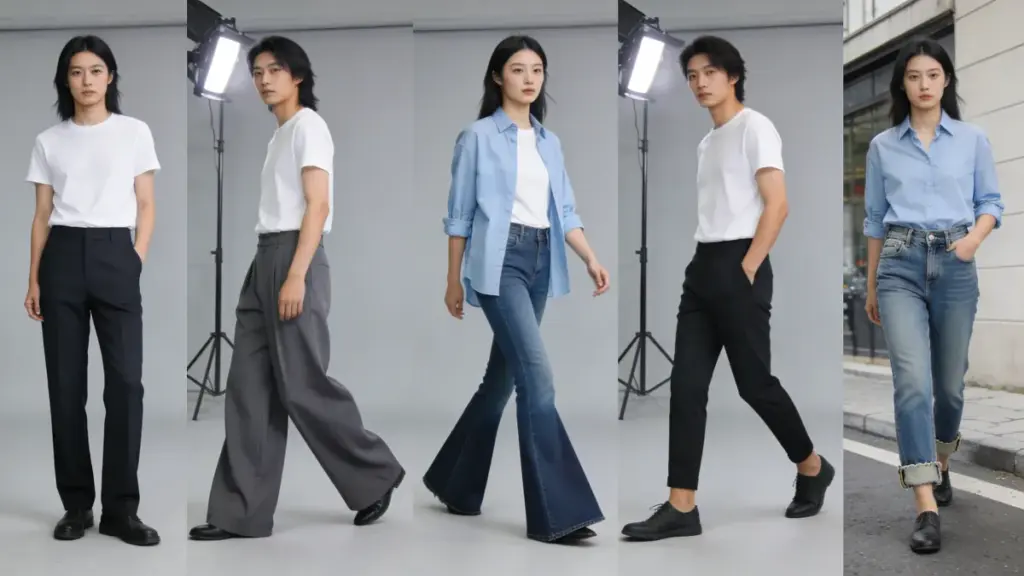
Your first collection does not need to include 50 estilos. In fact, starting with 5–10 core styles is often more effective.
Focus on fit development. Fit is the heart of denim product success. Flaco, delgado, derecho, relajado, pierna ancha, bootcut—each requires precise pattern engineering. A well-developed base pattern can be used repeatedly with different washes and fabrics.
En esta etapa, you should consider:
- Elevar (high, mid, bajo)
- Leg opening
- Inseam length options
- Fabric weight (P.EJ., 10onz, 12onz, 14oz denim)
- Stretch ratio (rigid vs. mezclilla)
- Wash types (lavado de enzimas, lavado a la piedra, laser whisker, afligido)
Recommended Denim Jeans Styles for Your Private Label Brands
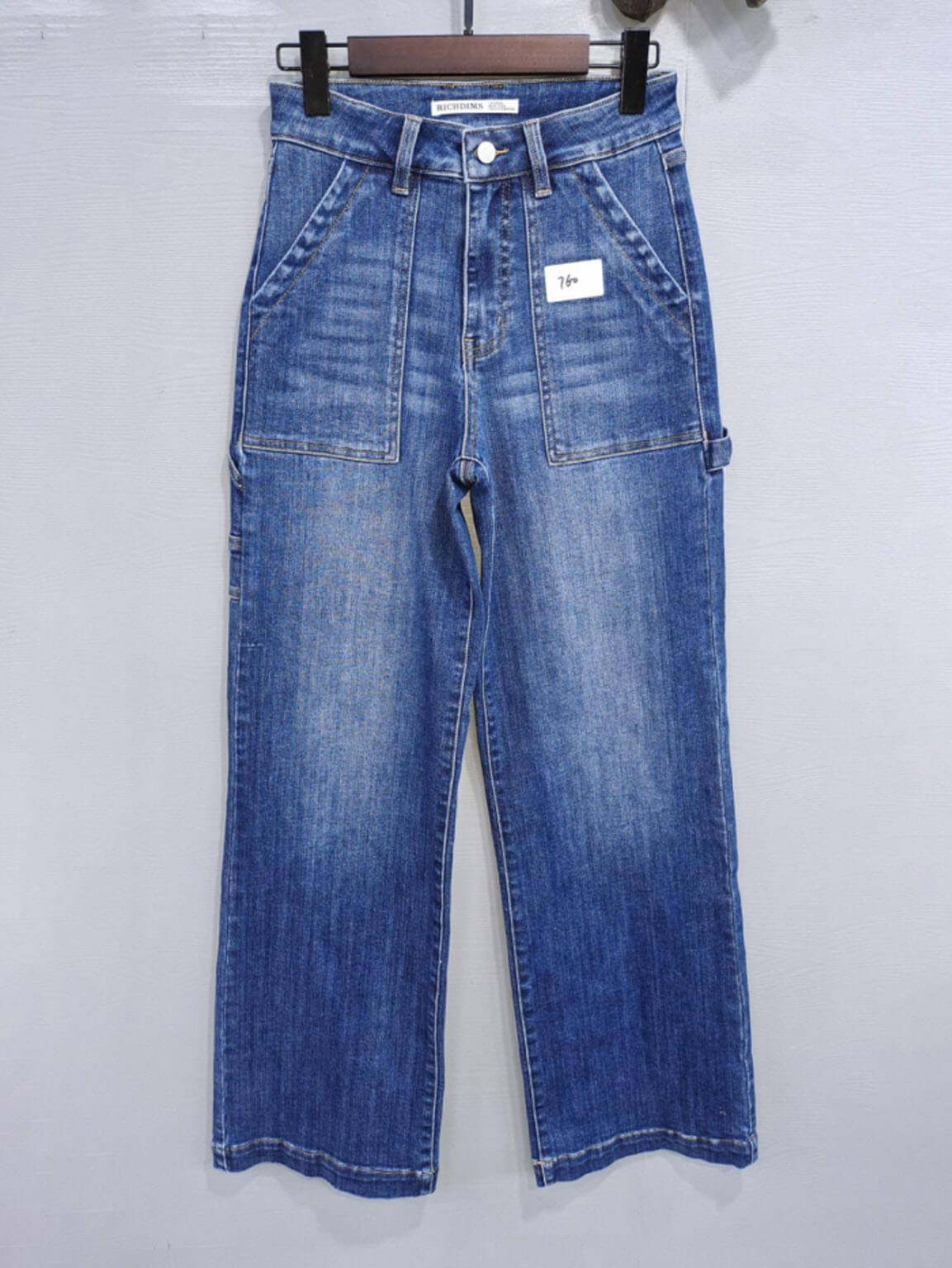

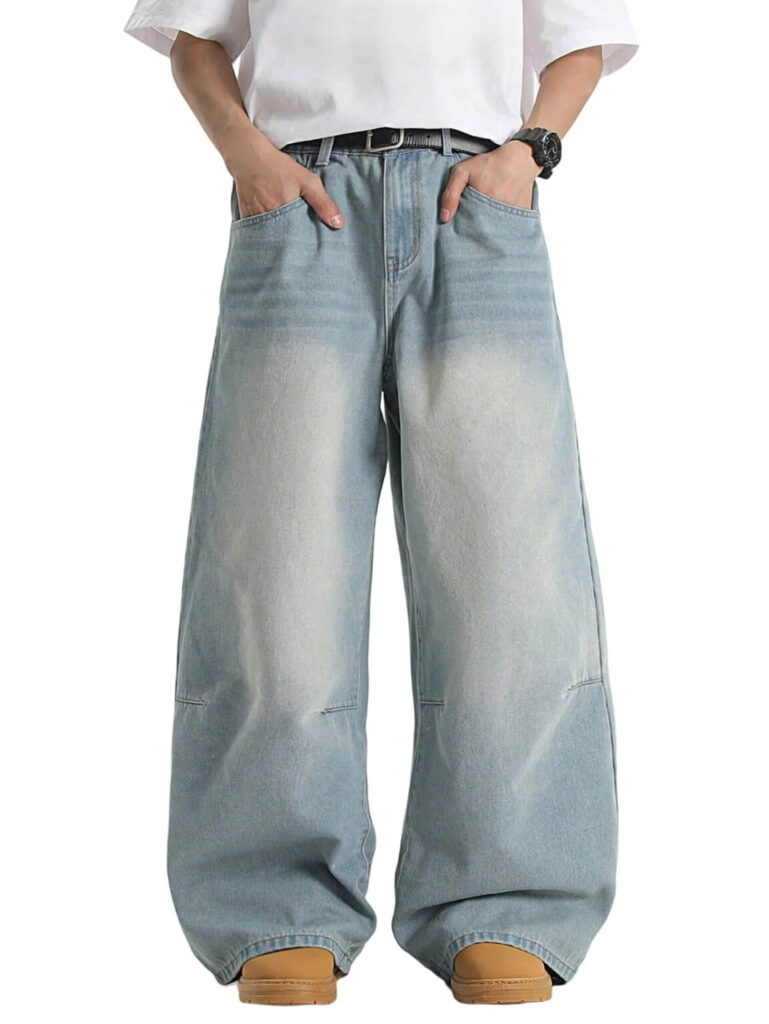
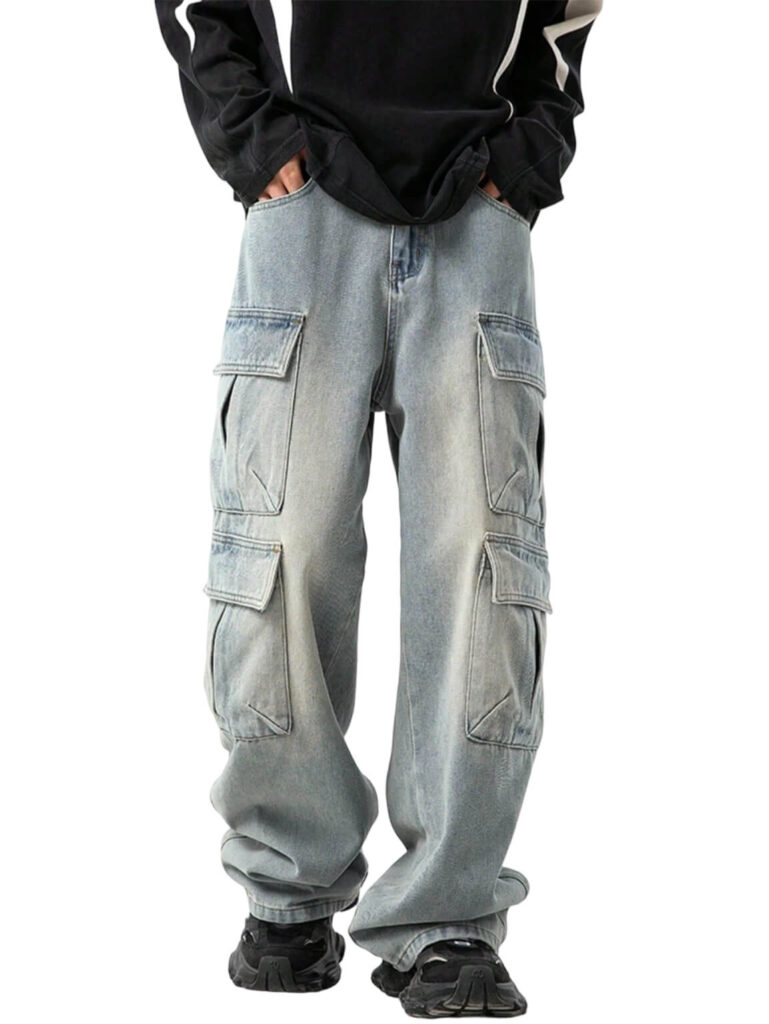
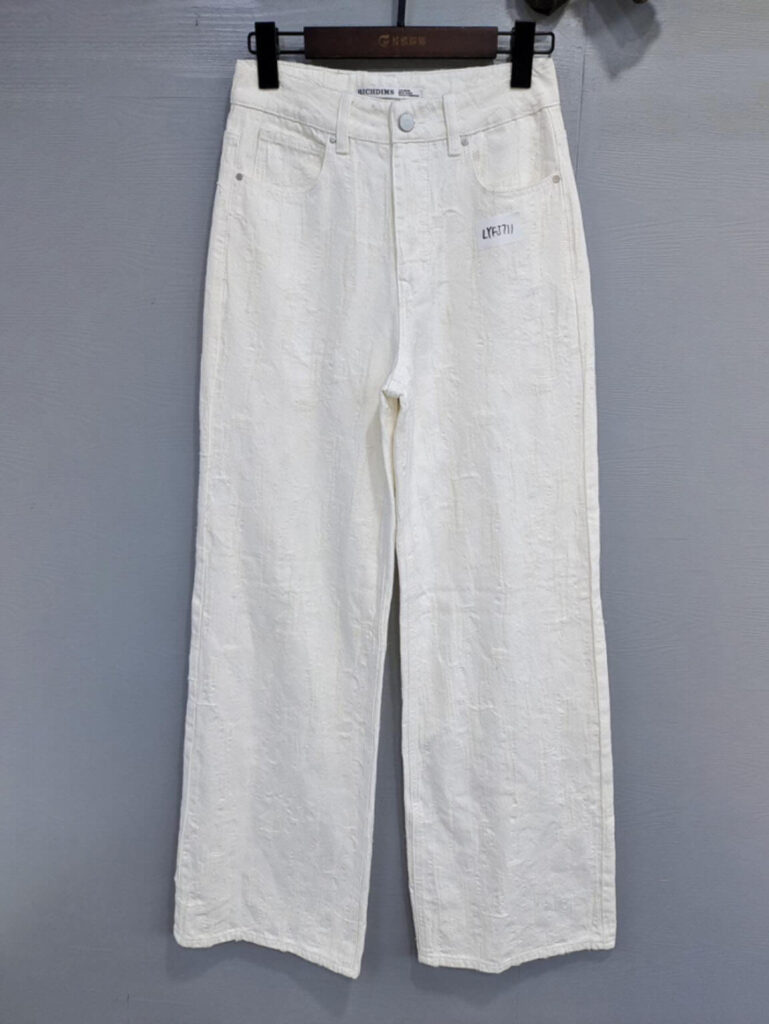
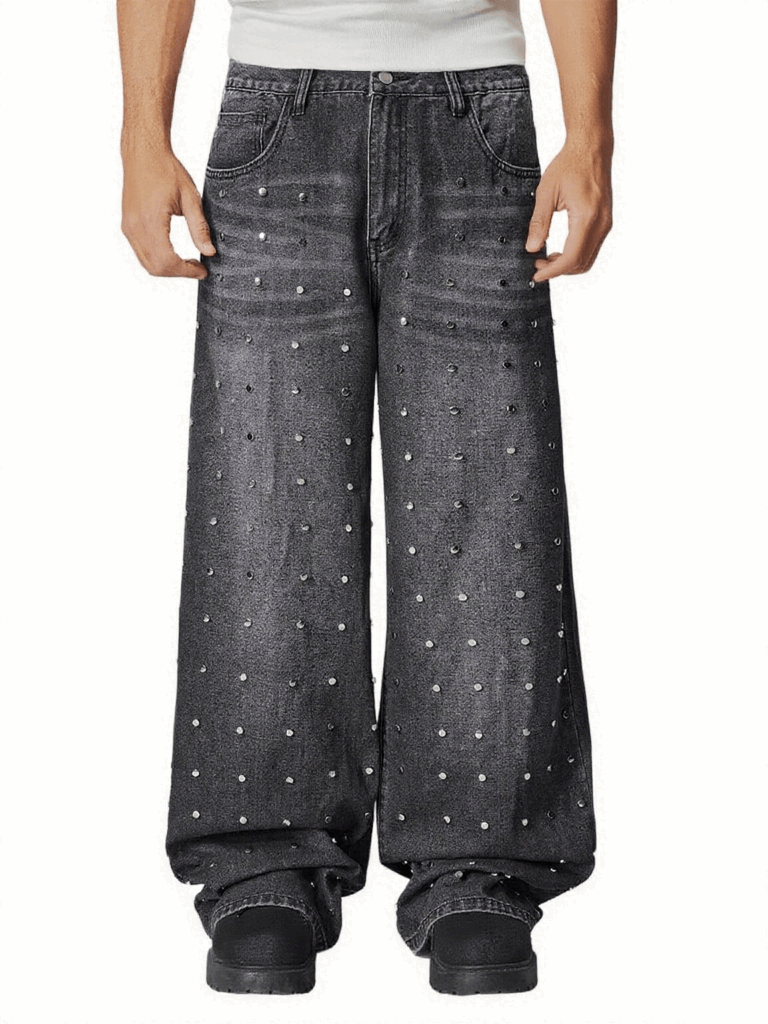
Professional denim manufacturers often provide OEM & ODM support, helping refine patterns and suggesting improvements based on production experience. Collaborating early with experienced technicians ensures your designs are production-ready.
Paso 4: Find a Reliable Denim Jeans Manufacturer
Choosing the right denim jeans manufacturer is arguably the most important step in building your brand.
A reliable manufacturer should offer:
- Stable production capacity
- In-house sample development
- Clear communication in English
- Experience in international export markets
- Transparent MOQ (Cantidad mínima de pedido)
- Compliance certifications (such as ISO or BSCI)
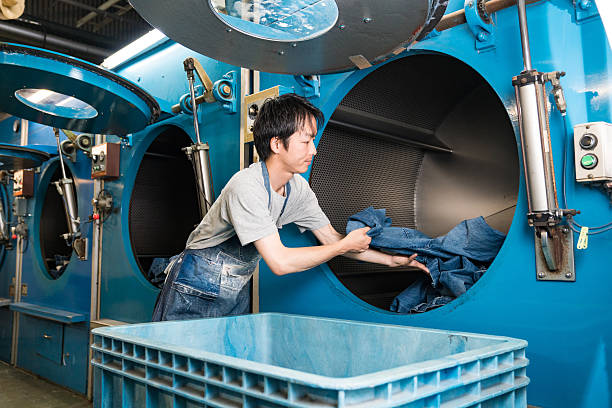
Beyond cost, evaluate their vertical integration. Do they manage cutting, de coser, lavado, refinamiento, and packing internally? Vertical production control ensures better quality consistency and shorter lead times.
Visiting the factory (or requesting detailed factory tour materials) is highly recommended. Look for organized production lines, modern sewing equipment, washing facilities, and quality inspection procedures.
Paso 5: Prepare Tech Packs and Measurements for Your Denim Jeans
A tech pack is the blueprint of your product. sin eso, misunderstandings are almost guaranteed.
Your denim tech pack should include:
- Detailed flat sketches
- Fabric specifications (composition, peso, color)
- Trim details (botones, remaches, cremalleras, etiqueta)
- Stitching construction
- Measurement chart with tolerances
- Wash instructions and reference images
- Packaging requirements
Accurate measurement charts are especially critical in denim production. Even a 1cm deviation in hip or thigh width can significantly affect fit perception.
If you are new to apparel manufacturing, your denim factory can often assist in refining your tech pack. Clear documentation reduces sample revision cycles and speeds up production approval.
Paso 6: Develop Samples and Align Quality with Your Manufacturer
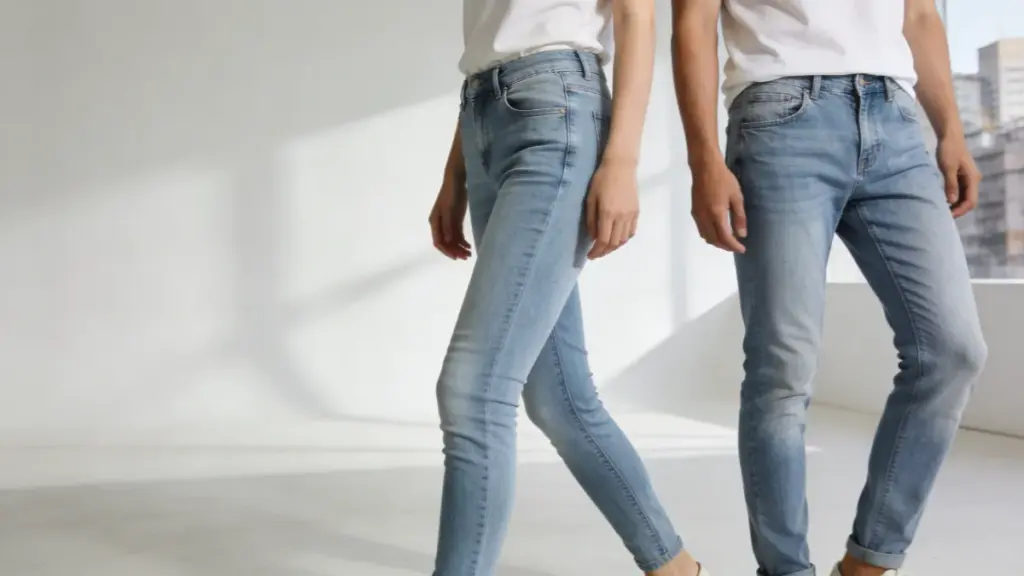
Sample development transforms your concept into a tangible product.
Típicamente, the process includes:
- First proto sample
- Fit sample revision
- Pre-production sample (PPS)
- Size set confirmation
Durante esta fase, focus on:
- Fit accuracy
- Fabric performance after washing
- control de contracción
- Color consistency
- Construction strength
Denim washing is a technical process. Techniques such as ozone wash, lavado de enzimas, or laser finishing require professional handling to maintain fabric integrity. Aligning wash standards early prevents bulk production discrepancies.
Clear feedback and professional communication will reduce sampling rounds and protect your development budget.
Paso 7: Plan MOQ, Costs and Timelines for Denim Jeans Production
Understanding MOQ is crucial when launching a new denim brand. Most mid-to-large denim factories operate with MOQs starting around 1000 piezas por estilo, depending on fabric and wash complexity.
Lower quantities may increase cost per unit due to fabric sourcing and machine setup requirements.
You should also calculate:
- Fabric cost
- Trim cost
- Washing cost
- Sewing labor cost
- Freight and customs duties
- Marketing and packaging expenses
Lead times generally include:
- 7–10 days for fabric sourcing
- 25–35 days for bulk production
- 7–10 days for shipping preparation
Planning cash flow is essential. Many factories require a deposit before bulk production and balance payment before shipment.
Transparent cost breakdown discussions with your manufacturer help avoid surprises.
Paso 8: Launch Your Denim Jeans Brand and First Sales Channels
With production underway, you should prepare your sales strategy.
Common launch channels include:
- Shopify or WooCommerce online store
- Amazon or other marketplaces
- Wholesale to boutiques
- Social media marketing (Instagram, TikTok)
- Influencer collaborations
High-quality product photography is critical for denim. Showcase texture, wash detail, calidad de costura, and fit silhouette.
Customer feedback during the first production cycle is valuable. Use real market data to refine sizing, precios, and future collections.
Successful denim brands often scale gradually, improving fit consistency and introducing seasonal updates rather than launching too many styles at once.
Paso 9: Avoid Common Mistakes New Denim Jeans Brands Make
Many startups fail not because of bad ideas, but because of avoidable operational mistakes.
One common issue is underestimating production complexity. Denim manufacturing involves cutting precision, heavy-duty sewing, metal trims, and industrial washing processes. It is far more technical than simple T-shirt production.
Another mistake is constantly changing designs during bulk production. Late changes increase cost and delay delivery.
Poor communication with the manufacturer can also cause serious quality problems. Always confirm details in writing and review pre-production samples carefully.
Lastly, do not choose a factory solely based on the lowest price. Inconsistent quality and delayed shipments will damage your brand reputation faster than higher initial costs.
Paso 10: Work with Changhong as Your Denim Jeans Manufacturing Partner
When building a denim jeans brand, your manufacturing partner should provide more than production—they should provide expertise, estabilidad, y escalabilidad a largo plazo.
En Vaqueros Changhong, we specialize in mid-to-high-end denim OEM and ODM manufacturing. Con 20 años de experiencia en la producción de mezclilla, operamos 12 production lines across a 10,000㎡ facility and produce over 2 million pieces annually.
Our strengths include:
- Fast sample development within 3–5 days
- 300–500 new styles developed monthly
- In-house cutting, de coser, lavado, y terminando
- Professional pattern development team
- Export experience in North America, Europa, and Russia
- ISO-certified and BSCI-compliant production
We understand the needs of emerging denim brands as well as established fashion retailers. Whether you are launching your first private label collection or scaling an existing brand, we provide structured support from tech pack review to bulk shipment.
Our goal is simple: to help you build a stable, high-quality denim supply chain that grows with your brand.
Pensamientos finales
Starting your own denim jeans brand requires creativity, discipline, and the right manufacturing partner. From concept development and fit engineering to sampling, production planning, and market launch, each stage plays a critical role in long-term success.
If you are ready to turn your denim vision into reality, working with a reliable and experienced denim jeans manufacturer will significantly reduce risk and accelerate growth.
Visit https://changhongjeans.com/ to learn more about our manufacturing capabilities or contact our team to discuss your project.