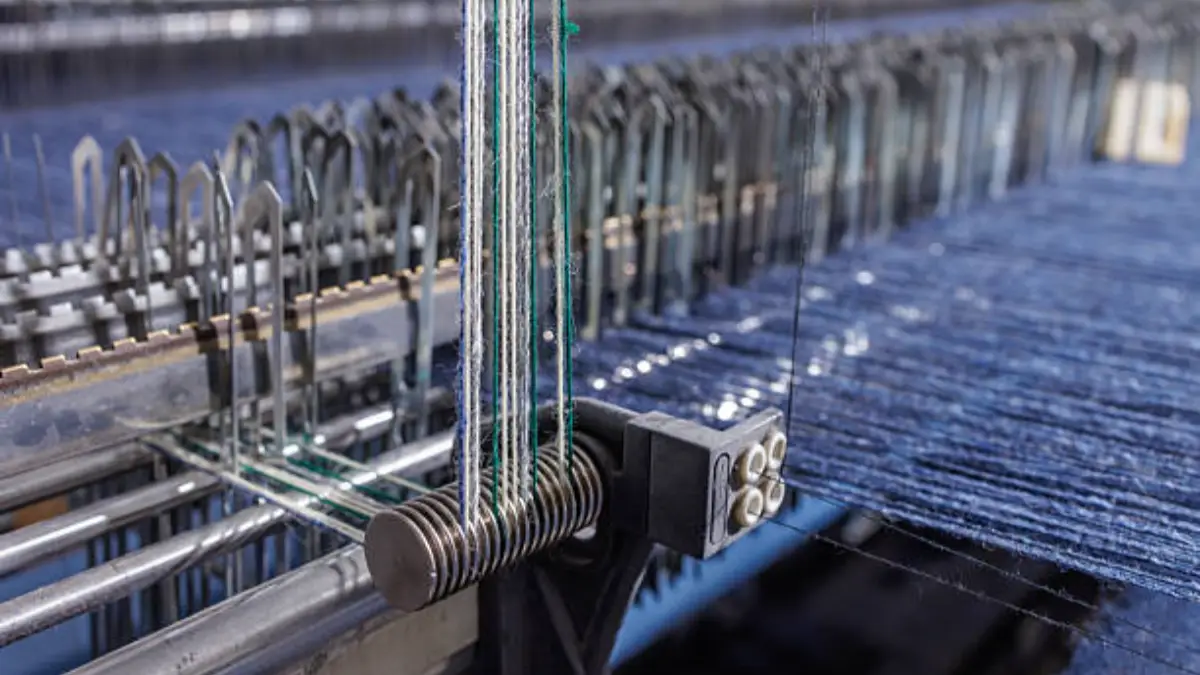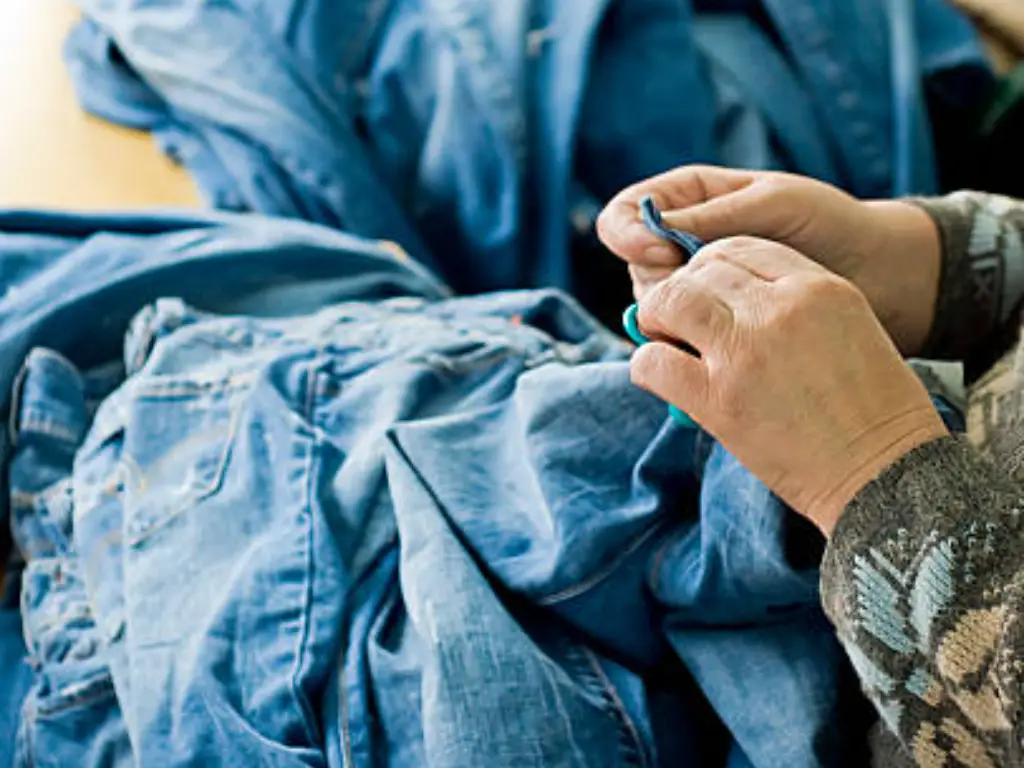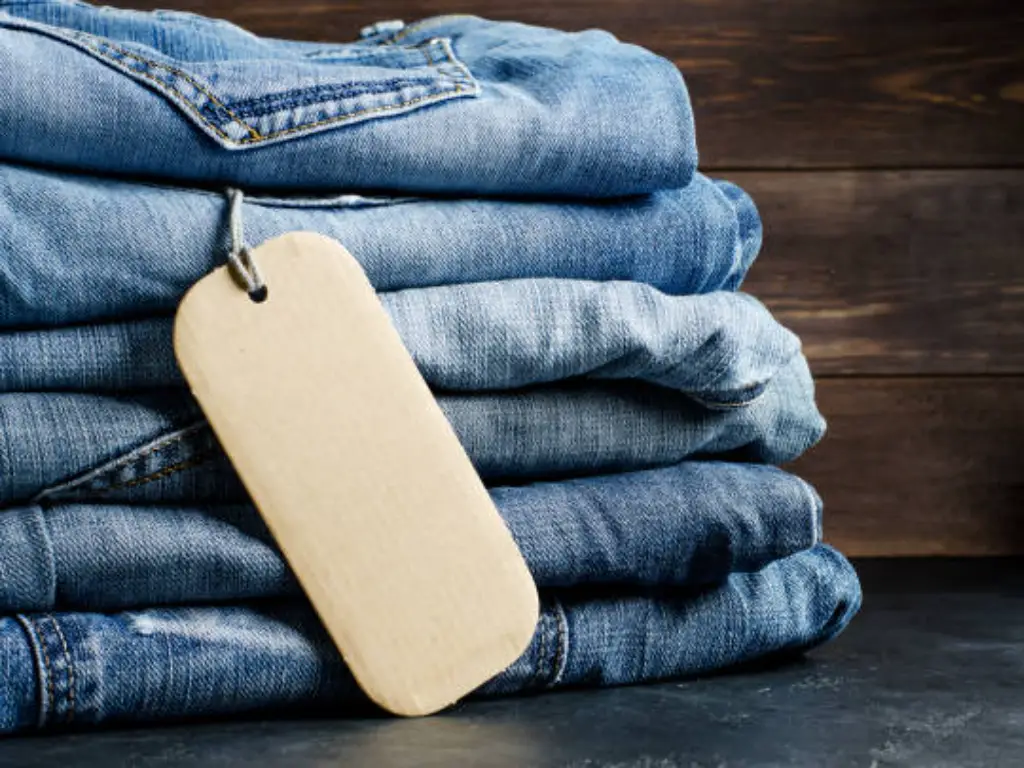
Scaling Denim Customization exposes brands to severe operational risks when factory misinterpretations cause endless sampling loops. Failing to specify exact wash treatments or fabric weights forces manufacturers into default settings that immediately erode your unit margins and unsalable inventory.
This analysis outlines how to construct an 8 to 12-page tech pack to control your manufacturing output. We evaluate fabric weights ranging from 8 oz blends to 21 oz selvedge and detail sustainable wash techniques like ozone finishing that reduce water consumption by 70 percent to secure a profitable bulk production run.
Defining Your Jeans Concept and Fit
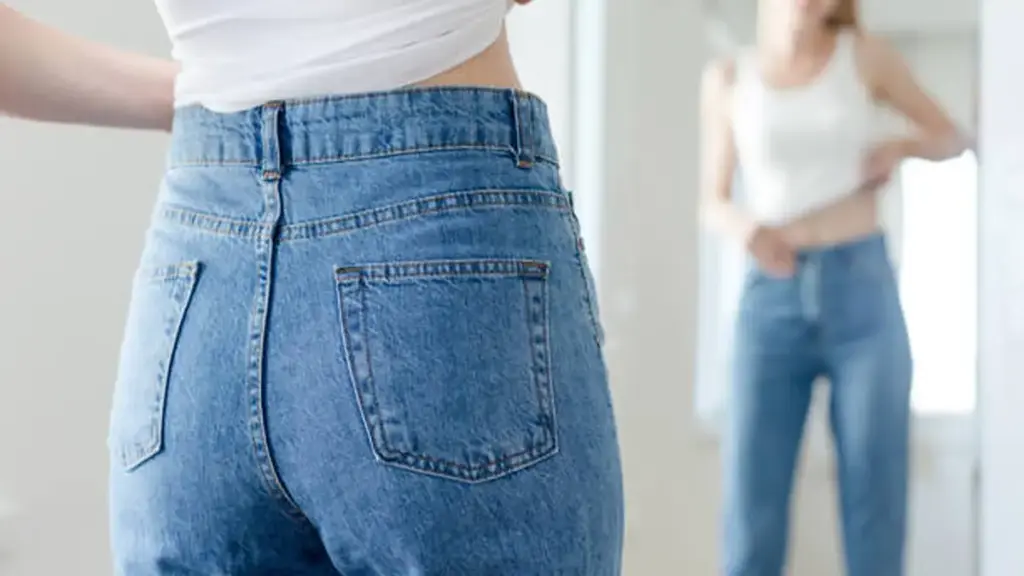
Precision in denim customization starts with exact body measurements and tailored silhouettes, moving directly into targeted fabric and hardware selection for a flawless pattern blueprint.
Core Measurements and Fit Silhouette
Custom denim relies on raw data rather than average molds. You build a reliable foundation by capturing exact dimensions before cutting a single yard of fabric. This data-driven approach solves chronic fit issues directly at the source.
- Base Measurements: Record 10 or more specific body measurements, incluyendo cintura, entrepierna, outseam, hips, and thighs, to establish a precise foundation.
- Shape Selection: Select a core silhouette like skinny, delgado, relajado, or tapered, adjusting the leg opening grades to match body proportions.
- Tolerance Allowances: Calculate shrinkage allowances of 3 a 10 percent based on the denim type, tracking both pre-wash and post-wash dimensions.
- Targeted Adjustments: Customize the rise and thigh circumference to solve isolated fit issues like waist gaps or tightness in the seat.
Selección de tela and Hardware Details
Once you lock in the physical dimensions, you must finalize the raw materials. The fabric weight, weave construction, and hardware specifications dictate the garment’s daily performance and long-term durability.
- Peso de la tela: Choose between 10 a 12 oz denim for everyday wear or 13 a 16 oz denim for added durability.
- Tipo de tejido: Decide on weave types by comparing the clean edges of premium selvedge denim against the wider availability of open-width fabric.
- Trims and Washes: Pick specific washes and functional hardware, such as YKK rivets, button flies, and flat-felled seams with bartack reinforcements.
- Documentación: Compile all material and hardware choices into an 8 to 12-page tech pack to guide tailors in drafting a custom pattern blueprint.
Choosing the Right Tela de mezclilla
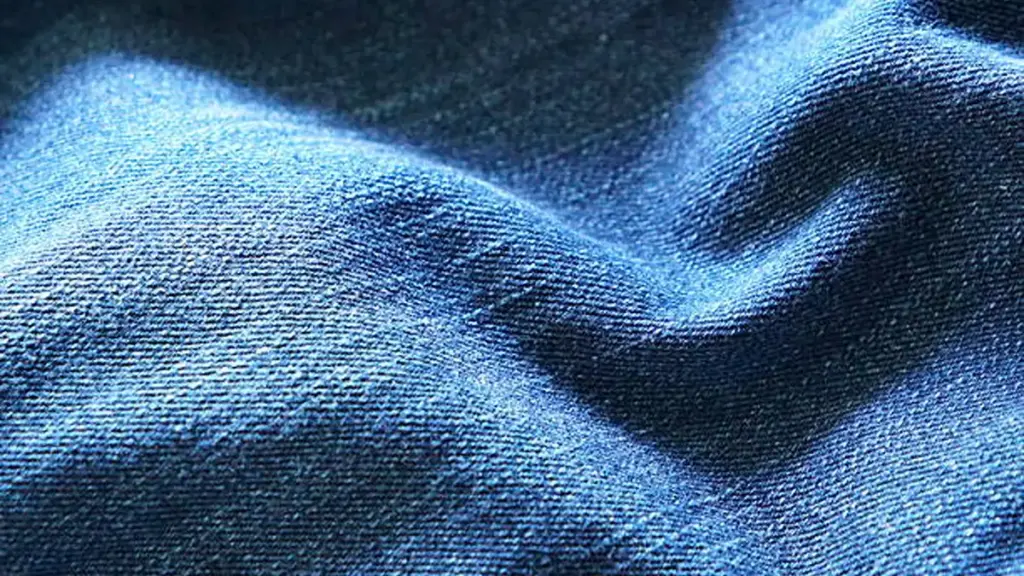
Your fabric choice dictates fit, fade, and function. Mastering fiber composition, peso, and weave ensures your custom jeans align with your target durability and style.
Fiber Composition and Blends
Cotton serves as the foundation of any serious denim program. Using 100% cotton delivers classic, rugged character and natural breathability. You can dial in the specific finish by choosing short-staple fibers to achieve high-contrast heritage fades, or opt for long-staple cotton when you need a premium, smooth surface with minimal hairiness.
- elastano (1 a 3%): Injects stretch for fitted styles like skinnies and slim cuts. Require at least an 80% stretch recovery rate from your mill to prevent bagging at the knees over time.
- Polyester Blends: Reduce fabric shrinkage and wrinkling to keep production dimensions and shapes consistent.
- Tencel or Modal: Boost overall softness and moisture absorption while adding a premium drape for eco-conscious lines.
Fabric Weight and Weave Structure
Weight directly impacts how your jeans drape, estirar, and survive daily wear. You build the structure of your fit by matching the ounces per square yard to the exact end-use of the garment.
- Ligero (8 a 10 onz): Fits slim profiles and jeggings perfectly. This weight supports higher stretch levels to offer flexibility without feeling stiff.
- peso medio (11 a 16 onz): Hits the sweet spot for everyday jeans, balancing wearable comfort with reliable structural integrity.
- De peso pesado (16 a 21 onz): Maximizes abrasion resistance. Reserve this for durable workwear or rigid styles built for heavy abuse.
Construction defines the final quality tier of the garment. Premium fabric programs specify high-density selvedge weaves and ring-spun yarn. This specific combination drastically improves long-term durability, creates a rich surface texture, and unlocks superior fading potential as the raw denim ages.
Amplíe su marca con mezclilla personalizada de primera calidad
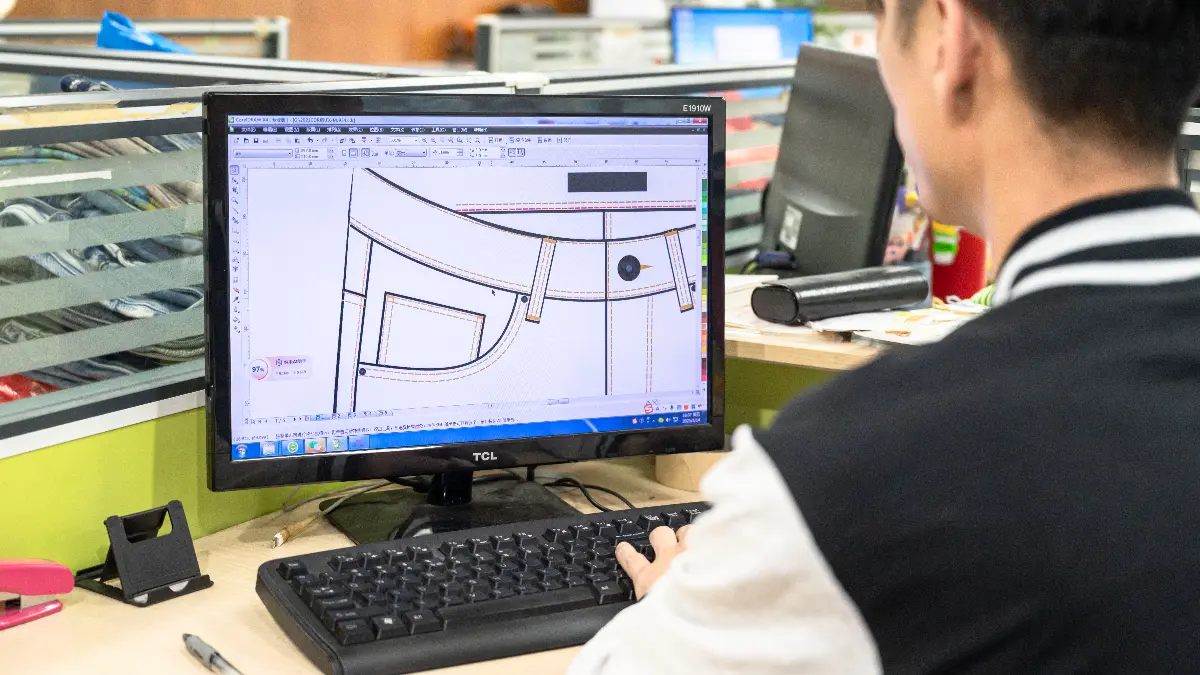
Selecting Wash and Finishing Techniques
Wash and finishing techniques dictate the final look, sentir, and environmental impact of custom denim. Choose different types of denim washes that balance aesthetic demands with your brand’s sustainability targets.
| Técnica | Aesthetic Effect | Sustainability Impact |
|---|---|---|
| Enzima | Precise natural fade, soft texture | Uses 50% less water than stone washing |
| Piedra | Desteñido, random distressing | High machine wear, pumice dust disposal issues |
| Acid | High-contrast, abigarrado, tenso | Relies on harsh chemicals like hypochlorite |
| Láser | Intricate fading and detailed patterns | 100% dry process, no water or chemicals |
| Ozono | Subtle fade, daño mínimo a la tela | Reduces water use by 70%, chemical-free |
Standard Washes
Standard washes form the baseline for denim finishing. They rely on mechanical abrasion or chemical treatments to strip indigo dye and soften the raw fabric. Your selection heavily influences production costs and the long-term durability of the garment.
- Lavado en la enzima: Biodegradable cellulase enzymes break down surface cellulose fibers on the cotton. This strips the indigo dye with minimal physical abrasion. It leaves a softer feel without thinning the fabric and cuts water usage by up to 50% compared to mechanical washing.
- Lavado de piedra: Industrial machines tumble denim garments alongside pumice stones to physically abrade the fabric. This process creates an authentic, worn-in fade but damages factory machinery over time and generates significant pumice dust.
- Lavado ácido: Factories soak porous pumice stones in chlorine or potassium permanganate bleach before tumbling them with the denim. This delivers a bold, high-contrast mottled effect but introduces harsh chemical runoff that requires intensive post-process neutralization.
Advanced and Sustainable Finishes
Modern custom denim production relies heavily on advanced finishing technologies. These methods replicate authentic vintage wear patterns while drastically lowering the resource toll required by traditional washing techniques.
- Tecnología láser: Precise light ablation burns away surface indigo dye to create whiskering, intricate designs, and custom fades. This completely dry process eliminates water and chemicals while keeping the fabric’s structural integrity intact.
- Ozone Finishing: Exposing denim to ozone gas (O₃) inside a closed chamber chemically oxidizes the dye. This achieves a refined, subtle fade without extra bleaching agents and drops water consumption by 70%.
High-volume customization workflows regularly combine these methods. Pairing a laser treatment with an enzyme wash allows brands to lock in precise distress details while keeping environmental impact minimal.
Customizing Trims and Hardware
Trims and hardware define your denim brand’s quality. Specifying exact components prevents factory defaults and ensures structural integrity.
Essential Denim Hardware Components
Hardware takes jeans from a generic garment to a premium product. If you do not specify exact components, factories will default to the cheapest available options, which compromises both durability and brand perception. Every trim element requires deliberate selection.
- Remaches: Use brass or nickel rivets with antique or oxidized finishes to reinforce high-stress points like pocket corners and the crotch.
- Buttons and Zippers: Align metal finishes with your specific denim wash. The industry standard relies on gauge 4 o 5 YKK hardware for long-term zipper durability.
- Labels and Patches: Woven tags and leather patches establish your brand identity. You must ensure the materials maintain skin comfort and prevent chafing.
- Stitching Threads: Choose gold or amber topstitching threads to highlight visible seams. For blind seams, match the thread color directly to the denim base.
Documenting Specs and Sourcing Timelines
Leaving hardware details to interpretation guarantees production errors. A highly detailed tech pack locks in your specifications and keeps the proceso de fabricación on schedule.
- Tech Pack Precision: Detail the exact size, material, finalizar, and placement of all hardware to eliminate factory guesswork.
- Lista de materiales (lista de materiales): List your exact stitch styles in the BOM. Specify techniques like chain-stitching for premium hems to differentiate from flat fashion finishes.
- Sampling Process: Factories generate digital previews of your trims first. After you approve the digital designs, they attach physical samples to prototype jeans for final validation.
- Cronogramas de producción: Expect bulk manufacturing for customized hardware to take 25 a 40 days following sample validation and quality control checks.
Adding Branding Elements to Your Jeans
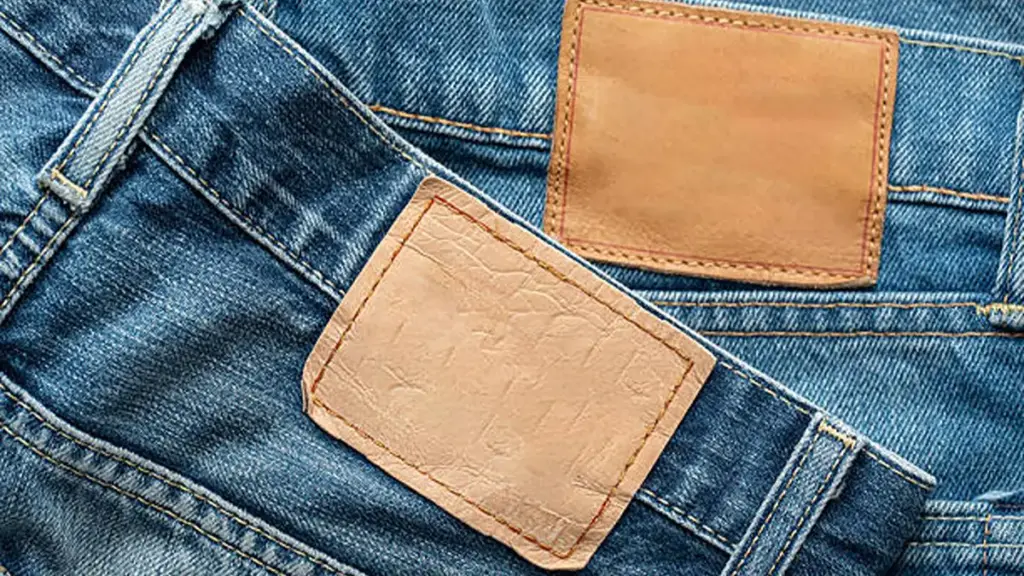
Branding transforms basic denim into a recognized, premium product. Strategic placement of patches, bordado, and custom hardware builds brand DNA and justifies higher price points.
Labels, Patches, and Embroidery
Custom labels and patches dictate how consumers perceive your denim’s value the moment they see it. Moving past generic wholesale blanks requires targeted trim integration that speaks directly to your target market.
- Leather back patches: Design these for the waistband to create instant brand recognition and add a premium feel to the denim.
- Woven labels: Sew these inside waistbands or pockets to provide subtle texture and a professional finish.
- bordado personalizado: Apply this to back pockets for tactile logos that appeal specifically to streetwear and high-end markets.
- Secondary branding: Integrate hang tags, pocket prints, and branded rivets to reinforce your brand story and differentiate your jeans from standard wholesale options.
These elements work together to build an emotional connection with the buyer. A cohesive labeling strategy lets you position your collection in a higher pricing tier.
Distressing and Design Details
Beyond attached labels, the physical construction and finish of the jeans serve as a canvas for brand DNA. Heritage and modern denim brands alike use structural details to claim ownership of a specific aesthetic.
- Arcuate stitching: Develop custom thread patterns on back pockets to establish a distinct brand identity inspired by heritage denim.
- Branded metal rivets: Install these at pocket stress points to reinforce durability while embedding subtle logos into the hardware.
- Colored selvedge IDs: Use specific edge colors to signal fabric quality and distinguish your materials from standard mill offerings.
- Controlled distressing: Apply whiskers or fades around branded areas to highlight design details and create a personalized, worn-in look for 2026 colecciones.
Integrating these structural features merges function with brand storytelling. Small details like a custom selvedge thread or an engraved rivet prove to the end-user that you engineered the garment thoughtfully rather than mass-producing it.
Packaging and Presentation for Your Brand
Custom packaging transforms standard jeans into premium branded experiences. Strategic labeling and eco-friendly materials directly impact perceived value and retail readiness.
Essential Packaging Trims and Labels
Every detail on the final garment serves a functional and commercial purpose. We use hang tags and joker tags to share brand stories, material details, and QR codes right on the jeans. This immediate visibility connects the product to the buyer on the retail floor.
Protecting the product and maintaining compliance require specific packaging components. You must outline these elements clearly before production begins:
- Custom polybags and rigid boxes: Protect garments during shipping while building brand identity for direct-to-consumer sales.
- Woven labels: Keep internal branding consistent across the entire product line.
- Size and care labels: Meet strict export compliance requirements by detailing wash instructions and origin data.
Creating the Retail Unboxing Experience
The unboxing experience starts during the design phase. Designers outline packaging instructions and trim placements directly in tech packs to align factory production with the brand vision. This documentation prevents costly rework on the assembly line and ensures consistency.
OEM manufacturers rely on these specifications to manage custom labeling, control de calidad, and final boxing. They handle the execution to deliver ready-to-sell products straight to your warehouse or distribution center.
Sourcing presentation materials plays a critical role in your brand positioning. Selecting recycled polybags and organic material tags attracts eco-focused buyers and aligns your inventory with the sustainability shifts shaping 2026 tendencias de la moda.
Final Checklist Before Production
The final checklist bridges the gap between a design concept and a profitable bulk run. Missing a single spec here guarantees costly production delays and unsalable inventory.
Verifying Tech Packs and Approving Samples
Before cutting bulk fabric, you need absolute certainty in your documentation. A sloppy tech pack leads directly to factory misinterpretations and endless sampling loops. You must finalize the blueprint to ensure every size scales accurately.
- Tech pack completion: Include precise measurements, wash instructions, size charts, and technical drawings in the tech pack to prevent resampling.
- Pattern grading: Review graded patterns across all sizes to guarantee fit consistency and accurate rule development.
- Fit sample testing: Test fit samples by evaluating garment balance, ease around specific areas like the thigh, and overall stretch recovery.
- Sample pass criteria: Define pass criteria for Pre-Production (PÁGINAS) and Top of Production (ARRIBA) muestras, focusing on customer-noticeable details like fit and color accuracy.
Confirming Materials, Construcción, and Quality Protocols
Once you lock in the fit, shift your focus to the physical components and assembly standards. Substandard trims or incorrect tension will ruin a perfectly patterned jean during the sewing phase. You need strict inspection parameters in place before the factory runs the line.
- Trim functionality: Test sample quantities of zippers, botones, remaches, and threads to confirm functionality and puller strength.
- Fabric verification: Check fabric weight, shrinkage rates, and shade variation against approved dye lots to match the tech pack.
- Construction specs: Review seam allowances, stitch density, and thread tension to prevent puckering or twisting during construction.
- Quality protocols: Establish an Acceptable Quality Limit (AQL) standard for final inspections to classify major, minor, and critical defects before bulk cutting.
Pensamientos finales
Relying on generic wholesale blanks offers lower upfront costs, but it actively destroys your brand equity and pricing power. Building a highly documented tech pack with exact fabric weights, sustainable washes, and premium hardware is the only way to safeguard your reputation against inconsistent fits and factory defaults. You secure higher retail margins when you engineer your denim deliberately from the first sketch to the final rivet.
Stop guessing on production quality and verify it yourself. We recommend starting with a prototype sample to test our sustainable finishes and hardware durability firsthand. Contact our manufacturing team to review your specifications and launch your next profitable denim collection.
Preguntas frecuentes
How do I customize jeans for a brand?
Build a tech pack with exact measurements, materiales, and construction details. Pattern makers use this to draft and grade size templates. Sourcing fabric and custom trims takes 10 a 15 días. You then run a 7 to 10-day sampling phase to check the fit and quality. Una vez aprobado, bulk manufacturing takes 25 a 40 days for cutting, de coser, y lavado. Factories run quality control checks at multiple stages before final inspection and shipping.
What are the different types of denim washes?
Washes change the dye, textura, and softness of the denim. Stone washing uses pumice stones for a vintage, distressed look. Enzyme washing breaks down cellulose for an eco-friendly, soft feel without heavy abrasion. Acid washing yields bold, high-contrast patches, while bleach creates aggressive light fades. Rinse washes use minimal water to leave a dark, uniform shade. Factories also apply whiskering, hand sanding, and laser finishing to replicate natural wear patterns.
Can I add custom embroidery to jeans?
Sí, you can embroider pockets, muslos, rodillas, and seams using machine or hand techniques. Machine embroidery scales easily for high-volume production, while hand stitching adds unique, organic textures. Pre-wash the denim first to stop puckering. Apply a medium-weight stabilizer and use strong polyester or rayon threads so the design survives heavy washing. Avoid embroidering directly over thick seams to prevent needle breaks and uneven stitching.
How do I choose the right denim fabric weight?
Choose your fabric weight based on the garment type and target climate. Mezclilla ligera (bajo 12 onz) gives you flexibility and breathability for shirts, vaqueros de verano, and jeggings. Midweight denim (12 a 16 onz) hits the sweet spot between comfort and durability for everyday jeans and standard jackets. Heavyweight denim (encima 16 onz) offers rugged structure for workwear. Heavy fabric takes longer to break in but produces the most distinct fade patterns over time.
What is sustainable denim manufacturing?
Sustainable manufacturing cuts environmental impact by replacing conventional cotton with organic cotton, fibras recicladas, cáñamo, o Tencel. Factories drop water consumption by up to 95% using closed-loop recycling, acabado láser, and ozone fading. They swap out toxic chemicals for natural dyes and chemical-free softeners. Look for facilities holding GOTS and GRS certifications, which verify their eco-friendly processes and ethical labor practices.
How do I design custom labels for my clothing brand?
Custom labels lock in your brand identity. You need leather back patches, woven interior tags, and branded metal hardware like buttons and rivets. Send high-resolution vector files to your manufacturer and specify your trim materials. The factory generates digital mockups, then attaches physical samples to your prototype jeans for approval. Always select wash-resistant materials so your labels survive harsh denim finishing processes like stone washing and bleaching.