Denim Branding & Packaging dictates whether your jeans command a premium price or sit untouched on retail shelves. Treating trims and tags as a last-minute addition guarantees lost margins, especially when competing in the high-end gift set market where unboxing presentation directly controls perceived value.
This analysis benchmarks material selection and structural design against strict retail compliance requirements. We evaluate hardware integration from engraved zinc alloy buttons to roll-end tuck front boxes, alongside GOTS and OEKO-TEX sustainability certifications, to help you secure a scalable aesthetic that justifies high retail markups.
Branding Elements and Visual Identity
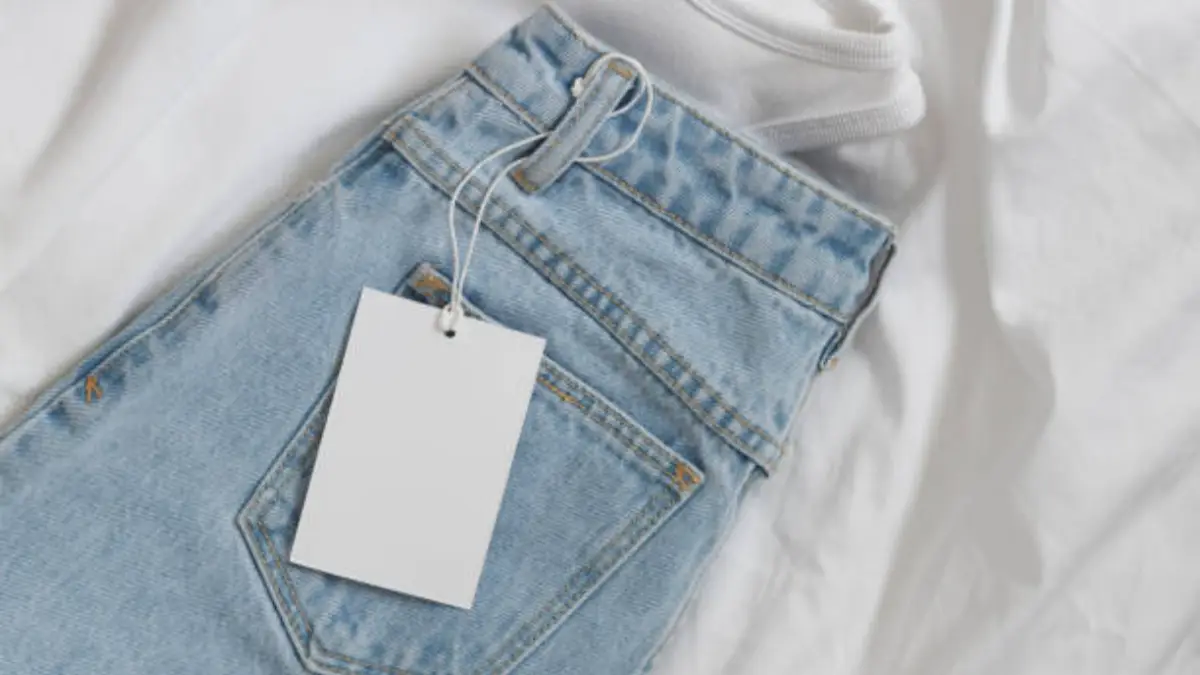
Consistent denim branding across labels, hardware, and packaging justifies premium pricing. Balancing high-contrast visibility with hidden craftsmanship reassures buyers of authentic quality instantly.
Labels, Patches, and Hangtags
Back pocket patches act as the primary brand canvas for denim. Manufacturers utilize heavy-duty materials like leather or horsehide to embed story-driven imagery that immediately communicates heritage and physical durability to the buyer.
Beyond the back patch, the broader label ecosystem relies on specific indicators to reassure customers of garment quality before they make a purchase:
- Structural Details: Custom-printed pocket bags, engraved rivets, and colored selvedge edges validate premium construction.
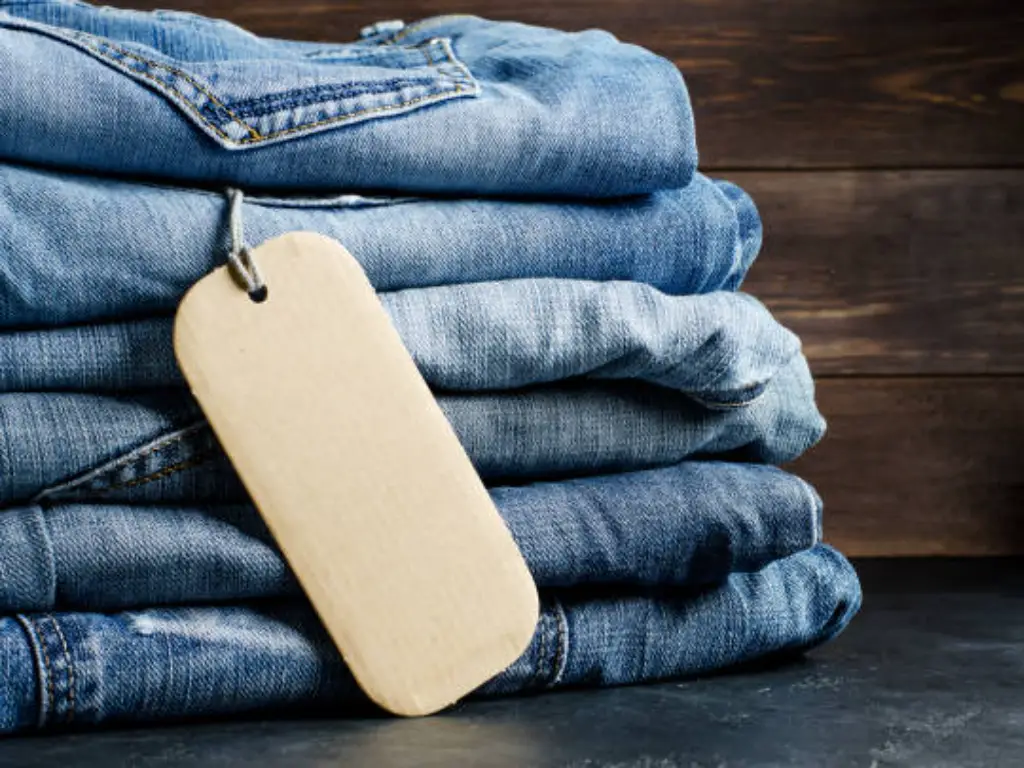
- Point-of-Sale Hangtags: Attached cards detail fabric origins and unique fits to build an emotional connection.
- Sustainability Metrics: Clear data on resource use or recycled materials printed directly on the tags to justify higher price points.
Logo Placement and Visibility
Denim style guides establish strict rules for logo placement across back pockets, waistbands, and hangtags. This exactness guarantees a unified aesthetic across all physical touchpoints. Effective visibility strategies demand a careful balance between loud branding and quiet craftsmanship.
You need high-contrast elements, like a bright tab popping against dark indigo, to grab immediate visual attention. At the same time, subtle details like hidden selvedge logos or intricate pocket stitching signal authenticity to denim enthusiasts who inspect the garment closely.
Current 2026 packaging guidelines push this integration further. Physical tags now mirror the core visual identity exactly while incorporating modern requirements like sustainability claims and digital fit previews directly into the design.
Custom Hardware and Signature Details
Custom trims and tactical packaging transform basic jeans into premium branded experiences, driving perceived value and customer loyalty from the shelf to the unboxing.
Essential Metal Hardware for Denim
Metal components do more than hold a pair of jeans together. They act as permanent touchpoints that signal quality long after the initial purchase.
- Buttons: Engraved metal buttons provide a premium feel at the waistband, available in finishes like silver, gold, gunmetal, or matte black to match specific denim washes.
- Rivets: Placed at pocket stress points, custom rivets reinforce garment construction while offering subtle branding opportunities through engraved initials.
- Zippers: Private label programs integrate high-quality zippers from trusted suppliers to guarantee functional durability and maintain aesthetic alignment.
Branding Details and Packaging Signatures
Beyond the physical garment, tactile trims and strategic packaging finalize the product presentation. These elements establish your brand identity during both retail display and e-commerce delivery.
- Waistband Labels: Leather back patches and woven main labels tell a distinct brand story directly on the garment, elevating the overall perceived value.
- Retail Packaging: Manufacturers supply custom polybags and premium boxes designed to protect the product while reinforcing visual identity.
- Interactive Hang Tags: Modern tags come equipped with QR codes to engage customers, share fabric origins, and extend the retail experience into 2026.
Elevate Your Brand With Custom Denim

Choosing Materials That Reflect Your Brand Identity
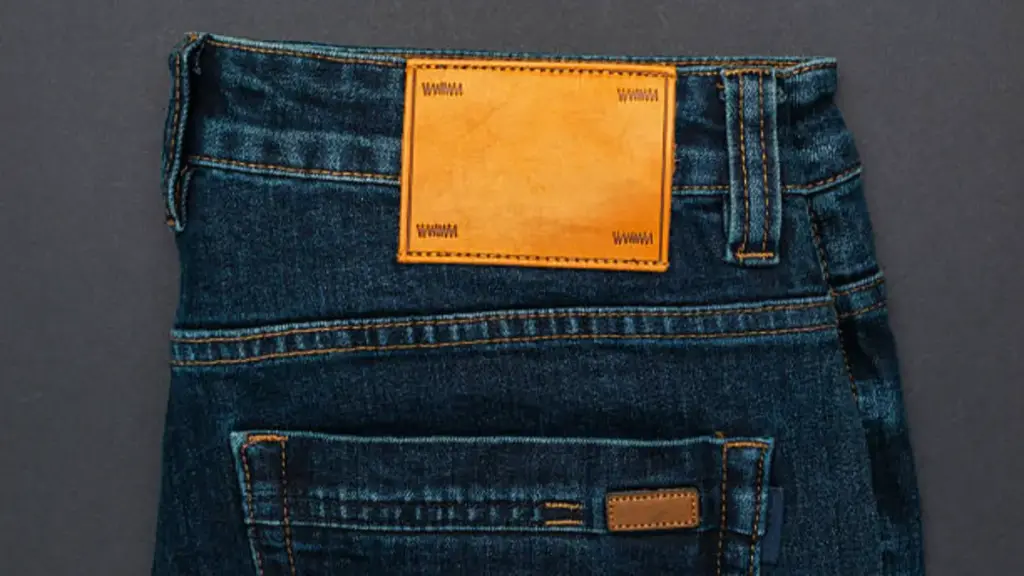
Material choices dictate your denim’s market position. Leather and woven labels signal heritage, while vegan patches and printed graphics target eco-conscious buyers and modern streetwear sectors.
Leather vs Vegan Patches
Leather patches give denim jeans a premium tactile feel, signaling authenticity and heritage for brands focused on classic workwear styles. Denim makers select leather to establish a rugged appeal that connects directly with traditional buyers.
Vegan patches use recycled polyester or organic cotton blends to help sustainability-driven brands secure OEKO-TEX® and GRS certifications. These alternatives attract ethical consumers in the 2026 market by utilizing post-consumer recycling while maintaining the classic back-patch visual.
Woven vs Printed Labels
Woven labels embed intricate textures into denim seams using satin, damask, or cotton. This approach adds elevated detail for high-end clothing lines. Designers actively match woven labels to tactile heritage garments to reinforce a premium physical product experience.
Printed labels, specifically direct heat transfer applications, fuse ink directly into the fabric. The design survives heavy industrial washes without cracking or fading. Brand owners rely on printed labels to deliver bold, cost-effective messaging across high-volume streetwear collections and retail hangtags.
Packaging Design for Retail and E-commerce

Effective denim packaging balances physical protection with brand storytelling, adapting its structural design to meet both in-store visual demands and online unboxing expectations.
Retail Store Packaging Strategies
Retail environments demand packaging that pulls double duty: protecting the garment and acting as a silent salesperson. Brands succeed when they align their physical packaging with their store’s layout and customer flow.
- Two-piece boxes: These protect heavy denim items and match the premium aesthetic layout of a physical store.
- Custom bags: Printed logos, brand colors, and unique care tags build instant consumer recognition as buyers leave the shop.
- Rigid mailers: These help small boutiques stand out on physical retail shelves while keeping overhead costs low.
Online Shipping and Unboxing Elements
E-commerce removes the physical store experience, forcing the packaging to do all the heavy lifting. The moment a customer opens the package sets the tone for the entire purchase, making structure and presentation critical.
- Roll-end tuck front boxes: These secure the garment against accidental opening during transit while delivering a memorable unboxing moment.
- Moisture-resistant poly mailers: These bags keep jeans safe from environmental damage without adding unnecessary shipping weight.
- Brand inserts: Custom cards, flyers, and personal notes replace the in-store interaction, helping you connect directly with distant buyers.
- Sustainable materials: Eco-friendly Econoflex boxes and biodegradable mailers address the strict 2026 consumer demands for sustainable practices.
Selecting the right mix of materials ensures the product arrives intact while reinforcing the brand’s core identity right at the doorstep.
Managing Branding Components Across Production
Consistent branding during production requires strict compliance, verifiable sustainability certifications, and rigorous quality control to protect your brand identity from factory floor to final delivery.
| Certification Standard | Target Focus |
|---|---|
| GOTS | Verifies organic material content and eco-friendly processing methods. |
| OEKO-TEX Standard 100 | Ensures fabrics and trims remain free from harmful chemicals. |
| WRAP | Guarantees lawful, humane, and ethical production environments. |
| FSC / OK Compost | Validates environmental standards for shipping and packaging materials. |
Aligning Labeling and Certifications with Brand Identity
Manufacturers must treat labeling and compliance as core brand assets, not just legal obligations. Accurate labeling prevents regulatory delays, speeds up U.S. customs clearance, and signals transparency directly to your buyers.
- Regulatory Compliance: Update labeling practices to reflect 2026 regulatory guidelines, including accurate fiber content percentages, country of origin, care instructions, and manufacturer identification.
- Supply Chain Accountability: Secure industry certifications to validate sustainability claims and enforce strict ethical standards across your vendor network.
- GOTS Certification: Verify organic materials and eco-friendly processing to back up environmental marketing.
- OEKO-TEX Standard 100: Ensure fabrics remain free from harmful chemicals, protecting end-user safety.
- WRAP Certification: Guarantee lawful, humane, and ethical production environments at the factory level.
Linking these verified claims directly to your physical labels builds immediate credibility. Buyers trust brands that back up their marketing language with audited production standards.
Implementing Quality Control and Sustainable Packaging
A strong brand identity falls apart if the final physical product lacks consistency. You need a structured approach to quality control and a packaging strategy that reflects your stated brand values.
- Tech Pack Deployment: Distribute detailed tech packs outlining exact specifications for design accuracy, pattern development, fabric selection, and finishing.
- Rigorous Inspections: Establish quality control checkpoints across all production stages to catch defects early and maintain physical brand standards.
- Resource Tracking: Monitor materials, energy usage, water savings, and chemical safety through sustainability checklists to align factory output with brand values.
- Eco-Friendly Logistics: Package approved jeans using recyclable paper mailers, compostable bags, and soy-based inks to reinforce environmental commitments.
- Material Verification: Verify packaging materials meet FSC or OK Compost environmental standards before shipping products to consumers.
Executing these steps ensures the delivered garment matches the brand promise. Sustainable packaging creates a premium unboxing experience while proving your commitment to minimizing environmental impact.
Final Thoughts
While generic tags and standard polybags offer lower upfront costs, custom trims and sustainable packaging provide the only way to safeguard your brand reputation against perceived cheapness. Sourcing premium leather patches, engraved hardware, and GOTS-certified materials instantly elevates the unboxing experience for high-end buyers. This unified visual identity secures customer loyalty and directly justifies premium retail pricing.
Don’t guess on material quality—verify it before committing to bulk production. We recommend starting with a physical sample order to test our custom patches, engraved metal buttons, and retail-ready boxes firsthand. Contact our manufacturing team to discuss your specific OEM requirements and build a packaging ecosystem that drives long-term sales.
Frequently Asked Questions
How to design custom labels for jeans?
Define your brand identity, choose durable materials like leather or woven damask, and create vector artwork at 300 DPI. Select a fold type, review a digital proof, and always test physical samples for wash fastness before bulk production.
What are the types of denim brand patches?
Options include heritage leather, washable eco-friendly Jacron paper, flexible TPU for athletic fits, and vintage woven patches. Brands placement is strategically focused on the back right waistband to maximize high-contrast visibility and establish premium brand recognition.
How much does custom clothing packaging cost?
Custom physical samples typically cost $20 to $50 due to setup fees. However, for bulk wholesale orders exceeding 20,000 units, the price per box drops significantly below $0.50. Premium rigid setups or heavy sustainable materials will increase costs.
Can I use recycled materials for hangtags?
Absolutely. You can source recycled cardstock, ocean plastic yarn, stone paper, or bamboo fibers. To validate your 2026 sustainability metrics, ensure your packaging manufacturer holds verifiable Global Recycled Standard (GRS) or OEKO-TEX STANDARD 100 certifications.
How to add a private label to wholesale jeans?
Partner with a flexible OEM manufacturer to customize standard fits. You supply the tech pack, and they integrate your custom woven labels, engraved hardware, and patches. Many integrated factories offer low MOQs starting at 30 pieces.
What is the MOQ for custom branded buttons?
Custom hardware MOQs generally scale from 100 to 1,000 pieces. Basic engraved zinc alloy or brass buttons are accessible at 100 units, while highly customized rivets, distinct shapes, or unique color-matched finishes require 500 to 1,000 units.