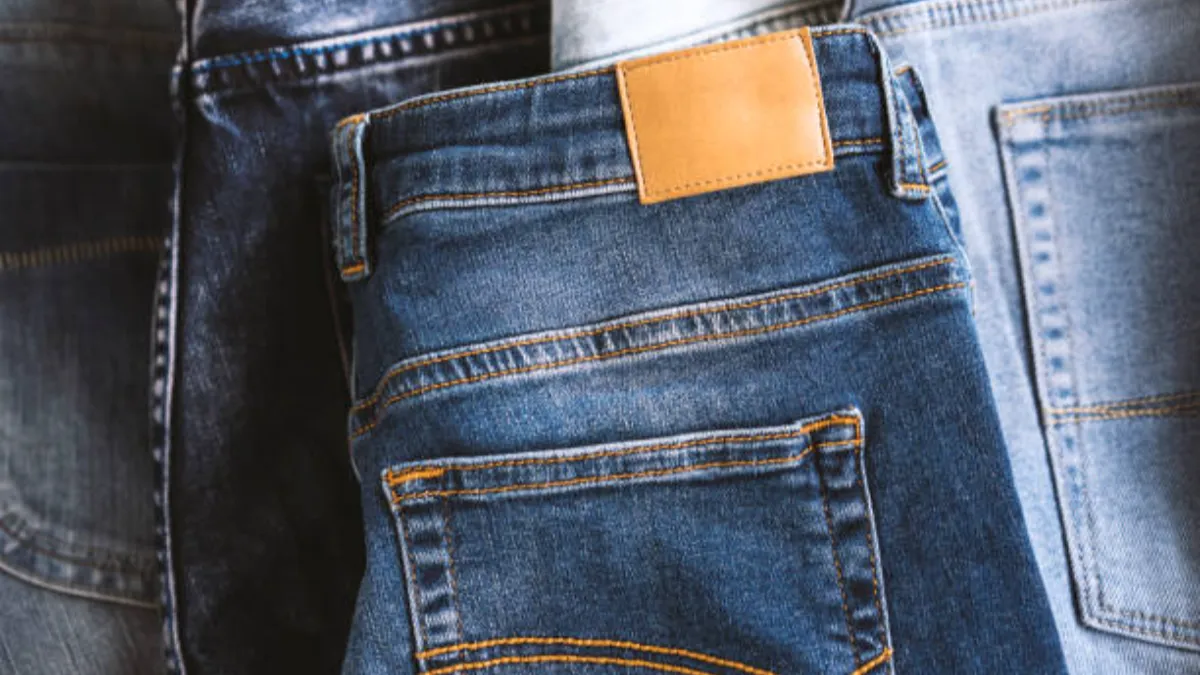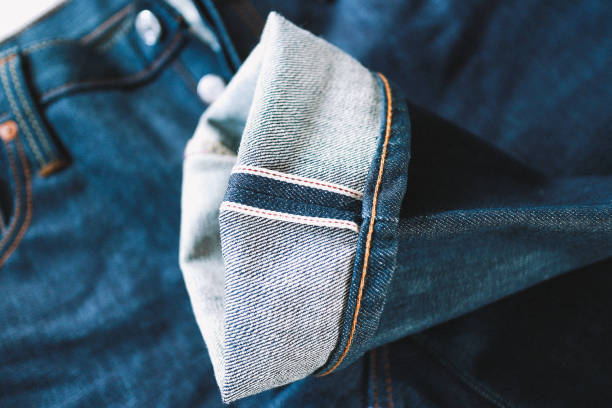
Wax-Denim ist ein Baumwoll-Twill-Stoff, der mit einer Wachs- oder Harzbeschichtung versehen ist. Diese Schicht erhöht die Wasserbeständigkeit, eine festere Berührung, und ein dezenter Glanz. Die Beschichtung wird unter Hitze und Spannung aufgetragen, dann abgekühlt, um eine haltbare Masse zu erzeugen, Strukturierte Oberfläche, die häufig sowohl für Stil als auch für Funktion verwendet wird.
Gewachster Denim ist die Schnittstelle traditioneller Handwerkskunst, funktionale Leistung, und moderne Modeinnovation. Bekannt für seinen dezenten Glanz, Wasserbeständigkeit, und sich entwickelnde Patina, Gewachster Denim hat sich weit über die Nischen-Arbeitskleidung hinaus und in die moderne Herrenmode entwickelt, Damenbekleidung, und Premium-Casual-Kollektionen.
Für Marken, Gewachster Denim bietet einen hohen Storytelling-Wert und Margenpotenzial. Für Einkäufer und Beschaffungsteams, es bringt auch höhere technische Anforderungen mit sich, von der Stoffauswahl bis zur Endbearbeitungskontrolle. In diesem Leitfaden wird die Definition von mit Wachs beschichtetem Denim erläutert, seine Produktion, Anwendungen, und Beschaffungsstrategien.ale.
Was ist gewachster Denim??

Gewachster Denim ist ein Denimstoff, der mit einer Beschichtung auf Wachs- oder Harzbasis behandelt wurde, um sowohl sein Aussehen als auch seine Leistung zu verbessern. Im Gegensatz zu herkömmlichen Waschmitteln, bei denen Farbstoffe entfernt werden, gewachster Denim fügt eine Oberflächenschicht hinzu, Dadurch entsteht ein einzigartiger Glanz und eine verbesserte Wasserbeständigkeit.
Historisch, Gewachste Stoffe wurden in Matrosenuniformen und Outdoor-Arbeitskleidung zum Schutz vor Witterungseinflüssen verwendet. Beim Auftragen auf Denim, Das Ergebnis ist ein Stoff, der robust und dennoch raffiniert aussieht. Im Laufe der Zeit, Gewachster Denim entwickelt individuelle Tragemuster und Patina, jedes Kleidungsstück einzigartig machen.
Wichtige Punkte für Marken und Verbraucher:
- Optischer Reiz mit lederähnlichem Glanz
- Funktionelle Leistung (Wasser- und Windbeständigkeit)
- Dauerhafte und sich mit der Zeit weiterentwickelnde Textur
Gewachster Denim ist nicht nur eine Waschung; es ist ein fertiger Stoff mit ausgeprägtem Storytelling-Potenzial für Premium-Kollektionen.
Hauptmerkmale und Leistungsvorteile
Gewachster Denim unterscheidet sich von anderen Denim-Ausrüstungen sowohl im Aussehen als auch in der Funktion, Wir bieten Designern einen Stoff, der Stil und Zweckmäßigkeit in Einklang bringt.
Visueller Reiz
- Dezenter Glanz von matt bis seidenmatt
- Kontrastreiche Falten an den Knien, Ellenbogen, und Stresspunkte
- Farbtiefe, vor allem in schwarz, Indigo, und Erdtöne
Funktionelle Eigenschaften
- Wasserbeständig bei leichtem Regen oder verschütteten Flüssigkeiten
- Winddichte Oberfläche, für zusätzlichen Komfort in kühleren Klimazonen
- Anfangs fühlt sich die Hand etwas steifer an, durch Abnutzung weicher werden
Tragen Sie Evolution
- Lokale Verblassungs- und Knickspuren für eine individuelle Patina
- Der einzigartige Alterungsprozess verbessert das Geschichtenerzählen des Kleidungsstücks
- Verbraucher empfinden es als Prämie, „lebendiger“ Stoff
Diese Eigenschaften machen gewachsten Denim ideal für Statement-Stücke, die Mode mit Funktion verbinden.
Wie gewachster Denim hergestellt wird?
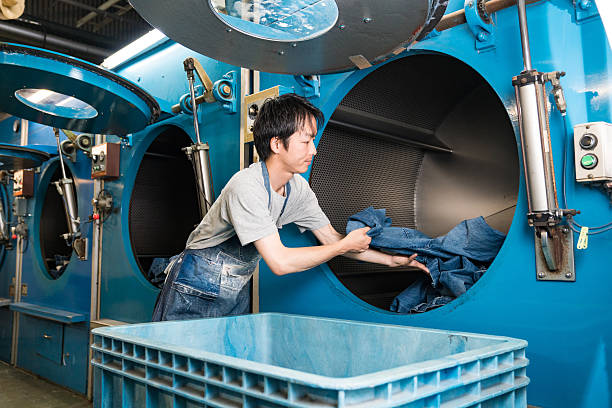
Um erstklassigen gewachsten Denim zu erhalten, Marken und Käufer müssen den wichtigsten Phasen des Herstellungsprozesses große Aufmerksamkeit schenken.
1. Auswahl des Grundstoffs
- Typischerweise Mitte- bis hin zu schwerem Denim (11–14 oz)
- Engere Webstrukturen sorgen für einen gleichmäßigen Halt der Beschichtungen
- Ringgesponnene Garne werden wegen besserer Textur und Verschleißfestigkeit bevorzugt
- Optionaler Stretch (geringer Elastananteil) muss sorgfältig gehandhabt werden, um Risse zu vermeiden
2. Wachsen und Beschichten
Es gibt zwei Hauptmethoden:
Traditionelle Wachsanwendung
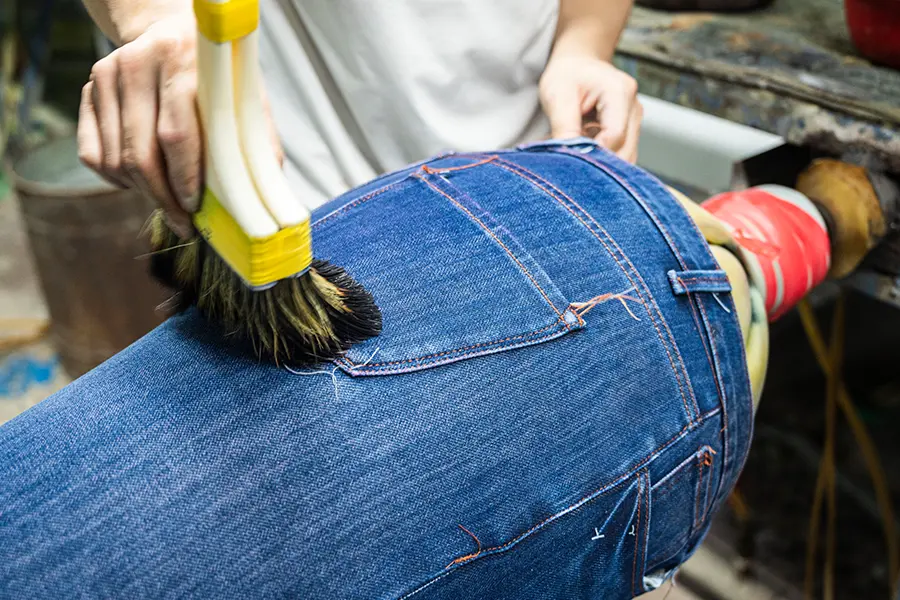
- Paraffin- oder Bienenwachsmischungen werden manuell oder mit Walzen aufgetragen
- Erzeugt ein natürliches, ungleichmäßige Patina
- Höhere Handwerkskunst, geringere Gleichmäßigkeit
Moderne Harz/Wachs-Harz-Beschichtungen
- Acryl, PU, oder Hybridmischungen
- Sorgt für ein gleichmäßiges Finish und eine bessere Waschstabilität
- Geeignet für die Massenproduktion ohne Kompromisse bei der Optik
3. Aushärtung und Stabilisierung
- Durch die Wärmehärtung wird die Beschichtung fixiert
- Ruhephasen stabilisieren das Handgefühl und das Finish
- Reibechtheits- und Rissprüfungen gewährleisten die Haltbarkeit
Hersteller, die diese Schritte nicht kontrollieren, riskieren eine ungleichmäßige Beschichtung, knacken, oder Farbunstimmigkeiten, Dies führt zu Retouren und Unzufriedenheit mit der Marke.
Gewachster Denim vs. Andere Denim-Oberflächen
Gewachster Denim unterscheidet sich von anderen Denim-Typen durch seine Verarbeitung und Leistung. Im Gegensatz zu Standardwaschmitteln, Seine Behandlung verändert das Verhalten des Stoffes im Laufe der Zeit. Hier sehen Sie, wie es im Vergleich zu anderen gängigen Denim-Ausführungen abschneidet:
1. Roher Jeans
- Raw Denim ist unbehandelt und konzentriert sich auf Indigo-Reinheit und natürliches Ausbleichen.
- Gewachster Denim, im Gegensatz dazu, ist mit Wachs oder Harz beschichtet, verleiht ihm von Anfang an Wasserbeständigkeit und einen dezenten Glanz.
- Während sich Raw Denim hauptsächlich durch Farbverblassen entwickelt, Gewachster Denim entwickelt Falten und eine einzigartige Patina, jedem Kleidungsstück Struktur und Charakter verleihen.
2. Beschichteter Denim
- Bei beschichtetem Denim werden in der Regel gleichmäßige PU- oder Acrylschichten verwendet, um ein gleichmäßig glänzendes Finish zu erzielen.
- Gewachster Denim ist bewusst weniger gleichmäßig, Es entstehen natürliche Streifen und Variationen, die das handwerkliche Können unterstreichen.
- Dies macht gewachsten Denim für Premium-Jacken attraktiver, Jeans, und vom Erbe inspirierte Stücke, bei denen visuelle Tiefe geschätzt wird.
3. Stone-washed / Enzymgewaschener Denim
- Verwendet Abrieb oder chemische Prozesse, um Fasern weicher zu machen und Verblassungseffekte zu erzeugen.
- Gewachster Denim fügt Material hinzu, anstatt es zu entfernen, Dadurch wird der Stoff zunächst leicht versteift und die Abriebfestigkeit erhöht.
- Das Finish entwickelt sich im Laufe der Zeit, ein taktiles schaffen, lebendige Oberfläche statt gleichmäßigem Verblassen.
Designanwendungen und Zielmärkte

Gewachster Denim funktioniert am besten, wenn Designentscheidungen seine Textur nutzen, Glanz, und Leistung.
Beliebte Produkttypen
- Trucker-Jacken und Arbeitsmäntel
- Slim- oder Straight-Leg-Jeans
- Overshirts und Freizeitjacken
- Kapselstücke in limitierter Auflage
Ideale Markenpositionierung
- Traditions- und Arbeitskleidungsmarken
- Zeitgenössische Herrenmode-Labels
- Premium-Casual- und Urban-Kollektionen
- DTC-Marken streben nach Differenzierung
Werten Sie Ihre Marke mit Custom Denim Mastery auf
Umweltfreundliche Innovationen: Ist gewachster Denim nachhaltig??
Nachhaltigkeit ist für Marken, die hochwertige Stoffe beziehen, ein wachsendes Anliegen. Bei gewachstem Denim wird traditionell Paraffin oder Bienenwachs verwendet, Doch moderne Innovationen konzentrieren sich auf umweltbewusste Beschichtungen und wassersparende Verfahren.
- Wachse auf pflanzlicher Basis Reduzierung erdölbasierter Materialien
- Schonende Harzbeschichtungen Verbesserung des ökologischen Fußabdrucks
- Wasserlose Veredelungstechnologien Minimieren Sie den Wasserverbrauch
- Recycelbare oder biologisch abbaubare Komponenten entstehen in der High-End-Produktion
Während gewachster Denim möglicherweise nicht so nachhaltig ist wie Bio-Rohdenim, Zukunftsorientierte Denim-Bekleidungshersteller bieten zunehmend umweltfreundlichere Lösungen an, ohne Kompromisse bei der Leistung einzugehen.
Wartungshandbuch: Informieren Sie Ihren Endverbraucher
Gewachster Denim erfordert besondere Pflege, Das ist auch eine Möglichkeit zur Markenbildung. Die Aufklärung der Kunden stellt sicher, dass Kleidungsstücke länger halten und ihren Premium-Anspruch behalten.
Pflegerichtlinien:
- Fleckenreinigung statt Maschinenwäsche
- Vermeiden Sie Reinigungsmittel und aggressive Chemikalien
- Natürlich an der Luft trocknen, Kein Wäschetrocknen oder Bügeln über Wachs
- Durch gelegentliches Nachwachsen wird die Wasserbeständigkeit wiederhergestellt
Marken, die klare Pflegehinweise geben, stärken das Vertrauen der Kunden, Beschwerden reduzieren, und positionieren sich als Experten für hochwertige Produkte.
Beschaffungsstrategie: So passen Sie Ihre Waxed Denim-Kollektion individuell an
Bei der Beschaffung von gewachstem Denim geht es weniger darum, die günstigste Option zu finden, als vielmehr darum, eine zuverlässige Option zu finden, erfahren Partner für Denim-Bekleidung.
Wichtige Überlegungen
- Erfahrung mit gewachsten oder beschichteten Stoffen
- Eigene Probenahme und Beschichtungskontrolle
- Möglichkeit, die Beschichtungsformel an Ästhetik und Leistung anzupassen
- Transparente Qualitätskontroll- und Testprotokolle
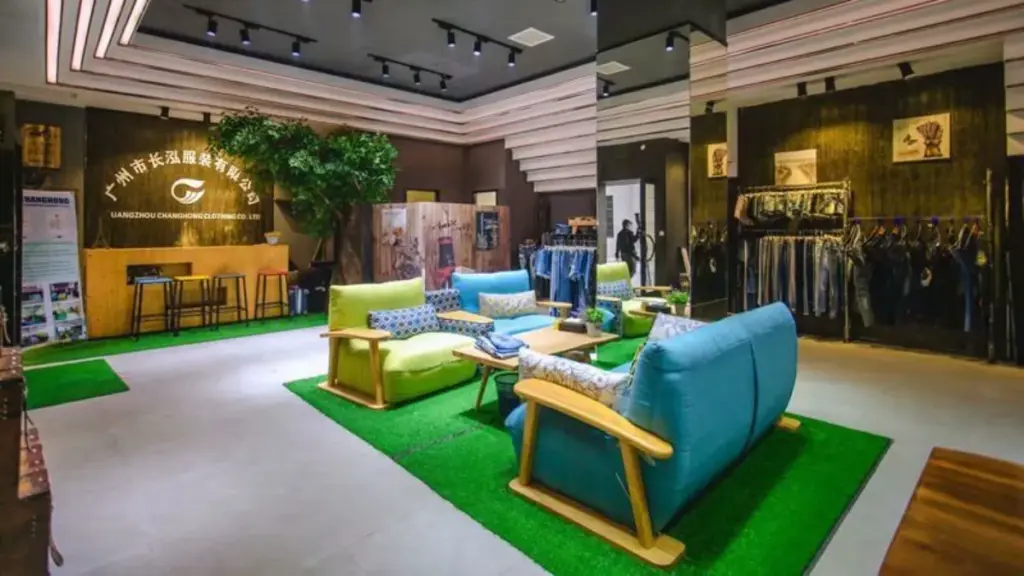
Bei Changhong, Die Entwicklung von gewachstem Denim wird als gemeinschaftlicher Prozess betrachtet. Von der Stoffauswahl bis zur Beschichtungsmethode, Bekleidungskonstruktion, und Abschluss, Jeder Schritt wird sorgfältig gemanagt, um eine konsistente Leistung zu gewährleisten, hochwertige Kleidungsstücke.
Letzte Gedanken
Gewachster Denim ist ein Statement-Stoff, der Marken belohnt, die bereit sind, in Qualität zu investieren, Handwerkskunst, und Geschichtenerzählen. Seine visuelle Tiefe, funktionelle Vorteile, und sich entwickelnde Patina machen es ideal für sowohl vom Erbe inspirierte als auch für zeitgenössische Kollektionen.
Der Erfolg bei gewachstem Denim kommt darauf an:
- Technische Ausführung: richtigen Stoff, Beschichtung, und Abschluss
- Markenpositionierung: Ausrichtung des Produkt-Storytellings auf die Erwartungen der Verbraucher
- Der richtige Fertigungspartner: zur Orientierung, Qualität, und Skalierbarkeit
Wenn Sie bereit sind, gewachsten Denim für Ihre nächste Kollektion zu entdecken, Changhong kann Ihnen beim Design helfen, Quelle, und Kleidungsstücke herzustellen, die sich vom Markt abheben. Kontaktieren Sie uns noch heute um Ihre individuelle Reise mit gewachstem Denim zu beginnen.
Häufig gestellte Fragen
So wäscht man Wax-Denim?
Gewachster oder beschichteter Denim sollte sparsam gewaschen werden, um ein Ablösen der Oberfläche zu vermeiden. Bei Bedarf, Verwenden Sie kaltes Wasser (20–30°C), ein sanfter Zyklus, Drehen Sie das Kleidungsstück um, Verwenden Sie ein mildes Reinigungsmittel, und an der Luft trocknen. Durch punktuelle Reinigung oder professionelle Trockenreinigung bleibt die Wachsbeschichtung am besten erhalten.
Behandeln Sie es wie eine beschichtete Regenjacke – weniger Waschen bedeutet länger anhaltenden Schutz.
Kann man gewachste Jeans waschen??
Ja, aber tun Sie dies selten. Verwenden Sie kaltes Wasser mit einer Temperatur von maximal 30 °C, ein sanfter Zyklus, mildes pH-neutrales Reinigungsmittel, und vermeiden Sie Wäschetrocknen oder direkte Hitze. Handwäsche und anschließende Lufttrocknung werden bevorzugt; Nach dem Waschen in der Maschine muss möglicherweise erneut gewachst werden.
Ähnlich wie bei der Lederpflege, Übermäßiges Waschen kann die Lebensdauer der Beschichtung verkürzen.
So reinigen Sie Wachsdenim, ohne Wachs zu entfernen?
Wenn möglich, mit kaltem Wasser punktuell reinigen. Wenn eine vollständige Wäsche erforderlich ist, Vorsichtig von Hand auf links in kaltem Wasser mit wenig oder keiner milden Seife waschen, Anschließend an der Luft und vor Hitze schützen. Starke Wasch- oder Reinigungsmittel entfernen das Wachs und erfordern möglicherweise ein erneutes Wachsen.
Stellen Sie sich vor, Sie reinigen eine lackierte Oberfläche – durch kräftiges Schrubben wird die Schutzschicht entfernt.
Schrumpfen gewachste Jeans??
Ja, da die Basis typischerweise Baumwolldenim ist. Durch die richtige Pflege mit Kaltwäsche und Lufttrocknung bleibt die Schrumpfung in Länge und Breite bei etwa 2–4 %. Heißes Wasser oder Wäschetrocknen können die Schrumpfung verstärken, insbesondere für dehnbare oder unsanforisierte Stoffe.
Stellen Sie es sich wie T-Shirts aus reiner Baumwolle vor – hohe Hitze strafft die Fasern.
Wie man Denim nachwachst?
Reinige die Jeans, Tragen Sie anschließend mit einem Tuch oder direkt aus der Stange ein für das Kleidungsstück geeignetes Wachs gleichmäßig auf die Außenseite auf. Schmelzen Sie das Wachs mit einem Fön oder einer Heißluftpistole im Stoff, mindestens aushärten lassen 24 Std., und an stark beanspruchten Stellen wiederholen. Typischerweise ist alle 6–12 Monate ein erneutes Wachsen erforderlich, oder alle 3–4 Monate bei starker Beanspruchung.
Es funktioniert wie das Polieren von Stiefeln und stellt nach dem Tragen ihre schützende Oberfläche wieder her.
Ist gewachster Denim atmungsaktiv?
Gewachster Denim ist viel weniger atmungsaktiv als unbehandelter Denim, da die Beschichtung den Luftstrom durch das Gewebe blockiert. Es bietet wasserabweisende Eigenschaften und eignet sich für kühle oder gemäßigte Bedingungen, kann sich jedoch in heißen oder schweißreichen Umgebungen wärmer und weniger angenehm anfühlen.
Ähnlich wie das Tragen einer Windjacke – toll gegen Nässe, speichert aber mehr Wärme.