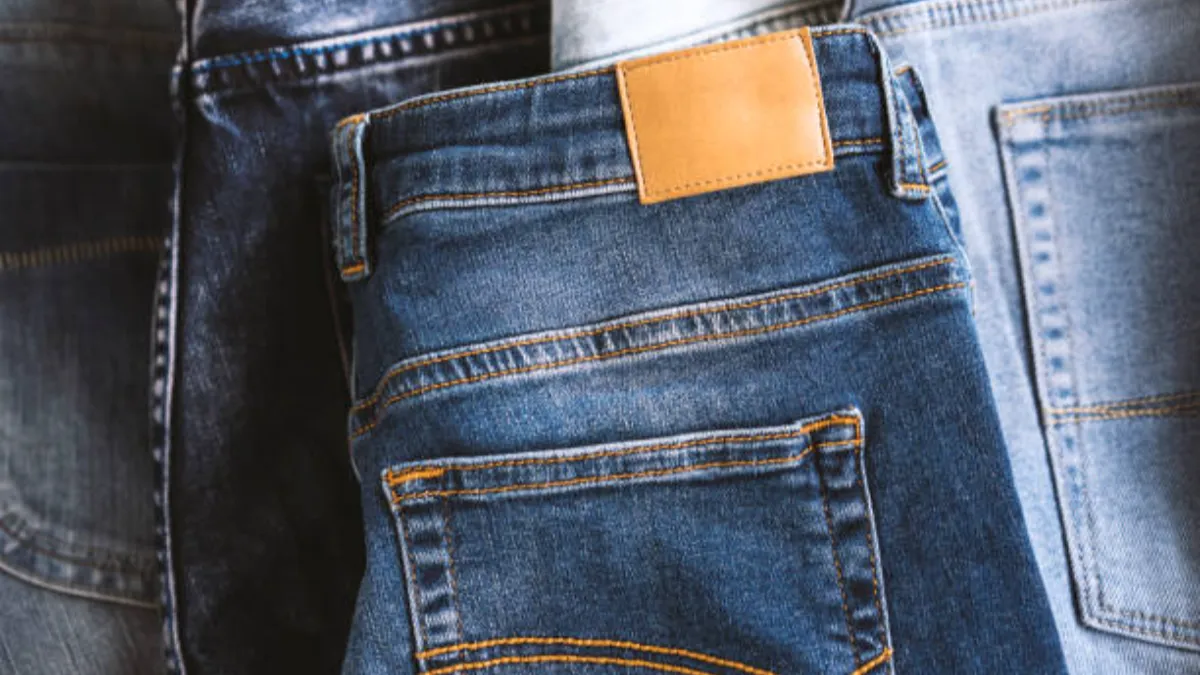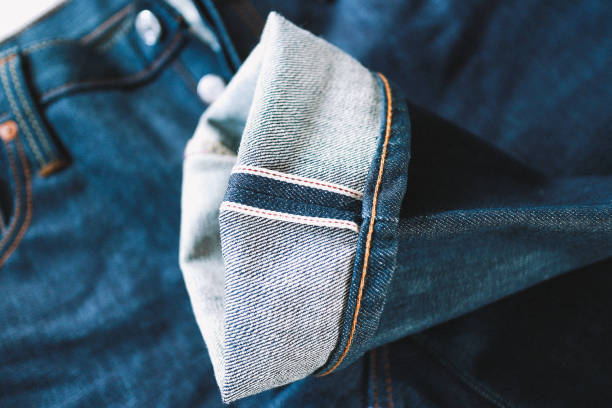
Sie haben sich entschieden, vom herkömmlichen Denim abzuweichen. Jetzt kommt die schwierigere Entscheidung: Sollten Sie Ihre neue Linie aus Bio-Baumwolle oder Hanf aufbauen??
Beide reduzieren die Umweltbelastung im Vergleich zu Standard-Denim. Jedoch, Sie unterscheiden sich erheblich in den Kosten, Textur, und wie sie sich während der Produktion verhalten. Dieser Leitfaden vergleicht diese Materialien, um Ihnen dabei zu helfen, die richtige Beschaffungsentscheidung zu treffen.
Warum sich der Markt auf nachhaltige Denim-Stoffe verlagert
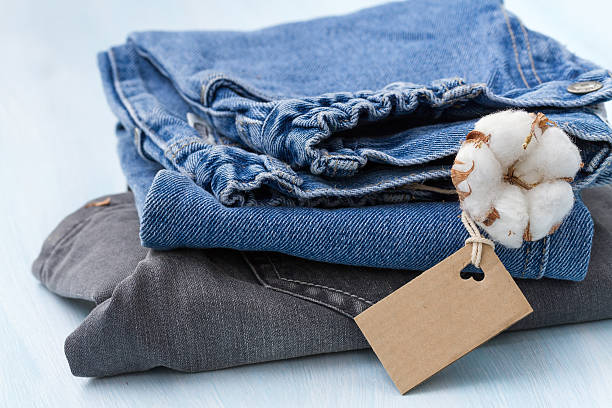
Die konventionelle Denim-Produktion stellt erhebliche Umweltherausforderungen dar. Es erfordert übermäßig viel Wasser und den Einsatz starker Chemikalien. Brancheneinschätzungen deuten darauf hin, dass die Herstellung einer einzigen Jeans Tausende Liter Wasser verbraucht und erhebliche CO₂-Emissionen verursacht.
Verbrauchernachfrage nach umweltfreundlichen Jeans und Jacken
Heutzutage legen Käufer Wert auf Transparenz hinsichtlich der Herkunft der Fasern und der Produktionsmethoden. Marken, die ihre Behauptungen überprüfen können, bauen stärkeres Vertrauen und eine stärkere Marktposition auf. Zertifizierungen wie GOTS (Globaler Bio-Textilstandard) oder OCS (Standard für organische Inhalte) dienen als leistungsstarke Instrumente zur Bestätigung dieses Engagements.
Das Problem mit konventioneller Baumwolle in der Bekleidungsproduktion
Der Baumwollanbau ist ein großer Wasserverbraucher in der Denim-Lieferkette. Zusätzlich, Der Abfluss beim traditionellen Indigofärben wirkt sich häufig negativ auf die örtlichen Wassersysteme aus. Für Marken, die Nachhaltigkeitsziele wie SDG erreichen möchten 6, Der Ersatz herkömmlicher Baumwolle ist die wirkungsvollste betriebliche Änderung.
Bio-Baumwolle vs. Hanf: Was eine geringere Umweltbelastung hat?
Beide Materialien sind umweltfreundlich, Sie gehen jedoch auf unterschiedliche Weise auf Umweltbelange ein.
Wasserverbrauch und Pestizidreduzierung bei Bio-Baumwolle
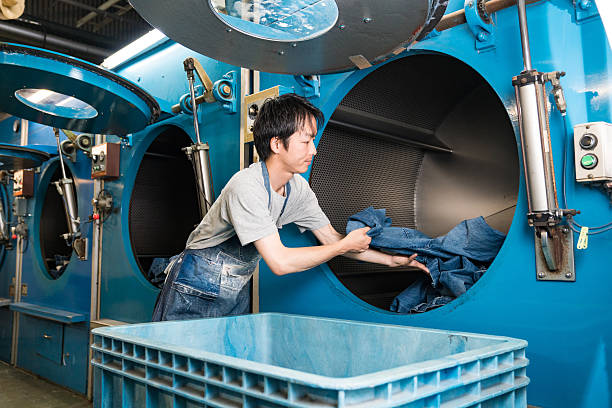
Beim Bio-Baumwollanbau sind synthetische Pestizide verboten. Dies schützt die Bodengesundheit und die lokalen Wassersysteme. Wenn Fabriken diese Baumwolle mit modernen Technologien wie Ozonfading verarbeiten, Sie können den Wasserverbrauch in der Wäscherei im Vergleich zu herkömmlichen Methoden drastisch reduzieren.
Der CO2-Fußabdruck und die Bodenvorteile des Hanfanbaus
Hanf fungiert als hochwirksamer Kohlenstoffspeicher. Es wächst schnell, erfordert nur minimales Wasser, und ist von Natur aus resistent gegen Schädlinge. Dadurch kann auf Agrochemikalien oft vollständig verzichtet werden. Wenn sich das Wertversprechen Ihrer Marke auf Kohlenstoffreduzierung oder regenerative Landwirtschaft konzentriert, Hanf ist die ideale Materialwahl.
Vergleich von Haltbarkeit und Stoffstruktur
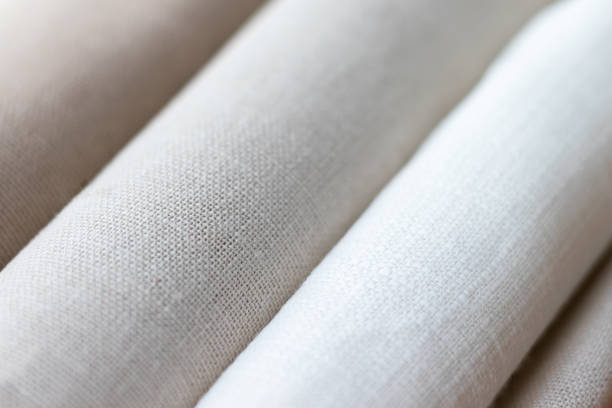
Nachhaltigkeit bestimmt den Erstkauf, aber Komfort sorgt für Kundenbindung. Hier erfahren Sie, wie sich diese Materialien im fertigen Kleidungsstück verhalten.
Die Weichheit und Atmungsaktivität von Bio-Baumwolle
Bio-Baumwolle bietet ein weiches Tragegefühl, vertrautes Handgefühl sofort von der Stange. Es ist von Natur aus atmungsaktiv und erfordert keine Luftzirkulation “Einbruch” Zeitraum. Wenn Sie Komfort oder eine Vintage-Ästhetik bevorzugen, Bio-Baumwolle ist die marktübliche Wahl.
Warum Hanf-Denim für außergewöhnliche Festigkeit und Langlebigkeit bekannt ist
Hanffasern sind von Natur aus stark. Mit Hanf gemischter Denim hat eine höhere Zugfestigkeit, Dadurch eignet es sich für von Arbeitskleidung inspirierte Linien. Während 100% Hanf kann sich anfangs starr anfühlen, Hanf-/Baumwollmischungen werden beim Tragen wunderbar weich. Sie bieten auch ein Einzigartiges, unregelmäßige Textur (oft genannt “Hochzeit”) das im Premium-Denim-Markt einen hohen Stellenwert hat.
Schalten Sie Premium-Custom-Denim für Ihre Marke frei
Technische Herausforderungen bei der Herstellung von nachhaltigem Denim
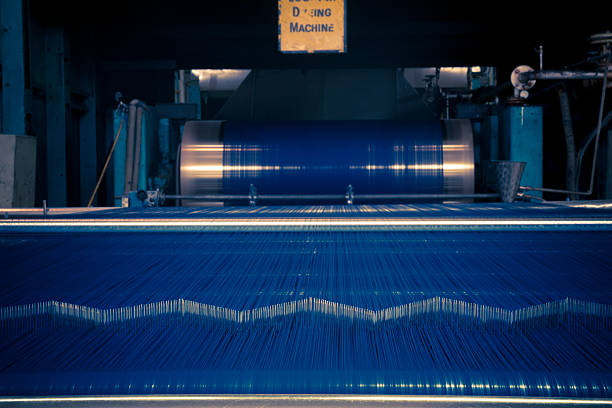
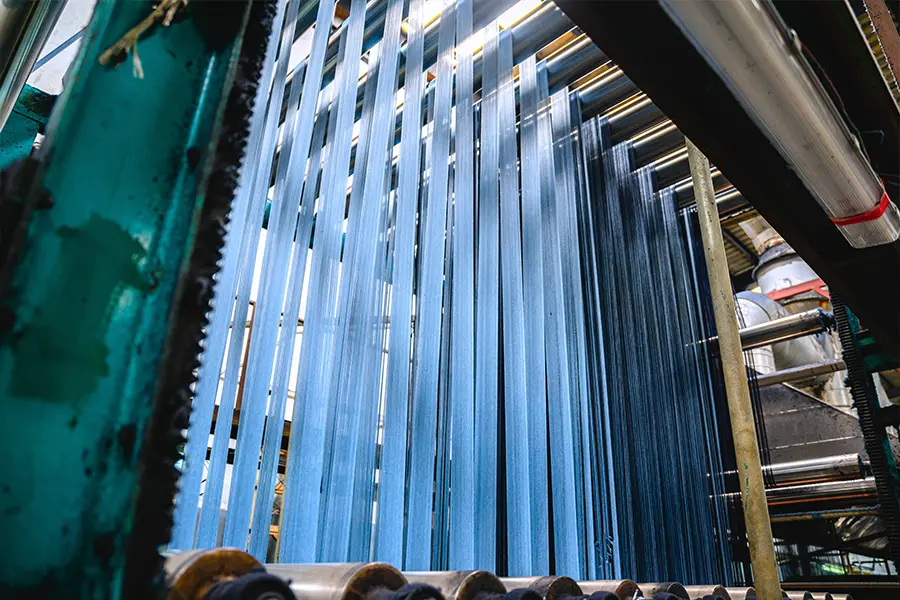
Hanf und Bio-Baumwolle verhalten sich anders als Standard Denim-Stoff beim Nähen. Ohne präzises Handling, Produktionsprobleme wie Nahtverdrehungen oder Dimensionsinstabilität können auftreten.
Umgang mit Schrumpfung und Textur bei der Herstellung von Hanf-Denim
Hanf hat im Vergleich zu Baumwolle andere Schrumpfraten. Wenn der Sanforisierungsprozess nicht genau kalibriert ist, Die Jeans kann sich nach der ersten Hauswäsche verziehen. Erfahrene Hersteller verwenden spezielle enzymatische Behandlungen und Spannungskontrollen, um Hanfmischungen zu stabilisieren. Dadurch wird sichergestellt, dass die Passform konstant bleibt.
Für das Schneiden und Nähen von schwerem Öko-Denim sind Fachkenntnisse erforderlich
Verarbeitung von schwerem Öko-Denim (13 oz+) erfordert spezielle Ausrüstung. Die dichten Fasern von Hanfmischungen können auf Standardmaschinen zu Nadelbrüchen oder ungleichmäßigen Nähten führen. In Ihrer Fabrik müssen Hochleistungsgeräte und qualifizierte Bediener zum Einsatz kommen. Dadurch ist sichergestellt, dass die Konstruktion genauso langlebig ist wie der Stoff selbst.
Hanf vs. Bio -Baumwolle: Was mehr kostet?
Warum Hanf oft eine höhere Prämie als Baumwolle verlangt
Momentan, Hanf-Denim hat höhere Produktionskosten. Die globale Lieferkette für feines Hanfgarn ist kleiner und komplexer als die von Baumwolle. Außerdem ist Bio-Baumwolle teurer als herkömmliche Baumwolle. Jedoch, es profitiert von einer etablierteren Infrastruktur, was es kostengünstiger macht, nachhaltige Option.
Berechnung des langfristigen ROI für Ihre nachhaltige Marke
Die höheren Kosten für Hanf ermöglichen eine Premium-Marktpositionierung. Sie können einen höheren Verkaufspreis rechtfertigen, indem Sie die überlegene Haltbarkeit und die Umweltvorteile des Produkts vermarkten. Bio-Baumwolle ist die praktische und zugängliche Wahl, Mittelklasse-Kollektionen.
Wann sollte man sich für Hanf vs. Bio -Baumwolle

Verwenden Sie diese Vergleichsmatrix, um die beste Lösung für Ihre spezifische Produktlinie zu ermitteln:
| Besonderheit | Bio -Baumwolle | Hanf (oder Hanfmischungen) |
|---|---|---|
| Textur & Handgefühl | Weich, glatt, und vertraut sofort von der Stange. | Anfangs starr, wird aber mit der Abnutzung weicher. Einzigartig “Hochzeit” Textur. |
| Haltbarkeit | Standard-Denim-Haltbarkeit. | Außergewöhnliche Zugfestigkeit. Hohe Abriebfestigkeit. |
| Kostenprofil | Mittelklasse. Besser zugänglich für die Massenproduktion. | Prämie. Höhere Materialkosten aufgrund komplexer Verarbeitung. |
| Nachhaltigkeitsfokus | Reduzierter Wasserverbrauch und keine synthetischen Pestizide. | Hohe Kohlenstoffbindung und Bodenregeneration. |
| Beste Endverwendung | Röhrenjeans, Komfortstretch, und klassische Vintage-Stile. | Arbeitskleidung, Traditioneller fester Denim, und Luxuskollektionen. |
Machen Sie den nächsten Schritt mit einem vertrauenswürdigen Fertigungspartner
Sie haben die Vision und die Materialien im Kopf. Jetzt, Sie benötigen eine Fabrik, die Schwundraten und Compliance-Dokumentation genau verwalten kann.
Changhong bietet integrierte Lösungen für die Denim-Herstellung, Wir begleiten Sie vom Konzept bis zum Regal mit einem strikten Fokus auf Nachhaltigkeit:
- Umweltbewusste Produktion: Wir nutzen fortschrittliche Öko-Färbetechnologien und wassersparende Veredelungsverfahren, um den ökologischen Fußabdruck jeder von uns hergestellten Jeans zu minimieren.
- Nachhaltige Materialbeschaffung: Über die bloße Verarbeitung hinaus, Wir beziehen und verwenden aktiv zertifizierte Bio-Baumwolle, recycelte Materialien, und Premium-Hanfmischungen, um Ihre spezifischen Umweltziele zu erreichen.
- Grünes Design & Entwicklung: Unser Designteam ist auf nachhaltige Produktentwicklung spezialisiert, Wir helfen Ihnen, langlebig zu sein, Kreislauf-Denim-Produkte, die modernen Öko-Standards entsprechen.
- OEM & ODM-Dienste: Egal, ob Sie umfassende Designunterstützung oder Produktion basierend auf Ihren Technologiepaketen benötigen, Wir passen uns Ihren Bedürfnissen an.
- Verifizierte Konformität: Wir verfügen über ISO9001- und BSCI-Zertifizierungen. Wir verwalten auch die Produktkette für organische und recycelte Materialien.
Bereit für den Start Ihrer nachhaltigen Denim-Linie? Kontaktieren Sie uns noch heute, um Ihr Projekt zu besprechen.
FAQs
Was ist die typische Vorlaufzeit für eine nachhaltige Denim-Produktion??
Die Lieferzeiten hängen vom Stoffbestand ab. Allgemein, Die Massenproduktion dauert 30–50 Tage nach Musterfreigabe. Changhong arbeitet daran, diesen Zeitplan zu optimieren, damit Sie Ihre Markteinführungstermine einhalten können.
Kann ich nachhaltigen Stretch hinzufügen? (Elastane) zu Jeans aus Hanf oder Bio-Baumwolle?
Ja. Wir mischen häufig Hanf oder Bio-Baumwolle mit 1–3 % recyceltem Elasthan oder recyceltem Polyester (rPET). Dadurch wird sichergestellt, dass das Kleidungsstück die Dehnbarkeit und den Komfort aufweist, die Verbraucher erwarten, ohne Kompromisse bei der Umweltfreundlichkeit einzugehen.
Bieten Sie Probenahmedienste vor der vollständigen Massenproduktion an??
Ja. Wir betrachten die Probenahme als einen entscheidenden Schritt. Mithilfe von Prototypen können Sie die Passgenauigkeit überprüfen, Wascheffekte, und fühlen Sie sich von Hand an, bevor Sie sich zu einem vollständigen Produktionslauf verpflichten.
Was ist das MOQ? (Mindestbestellmenge) für individuelle Öko-Jeans?
Wir unterstützen aufstrebende Marken. Die Mindestbestellmengen variieren je nach Stoffauswahl und Waschkomplexität, Wir bieten flexible Mindestbeträge an, um die Einführung neuer nachhaltiger Produktlinien realisierbar zu machen.
Kann ich den spezifischen Mischungsanteil von Hanf und Baumwolle anpassen??
Ja. Wir können Kleidungsstücke nach Ihren spezifischen Anforderungen herstellen. Zum Beispiel, Wir können ein erstellen 55% Hanf / 45% Bio-Baumwollmischung, um genau das Gleichgewicht zwischen Kosten und Textur zu erreichen, das Sie benötigen.