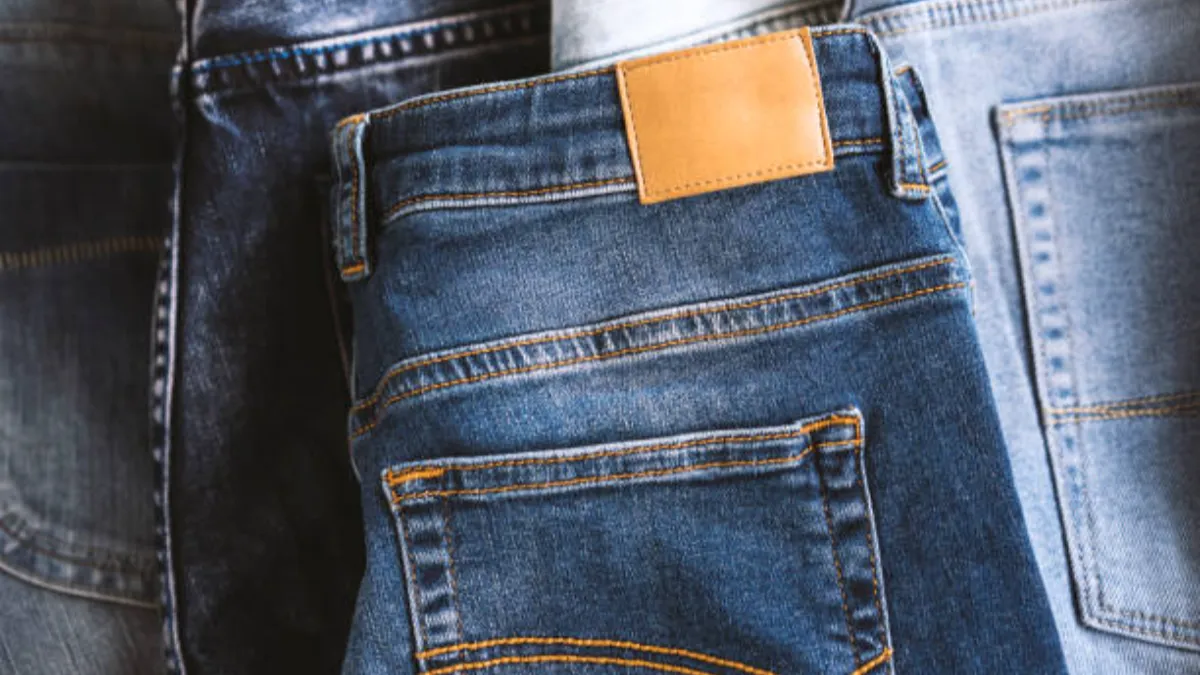
Stone washed denim remains one of the most requested finishes in the global jeans market. When done well, it delivers a soft hand feel, يتلاشى الطبيعي, and a worn‑in look that customers trust. When control is weak, it leads to fabric damage, unstable sizing, and high rejection rates. This guide explains how stone wash denim works, how to control key parameters, and how manufacturers can achieve consistent vintage results while protecting garment strength.
What is stone wash denim

حجر اغسل الدنيم is indigo-dyed fabric that has been mechanically worn down using pumice stones, often with enzymes, to produce a faded look and softer hand feel. This process keeps the denim strong while giving it a well-loved appearance.
The method creates lighter areas by removing surface dye, similar to how frequent wear naturally changes jeans over time.
Stone wash denim is valued in fashion for its relaxed look and comfortable texture. It blends the rugged structure of traditional denim with an aged, casual vibe that appeals to both everyday wearers and premium brands.
Definition and Aesthetic Purpose
The fabric starts as standard indigo-dyed denim, typically around 10–14 ounces per square yard, woven in a 3/1 right-hand twill. This gives it durability and the classic diagonal weave associated with jeans.
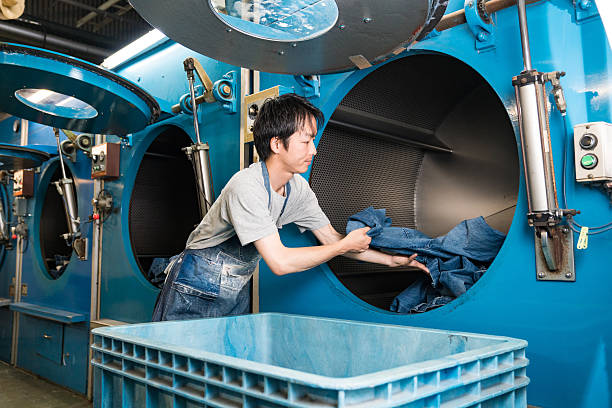
During stone washing, pumice stones tumble with the garments in large industrial machines. The friction scrapes away the outer indigo layers, exposing the lighter inner yarns. The result is a visually softer denim with unique fading patterns.
Industrial Parameters and Material Performance
Production conditions are crucial for achieving the desired look without damaging the fabric or machinery. Typical stone-to-garment ratios range from 0.5 ل 3:1 by weight, while liquor ratios stay between 5:1 و 8:1 for controlled abrasion.
- Target shrinkage is ≤3% to keep finished garments true to size.
- Strength retention should remain at ≥85% so the denim stays durable.
- Fabric weight loss is carefully managed between 3% و 8%, balancing softness with lifespan.
Changhong’s manufacturing expertise ensures these parameters are met consistently. With strict quality control and advanced equipment, the stone wash process is optimized to avoid excessive fabric damage while delivering the signature look clients expect.
How to stone wash denim using pumice and enzymes
Stone washing with pumice and enzymes blends the rough scrubbing from stones with the softening and lightening effects of cellulase. The process uses controlled pH, حرارة, and stone amounts to get a worn, vintage look while protecting most of the fabric’s strength.
This finishing method is common in denim manufacturing because it delivers a broken‑in feel and a natural fade without relying on heavy chemical bleaching. By pairing pumice stones with selective enzyme treatments, fabric wear is managed in both texture and tone.
Principles of the pumice–enzyme stone wash process
Pumice stones act as a mild abrasive, chipping away indigo at raised yarn points and slightly loosening the weave. This produces lighter areas and a softer hand feel.
Cellulase enzymes digest tiny fibers on the surface of the fabric. This boosts color fading and makes the cloth more pliable, as if it had been worn repeatedly over time.
Neutral cellulases work best with pH between 6 و 8 and at 40–60 °C. Acid cellulases run in pH 4.5–5.5 and create a stronger fading effect, but they can be harsher on the fabric.
Key process parameters and safe operating ranges
A typical production load uses a liquor ratio of 1:10, with the drum running at 30 rpm for about 40 minutes at 55 °C. Cellulase dosage ranges from 1.5 to 2.0 g/L, and pumice load is around 10–30 % on weight of garment for moderate abrasion.
Stone size matters: smaller (2–3 cm) for lighter fabrics, medium to larger (3–6 cm) for standard denim. Using more stones—up to 70 % owg—further fades the color but can cut warp tensile strength by roughly 35 %.
When using acid cellulases, acetic acid at about 0.6 g/L helps maintain the lower pH range. This pH control keeps enzymes performing at their peak without over‑degrading the fabric.
In Changhong’s operations, these parameters are fine‑tuned for each fabric type and desired finish grade. This ensures premium results that satisfy style goals while protecting fabric integrity and machine life.
How to stone wash denim jacket vs jeans

Stone washing denim jackets and jeans both rely on tumbling with pumice stones or enzymes to create worn-in fades and soften the fabric. السترات, لكن, need softer handling because of their more complex construction, multiple layers, and added hardware. Jeans can take heavier abrasion for strong contrast fades, while jackets do better with smaller stone loads or enzyme washes at controlled settings.
Stone washing is not a one-size-fits-all process. The way a denim jacket is built is quite different from a pair of jeans, which means the wash parameters must be adapted. Ignoring those differences can lead to broken buttons, frayed seams, or an uneven look.
Changhong applies garment-specific methods to ensure both jackets and jeans achieve the desired appearance without losing structural integrity. This is crucial for brands aiming to deliver consistent quality while experimenting with new wash styles.
Key construction and design differences between jackets and jeans
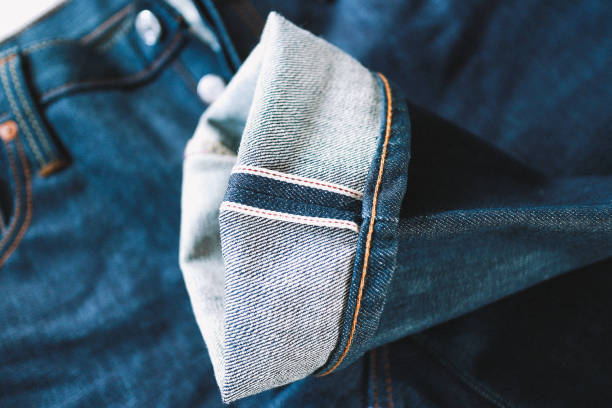
- Jackets often use 12 oz selvedge الدنيم with layered sections, collars, جيوب, and rivet buttons that can be stressed during aggressive washing.
- Jeans usually have single-layer legs with stress points at the knees, مقعد, and crotch, making them more tolerant of heavier abrasion and stone loads.
Adjusting stone wash parameters for jackets and jeans
- Industrial stone wash liquor ratio typically ranges from ~1:5 ل 1:10, with stone-to-garment ratios between 0.5–2.0 kg stones per 1 kg denim.
- For jackets, enzyme-based washes run at 40–60 °C with reduced or no pumice to prevent damage to seams, pocket flaps, والأجهزة.
| وجه | سترات الدنيم | الجينز الدنيم |
|---|---|---|
| وزن القماش النموذجي | Around 12 oz, often selvedge, with multiple layers | 10–14 oz, single-layer legs |
| Construction Complexity | Multiple panels, collars, جيوب, الأجهزة | Simpler pattern, fewer seam intersections |
| Abrasion Tolerance | Low–medium; risk of hardware damage | Medium–high; tolerates heavier stone loads |
| Stone/Enzyme Use | Reduced stones or enzyme-only; 40–60 °C | Full stone application; wider temp range |
الدنيم المخصص, صُنعت لعلامتك التجارية
Stone washed denim defects and how to prevent them
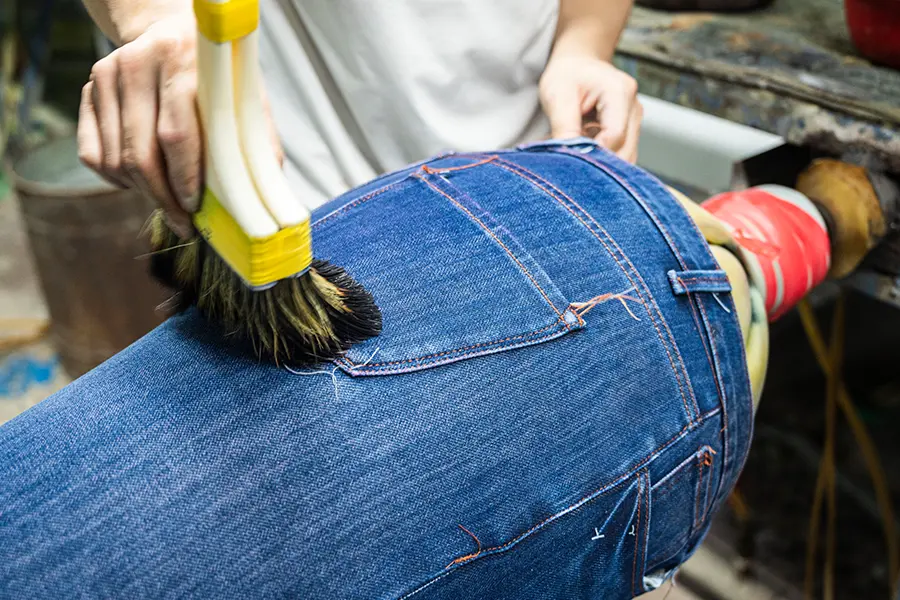
Stone wash denim can suffer from abrasion marks, صباغة خلفية, seam damage, and even hardware wear if process parameters are not kept in check. The key to prevention is balancing stone size, garment-to-stone ratio, مدة الغسيل, نظام سائل, seam strength, and rinsing quality.
Small, precise adjustments in both material choice and wash cycles help keep the vintage look while avoiding costly damage.
Stone washing gives denim a worn character that appeals to many styles. But rough handling in the drum can turn desirable fading into unintended destruction. Understanding each defect and its cause makes it easier to apply safeguards.
Changhong works with clients to fine-tune the process, ensuring the unique aesthetic is achieved without sacrificing fabric integrity or production efficiency.
Common defect types in stone washed denim
- Surface wear and tear, broken yarns, and fabric tears from oversized or hard stones above 7 cm.
- Backstaining and redeposition when indigo dye and fiber residues are not effectively flushed.
- Abrasion damage to metal buttons, المسامير, and machine drum from pumice grit.
- Seam and stitch breakage due to mechanical stress during washing or sanding.
These defects often compound over multiple washes, making garments appear prematurely worn or unfit for sale.
Process controls and material choices to prevent defects
- Maintain stone-to-garment weight ratio between 0.5:1 و 3:1 to limit abrasion intensity.
- Use stone sizes of 3–6 cm for regular denim, and 2–3 cm for finer fabrics to reduce tearing risk.
- Keep wash time within 60–90 minutes, as longer cycles add damage without improving fade.
- Control liquor ratio around 10:1 for even abrasion and minimize washing marks.
- Adopt synthetic stones with 50–300 reuse cycles to reduce drum and fabric damage.
- Use higher ticket abrasion-resistant corespun threads (على سبيل المثال, T-120 Perma Core) in high-stress seams.
- Include dedicated rinse cycles to remove stone dust and prevent residue backstaining.
When integrated into production, these steps keep denim looking intentionally aged, not damaged. Changhong’s experience with varying fabric weights and finishes makes them a smart partner for brands aiming for reliable quality across each batch.
Difference between acid wash and stone wash
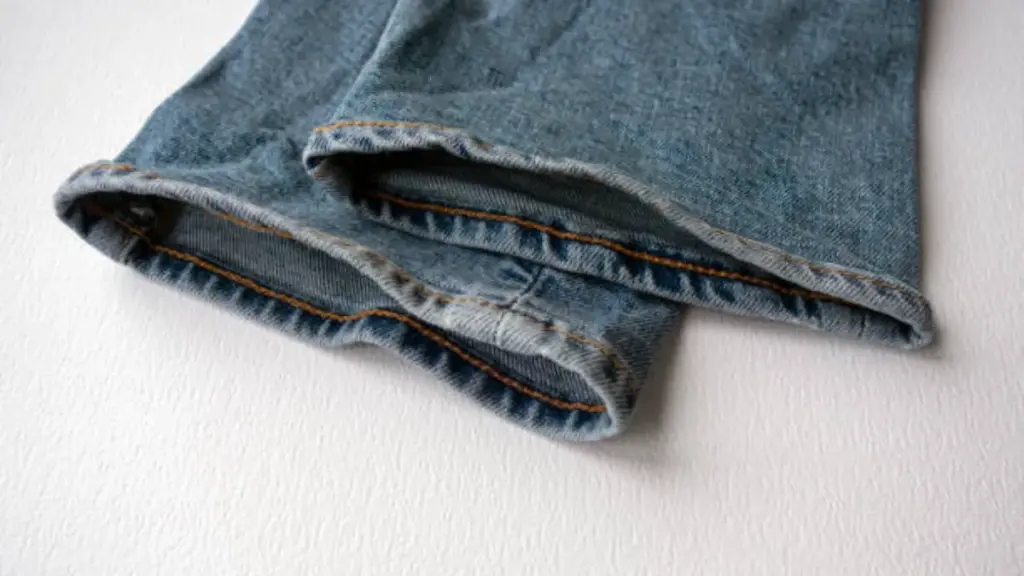
Acid wash uses chemicals with oxidant-soaked pumice on mostly dry garments to create sharp marbled contrasts. Stone wash relies on wet abrasion with pumice in water for a softer, more even fade.
They differ in process, equipment, وقت, درجة حرارة, fabric wear, and environmental load.
Denim finishing can create vastly different looks depending on whether the fabric is acid washed or stone غسل. Both methods alter color, نَسِيج, والنعومة, but they do so through entirely different mechanics.
Brands like Changhong integrate each wash type into tailored production plans, matching the method to the desired style while managing impact on fabric strength and machinery lifespan.
Core Process and Visual Outcome Differences
- غسل الحجر: a wet process where pumice stones tumble with denim in water at about 30–60 °C for 20–60 minutes, giving a uniform soft fade.
- غسل الحمض: a short, mostly dry process using pumice soaked 1–2 hours in potassium permanganate or sodium hypochlorite to produce bold, high‑contrast marbling.
Technical Parameters, تأثير النسيج, and Operational Considerations
- Stone wash uses about a 2:1 stone-to-garment weight ratio, consumes more water, reduces fabric strength moderately through fiber removal, and produces stone sludge that can erode machine parts.
- Acid wash runs at ~20–30 °C for seconds to a few minutes, needs protective drum lining, risks greater chemical damage to fibers if not neutralized, and demands strict treatment of oxidant effluent.
| وجه | غسل الحجر | غسل الحمض |
|---|---|---|
| نوع العملية | Wet abrasion with pumice in water | Mostly dry abrasion with chemically soaked pumice |
| درجة حرارة | 30–60 °C | 20-30 درجة مئوية |
| مدة | 20-60 دقيقة | Seconds to minutes |
| تأثير بصري | حتى, soft fade | High‑contrast marbling |
| تأثير النسيج | Moderate strength loss from fiber removal | Possible severe chemical damage if not neutralized |
| الاعتبارات البيئية | Water usage and stone sludge disposal | Oxidant effluent treatment |
Managing fabric strength in stone washed denim
Managing fabric strength in stone washed denim means controlling how much the washing process wears down the yarns. The main levers are the movement and amount of pumice stones, the type and activity of enzymes, and wash settings like speed and liquor ratio.
With balanced process control, you can keep tensile and tear strength within acceptable limits while still achieving the desired worn-in look.
Stone washing creates visual character in denim but can also reduce its strength. Every mechanical and chemical step in the process has an impact on how long the garment will last.
Changhong uses controlled wash techniques to help brands get the look they want without sacrificing core fabric durability, which ensures better wearer satisfaction and fewer returns.
Factors affecting strength loss during stone washing
- Pumice stone usage from 10% ل 70% on weight of garment can raise warp tensile strength loss from roughly 10% ل 35%.
- Acid cellulase enzymes cut strength and weight more than neutral or mixed enzymes.
- Higher drum speeds, lower liquor ratios, and larger washer drums increase abrasion intensity.
- Repeating washes thins the fabric over time, making high-stress points more prone to tearing.
You could compare it to sandpapering wood — coarse grit removes more material quickly, but leaves it weaker if overused. In denim, over-abrasion means fibers have less holding power.
Process controls to retain fabric durability
- Set a target tensile strength loss below 25–30% compared to unwashed fabric for good garment life.
- Adjust stone ratio and liquor ratio for a balance between desired fade and fabric integrity.
- Choose enzyme types that give lighter finishes without cutting too much fiber strength.
- Follow lab practices such as ASTM D1776 conditioning and tensile tests like ASTM D5034/D5035 or ISO 13934‑1 to monitor performance.
In practice, this means pairing aesthetic goals with measured testing. Changhong applies these standards to deliver stone wash denim that meets both design and durability expectations.
الأفكار النهائية
Delivering authentic vintage denim isn’t about chasing trends, it’s about controlling every wash variable to achieve the look without sacrificing durability. Precision in stone size, enzyme activity, and cycle settings directly shapes both wear appeal and product lifespan.
Brands that master this balance reduce waste, cut defect-related losses, and build lasting customer trust. Partnering with experts who fine-tune these parameters turns style consistency into measurable long-term profit.
الأسئلة المتداولة
How to stone wash a denim jacket?
Industrial stone washing of a denim jacket is usually carried out in a rotary drum washer using pumice stones at about 40–60% of the garment weight, with a liquor ratio of 1:5-1:10, bath temperature of 40–60 °C, and drum speed of 25–35 rpm for 20–60 minutes, يليه الشطف الشامل. Enzyme stone washing uses cellulase (0.5–2.0% owg) at 50–60 °C to reduce abrasion and machine damage.
Imagine gently buffing the surface to fade color while keeping fibers stronger—enzymes help achieve that balance.
Does stone washing weaken the fabric?
نعم. Conventional pumice stone washing generally reduces fabric tensile strength by 15–35%. Higher stone loads and harsher enzyme or acid conditions increase weakening. Studies show stone concentration up to 70% owg can cause around 34.9% tensile strength loss in denim trousers.
Similar to sanding wood, more abrasion means a smoother surface but also less structural strength.
ما هو الفرق بين غسل الحجر وغسل الانزيم?
Stone wash creates mechanical abrasion by tumbling denim with pumice stones (about a 1:1 stone-to-fabric ratio), which can cause more fiber and seam damage, machine wear, والنفايات الحجرية. Enzyme wash uses cellulase at pH 4.5–5.5 and 50–60 °C without stones, allowing up to 50% higher garment loads, producing similar fading with less damage and reduced environmental impact.
Enzyme washing works like a chemical polish, targeting fibers more precisely without grinding them down.
Can you stone wash black denim?
نعم. Black denim can be stone washed using standard parameters. Mills typically use medium–heavy weights (about 10–14 oz/yd²) and manage abrasion carefully to control color loss and damage. Industrial settings use stone‑to‑garment ratios from 0.5:1 ما يصل الى 3:1, liquor levels around 60%, wash temperatures of 40–60 °C, and aim for post‑wash strength retention of at least 85%.
Like trimming dark fabric with gentle strokes, the aim is to fade edges without stripping the whole color.
How to make stone wash denim soft?
To achieve softness without major damage, many use reduced pumice load plus cellulase enzymes, followed by a softening bath. Pumice-only washing often uses a stone-to-fabric ratio of 0.5:1 ل 3:1 for 15–80 minutes in industrial machines, followed by a separate softener rinse. Enzyme-assisted washing can achieve greater softness with less tearing and machine wear.
Softness is achieved much like breaking in leather—controlled wear plus conditioning.
Is stone washing bad for the environment?
Traditional pumice stone washing has a notable environmental impact. Each pair of jeans can require around 70 liters of water, uses heated wash cycles, and produces sludge from broken stones that can contaminate soil if not managed. Enzyme washing reduces these impacts by eliminating pumice and lowering water and energy use.
It’s a bit like switching from coal to electric—less mess, fewer emissions, and cleaner output.