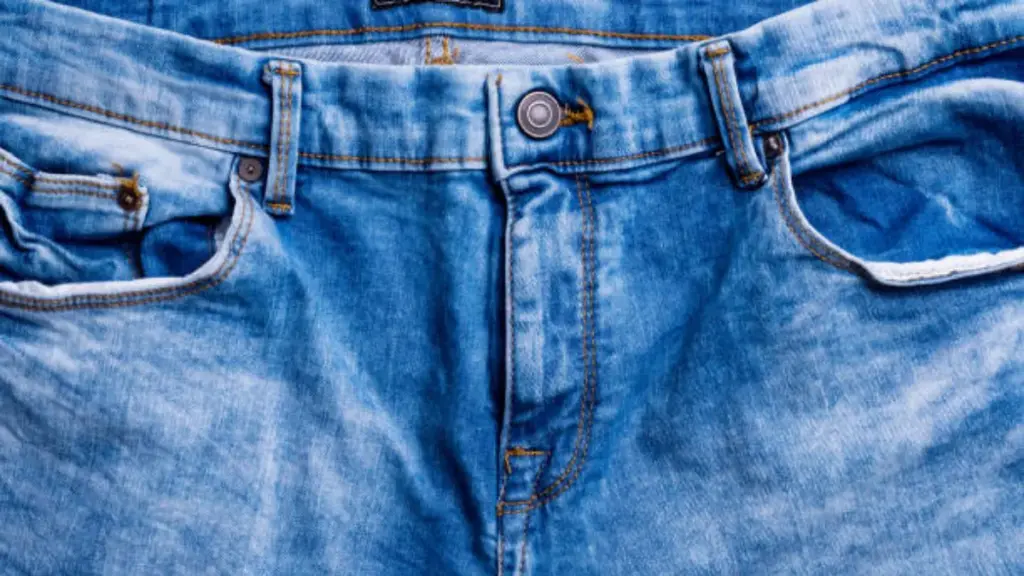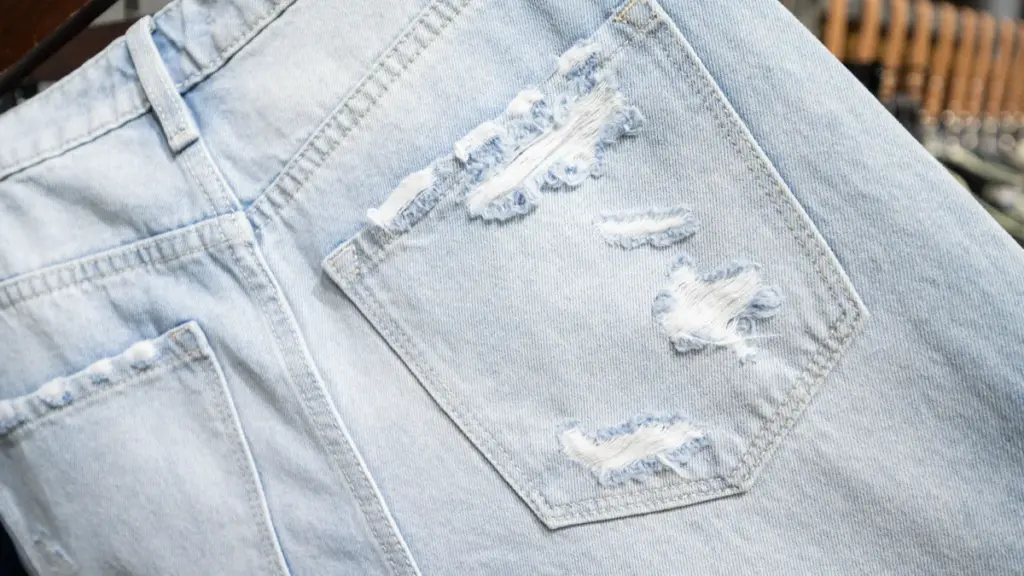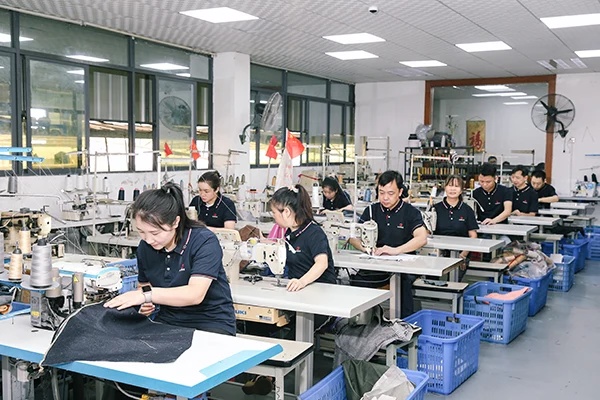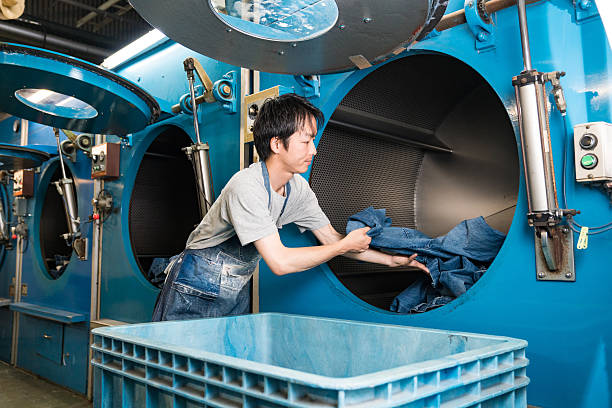
Denim production consumes vast amounts of water, with traditional washing methods contributing heavily to environmental pollution. Advances in water-saving technologies have become critical for sustainable fashion.
As consumers demand more eco-friendly clothing, sustainable denim brands are innovating to reduce water usage and pollutive waste in manufacturing. Among these innovations, 酵素洗浄, オゾン, and laser treatments offer compelling alternatives to classic stone and acid washes.
This article compares water-saving wash technologies in sustainable denim production, focusing on enzyme, オゾン, and laser methods to reveal their environmental benefits, operational considerations, and quality impacts.
Why Water Efficiency is Crucial in Denim Production

Traditional denim washing methods present a significant environmental burden, primarily through water pollution. The dyeing process alone is a major source of pollution, estimated to account for 15% に 20% of the total global textile industry wastewater pollution. This effluent often contains residual dyes, 重金属, and other toxic chemicals that can contaminate local water sources if not treated properly.
Beyond pollution, the mechanics of techniques like stone washing are inherently water-intensive. The process relies on abrasive pumice stones, which require extensive and repeated rinsing cycles to remove stone debris and loosened indigo dye from the denim fabric. Similarly, acid washing depends on harsh chemicals like potassium permanganate, necessitating multiple wash cycles to neutralize and rinse out these substances.
What Are Water-Saving Wash Technologies in Denim Production?
Water-saving wash technologies are innovative processes designed to reduce water consumption during the finishing and washing stages of denim production. Three key water-saving wash technologies in denim production include enzyme washing, オゾン洗浄, laser technology.
Traditional denim washing involves multiple cycles of soaking, 漂白, and rinsing, which can consume thousands of liters of water per batch. Modern water-saving technologies use chemical alternatives, advanced machinery, or mechanical processes to minimize water usage while achieving similar visual effects and softness.
Overview of Water-Saving Denim Wash Technologies
To give a clear comparison of the main water-saving wash technologies used in denim production, the following table summarizes their key characteristics, water savings, and typical applications:
| Wash Technology | 主な機能 | Water Saving (%) | Water Use (L/cycle) | Energy Consumption | コストの考慮 | 環境への影響 | Effect on Denim Quality |
|---|---|---|---|---|---|---|---|
| 酵素ウォッシュ | Uses cellulase enzymes to soften denim and create fades | 40–50% | ~50–70 L | 適度 | Low–Medium | Reduced chemical use, moderate water saving | 生地に優しい, creates soft and consistent fades |
| Ozone Wash | Uses ozone gas to bleach and refresh denim | 70–90% | ~10–20 L | Low–Moderate | Medium–High | Eliminates harsh chemicals, high water saving | Works best on dark indigo, minimal fabric damage |
| レーザーウォッシュ | Uses precision lasers to etch designs or fades | ~100% | ~0 L | 低い | Very High | Virtually no water or chemical impact | High precision designs, very consistent, limited natural wear effect |
Popular Water-Saving Wash Methods Explained: 酵素, オゾン, and Laser Wash

酵素ウォッシュ
Enzyme wash is one of the earliest and most widely adopted water-saving technologies in denim production. It uses cellulase enzymes to break down cellulose fibers on the denim surface, creating a soft, worn-in look without the need for repeated harsh washing.
利点:
- Reduces water usage by up to 50% compared to traditional stone washing.
- Creates consistent and controllable fading patterns.
- Less abrasive on machinery and fabric than pumice stone washing.
短所:
- Limited effects for extreme fades or distressing; often combined with other methods.
- Requires precise temperature and pH control to avoid fabric damage.
Ozone Wash
Ozone washing is a revolutionary, waterless technique that utilizes ozone gas (○₃) to oxidize and fade indigo dye on denim fabric. This process occurs in a sealed chamber, completely eliminating the need for water, 軽石, or harsh chemicals traditionally used for achieving vintage looks.
By generating the fading effect through a gaseous reaction, it bypasses the multiple rinse cycles inherent in conventional methods, resulting in dramatic water savings and producing no contaminated wastewater. While the environmental benefits are substantial, the technology demands a significant upfront capital investment for the specialized ozone generators and sealed treatment units.
利点:
- Reduces water usage by up to 90% in certain processes.
- Eliminates harmful chemicals like chlorine, 環境への影響を減らす.
- Shortens wash cycle times, increasing factory efficiency.
短所:
- Initial investment in ozone machinery can be high.
- Not suitable for all denim colors or finishes; works best on dark indigo shades.
Laser Technology
Laser washing is the most high-tech water-saving solution currently available. It uses precision lasers to etch designs, 色褪せる, and distressing onto denim surfaces without water. The process is fully automated and programmable, enabling highly consistent results.
利点:
- Virtually eliminates water usage during washing.
- Allows for complex, customizable designs.
- Reduces labor costs and chemical usage.
短所:
- Extremely high initial equipment cost.
- Limited in replicating certain natural wear patterns unless combined with other finishing methods.
Environmental Benefits of Water-Saving Denim Wash Technologies
Water-saving wash technologies provide significant environmental benefits beyond water conservation. These benefits include:
- Reduced Energy Consumption: Less water means less energy required for heating and pumping water during washing cycles.
- Lower Chemical Pollution: Methods like ozone and laser washing reduce the need for bleach and other harsh chemicals, preventing toxic runoff into rivers and soil.
- Decreased Carbon Footprint: Efficient washing processes lower overall emissions associated with denim production, contributing to climate change mitigation.
- Sustainable Supply Chains: Brands adopting these technologies often implement broader sustainability measures, such as using organic cotton or recycled denim, further enhancing environmental impact.
加えて, consumers are increasingly favoring brands that prioritize eco-friendly production methods. Denim companies that integrate water-saving technologies gain not only environmental benefits but also a marketing advantage in the competitive sustainable fashion space.
Scalable Denim Solutions for Growing Brands
Partner with Changhong Garment for flexible OEM/ODM denim production that fits startups and retail chains alike. Enjoy fast sampling, trend-led styles, 持続可能な生地のオプション, and compliance with top international standards—all designed to help you scale and maximize margins.

Top Sustainable Denim Brands Implementing Water-Saving Washes
Several leading denim brands have made water-saving wash technologies central to their sustainability initiatives. These brands demonstrate how innovative washing techniques can reduce environmental impact while maintaining high-quality denim.
Levi’s Water<Less® Collection
Levi’s pioneered the Water<Less® program, reducing water use in production by up to 96% in some styles. The brand employs ozone and enzyme washes extensively and continually innovates to expand water-saving solutions.
ヌーディージーンズ
This Swedish brand uses organic cotton and sustainable wash techniques, including enzyme washes, to minimize water use. Nudie Jeans also recycles wash water within their factories, setting a high standard for eco-conscious denim production.
ジースターロウ
G-Star RAW integrates ozone and laser technology for its sustainable collections, reducing water and chemical usage while creating precise and high-quality washes.
AGジーンズ
AG Jeans focuses on laser technology and digital printing methods to create customized fades without traditional water-intensive washes.
Mud Jeans
Mud Jeans emphasizes circular production, using both recycled denim and enzyme washes to achieve water savings. Their subscription-based model also encourages recycling of worn jeans, further lowering environmental impact.
長虹ジーンズ
Building on similar sustainability principles, 長虹ジーンズ supports brands in achieving water-efficient denim production through flexible OEM/ODM solutions. With advanced washing technologies, including enzyme and laser-compatible processes, Changhong can help brands produce high-quality denim jeans while significantly reducing water and chemical use. Their full-process capabilities—from fabric sourcing to washing and finishing—allow brands to adopt eco-friendly practices without compromising design or quality.
Emerging Innovations: Alternative Materials and Biotextiles

While water-saving washes reduce water use during finishing, the greatest impact starts at the fiber level. Conventional cotton requires roughly 10,000 liters of water per kilogram, making it highly resource-intensive. 対照的に, hemp-based denim uses only about one-tenth of that water, significantly lowering the overall water footprint.
Hemp and other biotextiles like nettle provide a holistic approach to sustainable denim, addressing water use from cultivation to production. Beyond reducing water consumption, these fibers are biodegradable and environmentally friendly, supporting cradle-to-gate sustainability. Brands adopting hemp-based denim can achieve substantial ecological benefits while maintaining high-quality, durable fabrics.
By combining alternative fibers with modern water-saving wash technologies, sustainable denim production becomes more efficient, responsible, and aligned with growing consumer demand for eco-conscious fashion.
最終的な考え
Water-saving wash technologies like enzyme, オゾン, and laser washes are transforming sustainable denim production. Leading brands are adopting these innovations to reduce environmental impact while maintaining high-quality finishes. With partners like 長虹ジーンズ, brands can implement eco-friendly processes efficiently, achieving both sustainability goals and premium denim aesthetics, making responsible fashion practical and scalable.
よくある質問
Which denim wash uses the least water?
Laser distressing unequivocally uses the least water, as it is a completely dry process that eliminates traditional washing cycles altogether. By using precise beams of light to ablate indigo dye and create worn effects, this technology achieves intricate distressing patterns without a single drop of water.
Following laser technology, enzyme washing represents the next most water-efficient method for processes that still require a liquid medium. It significantly reduces water consumption compared to traditional stone and acid washing by eliminating the need for multiple heavy rinsing cycles to remove pumice stone residue or harsh chemicals.
Are ozone and laser washes cost-effective?
Ozone and laser wash technologies represent a significant upfront capital investment due to the cost of specialized machinery, such as ozone generators and high-precision laser systems. しかし, this initial expenditure is often offset by substantial long-term operational savings through drastically reduced water consumption, lower chemical usage, and decreased energy requirements.
The overall cost-effectiveness is highly dependent on production scale and application frequency. For large-scale denim manufacturers with high-volume output, the return on investment (ROI) can be achieved relatively quickly as the per-unit cost of water and energy savings accumulates.
Do water-saving washes affect denim quality?
Far from diminishing quality, advanced water-saving washes like enzyme and laser treatments often enhance the final product. Enzyme washing utilizes cellulase to gently break down indigo dye and soften fabric, resulting in a more uniform, less abrasive fade compared to the harsh, inconsistent wear of traditional stone washing.
Laser distressing elevates precision and consistency to a new level, allowing designers to program intricate patterns and wear marks with pinpoint accuracy that manual techniques cannot replicate. This technology ensures every garment in a production run is identical, drastically reducing quality control issues.