>

Enzyme Wash Denim: A Complete Guide to Enzyme Washed Jeans

Enzyme Wash Denim: A Complete Guide to Enzyme Washed Jeans

共有:

目次

Enzyme wash denim is one of the most important denim finishing techniques in modern apparel manufacturing. Compared with traditional stone washing, enzyme washing offers better softness control, cleaner surface appearance, and a significantly lower environmental impact. 今日, it is widely used by denim brands seeking comfort, 一貫性, and sustainable production.

This guide explains what enzyme wash denim is, how it works, its advantages and limitations, and when brands should choose it for their collections.

What Is Enzyme Wash Denim?

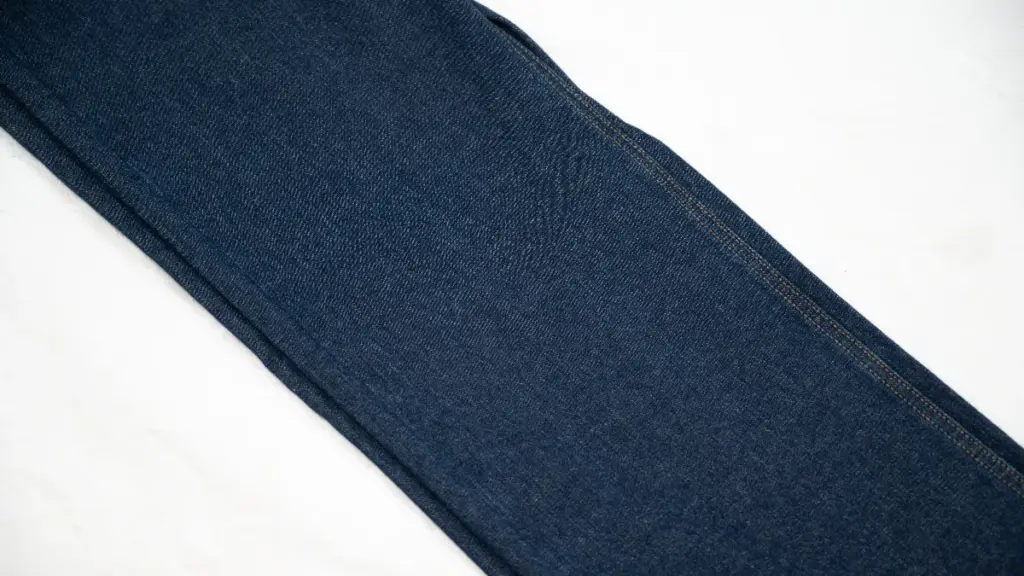
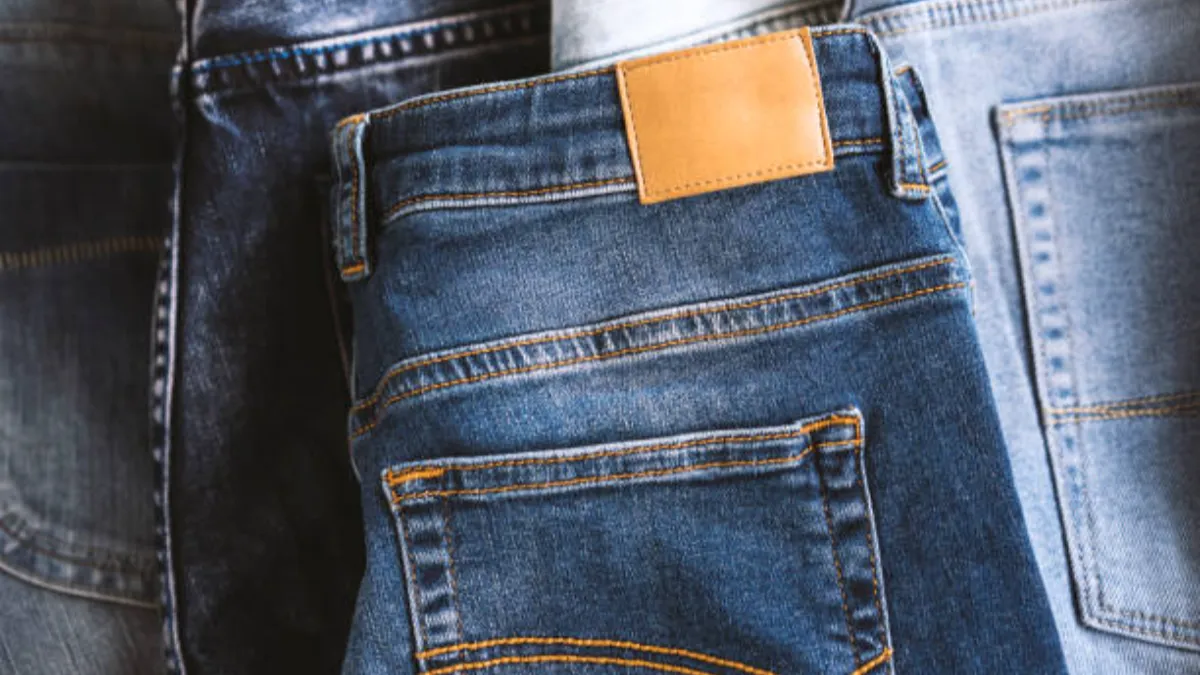
close up of enzyme denim jean

Enzyme wash denim is a textile finishing process that uses biological enzymes, mainly cellulase enzymes, to gently remove surface fibers from denim fabric. These enzymes act specifically on cellulose, which allows them to clean and soften the fabric surface without damaging the internal yarn structure.

Instead of relying on mechanical abrasion, enzyme washing works through controlled biochemical reactions. This makes the process more precise, repeatable, and suitable for large-scale industrial production.

The result is denim that feels softer, looks cleaner, and ages more naturally than untreated or aggressively washed fabrics.

Key Characteristics of Enzyme Washed Denim

Enzyme washed denim is known for several distinctive physical and visual qualities:

  • Noticeably softer hand feel
  • Reduced surface fuzz and pilling
  • Cleaner and more uniform indigo tone
  • Subtle, natural-looking fading
  • Improved flexibility and comfort
  • Less fabric stress compared to mechanical washes

Unlike heavy vintage or distressed finishes, enzyme washing creates a refined and wearable look, making it especially suitable for everyday denim styles and long-term collections.

How the Enzyme Washing Process Works

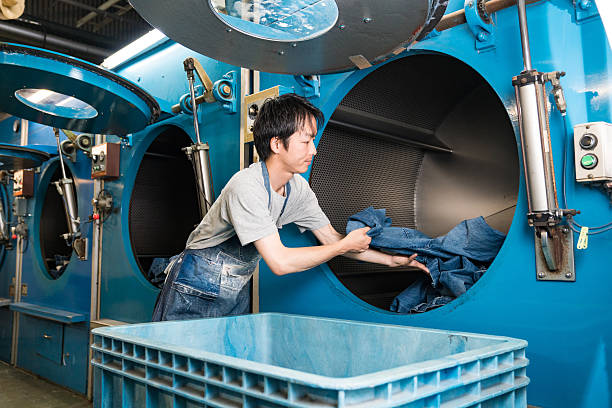
The enzyme washing process is highly controlled and can be divided into several key stages. To achieve consistent results in bulk production, デニムの衣料品メーカー must precisely manage variables such as pHレベル, 温度, wash time, and mechanical action at each step.

Garment Preparation and Desizing

Before enzyme treatment, denim garments undergo desizing and pre-wetting to remove residual sizing agents and improve enzyme penetration. Proper desizing is essential, as leftover sizing can block enzyme activity and lead to uneven softness or patchy fading.

In most industrial settings, desizing is performed under warm water conditions (50–60℃) with sufficient agitation to ensure uniform wetting. Consistent preparation at this stage directly affects the efficiency and stability of the enzyme reaction that follows.

Enzyme Application and Reaction Control

Cellulase enzymes are introduced into the washing bath under carefully monitored conditions. This stage is the core of the enzyme washing process and requires precise control of multiple parameters:

  • pH range: typically 4.5–6.5, depending on whether acid or neutral enzymes are used
  • 温度: generally 45–60℃, with neutral enzymes operating closer to the lower end
  • Wash time: いつもの 20-60分, adjusted based on fabric weight, indigo depth, and desired effect
  • Mechanical action: moderate agitation to promote even enzyme contact without causing abrasion

During this phase, enzymes selectively break down loose cotton fibers on the yarn surface, reducing fuzz and improving smoothness. By adjusting enzyme concentration and reaction time, manufacturers can fine-tune softness and surface cleanliness without compromising fabric strength.

Stopping the Enzyme Activity

Once the desired effect is achieved, enzyme activity must be stopped immediately to prevent over-processing. This is commonly done by:

  • Raising the temperature above the enzyme’s active range, または
  • Adjusting the bath pH outside the optimal reaction window

Timely neutralization is critical. Delayed stopping can result in excessive color loss, fabric weakening, or inconsistent appearance across garments.

Rinsing and Finishing

After enzyme deactivation, garments are thoroughly rinsed to remove enzyme residues and reaction by-products. Final finishing treatments often include softeners to enhance hand feel, ドレープ, and overall wearing comfort.

この段階では, manufacturers also assess color uniformity and surface quality to ensure the enzyme wash meets production standards before moving to drying or additional finishing processes.

Differences Between Enzyme Wash vs Stone Wash Denim

blue denim fabric

Although enzyme wash and stone wash denim are often mentioned together, they differ significantly in method, パフォーマンス, 生産への影響.

Difference in Washing Method

Stone washing relies on pumice stones to physically abrade the fabric surface, while enzyme washing uses biological reactions to remove surface fibers. This fundamental difference affects fabric damage, 一貫性, and machine wear.

Difference in Fabric Damage and Durability

Stone washing can weaken fabric, stress seams, and increase the risk of holes, especially in lightweight or stretch denim. 酵素洗浄, when properly controlled, minimizes structural damage and helps garments maintain strength and shape over time.

Difference in Appearance and Color Control

Stone wash produces more random, high-contrast fading, while enzyme wash delivers cleaner and more uniform results. Enzyme washing offers greater control, which is critical for brands that require repeatability across multiple production runs.

Difference in Environmental Impact

Stone washing generates solid waste and accelerates machine wear. Enzyme washing reduces waste, lowers water consumption, and requires less energy, making it more aligned with sustainable manufacturing goals.

側面 酵素ウォッシュ ストーンウォッシュ
Abrasion Method Biological Mechanical
生地のダメージ 低い 中~高
Color Control 高い Limited
Softness 高い 中くらい
環境への影響 より低い より高い
Equipment Wear Minimal Significant

If you want a deeper comparison of these two techniques, you can read our detailed guide on Enzyme Wash vs Stone Wash Denim, where we break down performance, 料金, and application scenarios in greater detail.

Take Your Denim Brand Further with Full Customization

From fabric selection to wash effects, Changhong offers complete, end‑to‑end customization to match your exact brand vision. With low MOQs and sustainable options, we make premium denim manufacturing accessible to every brand size.

カスタムオーダーを開始する→

CTA Image

Advantages and Limitations of Enzyme Wash Denim

Understanding the advantages and limitations of enzyme wash denim helps brands and buyers select the right finishing method based on comfort, 耐久性, and production requirements.

Advantages of Enzyme Wash Denim

  • Improved softness
    Enzyme washing removes surface fibers gently, resulting in a softer hand feel without weakening the fabric structure.
  • High color control
    Fading levels can be precisely managed by adjusting pH, 温度, and wash time, ensuring consistency in bulk production.
  • Reduced fabric damage
    Biological action minimizes stress on seams and yarns compared to mechanical abrasion.
  • Cleaner surface appearance
    The process reduces fuzz and pilling, improving color clarity and overall fabric smoothness.
  • Lower environmental impact
    Enzyme washing generates less waste, uses less energy, and reduces machine wear.

Limitations of Enzyme Wash Denim

  • Requires strict process control
    Enzyme activity is sensitive to washing conditions and can cause over-processing if not carefully managed.
  • Limited distressed effects
    Enzyme wash alone cannot achieve heavy vintage or high-contrast looks.
  • Risk of color loss if over-washed
    Excessive exposure may reduce indigo depth beyond the intended level.

Overall, enzyme wash denim is best used as a controlled base process or combined with other finishing techniques.

Common Combinations with Enzyme Wash

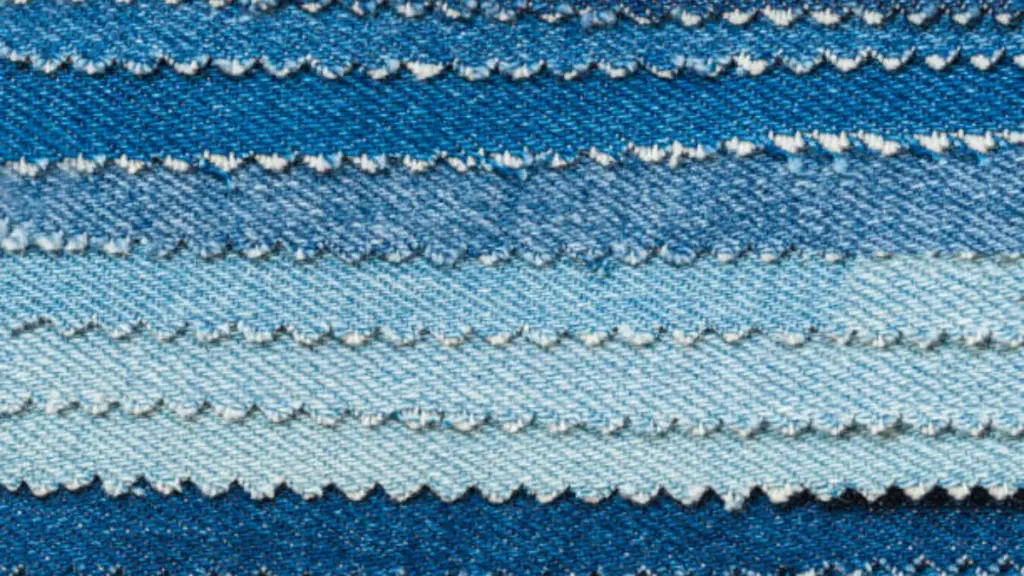
different kinds of denim fabric samples

To achieve specific visual effects, enzyme wash is frequently used alongside:

  • Stone + 酵素ウォッシュ: Balanced fading with reduced damage
  • 酵素 + 漂白洗浄: Brighter, high-contrast looks
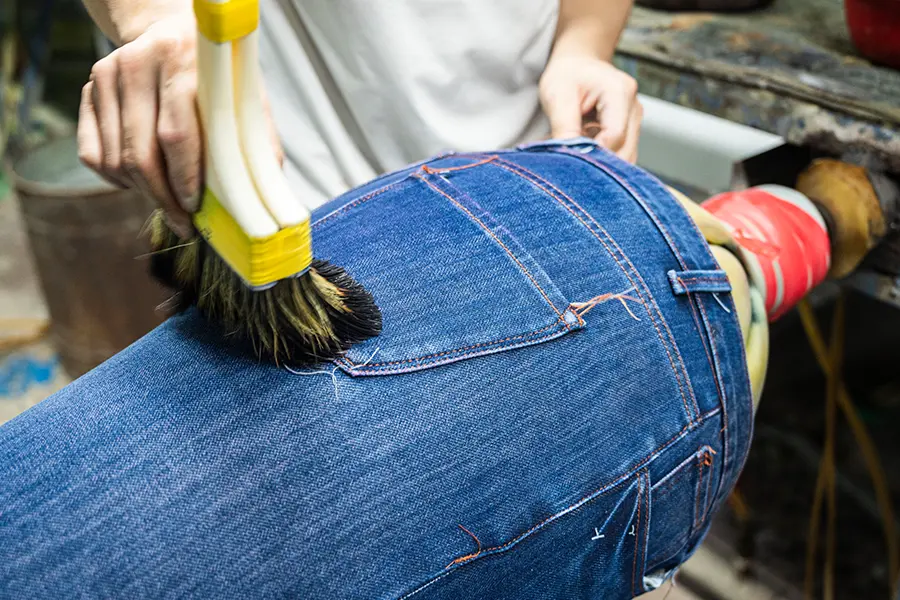
  • 酵素 + Sandblasting / レーザ: Targeted whiskers and highlights
  • 酵素 + 柔軟剤仕上げ: Maximum comfort and drape

These combinations allow brands to customize finishes based on market trends.

Suitable Fabrics and Applications

Enzyme washing works best on cotton-based denim fabrics, including 100% コットン, ring-spun denim, open-end denim, and stretch denim under controlled conditions. Heavily coated or resin-treated fabrics usually require testing before enzyme application.

Enzyme washed denim is widely used in ジーンズ, ジャケット, シャツ, スカート, and comfort-focused styles, particularly in mid-wash and dark-wash collections where softness and color clarity are critical.

When Should Brands Choose Enzyme Wash Denim?

Brands should consider enzyme wash denim when product goals focus on comfort, 一貫性, and controlled finishing rather than heavy distressing. The following scenarios clearly indicate when enzyme washing is the right choice.

  1. When softness and wearing comfort are priorities
    Enzyme washing gently removes surface fibers, making it ideal for everyday jeans, ストレッチデニム, and lightweight fabrics where comfort directly affects consumer satisfaction.
  2. When consistent results are required at scale
    Because enzyme activity can be precisely controlled through pH, 温度, and wash time, enzyme wash is well suited for bulk production where repeatability and color stability are critical.
  3. When fabric durability must be preserved
    For slim-fit styles, ストレッチデニム, or garments with detailed construction, enzyme wash reduces the risk of seam stress, 引き裂く, and fabric weakening compared to mechanical washing methods.
  4. When sustainability is a sourcing requirement
    Enzyme washing produces less waste, lowers energy consumption, and reduces machine wear, supporting eco-conscious production standards.
  5. When enzyme wash is used as a base finish
    Many brands choose enzyme wash as a foundational process before applying laser, whisker, or bleaching techniques for added visual detail.

最終的な考え

Enzyme washing replaces harsh abrasion with targeted biological action, delivering denim that stays strong while feeling luxuriously soft. It avoids the heavy resource drain of stone washing and keeps production quieter, cleaner, and more consistent.

ブランド向け, that means lower finishing costs, fewer defects, and a sustainability profile that meets modern standards—proof that style, 快適, and efficiency can share the same thread.

よくある質問

What is enzyme wash denim?

Enzyme-wash denim is indigo‑dyed cotton denim treated with cellulase enzymes (around 0.5–4 g/L at 50–60 °C, pH 4.5–7 for 30–60 minutes) to hydrolyze the cotton surface, remove loose fibers, and create a softer hand feel with controlled fading and weight loss. Neutral cellulase is often used to limit strength loss and back‑staining.

Similar to gentle polishing, the wash smooths fibers without heavy abrasion.

How to make denim soft?

Industrial softening involves an enzyme wash using 0.5–2.0 g/L cellulase at 40–60°C for 40–60 minutes, followed by a cold softener bath (について 1 g/L cationic softener for 15–20 minutes) and tumble drying at 75–85°C for around 40 分. This balance achieves softness while keeping weight and strength loss within acceptable levels.

Imagine shaping clay gently until it feels smooth and flexible—softened denim is achieved in a similar, controlled sequence.

Is enzyme wash sustainable?

はい. It lowers water, エネルギー, and chemical use by roughly one‑third to one‑half compared to stone or chemical washes, replacing abrasive stones and toxic agents with biodegradable enzymes. Optimized processes at lower liquor ratios, combined with ozone or laser, further improve resource efficiency while maintaining fabric quality.

Like using a precision tool instead of brute force, it achieves results with less waste.

Does enzyme wash shrink jeans?

It can, but industrial processes control shrinkage to about 2–3% in both warp and weft, which falls within jeans manufacturing tolerance standards.

This is similar to a mild fabric relaxation—noticeable but within expected limits.

Can you enzyme wash black denim?

はい, both sulfur‑black and reactive/indigo‑black denim can be enzyme washed with 0.5–4.0 g/L cellulase at 40–60 °C, pH 4.5–7 for 15–60 minutes. Neutral cellulase at pH 6–7 with 0.5–2.0 g/L is recommended for maintaining color.

Comparable to cleaning a dark surface with a gentle cleanser to keep its deep tone intact.

Enzyme wash vs stone wash cost?

Enzyme wash generally costs less, averaging USD 0.15–0.25 per garment compared to USD 0.40–0.50 for stone wash. Stone–enzyme combinations are higher at around USD 0.80–0.85 per garment.

This is much like choosing a lightweight process over a heavier, more equipment‑intensive one.


SEO

Title: Enzyme Wash Denim: Bio-Polishing for Softness and Sustainability

説明: Enzyme wash denim uses cellulase to soften fabric, reduce weight, and achieve subtle fading while cutting water, エネルギー, and chemical use.

URL: enzyme-wash-denim-softness-sustainability

Keywords: enzyme wash denim

author detail

私はエナスです, 広州長虹服装有限公司ゼネラルマネージャー, Ltd. オーバーで 26 デニム業界の年, ファブリック開発全体にわたる専門知識を構築してきました, デザイン, 製造業, そして国際販売. 今日, 私たちは3つの専門工場を運営しています。 19 生産ラインと 500 熟練した従業員, Fashion Novaなどの世界的なファッションブランドにサービスを提供, メイシーズ, オースティン, とヨガジーンズ. そしてチャンホン, 私たちは、トレンドの洞察と職人技を組み合わせた高品質のデニムアパレルをお届けすることに専念しています。.

次のベストセラーデニムコレクションを作りましょう, Info@changhongjeans.com までご連絡ください。.

連絡する

人気のブログ

It seems we can't find what you're looking for.

ブランド向けに調整されたカスタムデニムソリューション

比類のない品質の巧みに作られたデニムアパレル, 精度, とスタイル.