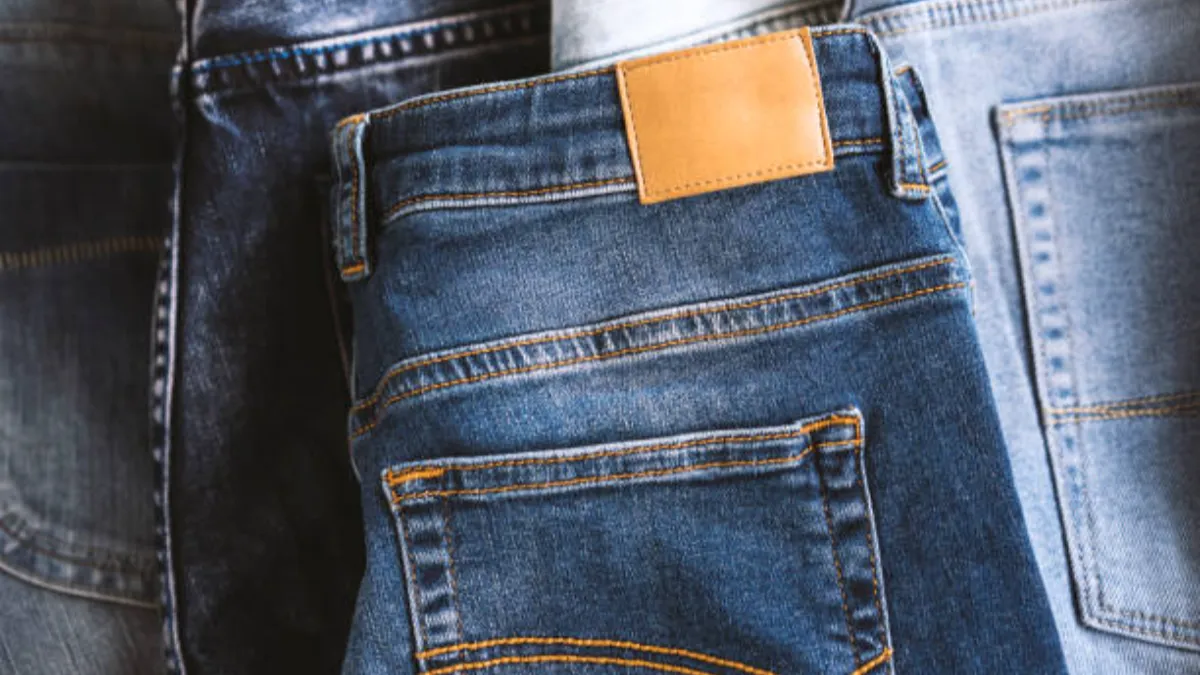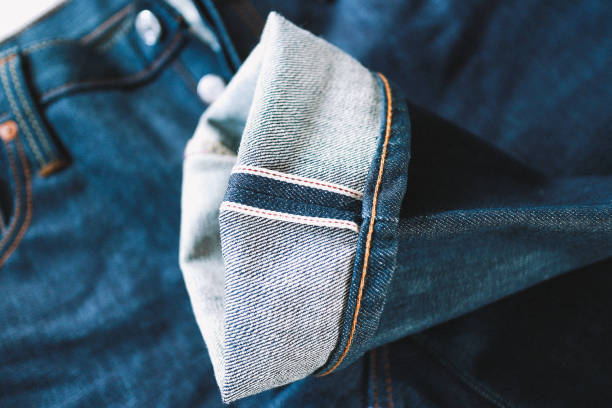
デニムの洗浄と仕上げは見た目を決定するのに重要です, 感じる, そしてジーンズの性能. ブランド, デザイナー, バイヤーは皆、デニムのウェットプロセスとドライプロセスの違いを理解し、一貫したデニムを作ることに依存しています。, 高品質の製品.
この包括的なデニム洗濯ガイドでは、デニムの種類について説明しています。, 原則, 視覚効果, 湿式プロセスと乾式プロセスの両方の持続可能性の側面. このガイドでは、信頼できるデニムメーカーから調達するための実用的な洞察も提供します。, コレクションが市場の期待に応えられるようにする.
デニムのウェットプロセスとドライプロセスとは何ですか
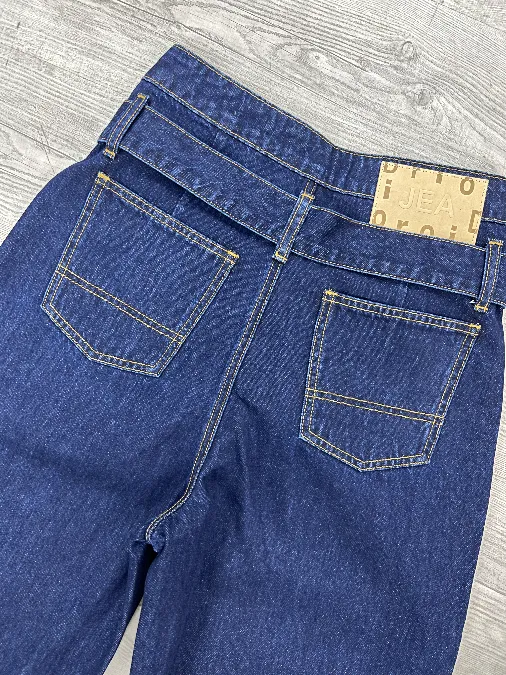
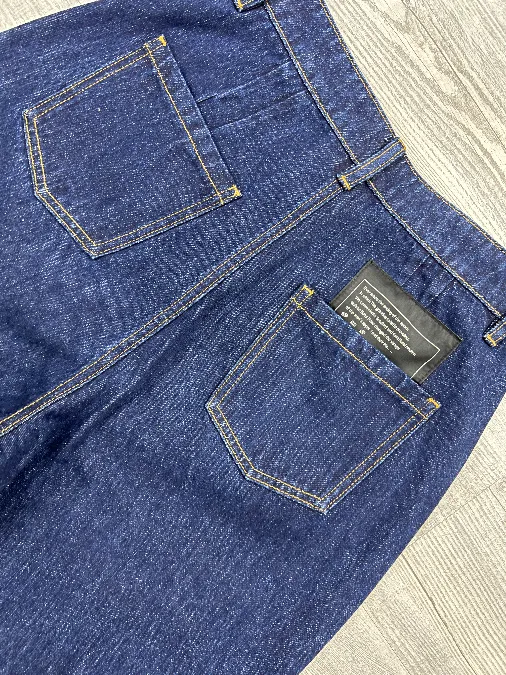
デニムの仕上げは大きく2つの工程に分類されます: 湿式処理と乾式処理. どちらも、望ましい衣服の品質を達成する上で明確な役割を果たします.
デニムウェットプロセス
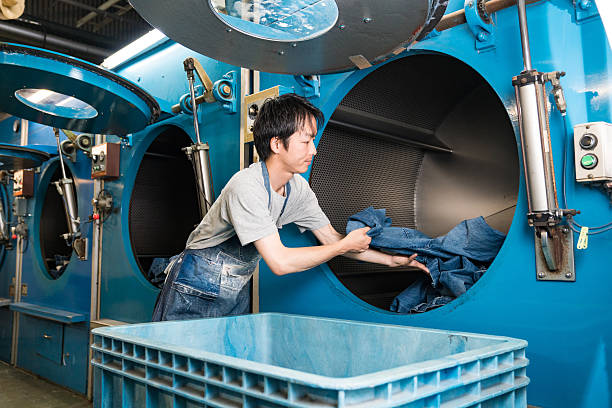
デニムのウェットプロセスでは水を使用します。, 化学薬品, 酵素, または生地の構造を操作するための機械的動作, 色, そして手の感触. 通常、衣服の縫製後に行われ、縫製には不可欠です。:
- 色落ちと色合いの調整
- 生地の柔らかさ
- 寸法安定性と収縮制御
- 後続の仕上げプロセスに向けて衣類を準備する
デニムドライプロセス
デニムのドライプロセスは、ウェットウォッシュ後に適用される視覚効果と表面効果に焦点を当てています。. 技術には研磨が含まれます, しわ, レーザー仕上げ, そして樹脂塗布. 乾式加工は生地の基本的な構造を変えることはありませんが、パターンを作成することで衣服の美しさを高めます。, ひげ, またはダメージを受けたテクスチャ.
比較表: 湿式プロセスと乾式プロセス
| 特徴 | デニムウェットプロセス | デニムドライプロセス |
|---|---|---|
| 目的 | 生地の構造を調整する, 色, そして柔らかさ | 視覚効果とテクスチャパターンを作成する |
| 方法 | 水, 化学薬品, 酵素, 機械的な動作 | 手作業による研磨, レーザ, 樹脂, 機械工具 |
| ステージ | 縫製後, 前仕上げ | ウェット洗浄、乾燥後 |
| 視覚的なインパクト | 均一な色落ち, 柔らかくなった手 | しわ, ひげ, ダメージ加工されたエッジ, エンボス加工されたテクスチャ |
| 生地への影響 | 繊維の特性を変える, 潜在的な筋力低下 | 生地の強度への影響を最小限に抑えます |
| 一般的なテクニック | ストーンウォッシュ, 酵素ウォッシュ, 漂白剤洗い, リンス & クリーン | ひげ, 研削, 手こすり, レーザー遭難, 樹脂のしわ |
デニムのウェットプロセスの種類の概要
| プロセス | 原理 | 視覚効果 | 主な考慮事項 |
|---|---|---|---|
| ストーンウォッシュ | 軽石で転がる | 色あせたハイライトを備えたソフトなヴィンテージ風の外観 | 生地が弱くなる可能性がある, バッチのばらつき, 水の使用量が増える |
| 酵素ウォッシュ | セルラーゼ酵素の使用 | スムーズ, 制御されたフェージング | 石よりも環境に優しい, 正確な制御が必要です |
| 酸洗浄 | 酸化性化学物質を含む石 | 劇的なコントラスト, 高低色 | 生地損傷のリスク, 化学薬品の取り扱いが必要 |
| ライト / 中くらい / ダークウォッシュ | 持続時間と化学強度 | 全体的に明るい色合いから暗い色合いまで | 色と柔らかさのバランスを整える, QCが必要です |
| 漂白洗浄 | 化学酸化剤 | とても青白い, 使い古された外観 | 繊維が弱くなり黄変するリスクが高い |
| リンス & クリーン | 簡単な水洗い | ほぼ生の状態, 最小限の色褪せ | 生地の強度を保ちます, 視覚的な変化は最小限 |
| オーバーダイ / 色合い | 洗浄後の染料塗布 | ユニークなカスタムシェード | 柔軟性は向上しますが、プロセスは複雑になります |
デニムの主なウェットプロセスの種類
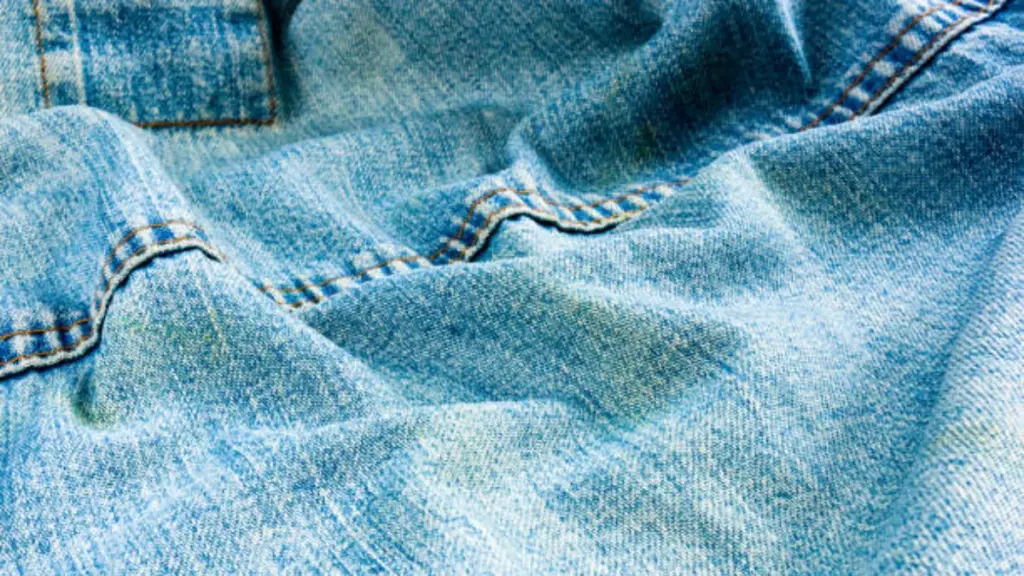
ストーンウォッシュ
ストーンウォッシュは伝統的なデニムのウェットプロセスであり、衣類を軽石でタンブルします。. 摩擦によりインディゴ染めの表面の繊維が磨耗します。, 摩耗したものを生み出す, ヴィンテージルック. この加工によりデニムが柔らかくなり、ごわつきが軽減されます。, 快適な手触りを与える. 洗浄の強さは石の大きさと量によって制御できます。, タンブリングタイム, および機械的回転速度, 軽いフェードから重厚なビンテージ効果までバリエーションが可能.
| 長所 | 短所 |
|---|---|
| ナチュラルを演出します, ソフトフェージング | 生地の繊維が弱くなる可能性がある |
| 衣服の快適性を高める | バッチ間の変動が可能 |
酵素ウォッシュ
酵素ウォッシュはセルラーゼ酵素を使用してデニム表面の綿繊維を選択的に分解します。. この制御された生化学反応によりインディゴが除去され、生地の強度を維持しながら滑らかな色落ちパターンが作成されます。. このプロセスは石洗浄よりも一貫しており、酵素濃度によって正確に管理できます。, 温度, と期間. 重大な機械的磨耗を伴わずに再現可能な色落ちを実現するため、プレミアムデニムによく使用されます。.
| 長所 | 短所 |
|---|---|
| スムーズ, 均一な退色 | 酵素活性の正確な制御が必要 |
| ストーンウォッシュよりも繊維の損傷が少ない | 処理コストが若干高くなります |
酸洗浄
軽石と酸化化学薬品を組み合わせた酸洗いでインディゴを除去し、ハイコントラストな色落ちを実現します。. 酸化剤とインディゴの化学反応により、不規則な明暗部分が生成されます。, デニムにドラマティックさを与える, レトロな外観. 化学物質濃度などのプロセスパラメータ, 曝露時間, 生地へのダメージを最小限に抑えながら、一貫した視覚効果を実現するために、石の動きは注意深く制御されています。.
| 長所 | 短所 |
|---|---|
| 独特のハイコントラスト効果 | 生地が弱くなる危険性 |
| トレンド主導型, 視覚的に印象的な | 慎重な化学薬品の取り扱いが必要 |
ライト / 中くらい / ダークウォッシュ
これらのウォッシュは化学強度を制御することで色落ちの深さを調整します。, 洗浄時間, そして動揺. 軽いウォッシュ ソフトを生み出す, 色あせたデニム, ミディアムウォッシュで色と手触りのバランスが取れています, ダークウォッシュは色褪せを最小限に抑えながらより深いインディゴを保持します。. このプロセスにより、ブランドはヴィンテージのライトデニムからプレミアムダークデニムまで、幅広いスタイルを提供できるようになります。, 綿密な品質管理により一貫した衣服の品質を維持しながら.
| 長所 | 短所 |
|---|---|
| 多彩な色合い | 一貫性を保つために正確な QC が必要 |
| 色と柔らかさのバランスを整える | 均一性を高めるための処理時間が長くなる |
漂白洗浄
漂白洗浄では、化学酸化剤を適用してデニムから顕著な色を除去します。, 非常に明るい色調と使い古された美学を生み出す. 集中力, 暴露, 過度の損傷を防ぐために、すすぎは注意深く監視されます。. ファッションフォワードに最適です, 淡いデニムスタイルですが、生地の完全性を維持するために制御する必要があります.
| 長所 | 短所 |
|---|---|
| ドラマチックに演出します, 淡いデニム | 繊維が弱くなるリスクが高い |
| トレンドを取り入れたデザインが人気 | 管理しないと黄変を引き起こす可能性があります |
リンス & クリーン
リンス & クリーンはでんぷんを除去する最小限の湿式プロセスです, サイズ調整, 色に大きな影響を与えることなく表面の不純物を除去します. これにより、生に近いデニムの美しさが保たれ、生地の強度が維持されます。, 清潔な状態を提供する, 自然な手触り.
| 長所 | 短所 |
|---|---|
| 生地の強度を保ちます | 美的効果が限定的 |
| 生に近い外観を維持 | 激しい色あせには不向きです |
オーバーダイ / ティントウォッシュ
オーバーダイまたはティントウォッシュは、ベースウォッシュの後に追加の顔料を適用して、独特の季節の色合いを作り出します。. この方法によりクリエイティブな表現が可能になります, 生地の品質を維持しながら、カスタマイズされた色とファッション主導のデザイン.
| 長所 | 短所 |
|---|---|
| 柔軟な色のオプション | 一貫性を保つために正確な制御が必要 |
| ファッション性を高める | プロセスの複雑さとコストが追加される |
デニムの乾燥加工の種類の概要
| プロセス | カテゴリ | 原理 | 視覚効果 | 方法 |
|---|---|---|---|---|
| ハンドスクレープ / ハンドサンディング | 手作業による磨耗 | ジーンズに手作業でサンドペーパーを適用する | レイヤードした深みのある自然なフェード | 熟練した職人が太ももなどの部位を手作業で研磨します, 膝, ポケット |
| モンキーウォッシュ / PPスプレー | 手作業による磨耗 | 高マンガン溶液を対象領域に噴霧 | より明るく, より速い退色 | 化学反応と手動ターゲティングを組み合わせます |
| サンドブラスト | 手作業による磨耗 | 研磨剤入り高圧エアガン | 頑丈な, ひどく摩耗した外観 | 健康上のリスクのため、レーザーに大部分が置き換えられています |
| ひげ / 口ひげ | 3D テクスチャ | ヒップと太もものしわパターン | 自然な折り目とフェードライン | 手動またはレーザーによるパターニング |
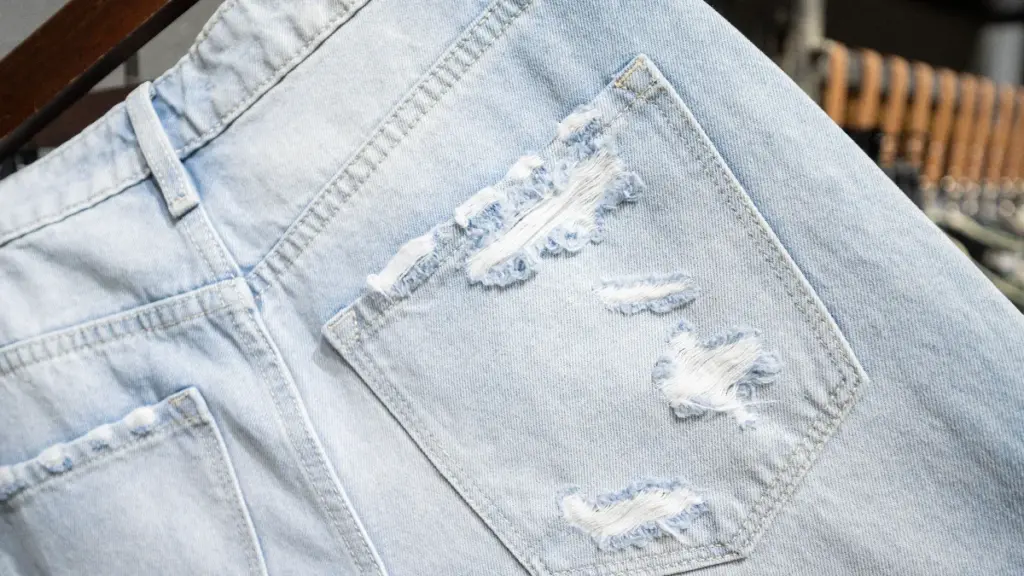
| 研削 / 破壊された | 3D テクスチャ | エッジや縫い目の磨耗 | 穴, ほつれている, 磨耗したエッジ | 機械研削または手動研削 |
| 樹脂 / 3Dクリンクル | 3D テクスチャ | 樹脂塗布と高温硬化 | 触覚的な深さを備えた永続的な折り目 | 樹脂の吹き付けと熱固定 |
| タイダイ / タグ付け | パターニング | 衣服を結んだり吊り下げたりする | カスタムの局所的な摩耗または染色パターン | 手作業による加工と化学仕上げ |
一般的なデニムの乾燥プロセスの種類
マニュアル / 機械的摩耗
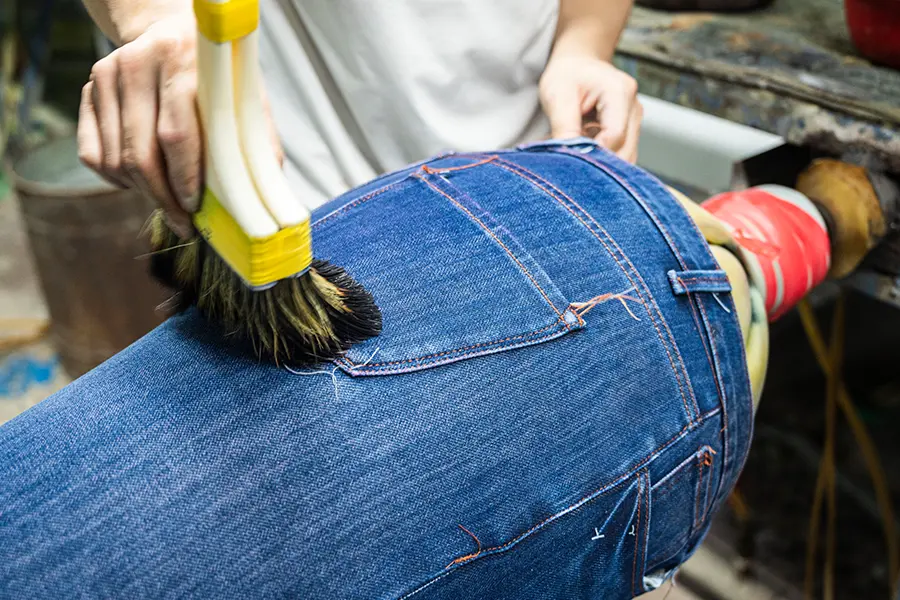
- ハンドスクレープ / ハンドサンディング: 作業員はサンドペーパーを使用して太ももや腰などの部分を手作業で研磨します。, レイヤードで深みのある自然なフェードを作成します。. 使い込まれた風合いを強調するプレミアムなテクニック, ヴィンテージルック. 一貫性を保つには熟練した労働力が不可欠, リアルな摩耗パターンと柔らかな手触りを保証します。.
- モンキーウォッシュ / PPスプレー: 高マンガン溶液を対象領域にスプレーします。, 明るいものを生み出す, 急速な退色. 手作業でのスクレーピングと組み合わせることが多い, この方法により、制御されたハイライト効果を実現しながら、制作が高速化されます。.
- サンドブラスト: 研磨材を混ぜた高圧空気を生地に吹き付けます。, 頑丈なものを生み出す, ひどく摩耗した外観. 珪肺などの健康リスクのため, 多くのブランドがこの方法を禁止しています, 安全性と精度を高めるためにレーザーに徐々に置き換えられています.
3D テクスチャ & 破壊
- ひげ / 口ひげ: ヒップと太ももに折り目パターンを作成します, 長時間の着用による自然な折り目をシミュレート. 手動またはレーザーで適用して、リアルな 3D テクスチャと奥行きを実現できます。.
- 研削 / 破壊された: 機械や手工具によりエッジや縫い目が磨耗する, 穴を形成する, ほつれ, そして摩耗した部分. ストリートスタイルで人気, 意図的にダメージを受けた外観を追加します.
- 樹脂 / 3Dクリンクル: 樹脂を対象領域に塗布し、ヒートセットして永続的な 3D 折り目を形成します。. 視覚的な奥行きと触感の両方を向上させます, 耐久性のあるデザイン機能を作成する.
- タイダイ / タグ付け: 衣服は縛られたり吊り下げられたり、研磨や染料で処理され、局所的な模様が生み出されます。. カスタマイズと芸術的な効果を追加して、ユニークな, 視覚的に魅力的なデニム.
あなたのブランドに命を吹き込むカスタムデニム
デニム加工における持続可能な革命
デニム加工に関する問題は環境への影響です. 伝統的に, この業界は水を大量に消費し、化学物質に依存してきました。. しかし, 大規模な技術革新が進行中です, からの移動 “化学物質による芸術” に “テクノロジーを通した芸術。”
1. レーザー仕上げ
レーザー技術が手作業のサンディングに取って代わる, ひげ, そして破壊.
- 利点: レーザーでジーンズにヴィンテージのパターンを焼き付けることができます。 90 秒, 人間がかかるプロセス 10-15 分. サンディングによる粉塵を排除し、労働力を大幅に軽減します。.
2. オゾン洗浄
オゾン (O3) 水を使わずにガスを使ってデニムを漂白します。.
- 利点: オゾンはインジゴ分子を攻撃し、その後通常の酸素に戻ります。. 色を落としてきれいにすることができます “バックステイン” (汚れたポケット) 排水ゼロ、化学残留ゼロ.
3. ナノバブル (E-フロー) テクノロジー
洗濯機に何千リットルもの水を入れる代わりに, このテクノロジーが生み出すのは、 “霧” 化学柔軟剤や樹脂を含むナノバブル.
- 利点: 最小限の水で薬品を塗布できます。 (水の消費量を最大で削減 95%) 化学廃棄物ゼロを保証します.
4. 人造石
軽石を交換するには (天然資源を採掘し、汚泥を生成する), 業界は、デニムを分解せずに研磨する合成研磨エコストーンや再利用可能なポリマー球の使用に移行しています。.
デニムラインに適したウェットプロセスとドライプロセスを選択する
湿式プロセスと乾式プロセスの適切な組み合わせを選択することは、製品の品質に直接影響する戦略的な決定です。, 料金, スケーラビリティ, そして市場での受け入れ. 仕上げオプションを評価する場合, ブランドは次の重要な要素に焦点を当てる必要があります:
- ターゲット市場とポジショニング
プレミアム, ファッションフォワードのデニムでは、多くの場合、制御された酵素洗浄と、ひげや樹脂のシワなどの詳細な乾燥プロセスが必要になります。, 一方、大衆向けのスタイルは効率と耐久性を優先します。. - 望ましい視覚的な結果
最終的な見た目が重要. ユニフォーム, クリーンなフェードはウェットプロセスに依存します, ヴィンテージながら, 使い古された, またはダメージ加工されたスタイルはドライテクニックに大きく依存します. - 生地の種類と構造
重いデニムは、軽量または伸縮性のある生地よりも激しい洗濯や摩耗に耐えます。, より優しいものを必要とするもの, より制御されたプロセス. - コストと生産規模
複雑なプロセスの組み合わせにより、単価とリードタイムが増加します. ブランドは美的目標と商業的実現可能性のバランスを取る必要がある. - 一貫性と品質管理
一部のプロセス, 特に手作業によるドライテクニック, 大量生産全体で再現性のある結果を保証するには、熟練労働者が必要です. - 持続可能性とコンプライアンス
水の使用量, 化学的影響, 作業者の安全はますます重要になっています. 酵素洗浄, レーザー仕上げ, およびオゾン技術は、ブランドが環境と規制の期待に応えるのに役立ちます.
最終的な考え
デニムのウェットプロセスとドライプロセスの複雑なバランスをマスターすることが不可欠です, しかし、適切なインフラストラクチャを持つことが、その知識を利益に変えるのです. 市場はより高い持続可能性基準とより迅速な納期を求めています, 時代遅れの方法に頼ることはもはや選択肢ではありません. 機械は技術と同じくらい高度である必要があります.
で チャンゴン, 私たちは、この進化する情勢の中で競争力を維持するために必要な工業用洗浄および染色ソリューションを提供します。. 単一のマシンをアップグレードする場合でも、施設全体のオーバーホールを計画している場合でも, 当社の専門家が効率と品質の最適化をお手伝いします.
デニム生産ラインを向上させる準備ができました? 今すぐお問い合わせください 専門的な相談のために, または、当社のあらゆる繊維仕上げ機械を調べて、お客様のビジネスに最適なソリューションを見つけてください。.