Calcolare male i tempi di consegna dei jeans costringe i marchi di e-commerce a costose finestre di esaurimento scorte e a mancati lanci stagionali. I principianti sottovalutano costantemente il modo in cui i processi di lavaggio a umido trascinano i programmi di produzione. I veterani sanno che non riuscire a garantire un turnaround affidabile entro 30 giorni danneggia direttamente i limiti delle entrate.
Questa analisi scompone il 4 a una variazione di produzione di 20 settimane per aiutarti a stabilire un calendario realistico. Valutiamo specifici colli di bottiglia in fase, come il tradizionale consumo di lavorazione a umido 40 percentuale dei programmi post-cucitura, e delineare strategie per comprimere i percorsi standard di 30 giorni in consegne accelerate di 15 giorni per scadenze di mercato ravvicinate.
Cosa influenza il lead time di produzione dei jeans
I tempi di produzione dei jeans variano da 4 A 20 settimane. I maggiori ritardi derivano dalla disponibilità dei tessuti, revisioni del campione, complessità progettuale, e le distanze geografiche di spedizione.
Approvvigionamento dei materiali e lavorazione dei tessuti
Garantire le materie prime è il primo grande ostacolo nella sequenza temporale della produzione. Le fabbriche hanno bisogno di circa 30 giorni solo per procurarsi il tessuto, finiture, discussioni, e coloranti prima ancora di tagliare il primo campione.
- Tessuti denim in stock: Riduci i tempi di consegna di diverse settimane perché evitano completamente le code di filatura e tintura.
- Opzioni tinte su misura: Aggiungere 7 A 15 giorni al programma, che si estende molto più a lungo durante il picco della domanda stagionale.
- Cotone certificato: L'approvvigionamento di materiali biologici o certificati BCI richiede tempo aggiuntivo per garantire la conformità normativa e verificare la documentazione.
La filatura del filo e la tintura del cotone richiedono più settimane. Se vuoi una risposta rapida, appoggiarsi al denim di serie disponibile localmente funge da leva di velocità più efficace.
Complessità produttive e logistica globale
Una volta arrivati i materiali, le fasi di prototipazione e produzione in serie dettano il ritmo. Un semplice jeans a cinque tasche passa attraverso la produzione di massa in modo standard 30 a una finestra di 45 giorni, ma variabili personalizzate specifiche fanno deragliare facilmente tale pianificazione.
- Ritardi nella prototipazione: Specifiche poco chiare, proposte iniziali di scarsa qualità, e più cicli di revisione si sommano 24 giorni alla tua sequenza temporale.
- Complessità progettuale: Costruzione multipannello, ricami pesanti, e i rivestimenti personalizzati spingono la produzione di massa ben oltre la soglia dei 45 giorni.
- Spedizione regionale: L’ubicazione della fabbrica incide drasticamente sui trasporti. La spedizione richiede 4 A 10 settimane dalla Turchia o dagli Stati Uniti, rispetto a 8 A 16 settimane dall’India o dal Bangladesh.
- Disagi esterni: Congestione del porto, scioperi dei lavoratori, e la carenza di materie prime crea arretrati imprevedibili che bloccano la consegna.
Mantenere i pacchetti tecnici precisi e approvare rapidamente i campioni mantiene la linea in movimento. È necessario creare buffer nel calendario per assorbire la logistica imprevedibile e i colli di bottiglia nelle spedizioni.
Ripartizione del processo di produzione del denim
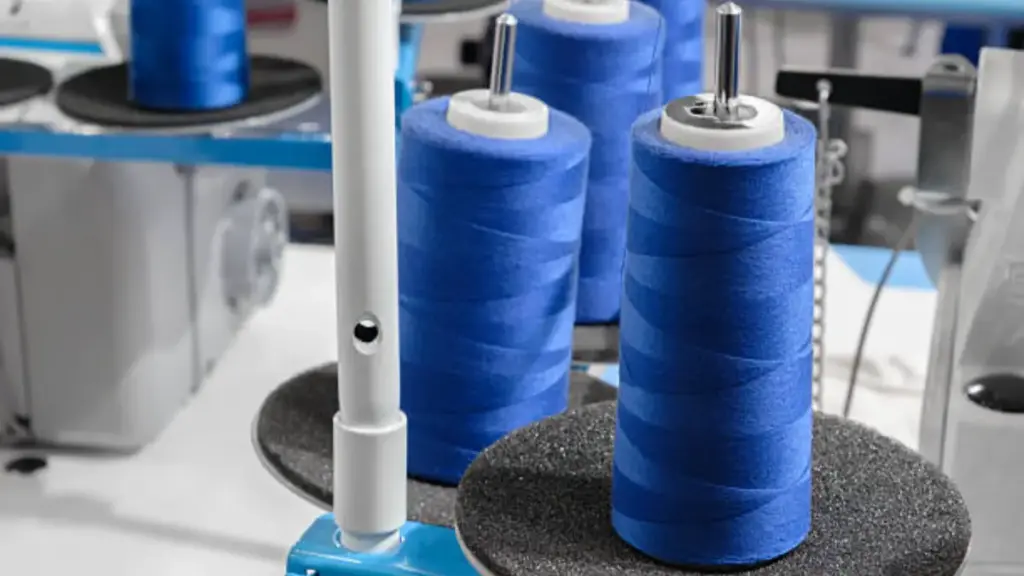
Trasformare il cotone grezzo in jeans durevoli richiede una precisa miscelazione delle fibre, taglio automatizzato, cucito industriale, e lavaggio controllato per garantire vestibilità e scoloriture esatte.
Fase di pre-produzione
Produzione inizia con la selezione di fibre di cotone di alta qualità. Li mescoliamo con elastan o rayon per conferire al materiale di base l'elasticità e la morbidezza necessarie. Il processo di sgranatura rimuove poi semi e impurità, lasciare che gli impianti comprimino le fibre grezze pulite in balle da 250 chilogrammi per il trasporto.
Una volta al mulino, i reparti di filatura trasformano queste fibre grezze in filati. Le strutture spesso utilizzano la filatura ad anelli per creare fili testurizzati che alla fine producono sbiadimenti ad alto contrasto. Prossimo, i tessitori tingono i fili di ordito longitudinale con indaco utilizzando tecniche di tintura in corda o slasher. Applicano un composto dimensionante per fissare il colore prima di intrecciare i fili con fili di trama non tinti nel caratteristico motivo twill diagonale del denim.
Taglio e cucito
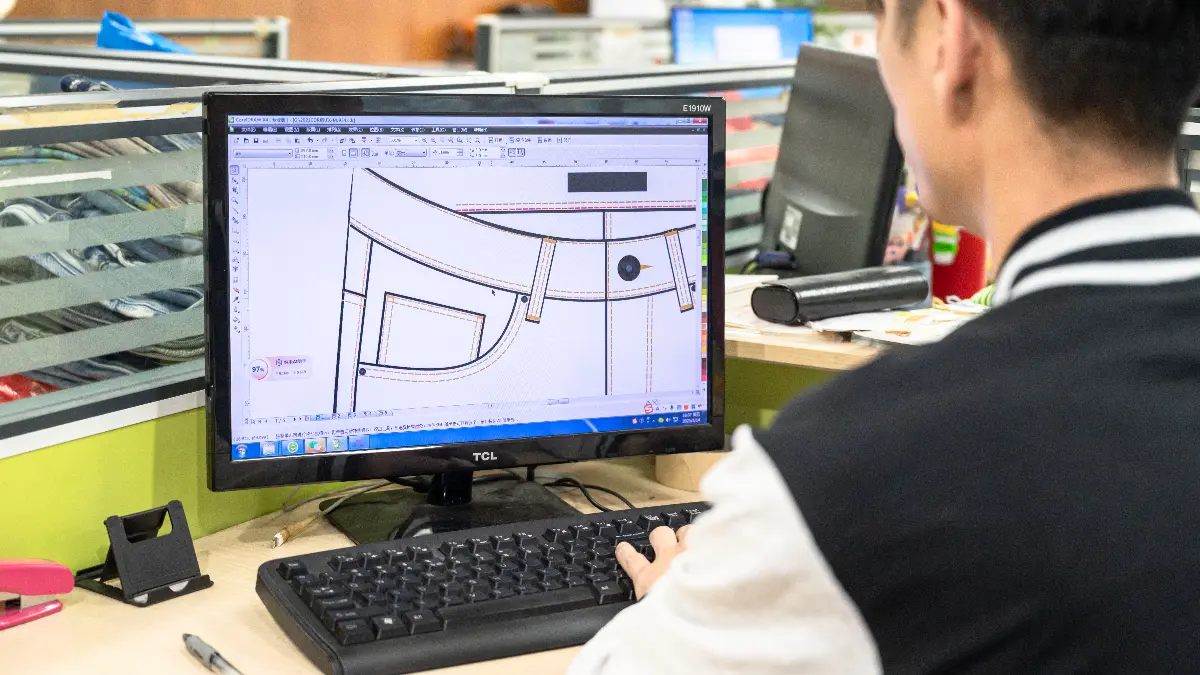
Progettazione assistita da computer (CAD) il software detta la fase di taglio. Il sistema guida macchine laser automatizzate e lame affilate per tagliare più strati di tessuto con estrema precisione e quasi zero sprechi. Un classico modello di jeans a cinque tasche richiede circa 20 pezzi tagliati distinti. Questo consuma fino a 1.5 metri di denim standard o 2.5 metri di denim con cimosa più stretta.
I team di assemblaggio raccolgono i componenti critici per costruire l'indumento finale:
- Filo: Centinaia di metri di cuciture resistenti per paio.
- Hardware: Rivetti metallici, bottoni con gambo, e cerniere resistenti.
- Beni morbidi: Fodere delle tasche in cotone e toppe logate.
Gli operatori utilizzano macchine da cucire industriali pesanti per collegare i pannelli di tessuto. Si basano su robusti punti a catenella per mantenere la flessibilità del tessuto e punti di bloccaggio per rinforzare permanentemente le cuciture ad alto stress.
Lavaggio e Finitura
Gli stabilimenti applicano la sanforizzazione per prerestringere il tessuto denim e la mercerizzazione per aumentare la resistenza alla trazione e la lucentezza naturale del materiale. Una volta che il capo prende forma, I processi di imbozzimatura rimuovono i composti protettivi di imbozzimatura applicati durante le precedenti fasi di tintura e tessitura.
Gli impianti trattano poi i jeans completamente cuciti utilizzando specifiche tecniche di lavaggio e distensione meccanica. Questo passaggio blocca i dettagli estetici unici, imposta i modelli di dissolvenza, e stabilisce le caratteristiche visive usurate che gli acquirenti si aspettano.
Controllo qualità e imballaggio
I team di controllo qualità eseguono rigorose ispezioni visive e fisiche sulla linea finita per verificare i parametri chiave:
- Durata della cucitura: Testare i punti di stress per verificare la rottura del thread.
- Integrità strutturale: Controllo del fissaggio dell'hardware e della stabilità del tessuto.
- Costruzione di indumenti: Garantire un allineamento preciso con il pacchetto tecnologico originale.
Dopo aver eliminato l'ispezione, gli operai della fabbrica confezionano in modo sicuro i prodotti finali in denim. I team logistici caricano quindi le spedizioni consolidate per la distribuzione ai rivenditori globali e ai consumatori diretti.
Denim personalizzato premium con MOQ bassi
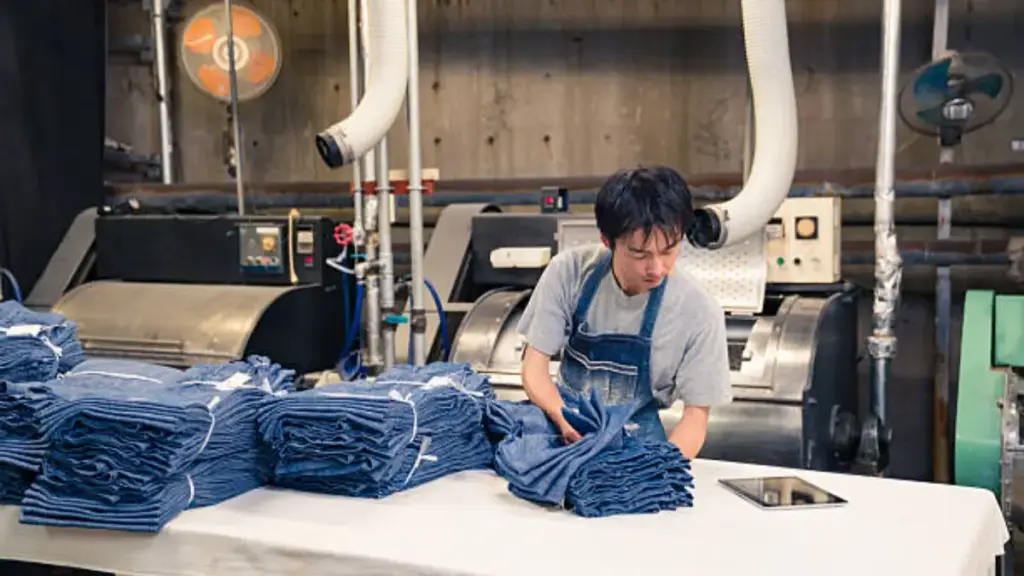
In che modo i processi di lavaggio influiscono sui tempi di produzione
Il lavaggio consuma fino a 40% del tempo di consegna post-cucitura. Il passaggio dal tradizionale lavaggio della pietra alla finitura con ozono o laser riduce la lavorazione da giorni a ore.
Colli di bottiglia tradizionali della lavorazione a umido
Il lavaggio compone 20% A 40% del lead time post-cucitura nella produzione di jeans. Le fabbriche che si affidano a metodi di lavorazione a umido obsoleti si trovano ad affrontare gravi colli di bottiglia nella produzione. Le tecniche tradizionali richiedono un elevato input di risorse e impongono lunghe tempistiche di ripristino post-processo.
- Lavaggi di pietra: Richiedere 30 A 50 minuti per carico e fare affidamento su più risciacqui, causando da uno a tre giorni di ritardo nel batch.
- Sbiancamento convenzionale: Obbliga le strutture a eseguire da sei a sette cicli di lavaggio e a gestire i rifiuti chimici pesanti, estendere il turnaround complessivo.
Guadagni di velocità grazie ai metodi di finitura avanzati
Le fabbriche moderne sostituiscono la pesante abrasione meccanica con tecnologie avanzate tecniche di finitura. Questi aggiornamenti riducono drasticamente i tempi di ciclo ed eliminano una notevole dipendenza dall’acqua.
- Lavaggi enzimatici: Ridurre i cicli di trattamento a 15 A 30 minuti e ridurre il consumo di acqua 38% rispetto alle pietre tradizionali.
- Lavaggio dell'ozono: Limita i trattamenti a solo 15 minuti e riduce l'intero processo a due o tre cicli di risciacquo.
- Finitura laser: Elimina completamente la lavorazione a umido, riducendo sia il tempo che il fabbisogno energetico 62%.
Di 2026, le fabbriche moderne sfruttano queste tecniche avanzate per ridurre il tempo totale di finitura da diversi giorni a poche ore per lotto.
Tempi di consegna tipici per gli ordini di jeans personalizzati
I jeans personalizzati standard prendono 25-30 giorni dall'ordine alla consegna. Puoi tagliare questo 10-15 giorni con produzione espressa, anche se le ferie e i controlli sui tessuti potrebbero sospendere la produzione.
| Itinerario dell'ordine | Tempo di produzione | Durata della spedizione | Finestra di consegna totale |
|---|---|---|---|
| Standard | 2-3 settimane | 4-6 giorni | 25-30 giorni |
| Accelerato (+$50) | 7-10 giorni | 3-4 giorni | 10-15 giorni |
Tempistiche di produzione standard e accelerate
La maggior parte dei jeans personalizzati segue un programma di produzione standard. La fabbrica richiede da due a tre settimane per tagliare, cucire, e finisci il capo. Successivamente spediamo l'ordine tramite corriere internazionale standard, impiegando altri quattro-sei giorni. Questo routing dà come risultato un totale 25 a una finestra di consegna di 30 giorni dal momento in cui confermi l'ordine.
Gli acquirenti con tempi di consegna serrati possono passare alla produzione espressa per a $50 tassa. Ciò comprime il flusso di lavoro di fabbrica fino a 7-10 giorni e sposta il pacco alla spedizione prioritaria, che richiede solo tre o quattro giorni. L'opzione express mette il prodotto finito nelle tue mani 10 A 15 giorni.
Fattori che influiscono sui programmi di consegna
Le variabili esterne spingono regolarmente indietro le date di consegna. La fabbrica sospende immediatamente la sequenza temporale della produzione se il team ha bisogno di verificare misurazioni insolite o riscontra problemi imprevisti nell'approvvigionamento dei tessuti. L'orologio si ferma completamente finché il nostro team non conferma i dettagli esatti direttamente con l'acquirente per evitare errori di produzione.
Anche la domanda stagionale rallenta la produzione industriale. Principali periodi di vacanza in tutto 2026 aggiungerà tre o quattro giorni ai tempi di elaborazione standard a causa del massiccio aumento dei volumi degli ordini. È necessario tenere conto di questo buffer nella pianificazione per evitare di perdere scadenze critiche.
Come ridurre i tempi di consegna senza sacrificare la qualità
Ridurre le settimane di produzione non significa prendere scorciatoie. I marchi intelligenti comprimono i tempi di consegna da 20 settimane a 8 settimane attraverso l’approvvigionamento localizzato, integrazione digitale, e controlli di qualità proattivi.
Ottimizza le catene di fornitura e integra gli strumenti digitali
Affidarsi a fornitori globali sparsi aggiunge settimane di tempo morto al tuo calendario di produzione. Garantire partnership affidabili e centralizzare il flusso di dati semplifica l’intera fase di pre-produzione.
- Accordi con i fornitori e approvvigionamento locale: Costruisci accordi con i fornitori a lungo termine e acquista il denim localmente per ridurre i tempi di transito ed evitare ritardi imprevisti nell'approvvigionamento.
- Integrazione degli strumenti digitali: Implementa sistemi PLM ed ERP per la condivisione istantanea delle specifiche, creazione rapida di modelli, e monitoraggio degli ordini in tempo reale tra i team.
- Produzione vicino alla costa: Spostare la produzione nelle regioni costiere. Questa strategia riduce i tempi logistici e consente frequenti, audit di strutture a basso attrito.
Implementare la produzione snella e controlli di qualità proattivi
Obsoleto, massicci lotti di produzione intasano gli stabilimenti e ritardano la consegna sul mercato. L’adozione di principi di produzione agili consente alle fabbriche di rispondere più rapidamente senza che i tassi di difettosità aumentino.
- Linee Modulari e Piccoli Lotti: Adotta lotti più piccoli e linee di produzione modulari per ridurre i tempi di cambio stile.
- Ispezioni in linea proattive: Condurre ispezioni in linea durante le fasi di cucitura e prelavaggio. Individuare e correggere tempestivamente i difetti previene enormi ritardi prima dell’inizio della produzione di massa.
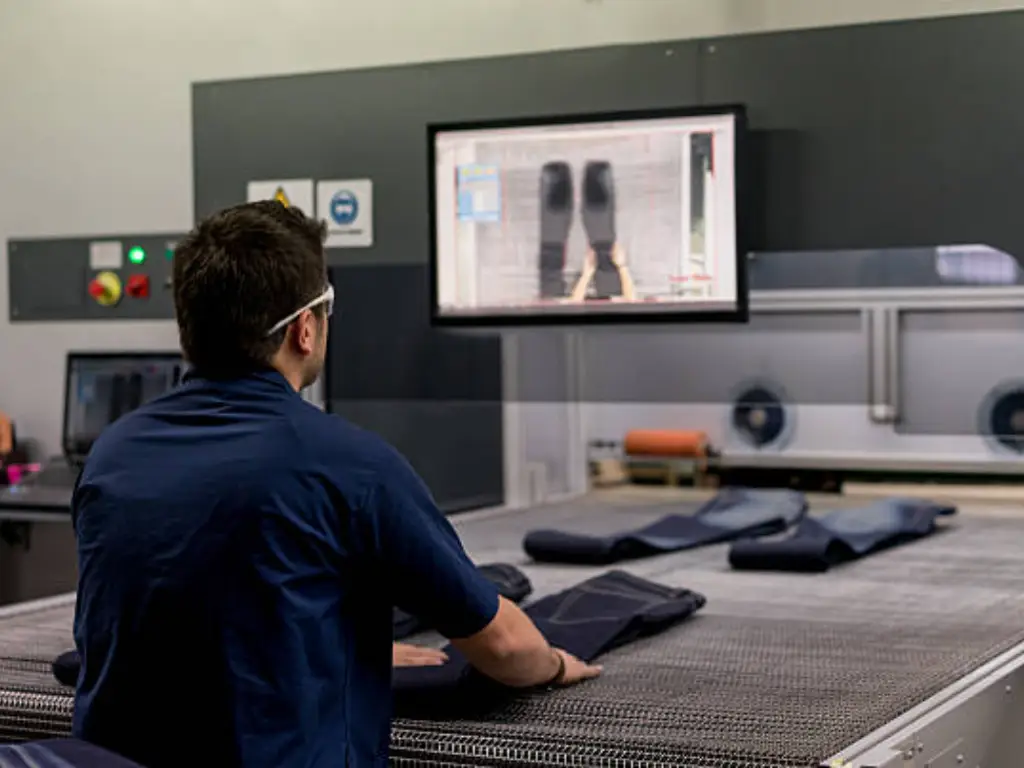
- Macchinari automatizzati: Utilizza macchinari per cucire automatizzati e macchinari laser per accelerare la velocità di lavorazione preservando l'integrità del tessuto.
Tempo di spedizione: Trasporto aereo o marittimo
Il trasporto aereo riduce il transito 5-10 giorni con 98% affidabilità per incassi urgenti, mentre il trasporto marittimo rimane la scelta economica per gli ordini all'ingrosso, consentendo un buffer di 30 giorni.
Confronto tra tempi di transito e affidabilità
La gestione della catena di fornitura richiede una chiara comprensione dei compromessi tra velocità e coerenza degli orari tra le diverse modalità di trasporto.
- Trasporto via mare: Prende 25 A 45 giorni per la consegna da porto a porto e mantiene un 85% tasso di affidabilità.
- Trasporto aereo: Completa la consegna porta a porta 5 A 10 giorni mentre raggiungevo 98% affidabilità sugli orari dei voli fissi.
- Corriere espresso: Fornisce il percorso più veloce possibile, prendendo 2 A 7 giorni per consegnare campioni critici o lotti altamente urgenti.
Criteri di selezione del trasporto per gli ordini di jeans
Metodi di spedizione più rapidi riducono direttamente i costi di magazzino. Ridurre la finestra di transito aiuta i marchi ad allineare lotti di ordini più piccoli con lo spostamento 2026 richieste stagionali invece di immobilizzare il capitale in scorte inattive.
Selezionare il trasporto marittimo per ordini all'ingrosso eccedenti 500 kg. Questo percorso si adatta perfettamente agli stili principali di vendita stabile in cui il tuo programma può ospitare comodamente un buffer di 30 giorni prima che i prodotti raggiungano il punto vendita..
Scegli il trasporto aereo per i nuovi arrivi di jeans, collezioni limitate, o spedizioni medie di peso compreso tra 100 E 500 kg. In questi scenari, la rapida immissione sul mercato giustifica facilmente il prezzo premium del carico.
Fattori stagionali nella pianificazione della produzione di denim
I turni stagionali dettano i programmi di produzione del denim. Il picco della domanda nel terzo trimestre estende i tempi di consegna standard fino al 30%, richiedono buffer strategici per proteggere le catene di approvvigionamento e i margini di profitto.
Spostamenti trimestrali della domanda ed estensioni della sequenza temporale
La tempistica dei tuoi ordini di denim è fondamentale tanto quanto le tue specifiche tecniche. I tempi di produzione standard sono intermedi 4 E 20 settimane, ma il volume stagionale manipola pesantemente tale linea di base.
- Q3 (Luglio-settembre): Questo periodo di punta della produzione mette a dura prova la capacità della fabbrica. Volumi di ordini elevati prolungano i tempi di consegna standard fino al 30%.
- Q2 (Aprile-giugno): I ritardi iniziano ad aumentare durante questa finestra. Le collezioni primaverili ed estive richiedono varianti prelavate personalizzate, aggiungendo 2-4 settimane al programma.
- Q1 e Q4: Il calo della domanda post-festiva offre tempi di consegna da normali a più rapidi. Le fabbriche trattano le materie prime e rifiniscono i capi con maggiore efficienza.
Colli di bottiglia specifici per fase e strategie buffer
La stagionalità attacca fasi specifiche del ciclo produttivo. I cicli di raccolta del cotone determinano direttamente la disponibilità delle materie prime. Durante i picchi di carenza, gli acquirenti devono affrontare un extra 1-2 settimane in più rispetto allo standard 2-4 fase di approvvigionamento settimanale.
I trattamenti personalizzati stagionali aggravano i problemi della sequenza temporale. Lavaggi e finissaggi specializzati per le linee estive costringono i produttori ad aggiungere 2-4 settimane esclusivamente alla fase di rifinitura.
I pianificatori di produzione esperti rifiutano di lasciare le tempistiche al caso. Costruiscono 1-2 periodi buffer settimanali nei loro programmi e separare i blocchi del tessuto dai rilasci collettivi. Il bloccaggio anticipato del tessuto garantisce che le operazioni di base si svolgano senza intoppi durante le volatili transizioni stagionali.
Pensieri finali
Affidarsi a fornitori frammentati spesso sembra più conveniente sulla carta, ma garantisce date di lancio mancate e scaffali vuoti. Bloccare il denim in stock e sfruttare la tecnologia di lavaggio avanzata è l'unico modo affidabile per garantire un rigoroso turnaround di 30 giorni. Il controllo di queste variabili critiche della produzione protegge i margini da colli di bottiglia globali imprevedibili e ritardi stagionali.
Smetti di giocare d'azzardo con i tuoi sconti stagionali e assicurati il tuo programma di consegna esatto. Ti consigliamo di testare le nostre capacità di produzione accelerata con un ordine di campione personalizzato per verificare in prima persona la nostra velocità e qualità costruttiva. Contatta il nostro team di produzione per allineare i tuoi pacchetti tecnologici e tracciare una sequenza temporale garantita per la tua prossima collezione.
Domande frequenti
Quanto tempo ci vuole per produrre un ordine di jeans sfuso?
Ordini di jeans sfusi di 5,000 o più pezzi in genere richiedono 30 A 45 giorni per la produzione una volta approvati campioni e materiali. La sequenza temporale totale end-to-end, dall'approvvigionamento alla spedizione, varia da 8 A 12 settimane. I lotti più piccoli vengono elaborati più velocemente 2 A 3 settimane, mentre i tessuti personalizzati come il denim con cimosa estendono i programmi fino a 16 settimane.
Cosa causa ritardi nella produzione del denim?
Filiere frammentate, carenze di materie prime, e pacchetti tecnologici incompleti fanno regolarmente deragliare la produzione. Disegni complessi, lavare le incongruenze, e i colli di bottiglia nelle spedizioni globali ritardano anche le date di consegna. Per mantenere le tempistiche in linea, le fabbriche richiedono specifiche complete e approvazioni anticipate dei materiali.
Il trasporto aereo dei campioni di abbigliamento è più veloce?
SÌ. Il trasporto aereo e i corrieri espressi consegnano campioni di abbigliamento in tutto il mondo 1 A 7 giorni, rendendoli la scelta standard per approvazioni rapide. Il trasporto via mare richiede 30 A 60 giorni, rendendolo del tutto impraticabile perché urgente, spedizioni di campioni urgenti.
Come posso accelerare la sequenza temporale della produzione di abbigliamento?
Accelera la tua produzione selezionando i tessuti in stock e inviando pacchetti tecnici altamente dettagliati per eliminare le revisioni dei campioni. Mantieni una comunicazione diretta con il tuo produttore. Se approvi i campioni all'interno 48 ore e adottare piattaforme di flusso di lavoro digitali, puoi ridurre il tempo di produzione totale di 30 A 50%.
Qual è il tempo di consegna per le etichette denim personalizzate??
Richiedono etichette denim personalizzate 25 A 60 giorni per produrre, dipende fortemente dalla complessità del progetto e dai nuovi requisiti dello stampo. Le fabbriche acquistano le etichette nelle prime fasi del ciclo di produzione. Puoi salvare 2 A 3 settimane di tempo per l'approvvigionamento scegliendo subito le librerie di finiture pre-approvate.
Come pianificare un calendario di produzione per un brand di moda?
Lavora a ritroso rispetto alla data di lancio prevista. Programma 16 A 20 settimane per un ciclo standard dalla progettazione alla consegna. Aggiungere 1 A 2 settimane di tempo cuscinetto per ciascuna fase principale. Dare priorità alle approvazioni anticipate per tessuti e hardware denim speciali per evitare colli di bottiglia nella fase finale.