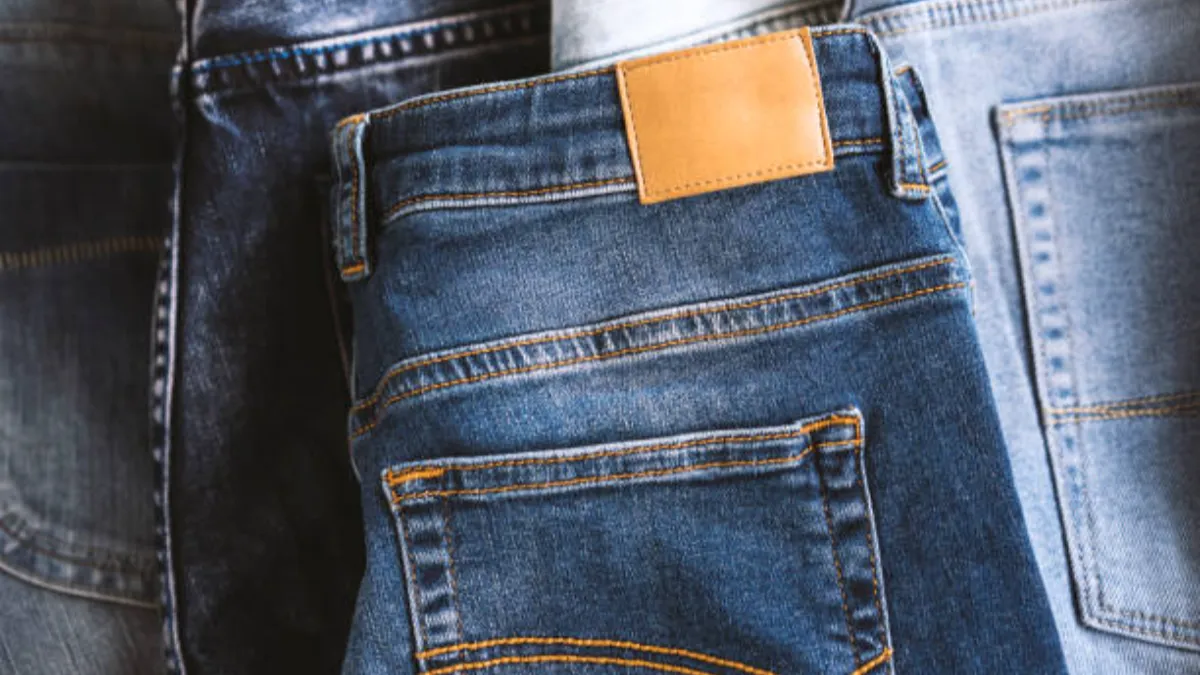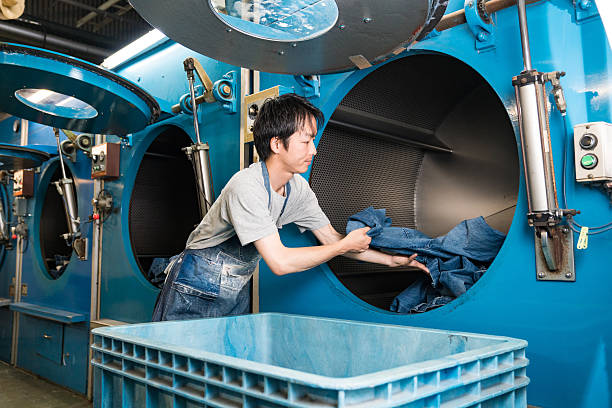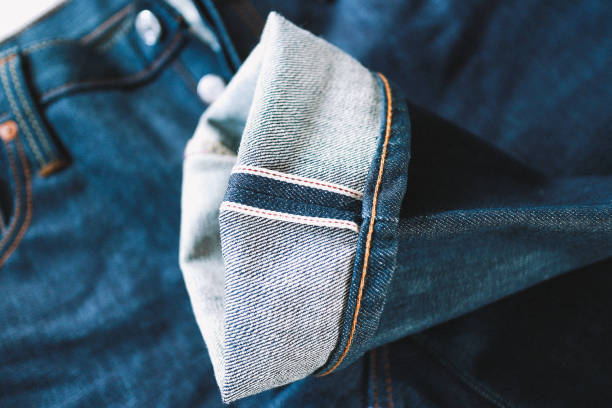
Il lavaggio e la finitura del denim sono fondamentali per definire il look, Tatto, e prestazioni dei jeans. Marche, progettisti, e tutti gli acquirenti si affidano alla comprensione delle differenze tra il processo del denim bagnato e il processo del denim asciutto per creare risultati coerenti, prodotti di alta qualità.
Questa guida completa al lavaggio del denim copre i tipi, principi, effetti visivi, e aspetti di sostenibilità dei processi sia a umido che a secco. La guida fornisce inoltre informazioni utili per l'approvvigionamento da produttori di denim affidabili, garantire che la tua collezione soddisfi le aspettative del mercato.
Cosa sono i processi Wet and Dry del denim
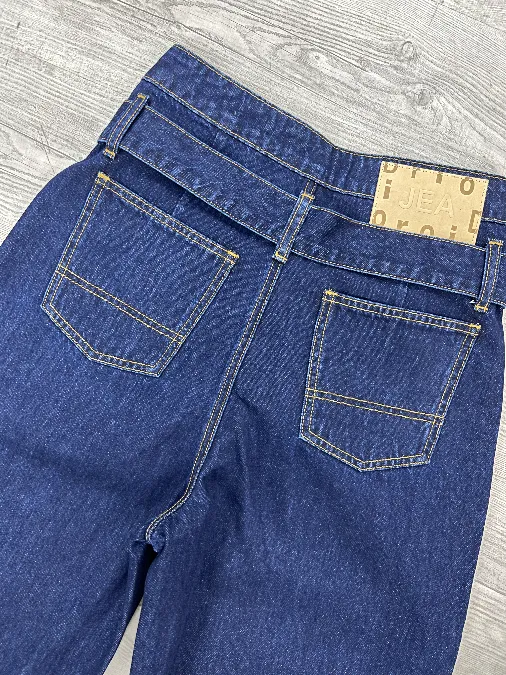
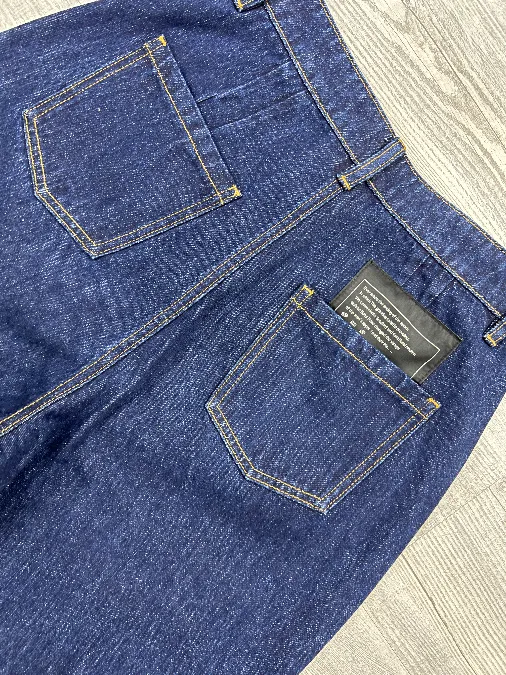
La finitura del denim può essere sostanzialmente classificata in due fasi principali: lavorazione a umido e lavorazione a secco. Entrambi hanno ruoli distinti nel raggiungimento della qualità dell'indumento desiderata.
Processo di denim bagnato
Il processo denim wet prevede l'utilizzo di acqua, prodotti chimici, enzimi, o azione meccanica per manipolare la struttura del tessuto, colore, e sensazione della mano. Solitamente viene eseguita dopo la cucitura dell'indumento ed è essenziale per:
- Sfumatura del colore e regolazione della tonalità
- Morbidezza del tessuto
- Stabilità dimensionale e controllo del ritiro
- Preparazione del capo per le successive lavorazioni di finissaggio
Processo di asciugatura del denim
Il processo denim dry si concentra sugli effetti visivi e superficiali applicati dopo il lavaggio a umido. Le tecniche includono l'abrasione, cordonatura, finitura laser, e applicazione della resina. La lavorazione a secco non altera la struttura fondamentale del tessuto ma esalta il fascino estetico del capo creando motivi, basettoni, o texture in difficoltà.
Tabella comparativa: Processo a umido o a secco
| Caratteristica | Processo di denim bagnato | Processo di asciugatura del denim |
|---|---|---|
| Scopo | Regola la struttura del tessuto, colore, e morbidezza | Crea effetti visivi e motivi di texture |
| Metodo | Acqua, prodotti chimici, enzimi, azione meccanica | Abrasione manuale/manuale, laser, resina, strumenti meccanici |
| Palcoscenico | Post-cucitura, prefinitura | Dopo il lavaggio e l'asciugatura a umido |
| Impatto visivo | Scolorimento uniforme, mano ammorbidita | Pieghe, basettoni, bordi in difficoltà, texture in rilievo |
| Impatto sul tessuto | Modifica le proprietà delle fibre, potenziale perdita di forza | Impatto minimo sulla resistenza del tessuto |
| Tecniche comuni | Lavaggio a pietra, lavaggio enzimatico, lavaggio con candeggina, risciacquo & pulito | Basettoni, macinazione, raschiamento a mano, angoscia laser, increspatura della resina |
Panoramica dei tipi di processi di lavaggio del denim
| Processo | Principio | Effetto visivo | Considerazioni chiave |
|---|---|---|---|
| Lavaggio in pietra | Burattatura con pietre pomice | Look vintage morbido con riflessi sbiaditi | Può indebolire il tessuto, variabilità del lotto, maggiore consumo di acqua |
| Lavaggio enzimatico | Utilizzo degli enzimi cellulasi | Liscio, sbiadimento controllato | Più ecologico delle pietre, necessita di un controllo preciso |
| Lavaggio acido | Pietre con sostanze chimiche ossidanti | Contrasto drammatico, colore alto-basso | Rischio di danni al tessuto, necessaria la manipolazione chimica |
| Leggero / Medio / Lavaggio scuro | Durata e forza chimica | Nel complesso, tonalità da chiara a scura | Bilancia colore e morbidezza, richiede il controllo di qualità |
| Lavaggio con candeggina | Agente ossidante chimico | Molto pallido, aspetto consumato | Elevato rischio di indebolimento e ingiallimento delle fibre |
| Risciacquo & Pulito | Semplice risciacquo con acqua | Quasi grezzo, sbiadimento minimo | Preserva la resistenza del tessuto, cambiamento visivo minimo |
| Sovratintura / Tinta | Applicazione del colorante post-lavaggio | Tonalità personalizzate uniche | Aggiunge flessibilità ma aumenta la complessità del processo |
Principali tipi di processi di denim bagnato
Lavaggio in pietra
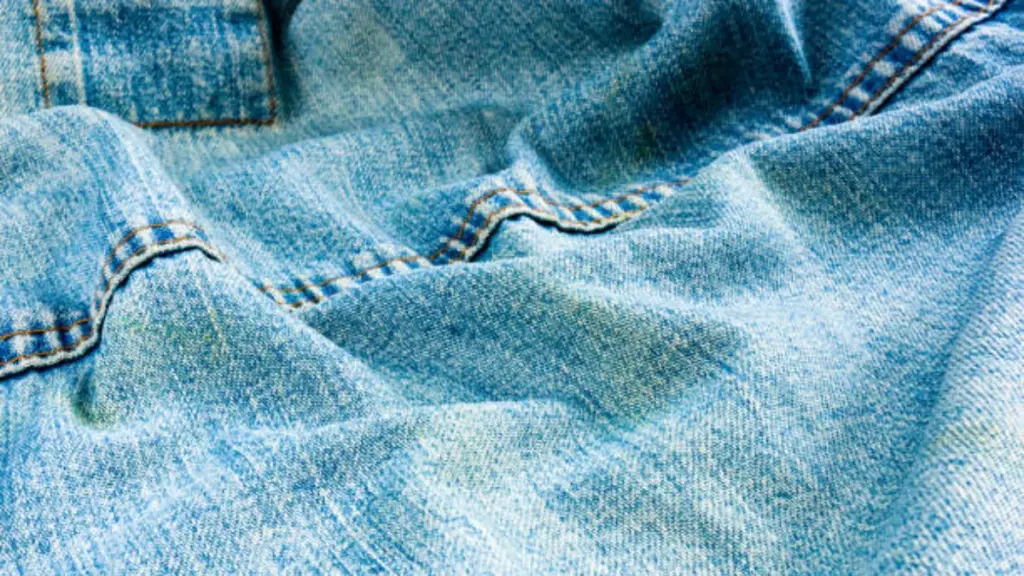
Il lavaggio con pietra è un tradizionale processo di lavaggio del denim in cui i capi vengono burattati con pietre pomice. L'attrito abrade le fibre superficiali tinte indaco, producendo un usurato, aspetto vintage. Questo processo ammorbidisce il denim e riduce la rigidità, dando una sensazione di mano confortevole. L'intensità del lavaggio può essere controllata dalla dimensione e dalla quantità di pietre, tempo di caduta, e velocità di rotazione meccanica, consentendo variazioni dalla leggera dissolvenza a pesanti effetti vintage.
| Pro | Contro |
|---|---|
| Crea naturale, sbiadimento morbido | Può indebolire le fibre del tessuto |
| Migliora il comfort dell'indumento | Possibile variazione da lotto a lotto |
Lavaggio enzimatico
Il lavaggio enzimatico utilizza enzimi cellulasi per scomporre selettivamente le fibre di cotone sulla superficie del denim. Questa reazione biochimica controllata rimuove l'indaco e crea modelli di scolorimento uniformi mantenendo la resistenza del tessuto. Il processo è più coerente del lavaggio con pietre e può essere gestito con precisione attraverso la concentrazione degli enzimi, temperatura, e durata. Spesso si preferisce che il denim premium ottenga uno sbiadimento riproducibile senza una significativa abrasione meccanica.
| Pro | Contro |
|---|---|
| Liscio, sbiadimento uniforme | Richiede un controllo preciso dell'attività enzimatica |
| Meno danni alle fibre rispetto allo stone wash | Costo di lavorazione leggermente più alto |
Lavaggio acido
Il lavaggio acido combina pietre pomice e sostanze chimiche ossidanti per rimuovere l'indaco e produrre sbiadimenti ad alto contrasto. La reazione chimica tra l'ossidante e l'indaco crea zone chiare e scure irregolari, dando al denim un tocco drammatico, aspetto retrò. Parametri di processo come la concentrazione chimica, tempo di esposizione, e il movimento della pietra sono attentamente controllati per ottenere effetti visivi coerenti riducendo al minimo i danni al tessuto.
| Pro | Contro |
|---|---|
| Distinto effetto ad alto contrasto | Rischio di indebolimento del tessuto |
| Guidato dalle tendenze, visivamente sorprendente | Richiede un'attenta manipolazione delle sostanze chimiche |
Leggero / Medio / Lavaggio scuro
Questi lavaggi regolano la profondità dello sbiadimento controllando la forza chimica, durata del lavaggio, e agitazione. Lavaggi leggeri produrre morbido, denim sbiadito, i lavaggi medi bilanciano il colore e la sensazione al tatto, e i lavaggi scuri mantengono l'indaco più profondo con uno sbiadimento minimo. Questo processo consente ai marchi di offrire gamme di stili diversi, dal denim vintage chiaro a quello scuro premium, mantenendo una qualità costante dei capi attraverso un attento controllo di qualità.
| Pro | Contro |
|---|---|
| Gamma versatile di tonalità | Richiede un controllo di qualità preciso per la coerenza |
| Bilancia colore e morbidezza | Tempo di elaborazione più lungo per l'uniformità |
Lavaggio con candeggina
Il lavaggio con candeggina applica ossidanti chimici per rimuovere il colore significativo dal denim, creando toni molto chiari ed estetica usurata. La concentrazione, esposizione, e il risciacquo sono attentamente monitorati per evitare danni eccessivi. È l'ideale per chi è alla moda, stili di denim chiaro ma devono essere controllati per mantenere l'integrità del tessuto.
| Pro | Contro |
|---|---|
| Crea drammatico, denim chiaro | Alto rischio di indebolimento delle fibre |
| Popolare per i design di tendenza | Può causare ingiallimento se non controllato |
Risciacquo & Pulito
Risciacquo & La pulizia è un processo a umido minimo per rimuovere l'amido, dimensionamento, e impurità superficiali senza alterare significativamente il colore. Ciò preserva l'estetica del denim quasi grezzo e mantiene la resistenza del tessuto, fornendo una pulizia, sensazione naturale della mano.
| Pro | Contro |
|---|---|
| Preserva la resistenza del tessuto | Effetto estetico limitato |
| Mantiene l'aspetto quasi grezzo | Non adatto per sbiadimenti pesanti |
Sovratintura / Lavaggio della tinta
Il lavaggio con sovratintura o tinta applica pigmenti aggiuntivi dopo il lavaggio di base per creare sfumature stagionali uniche. Questo metodo consente creatività, colori personalizzati e design alla moda mantenendo la qualità del tessuto.
| Pro | Contro |
|---|---|
| Opzioni di colore flessibili | Richiede un controllo preciso per la coerenza |
| Migliora l'attrattiva della moda | Aggiunge complessità e costi al processo |
Panoramica dei tipi di processi di asciugatura del denim
| Processo | Categoria | Principio | Effetto visivo | Metodo |
|---|---|---|---|---|
| Raschiare le mani / Levigatura manuale | Abrasione manuale | Carta vetrata applicata a mano sui jeans | Scolorimento naturale con profondità stratificata | Gli operatori qualificati abradono manualmente aree come le cosce, ginocchia, tasche |
| Lavaggio delle scimmie / Spray in PP | Abrasione manuale | Soluzione ad alto contenuto di manganese spruzzata sulle aree target | Più luminoso, sbiadimento più rapido | Combina la reazione chimica con il targeting manuale |
| Sabbiare | Abrasione manuale | Pistola ad aria compressa ad alta pressione con abrasivi | Robusto, aspetto molto usurato | In gran parte sostituito dal laser a causa dei rischi per la salute |
| Basettoni / Baffi | 3Trama D | Motivi di piega su fianchi e cosce | Pieghe naturali e linee sfumate | Modellazione manuale o laser |
| Rettifica / Distrutto | 3Trama D | Abrasione ai bordi e alle cuciture | Fori, sfilacciamento, bordi usurati | Rettifica a macchina o manuale |
| Resina / 3D Piega | 3Trama D | Applicazione della resina e impostazione ad alta temperatura | Pieghe permanenti con profondità tattile | Resina a spruzzo e termofissaggio |
| Tie Dye / Etichettatura | Modellazione | Legare o sospendere gli indumenti | Modelli di abrasione o tintura localizzati personalizzati | Manipolazione manuale e rifiniture chimiche |
Tipi comuni di processi di asciugatura del denim
Manuale / Abrasione meccanica
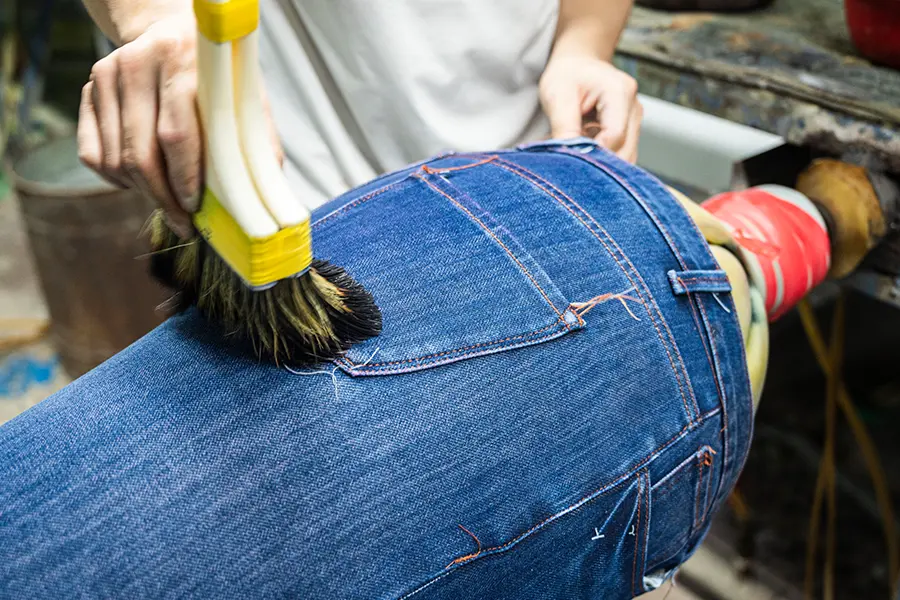
- Raschiare le mani / Levigatura manuale: I lavoratori utilizzano la carta vetrata per abradere manualmente aree come cosce e fianchi, creando sbiadimenti naturali con profondità stratificata. Questa tecnica premium enfatizza l'usura, aspetto vintage. La manodopera qualificata è essenziale per la coerenza, garantendo modelli di usura realistici e una sensazione di mano morbida.
- Lavaggio delle scimmie / Spray in PP: Una soluzione ad alto contenuto di manganese viene spruzzata su aree mirate, producendo brillante, sbiadimento rapido. Spesso combinato con la raschiatura manuale, questo metodo accelera la produzione ottenendo comunque effetti di luce controllati.
- Sabbiare: Sul tessuto viene applicata aria ad alta pressione miscelata con materiale abrasivo, producendo un robusto, aspetto molto usurato. A causa di rischi per la salute come la silicosi, molti marchi hanno vietato questo metodo, con i laser che lo sostituiscono gradualmente per sicurezza e precisione.
3Trama D & Distruzione
- Basettoni / Baffi: Crea motivi di pieghe su fianchi e cosce, simulando le pieghe naturali derivanti dall'uso prolungato. Può essere applicato manualmente o con il laser per ottenere texture e profondità 3D realistiche.
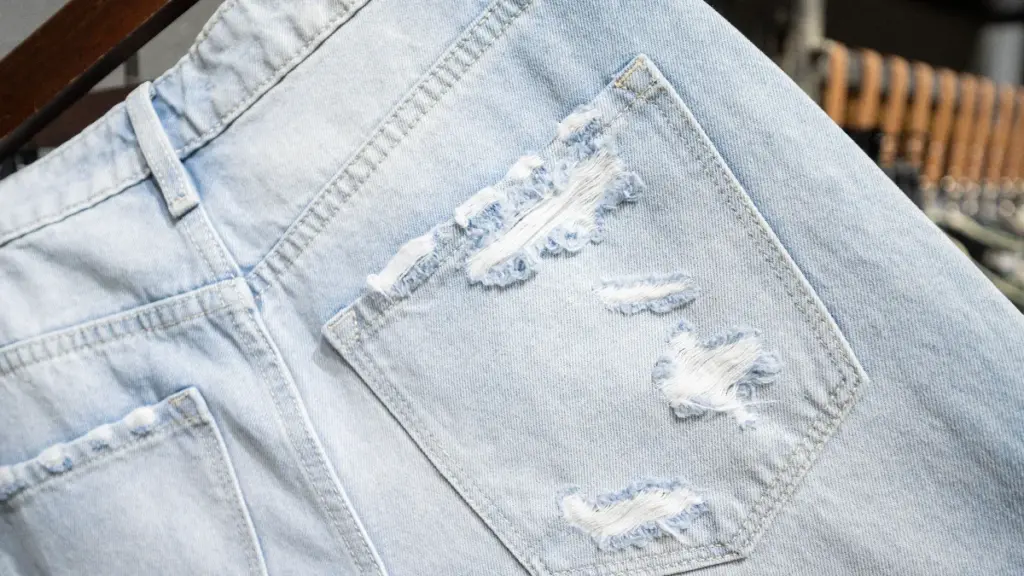
- Rettifica / Distrutto: Macchine o utensili manuali abradono bordi e cuciture, formando dei buchi, si sfilaccia, e zone usurate. Popolare negli stili streetwear, aggiunge un aspetto intenzionalmente angosciato.
- Resina / 3D Piega: La resina viene applicata su aree mirate e fissata a caldo per formare pieghe 3D permanenti. Migliora sia la profondità visiva che la consistenza tattile, creando caratteristiche di design durevoli.
- Tie Dye / Etichettatura: Gli indumenti vengono legati o sospesi e trattati con abrasione o tintura per produrre motivi localizzati. Aggiunge personalizzazione ed effetti artistici per pezzi unici, denim visivamente accattivante.
Denim personalizzato che dà vita al tuo marchio
La rivoluzione sostenibile nella lavorazione del denim
L’elefante nella stanza per quanto riguarda la lavorazione del denim è il suo impatto ambientale. Tradizionalmente, l’industria è ad alta intensità idrica e dipendente dai prodotti chimici. Tuttavia, è in corso un massiccio cambiamento tecnologico, muovendosi da “arte attraverso prodotti chimici” A “l'arte attraverso la tecnologia.”
1. Finitura laser
La tecnologia laser sta sostituendo la levigatura manuale, baffatura, e distruzione.
- Il vantaggio: Un laser può incidere un motivo vintage su un paio di jeans 90 secondi, un processo che richiede un essere umano 10-15 minuti. Elimina la polvere della levigatura e riduce notevolmente l'intensità della manodopera.
2. Lavaggio dell'ozono
Ozono (O3) il gas viene utilizzato per candeggiare il denim senza acqua.
- Il vantaggio: L'ozono attacca la molecola dell'indaco e poi si riconverte in ossigeno normale. Può togliere colore e pulire “retrocolorazione” (tasche sporche) con zero scarico d'acqua e zero residui chimici.
3. Nano-bolla (E-Flow) Tecnologia
Invece di riempire una lavatrice con migliaia di litri d’acqua, questa tecnologia crea un “nebbia” di nanobolle contenenti gli ammorbidenti chimici o le resine.
- Il vantaggio: Consente l'applicazione di prodotti chimici utilizzando una quantità minima di acqua (riducendo il consumo di acqua fino a 95%) e garantisce zero rifiuti chimici.
4. Pietre artificiali
Per sostituire la pietra pomice (che estraggono risorse naturali e creano fanghi), l’industria si sta muovendo verso eco-pietre abrasive sintetiche o sfere polimeriche riutilizzabili che abradono il denim senza disintegrarsi.
Scegliere il giusto processo Wet&Dry per la tua linea di denim
Selezionare la giusta combinazione di processi a umido e a secco è una decisione strategica che influisce direttamente sulla qualità del prodotto, costo, scalabilità, e l'accettazione del mercato. Quando si valutano le opzioni di finitura, i marchi dovrebbero concentrarsi sui seguenti fattori chiave:
- Mercato di riferimento e posizionamento
Premio, Il denim alla moda spesso richiede lavaggi enzimatici controllati e processi di asciugatura dettagliati come baffi o increspature della resina, mentre gli stili del mercato di massa danno priorità all’efficienza e alla durata. - Risultato visivo desiderato
L'aspetto finale conta. Uniforme, le dissolvenze pulite si basano maggiormente sui processi a umido, mentre vintage, logoro, o gli stili invecchiati dipendono fortemente dalle tecniche asciutte. - Tipo di tessuto e costruzione
Il denim più pesante tollera meglio i lavaggi aggressivi e le abrasioni rispetto ai tessuti leggeri o elasticizzati, che richiedono più delicatezza, processi più controllati. - Costo e scala di produzione
Combinazioni di processi complessi aumentano il costo unitario e i tempi di consegna. I marchi devono bilanciare gli obiettivi estetici con la fattibilità commerciale. - Coerenza e controllo di qualità
Alcuni processi, soprattutto tecniche manuali a secco, richiedono manodopera qualificata per garantire risultati ripetibili nella produzione di massa. - Sostenibilità e conformità
Utilizzo dell'acqua, impatto chimico, e la sicurezza dei lavoratori sono sempre più importanti. Lavaggi enzimatici, finitura laser, e le tecnologie dell’ozono aiutano i marchi a soddisfare le aspettative ambientali e normative.
Pensieri finali
Padroneggiare l’intricato equilibrio dei processi wet e dry del denim è essenziale, ma avere la giusta infrastruttura è ciò che trasforma quella conoscenza in profitto. Poiché il mercato richiede standard di sostenibilità più elevati e tempi di consegna più rapidi, affidarsi a metodi obsoleti non è più un’opzione. I tuoi macchinari devono essere avanzati quanto le tue tecniche.
A CHANGHONG, forniamo le soluzioni di lavaggio e tintura industriale necessarie per rimanere competitivi in questo panorama in evoluzione. Che tu stia aggiornando una singola macchina o pianificando una revisione completa dell'impianto, i nostri esperti sono qui per aiutarti a ottimizzare l’efficienza e la qualità.
Pronto a migliorare la tua linea di produzione di denim? Contattaci oggi per una consulenza professionale, oppure esplora la nostra gamma completa di macchinari per il finissaggio tessile per trovare la soluzione perfetta per la tua attività.