The custom denim industry is booming as consumers increasingly demand personalized, high-quality jeans. Made-to-measure fits, unique washes, and premium fabrics are redefining how people shop for denim, with brands responding to this growing niche with innovative offerings.
In 2026, retail prices for custom jeans typically range from $120 to $450+ per pair, while manufacturing costs for brands can vary between $7 and $45 per pair, depending on fabric choice, wash complexity, and order size.
In the following sections, we break down the key factors, pricing tiers, and tips for sourcing custom jeans efficiently.
Custom Jeans Price Overview: What You Can Expect to Pay in 2026
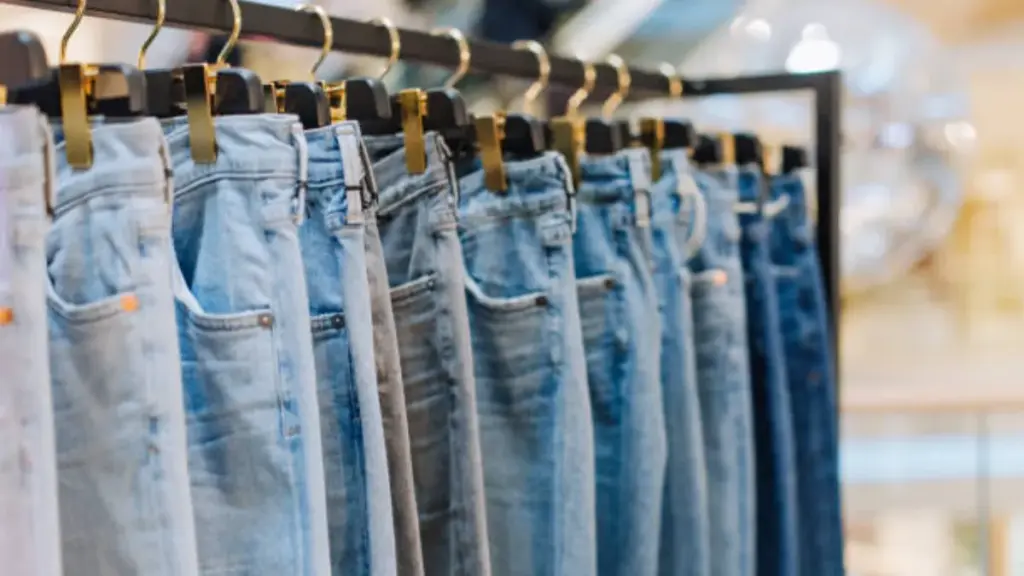
Custom jeans pricing can be broadly categorized into three main groups: retail consumer pricing, small-batch brand production, and large-scale OEM/ODM manufacturing.
Retail Tailor-Made Jeans (B2C)
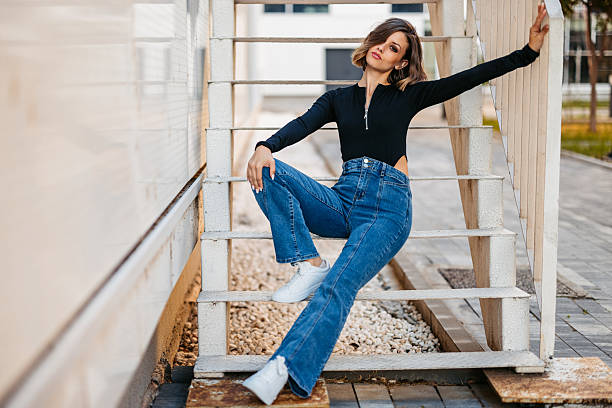
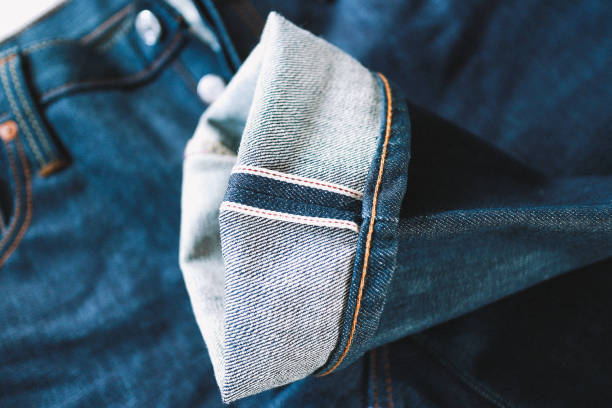
Tailor-made jeans for consumers typically cost $120–$450 per pair. These include measurement-based bespoke jeans, handcrafted washes, and high-quality materials such as ring-spun cotton, premium denim, or selvedge. Brands like Nudie Jeans, Levi’s Tailor Shop, and online ateliers fall into this category. The price includes labor-intensive pattern drafting, fitting sessions, and detailed finishing.
Small-Batch Brand Production (50–500 pcs)
Small brands launching capsule collections or Kickstarter campaigns typically pay $18–$45 per pair in production cost. This includes the fabric, labor, trims, and washes for relatively simple designs. These small-batch producers often rely on specialized factories with low minimum order quantities (MOQs) to accommodate experimental or niche styles.
Large-Scale OEM/ODM Production (500–10,000+ pcs)
Factories producing high-volume jeans for established brands can offer $7–$25 per pair, depending on fabric quality, wash processes, and additional features. Production scale significantly lowers the unit cost through fabric bulk purchase, efficient line utilization, and in-house washing capabilities.
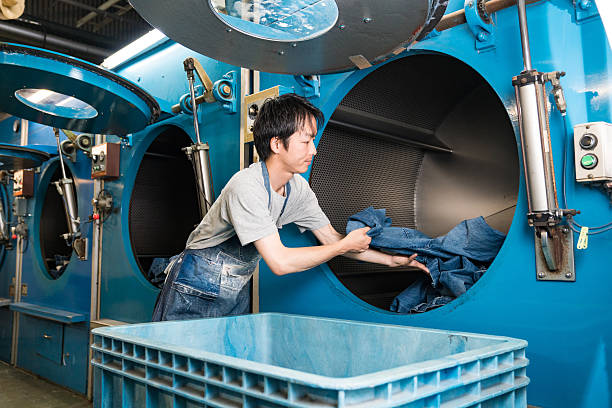
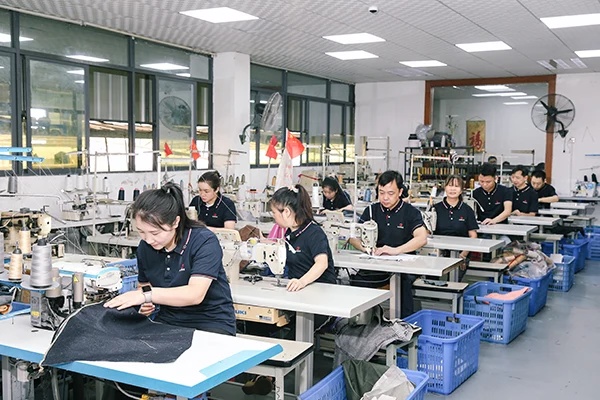
At Guangzhou Changhong Garment Co., Ltd., we provide fast sample development, in-house wash services, and high monthly production capacity. Our factory is equipped with 12 professional production lines and over 300 modern sewing machines, allowing us to efficiently handle both small-batch and large-volume orders. By managing every step of the process—from fabric sourcing and pattern development to washing, finishing, and packaging—we ensure high-quality custom jeans with consistent standards, quick turnaround, and the flexibility to meet the specific needs of each brand or designer.
What Determines the Cost of Custom Jeans?
Custom jeans pricing is determined by a combination of fabric, wash and finishing, labor, trims, pattern complexity, and order volume. Each factor directly impacts both manufacturing cost and retail price.
1. Fabric Type & Weight
Fabric is the largest component, often accounting for 40–60% of total cost. Higher-quality denim is stronger, more durable, and can be softer or heavier depending on the weave and fiber.
| Fabric Type | Description | Fabric Cost (USD/meter) | Cost per Pair (USD) |
|---|---|---|---|
| 10–11 oz Cotton | Standard denim | $1.8–$2.5 | $2.2–$3.5 |
| 12–13 oz Ring-Spun | Durable mid-range | $2.5–$3.8 | $3.5–$5.5 |
| 12–14 oz Premium Selvedge | High-end, durable | $3.8–$6.5 | $5.5–$9 |
| Stretch Denim (2–4% Spandex) | Adds flexibility | $3.2–$6 | $4–$8.5 |
| Modal / Tencel Blends | Premium soft touch | $4.5–$7 | $6.5–$10 |
2. Wash and Finishing
Washing techniques greatly influence cost because they require additional labor, water, energy, and specialized equipment.
| Wash Type | Description | Additional Cost (USD/pair) |
|---|---|---|
| Rinse or Basic Enzyme | Minimal processing | $0.50–$1 |
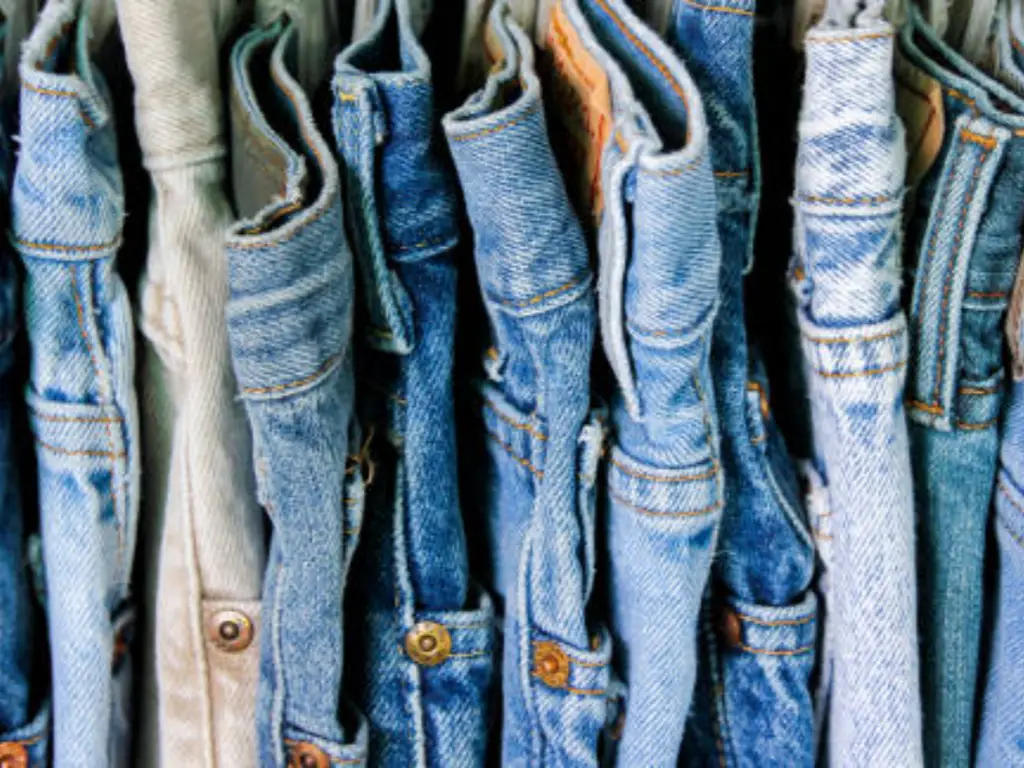
| Stone Wash / Sand Wash | Traditional fashion wash | $1.5–$3 |
| Laser Whiskers / Distressing | Hand or machine detail | $3–$8 |
| Multi-Step Vintage / Eco-Friendly | High-end aesthetic or sustainable wash | $5–$12 |
3. Labor and Pattern Complexity
Labor depends on fit complexity and sewing time. Basic straight-leg jeans take 25–35 minutes, while multi-panel cargo, patchwork, or heavily detailed designs can take 60–120 minutes. Skilled labor commands higher rates in both domestic and international production.
4. Trims & Accessories
Buttons, rivets, zippers, leather patches, and labels vary widely in cost. Standard hardware costs $0.50–$2 per piece, while custom branded buttons or plated hardware can add $3–$5.
5. Order Quantity / Minimum Order
Higher order volumes reduce cost per unit through fabric bulk pricing and efficient line utilization. Factories like Changhong Jeans can produce small batches starting at 50 pieces, but cost decreases noticeably after 200–500 pcs.
Scale Your Denim Line with Changhong Garment
Partner with a flexible OEM/ODM denim manufacturer offering fast sampling, competitive pricing, and a broad range of men’s and women’s styles. Whether you’re a startup or established brand, tap into trend-led collections, private label services, and sustainable fabric options—all compliant with EU and US standards.
Custom Jeans Price Comparison by Tier: Low-End, Mid-Range, and Premium Options
Breaking prices into tiers helps brands and consumers understand expectations.
B2C Tailor-Made Jeans
| Tier | Price (USD) | Features | Typical Fabrics | Customization Level | Lead Time | Brand Examples |
|---|---|---|---|---|---|---|
| Entry | 120–180 | Standard denim, basic rinse, machine-made | 10–11 oz cotton | Low | 2–3 weeks | H&M, Uniqlo |
| Mid-Range | 180–280 | Higher-quality fabric, multiple wash options, better fitting | 12–13 oz ring-spun, stretch blends | Medium | 3–5 weeks | Levi’s, Nudie Jeans |
| Premium / Bespoke | 280–450+ | Selvedge denim, hand-finished, individual pattern drafting | 12–14 oz selvedge, Tencel blends | High | 4–8 weeks | Rogue Territory, Atelier & Repairs |
Brand Manufacturing (OEM/ODM)
| Tier | Manufacturing Cost (USD/pair) | Suitable For | Typical Fabrics | Customization Level | Lead Time | Brand Examples |
|---|---|---|---|---|---|---|
| Entry | 7–15 | Basic jeans, high-volume mass production | 10–11 oz cotton | Low | 2–3 weeks | Generic mass-market brands |
| Mid-Range | 15–25 | Small fashion brands, e-commerce collections | 12–13 oz ring-spun, stretch blends | Medium | 3–5 weeks | Levi’s small batches, Nudie Jeans small collections |
| Premium | 25–45 | Boutique or premium selvedge jeans, complex washes | 12–14 oz selvedge, Tencel blends | High | 4–8 weeks | Rogue Territory, Atelier & Repairs |
Note: All price ranges and lead times listed in this article are indicative and based on industry averages. Actual costs, fabrics, and production timelines may vary depending on specific designs, materials, quantities, and factory conditions. For precise quotations, please contact Guangzhou Changhong Garment Co., Ltd. directly.
Where to Buy Custom Jeans?
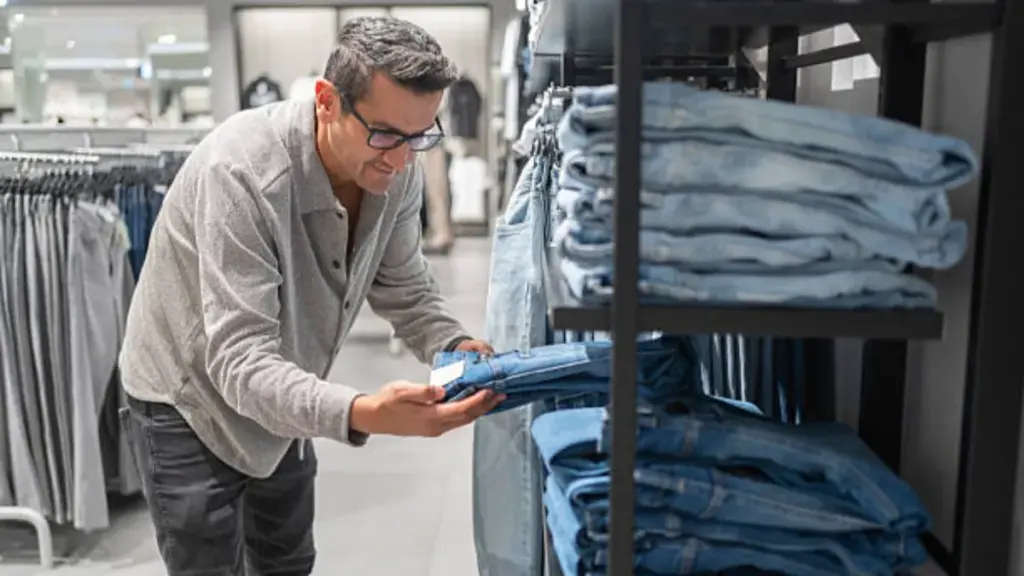
Finding the right source for custom jeans depends on whether you are a consumer seeking a perfect fit or a brand looking for reliable production. Options range from individual bespoke services to professional factories that can handle large-scale or specialized orders.
1. Consumers (B2C)
For individuals, tailor-made jeans are available through:
- Online made-to-measure platforms – These services guide customers through body measurements, fabric selection, wash options, and sometimes offer personalized embroidery or monogramming.
- Local bespoke denim ateliers – Small workshops that craft jeans with precision fittings and limited edition washes.
- Premium denim boutiques – Stores offering curated selections of customized jeans with high-quality materials and finishes.
These options provide personalized fits and unique designs, allowing consumers to achieve a level of comfort and style that off-the-rack jeans cannot offer.
2. Brands & Startups (B2B)
For fashion brands, small businesses, or e-commerce startups, partnering with specialized denim factories ensures high-quality production:
- Sample development – Rapid prototyping, typically 3–7 days for samples, enabling faster collection launches.
- Pattern drafting and fabric sourcing – Professional guidance to choose fabrics, trims, and washes suited for your target market.
- In-house washing and finishing – Factories provide enzyme washes, laser whiskers, ozone treatments, and other finishing options.
- Full QC and testing – Ensuring consistency, fit, and durability across every piece.
At Guangzhou Changhong Garment Co., Ltd., we operate 12 advanced production lines with a monthly capacity of 200k–300k pieces, producing 300–500 new styles each month. Our eco-friendly wash technologies and flexible MOQs (starting at 50 pieces) allow us to support small brands, e-commerce collections, and premium lines simultaneously. Fast sample turnaround and full customization options make it easier for brands to launch collections quickly while maintaining high quality standards.
Practical Tips for Buyers and Startups Sourcing Custom Denim Jeans
When selecting a custom denim jeans supplier, prioritize transparency in pricing and a proven track record with brands of your scale. Negotiate sampling costs and MOQs upfront; flexible OEM/ODM partners often offer lower minimums for initial orders to help startups validate the market. Crucially, always verify that the manufacturer’s production standards and materials comply with the regulatory requirements of your target market, such as REACH for the EU or CPSIA for the US, to avoid unexpected costs or delays.
Choosing the Right Fabric and Customization Level
Selecting the appropriate fabric and customization level is crucial for balancing cost, quality, and market appeal. Premium brands often use Japanese selvedge denim for durability and exclusivity, while startups can choose high-quality mid-weight denim and invest in unique washes or hardware to enhance value. Digital tools like virtual fittings and online customization platforms help customers visualize choices, reduce returns, and save post-production costs. This approach also provides brands with insights into consumer preferences, supporting future product development and improving overall ROI for custom denim collections.
Navigating MOQ and Supplier Selection
Startups should communicate budgets clearly and request production samples to verify fit, fabric, and construction. Transparent suppliers provide detailed pricing for fabric, trims, labor, and finishing, preventing unexpected costs. Compliance with international standards such as REACH and CPSIA is essential for shipping to EU and US markets. Selecting a partner who balances flexible MOQs, pricing transparency, and certifications ensures smooth production and reduces risks, helping brands scale efficiently without compromising quality or market credibility.
Managing Lead Times and Additional Costs
Effective lead time management avoids costly delays. Build 1–2 week buffers into 4–8 week production timelines to account for fabric sourcing, factory scheduling, or shipping issues. Track key milestones, including cutting, washing, and final inspection, to maintain control over the production process. Budget for unforeseen costs, typically 5–10% of the order, such as remakes or local alterations. Working with an experienced, transparent manufacturer ensures potential delays are flagged early, costs are clear, and quality standards are maintained, protecting both your schedule and budget while supporting successful product launches.
FAQs
1. Is starting a denim brand expensive?
A capsule collection of 50–100 pairs can start with $1,500–$3,000 including fabric, trims, and production.
2. Are custom jeans higher quality than mass-produced jeans?
Yes. Custom jeans use precise patterning, premium fabrics, and skilled sewing, leading to better fit and durability.
3. Why do bespoke jeans cost so much?
Every pair is individually measured, drafted, and hand-finished, increasing labor hours per unit.
4. What is the ideal denim weight?
12–14 oz balances durability, comfort, and versatility for most applications.
5. What is the typical retail price for premium brands?
Most premium jeans retail $99–$250, while luxury or bespoke options exceed $300–$600+.
Final Thoughts
Strategic sourcing and careful supplier selection become critical for both startups and established brands seeking to optimize quality while managing costs effectively. Looking forward, sustainability initiatives and advanced digital tools continue to shape the industry, offering enhanced value that extends well beyond the initial price point alone.
Explore your options and partner with experienced denim jeans manufacturers to bring your custom denim vision to life with competitive pricing and expert support.