चीन में कस्टम जीन्स विनिर्माण को नेविगेट करने के लिए सत्यापित उत्पादन भागीदारों को अप्रमाणित बिचौलियों से अलग करने की आवश्यकता है जो लागत बढ़ाते हैं और ऑडिट विफलताओं को छिपाते हैं. असत्यापित सुविधा पर भरोसा करने से गंभीर मार्जिन क्षरण का जोखिम होता है, विफल अनुपालन जाँच, और आपके थोक शिपमेंट में भयावह देरी.
यह विश्लेषण एक स्केलेबल फ़ैक्टरी भागीदार को सुरक्षित करने में आपकी सहायता के लिए आपूर्ति श्रृंखला एकीकरण और स्तरीय उत्पादन मात्रा का मूल्यांकन करता है. हम 50-पीस सैंपल रन से लेकर विशाल हब मंथन तक की क्षमताओं को बेंचमार्क करते हैं 2.5 प्रतिदिन मिलियन यूनिट, कुल उत्पादन लागत में कटौती करने के लिए बीएससीआई प्रमाणपत्रों को सत्यापित करने और सख्त AQL मानकों को लागू करने का सटीक विवरण दिया गया है 30 प्रतिशत.
जींस निर्माता चुनते समय मुख्य कारक
सही जीन्स निर्माता ढूँढने का अर्थ है उत्पादन क्षमता को संतुलित करना, सख्त गुणवत्ता नियंत्रण, और अनुकूलन क्षमताएं यह सुनिश्चित करने के लिए कि वे सीधे आपके ब्रांड के अनुरूप हों.
उत्पादन क्षमता और नेतृत्व समय
निर्माता की उत्पादन क्षमता का पहले से आकलन करें. आपको एक ऐसे भागीदार की आवश्यकता है जो सीधे आपके बढ़ते ब्रांड के साथ-साथ आपकी वर्तमान मांग और पैमाने को पूरा कर सके.
| निर्माता स्तर | उत्पादन की मात्रा | प्रमुख क्षमताएं |
|---|---|---|
| छोटा बैच | 50-150 टुकड़े/ऑर्डर | तेजी से नमूनाकरण, डिज़ाइन परीक्षण के लिए आदर्श |
| मध्यम पैमाने | 300-1,000 टुकड़े/डिज़ाइन | उन्नत कट & सिलना, तेजी से पुनः स्टॉक |
| बड़ा निर्यात | 500-3,000+ टुकड़े (MOQ) | लेजर धुलाई, टिकाऊ डेनिम विकल्प |
कच्चे उत्पादन से परे, उनकी संचार गति का मूल्यांकन करें. त्वरित प्रतिक्रियाएँ विश्वसनीय के साथ दृढ़ता से संबंधित होती हैं, समय पर डिलीवरी. यदि कोई फ़ैक्टरी उद्धरण चरण के दौरान ईमेल उत्तर देने में देरी करती है, वे संभवतः आपके थोक शिपमेंट में देरी करेंगे.
गुणवत्ता नियंत्रण और प्रमाणन
सिलाई और धुलाई की गुणवत्ता प्रीमियम जींस को सामान्य उत्पादों से अलग करती है. सुनिश्चित करें कि फ़ैक्टरी आपके ब्रांड की स्थिति और संग्रह सौंदर्यशास्त्र को समझती है ताकि सही लॉन्ड्रिंग और फिनिशिंग की गारंटी दी जा सके.
- सिलाई की गुणवत्ता: सम टाँके खोजें, तनाव बिंदुओं पर मजबूत बारटैक, प्रबलित सीम, और स्वच्छ मक्खी निर्माण.
- धोने की क्षमता: पत्थर मारने की उनकी क्षमता की जांच करें, एंजाइम, अम्ल, बढ़िया शराब, और व्यथित समापन, कच्चे डेनिम और काले ओवरडाइड विकल्पों के साथ.
- पारदर्शी क्यूसी प्रक्रियाएं: विस्तृत गुणवत्ता नियंत्रण दस्तावेज़ का अनुरोध करें और निर्माता से सिलाई और फ़ैक्टरी वीडियो के लिए पूछें.
- रंग स्थिरता का आकलन: डाई को फीका पड़ने से बचाने और जींस की सुंदरता और कार्यात्मक स्थायित्व को बनाए रखने के लिए सख्त परीक्षण की आवश्यकता है.
अनुकूलन और OEM/ODM क्षमता
कस्टम ब्रांडिंग आपके डेनिम को भीड़ भरे बाजार में अलग करती है. पहले से ही पारदर्शी मूल्य निर्धारण का अनुरोध करें जो कपड़े की लागत को अलग कर दे, सिलाई, धोना, ट्रिम्स, लेबल, और पैकेजिंग.
- डिज़ाइन की बहुमुखी प्रतिभा: मौसमी रुझानों के अनुकूल ढलने की उनकी क्षमता का आकलन करें, जैसे कि बोल्ड वॉश और डिस्ट्रेस्ड स्टाइल की भविष्यवाणी की गई थी 2026.
- पोस्ट-प्रोडक्शन सेवाएँ: पैकेजिंग अनुकूलन की पेशकश करने वाले साझेदारों की तलाश करें, कस्टम लेबलिंग, और अपनी आपूर्ति श्रृंखला को सुव्यवस्थित करने के लिए लॉजिस्टिक्स सहायता लौटाएँ.
- प्रौद्योगिकी अपनाना: स्वचालित सिलाई प्रणालियों और एआई-संचालित डिज़ाइन सॉफ़्टवेयर का लाभ उठाने वाले निर्माताओं के साथ भागीदार बनें. ये उपकरण उत्पादन समयसीमा को कम करते हैं और सटीकता बढ़ाते हैं.
- नमूना बदलाव: सभी स्तरों पर नमूनाकरण गति की तुलना करें. छोटे बैच के ओईएम निर्माता आमतौर पर थोक उत्पादन करने से पहले जटिल कस्टम ऑर्डर के लिए तेज़ नमूनाकरण प्रदान करते हैं.
नमूनाकरण और उत्पाद विकास प्रक्रिया
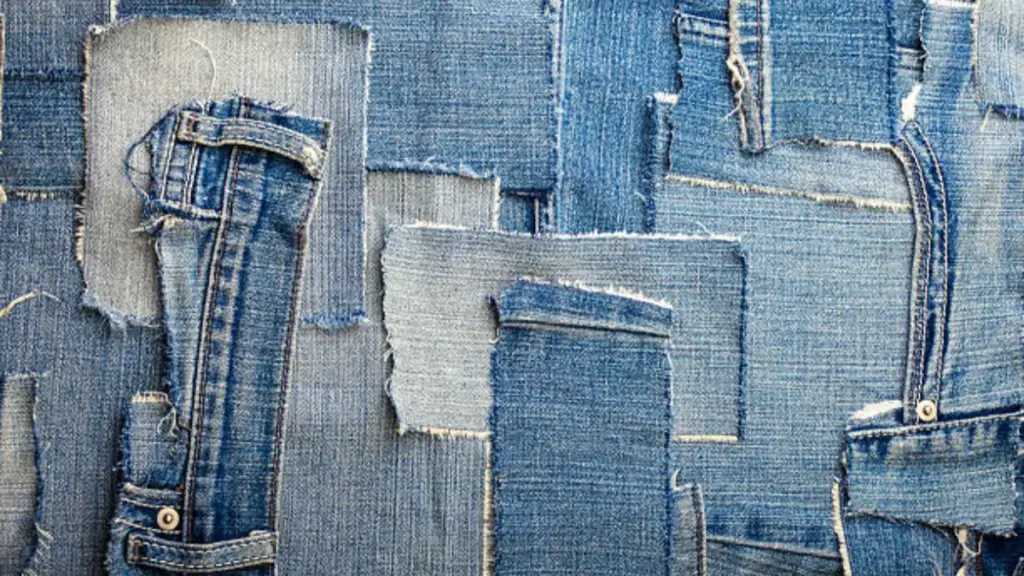
नमूनाकरण स्केलिंग से पहले विशिष्टताओं को लॉक करने के लिए एक सख्त प्रणाली के रूप में कार्य करता है, सटीक समयसीमा की मांग, एकाधिक पुनरावृत्तियाँ, और कठोर गुणवत्ता चौकियाँ.
नमूना विकास समयरेखा और पुनरावृत्तियाँ
नमूना विकास में दो से तीन सप्ताह लगते हैं. कारखानों में कटौती, सिलना, और वास्तविक उत्पादन सामग्री और ट्रिम्स का उपयोग करके इन प्रारंभिक टुकड़ों को समाप्त करें. रंग सटीकता का सटीक आकलन करने के लिए डिजाइनर तस्वीरों पर भरोसा करने के बजाय व्यक्तिगत रूप से इन नमूनों का मूल्यांकन करते हैं, बनावट, और फिट.
परिधान को परिष्कृत करने के लिए परियोजनाएं एक संरचित प्रगति का अनुसरण करती हैं:
- पहला नमूना: संरचना और फिट का परीक्षण करता है.
- दूसरा नमूना: कपड़े और धुलाई मापदंडों को समायोजित करता है.
- तीसरा नमूना: थोक विनिर्माण के लिए विवरण की पुष्टि करता है.
- पूर्व-उत्पादन नमूने: थोक कपड़े का प्रयोग करें, ट्रिम्स, धोने के तरीके, और बड़े पैमाने पर कटाई शुरू होने से पहले अंतिम सत्यापन चरण के रूप में वर्कफ़्लो.
स्ट्रेच डेनिम, प्लस साइज जींस, और जटिल धुलाई के लिए पैटर्न चर को अंतिम रूप देने के लिए नमूने के कम से कम तीन दौर की आवश्यकता होती है.
गुणवत्ता जांच बिंदु और थोक उत्पादन परिवर्तन
नमूनाकरण चरण महत्वपूर्ण विशिष्टताओं को लॉक कर देता है, पैटर्न लॉजिक ग्रेडिंग नियम सहित, कपड़े धोने के बाद का व्यवहार, सिलाई का तनाव, और माप सहनशीलता. विनिर्माण कार्यप्रवाह प्रारंभिक प्रोटोटाइप निर्माण से लेकर प्रति नमूना शोधन तक क्रमिक रूप से आगे बढ़ता है, थोक विनिर्माण अनुमोदन में परिणति.
- धोने से पहले जांचें: गुणवत्ता नियंत्रण दल पहले सिलाई दोषों की तलाश करते हैं डेनिम वॉशिंग.
- धोने के बाद का सत्यापन: टीमें छाया की स्थिरता और सिकुड़न का मूल्यांकन करती हैं.
- परिशुद्धता काटने में अंतर: नमूनाकरण सुविधाएं उच्च परिशुद्धता के लिए कपड़े को एक समय में एक टुकड़ा काटती हैं. थोक उत्पादन में कई परतें होती हैं, काटने का दबाव बढ़ रहा है और संरेखण जोखिम बढ़ रहे हैं.
धुलाई के बाद माप में बदलाव को रोकने के लिए कारखानों में बड़े पैमाने पर काटने से पहले उचित फैब्रिक विश्राम समय अनिवार्य होता है. हाई-स्ट्रेच या हल्के डेनिम के लिए यह कदम एक सख्त आवश्यकता बनी हुई है.
प्रीमियम कस्टम डेनिम के साथ अपने ब्रांड को ऊपर उठाएं
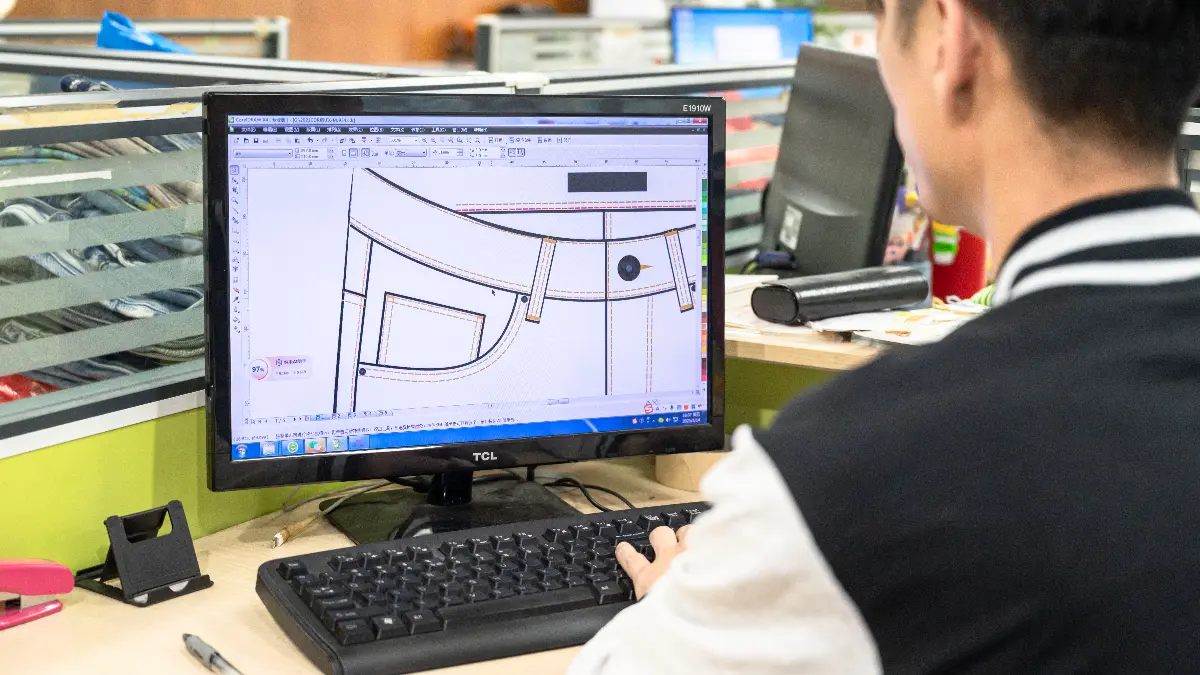
विनिर्माण संरचना और स्थान आपकी लागत और गुणवत्ता को क्यों प्रभावित करते हैं?
एकीकृत आपूर्ति श्रृंखला और रणनीतिक विनिर्माण केंद्र उत्पादन लागत में कटौती करते हैं 30%, लीड समय कम करें, और इसके लिए सख्त गुणवत्ता नियंत्रण बनाए रखें कस्टम जीन्स.
जीन्स उत्पादन में कार्यक्षेत्र एकीकरण
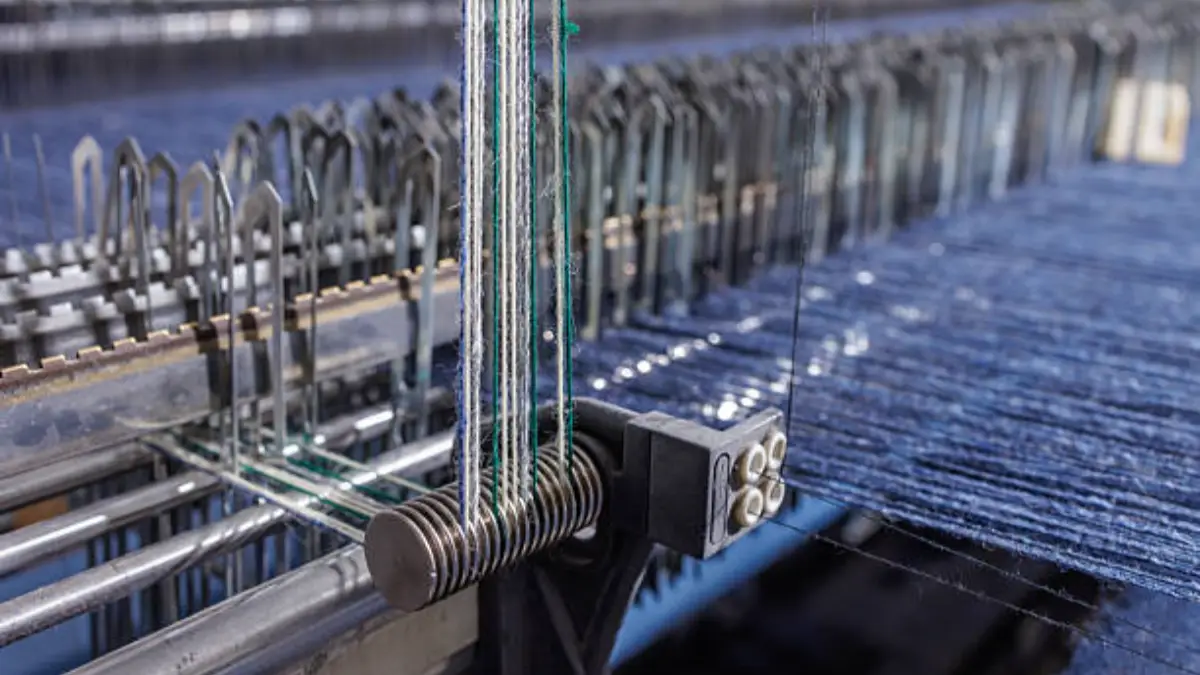
एकीकृत विनिर्माण सेटअप संपूर्ण उत्पादन चक्र को नियंत्रित करते हैं, कपास की सोर्सिंग और कपड़े की बुनाई से लेकर कटाई और धुलाई तक सब कुछ संभालना. फैक्ट्री मालिक आयात निर्भरता को खत्म करने और खर्चों को कम करने के लिए इस एंड-टू-एंड नियंत्रण का लाभ उठाते हैं.
- लागत और गति: न्यूनतम आयात से कुल लागत कम हो जाती है 20% को 30% और खरीद चक्र को केवल तीन से पांच दिनों तक छोटा करें.
- कपड़े की स्थिरता: फैब्रिक का हिसाब इससे भी अधिक है 50% कुल विनिर्माण लागत का. एकीकृत श्रृंखलाएं डाई लॉट स्थिरता को सुरक्षित करने और जोखिम भरी आपूर्ति में देरी से बचने के लिए अपस्ट्रीम यार्न मिश्रण का उपयोग करती हैं.
- सामग्री उपज: स्वचालित कटिंग प्रणालियाँ कपड़े की उपज को बढ़ाती हैं 85% और सहायक उपकरण की लागत में कटौती करें 12% को 18%.
यह सुव्यवस्थित संरचना संभालती है छोटे-बैच कस्टम ऑर्डर एक्स-फैक्ट्री कीमतों को असाधारण रूप से कम रखते हुए आसानी से 100-पीस न्यूनतम के साथ.
पारंपरिक सोर्सिंग बनाम. Xintang डायरेक्ट-टू-फ़ैक्टरी मॉडल
जिंटांग मंथन करता है 2.5 के घने नेटवर्क के माध्यम से प्रतिदिन लाखों जोड़ी जीन्स 2,600 कारखाने. यह विशाल पैमाना एक अत्यधिक कुशल पारिस्थितिकी तंत्र बनाता है जो पश्चिमी उत्पादन केंद्रों की तुलना में गहरी बचत उत्पन्न करता है.
निम्नलिखित तालिका बेंचमार्क करती है कि कैसे एक एकीकृत पारिस्थितिकी तंत्र लागत और गति दोनों में पारंपरिक ट्रेडिंग मॉडल से बेहतर प्रदर्शन करता है:
| लागत & प्रदर्शन मेट्रिक्स | पारंपरिक ट्रेडिंग मॉडल | Xintang एकीकृत मॉडल |
|---|---|---|
| कपड़े की खरीद | 7-14 दिन (बाहरी सोर्सिंग) | 3-5 दिन (इन-हाउस/स्थानीय) |
| कच्चे माल की लागत | बाजार कीमत + बिचौलिया मार्कअप | प्रत्यक्ष स्थानीय सोर्सिंग ($5-$8/यार्ड) |
| कपड़े की उपज (क्षमता) | 75%-78% (मैनुअल कटिंग) | 85%+ (एआई-स्वचालित सिस्टम) |
| फ़ैक्टरी ओवरहेड | 15%-20% | पर रोका गया 8% (स्केल अर्थशास्त्र) |
| थोक छूट | मानक मूल्य निर्धारण | 10%-15% अतिरिक्त छूट |
| कुल लागत बचत | 0% (बेंचमार्क) | तक 30% कमी |
वैश्विक खरीदारों के लिए संचार और समर्थन
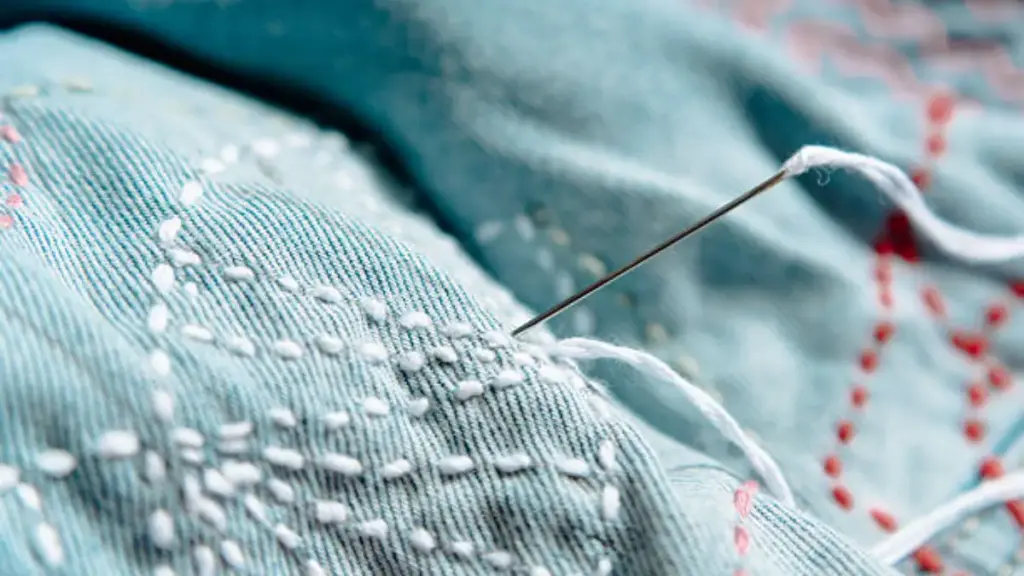
स्पष्ट संचार और सख्त गुणवत्ता आश्वासन महंगी उत्पादन त्रुटियों को रोकता है. वैश्विक खरीदार विस्तृत तकनीकी पैक प्रदान करके और पारदर्शी की मांग करके सफल होते हैं, आपूर्तिकर्ताओं से तीव्र प्रतिक्रियाएँ.
उत्पादन के लिए मुख्य संचार प्रथाएँ
एक सफल प्रोडक्शन रन स्पष्ट दस्तावेज़ीकरण के साथ शुरू होता है. सटीक प्रतिकृति की गारंटी के लिए आपको अपने निर्माता को विस्तृत तकनीकी पैक की आपूर्ति करने की आवश्यकता है. आपके तकनीकी दस्तावेज़ शामिल होने चाहिए:
- कपड़े का प्रकार: सटीक बुनाई और खिंचाव गुण.
- रचना प्रतिशत: कपास का टूटना, पॉलिएस्टर, और इलास्टेन.
- वजन और चौड़ाई: विशिष्ट जीएसएम/ओज़ और रोल चौड़ाई.
- पैनटोन शेड नंबर: रंगाई के लिए सटीक रंग कोड.
सामग्री से परे, स्पष्ट उत्पादन कार्यक्रम स्थापित करें और अनुकूलन विवरण पिन करें. सटीक सिल्हूट निर्दिष्ट करें, हार्डवेयर खत्म, और पॉकेट डिज़ाइन जो आपके ब्रांड की पहचान के अनुकूल हों. जैसा कि आप योजना बनाते हैं 2026 उत्पादन चलता है, यथार्थवादी बातचीत पर ध्यान दें न्यूनतम आदेश मात्रा (MOQs). थोक विनिर्माण के लिए प्रतिबद्ध होने से पहले फिट और निर्माण गुणवत्ता को सत्यापित करने के लिए हमेशा प्रारंभिक प्रोटोटाइप का अनुरोध करें.
समर्थन तंत्र और गुणवत्ता आश्वासन
आप गुणवत्ता को भरोसे पर नहीं छोड़ सकते. AQL मानकों को लागू करके सख्त गुणवत्ता नियंत्रण अपेक्षाओं को शीघ्र परिभाषित करें. आपको तीन महत्वपूर्ण निरीक्षण चरणों में कपड़े की संरचना और सीम की ताकत को सत्यापित करने की आवश्यकता है:
- पूर्व-उत्पादन: कटाई शुरू होने से पहले कच्चे माल का सत्यापन करना.
- मध्य रेखा: सिलाई और सहनशीलता त्रुटियों के लिए सक्रिय असेंबली की जाँच करना.
- अंतिम चरण: पैकेजिंग से पहले तैयार कपड़ों को मंजूरी देना.
पूरे विनिर्माण चक्र के दौरान नियमित नमूना समीक्षा और प्रगति जांच बिंदुओं को शेड्यूल करें. यह आपको डिज़ाइन सटीकता बनाए रखने में मदद करता है और परेशानी या रंग में किसी भी अवांछित बदलाव को तुरंत संबोधित करता है. अपने विनिर्माण भागीदार का चयन करते समय, उन आपूर्तिकर्ताओं को प्राथमिकता दें जो अपने नैतिक श्रम मानकों और टिकाऊ पर्यावरणीय प्रथाओं के संबंध में तेजी से प्रतिक्रिया समय और पारदर्शी संचार प्रदान करते हैं.
किसी निर्माता के साथ काम करने से पहले अंतिम चेकलिस्ट
थोक उत्पादन को हरी झंडी देने से पहले तकनीकी पैक और MOQ से लेकर वॉश स्थिरता और AQL मानकों तक हर विवरण को लॉक कर दें।. यह जोखिम को कम करता है और सटीक फ़ैक्टरी निष्पादन सुनिश्चित करता है.
| सत्यापन श्रेणी | अनिवार्य जांच चौकियां | लाल झंडों से बचना चाहिए |
|---|---|---|
| टेक पैक ब्लूप्रिंट | आगे/पीछे के फ्लैट, सटीक जीएसएम, पैनटोन® शेड कोड, और हार्डवेयर ट्रिम विशिष्टताएँ. | जैसे अस्पष्ट विवरण “गहरा नीला” या “मध्यम वजन का कपड़ा।” |
| आकार ग्रेडिंग | संरचनात्मक संतुलन और खिंचाव पुनर्प्राप्ति सुनिश्चित करने के लिए पूर्ण आकार-संचालित सत्यापन. | ग्रेडिंग के आधार पर “आनुपातिक स्केलिंग” प्लस साइज के लिए शारीरिक फिट परीक्षण के बिना. |
| प्रदर्शन परीक्षण | जिपर तनाव परीक्षण, क्रॉच पर सीवन की ताकत, और धोने के बाद सिकुड़न लॉग. | पहली बार धोने के बाद मुड़ी हुई साइड सीम या जांघ का अत्यधिक कड़ा होना. |
| अनुबंधात्मक शर्तें | 30-50 MOQ के लिए लॉक्ड यूनिट मूल्य निर्धारण, देरी के लिए दंड प्रावधान, और QC विफलता के उपाय. | गुणवत्ता मानकों पर ओपन-एंडेड लीड समय या मौखिक-केवल समझौते. |
| एक्यूएल निरीक्षण | 3-चरणीय निरीक्षण लागू किया गया (पूर्व-उत्पादन, मध्य रेखा, और अंतिम चरण). | पर ही भरोसा करना “फैक्टरी को मंजूरी दी” तृतीय-पक्ष ऑडिट विकल्पों के बिना आंतरिक QC. |
एकल प्रोटोटाइप को मंजूरी देना थोक स्थिरता की गारंटी नहीं देता है. हमेशा टॉप-ऑफ़-प्रोडक्शन की मांग करें (शीर्ष) नमूना—यह बड़े पैमाने पर उत्पादन लाइन का पहला टुकड़ा है.
यदि टॉप नमूना आपके प्री-प्रोडक्शन से मेल खाता है (पीपी) छाया में नमूना, हांथों से महसूस करना, और फिट, केवल तभी आपको अंतिम पैकिंग और शिपमेंट को अधिकृत करना चाहिए. यह एक कदम विपत्ति को रोक सकता है “गुणवत्ता फीका” हजारों इकाइयों में.
अंतिम विचार
डेनिम सिलने वाली फैक्ट्री ढूंढना आसान है, लेकिन जैसे एक एकीकृत भागीदार को सुरक्षित करना Changhong आपके ब्रांड का भविष्य सुरक्षित करता है. जबकि असत्यापित आपूर्तिकर्ता सस्ते भाव पेश करते हैं, वे अक्सर विनाशकारी होने का जोखिम उठाते हैं “गुणवत्ता फीका.” Xintang में चांगहोंग के एंड-टू-एंड हब का लाभ उठाकर, आपको एक पारदर्शिता प्राप्त होती है, AQL-मानकीकृत आपूर्ति श्रृंखला जो आपके पैमाने के अनुसार आपके मार्जिन की रक्षा करती है.
अपना मत छोड़ो 2026 मौका पाने के लिए संग्रह. हमारी धुलाई परिशुद्धता और संरचनात्मक अखंडता का प्रत्यक्ष परीक्षण करने के लिए चांगहोंग प्री-प्रोडक्शन नमूने से शुरुआत करें. आज ही हमें अपने तकनीकी पैक भेजें अपने ओईएम विनिर्देशों और पेशेवर विनिर्माण समयरेखा को लॉक करने के लिए.
अक्सर पूछे जाने वाले प्रश्नों
स्टार्टअप विश्वसनीय कस्टम जींस निर्माता कैसे ढूंढते हैं??
चांगहोंग जैसे निर्माताओं पर ध्यान केंद्रित करें जो कम MOQ की पेशकश करते हैं (30-50 टुकड़े). पारदर्शी टेक-पैक समर्थन और नमूनाकरण प्रक्रियाओं वाली फ़ैक्टरियों को प्राथमिकता दें. यह आपको अग्रिम पूंजी जोखिम को कम करते हुए और डिजाइन की सटीकता सुनिश्चित करते हुए बाजार की व्यवहार्यता का परीक्षण करने की अनुमति देता है.
चीन में डेनिम उत्पादन के लिए शीर्ष क्षेत्र और कारखाने कौन से हैं??
गुआंग्डोंग (विशेष रूप से Xintang), Jiangsu, और हेनान उद्योग का नेतृत्व करते हैं. ये हब कुशल श्रम को एआई-संचालित स्वचालन के साथ जोड़ते हैं. बैयुन हवाई अड्डे जैसे लॉजिस्टिक्स केंद्रों से निकटता तेज़ वैश्विक निर्यात समयसीमा और एकीकृत आपूर्ति श्रृंखला दक्षता सुनिश्चित करती है.
ब्रांड किसी निर्माता के बीएससीआई प्रमाणपत्र को कैसे सत्यापित कर सकते हैं?
फ़ैक्टरी के बिज़नेस पार्टनर से अनुरोध करें (बीपी) आईडी बनाएं और इसे एम्फोरी बीएससीआई प्लेटफॉर्म पर सत्यापित करें. सुनिश्चित करें कि दस्तावेज़ समाप्त नहीं हुआ है और इसमें वैध मान्यता लोगो शामिल हैं. वैध भागीदार बिना किसी हिचकिचाहट के ये विवरण और वीडियो प्रमाण प्रदान करेंगे.
क्या मुझे कस्टम जींस के लिए किसी ट्रेडिंग कंपनी या सीधे कारखाने का उपयोग करना चाहिए??
प्रत्यक्ष कारखाने न्यूनतम प्रति-इकाई लागत और कुल गुणवत्ता नियंत्रण प्रदान करते हैं - सटीक के लिए आदर्श, उच्च मात्रा संग्रह. ट्रेडिंग कंपनियाँ विविधता और लॉजिस्टिक सहायता प्रदान करती हैं. अधिकतम मार्जिन और तकनीकी अनुकूलन चाहने वाले ब्रांडों के लिए, एक प्रत्यक्ष एकीकृत कारखाना श्रेष्ठ है.
किसी डेनिम फैक्ट्री का दूर से ऑडिट करने का सबसे अच्छा तरीका क्या है??
उत्पादन मंजिल और गोदाम का लाइव वीडियो वॉकथ्रू शेड्यूल करें. उनके दोष लॉग और गुणवत्ता मैनुअल सत्यापित करें. के लिए 2026 चरणबद्ध, साइट पर स्वतंत्र AQL परीक्षण करने के लिए स्थानीय तृतीय-पक्ष निरीक्षक को नियुक्त करना सबसे सुरक्षित तरीका है.
जींस निर्माता के साथ साझेदारी करने से पहले मुझे कौन से आवश्यक प्रश्न पूछने चाहिए??
उनकी विशिष्ट डेनिम विशेषज्ञता के बारे में पूछताछ करें (जैसे, सेल्वेज या जैविक कपास) और सटीक लागत विवरण. उत्पादन दोषों और रिटर्न पर स्पष्ट नीतियों की मांग करें. अंत में, अपनी विनिर्माण विश्वसनीयता की पुष्टि करने के लिए स्थापित ब्रांडों से सत्यापन योग्य संदर्भों का अनुरोध करें.