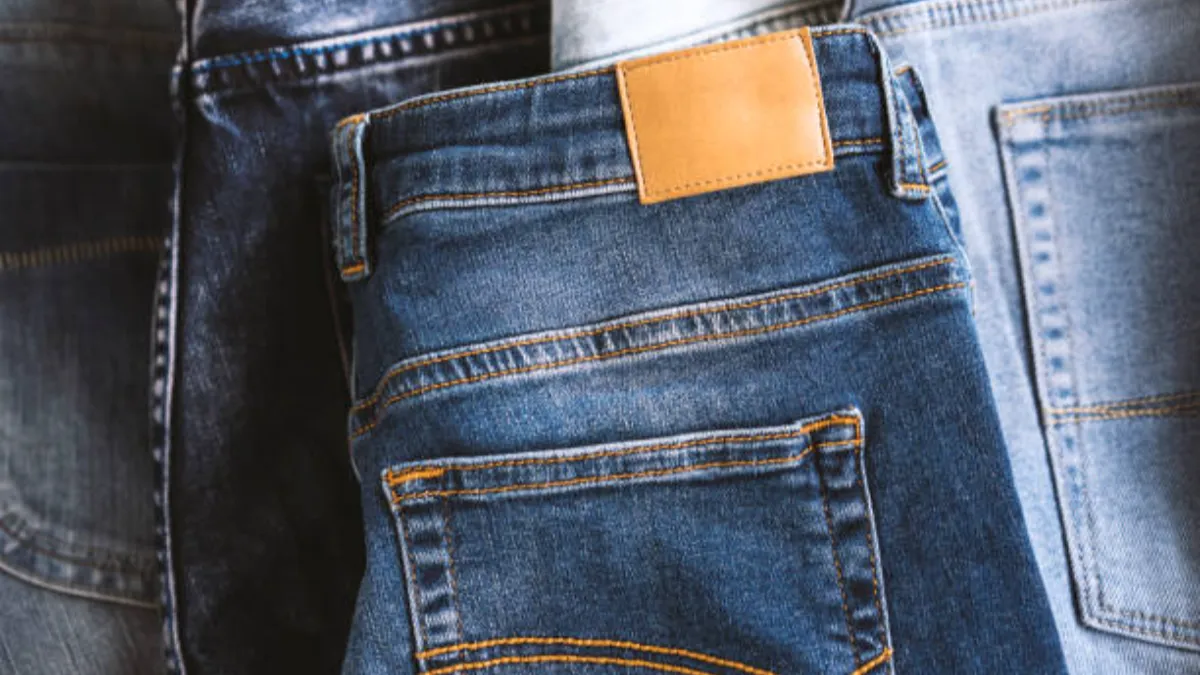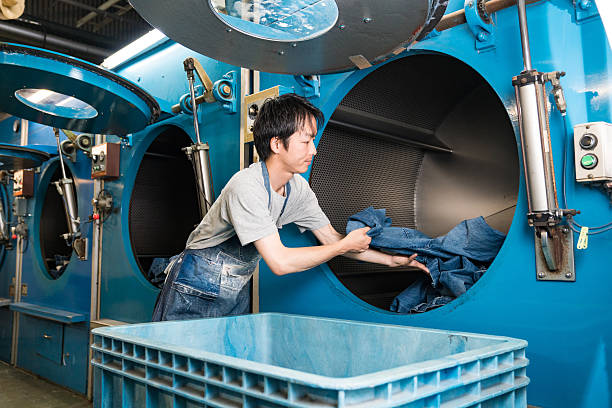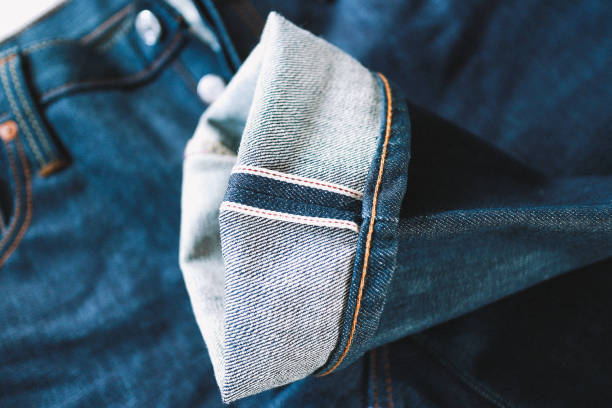
La mezclilla con lavado enzimático es una de las técnicas de acabado de mezclilla más importantes en la fabricación de prendas de vestir modernas.. Comparado con el lavado tradicional a la piedra, El lavado enzimático ofrece un mejor control de la suavidad., apariencia de superficie más limpia, y un impacto ambiental significativamente menor. Hoy, Es muy utilizado por marcas de denim que buscan comodidad., consistencia, y producción sostenible.
Esta guía explica qué es la mezclilla con lavado enzimático., como funciona, sus ventajas y limitaciones, y cuándo las marcas deberían elegirlo para sus colecciones.
¿Qué es la mezclilla con lavado enzimático??
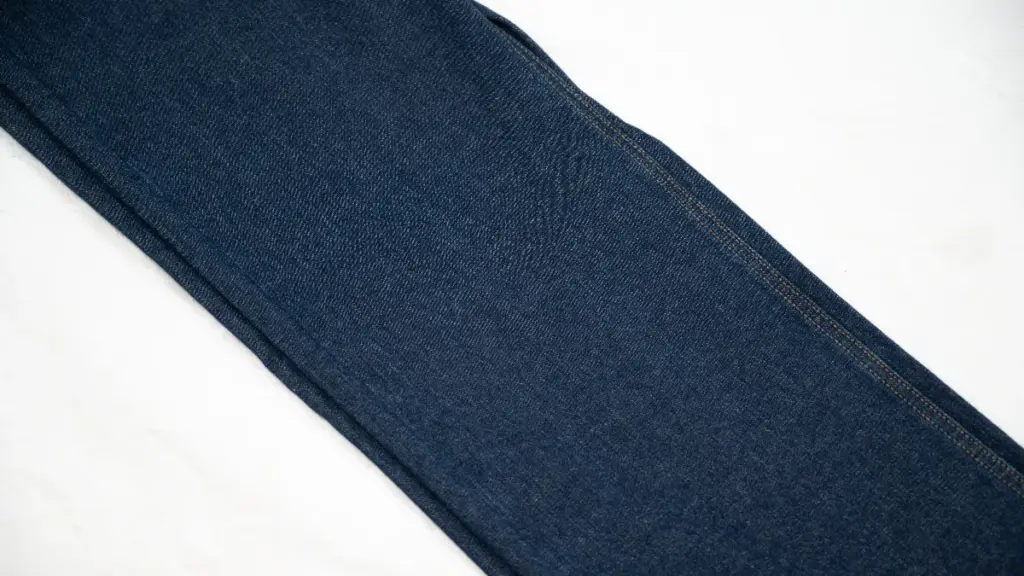
La mezclilla con lavado enzimático es un proceso de acabado textil que utiliza enzimas biológicas., principalmente enzimas celulasas, para eliminar suavemente las fibras superficiales de la tela vaquera. Estas enzimas actúan específicamente sobre la celulosa., lo que les permite limpiar y suavizar la superficie de la tela sin dañar la estructura interna del hilo..
En lugar de depender de la abrasión mecánica, El lavado de enzimas funciona mediante reacciones bioquímicas controladas.. Esto hace que el proceso sea más preciso., repetible, y adecuado para la producción industrial a gran escala.
El resultado es un denim que se siente más suave., se ve más limpio, y envejece de forma más natural que las telas no tratadas o lavadas agresivamente.
Características clave de la mezclilla lavada con enzimas
La mezclilla lavada con enzimas es conocida por varias cualidades físicas y visuales distintivas.:
- Sensación notablemente más suave en la mano
- Reducción de pelusas y pelusas en la superficie
- Tono índigo más limpio y uniforme
- Sutil, decoloración de aspecto natural
- Mayor flexibilidad y comodidad.
- Menos estrés en la tela en comparación con los lavados mecánicos
A diferencia de los acabados pesados vintage o desgastados., El lavado enzimático crea una apariencia refinada y ponible., haciéndolo especialmente adecuado para estilos de mezclilla cotidianos y colecciones a largo plazo..
Cómo funciona el proceso de lavado enzimático
El proceso de lavado de enzimas está altamente controlado y se puede dividir en varias etapas clave.. Para lograr resultados consistentes en la producción a granel, Fabricantes de ropa de mezclilla debe gestionar con precisión variables como nivel de pH, temperatura, tiempo de lavado, y acción mecánica en cada paso.
Preparación y desapresto de prendas
Antes del tratamiento enzimático, Las prendas de mezclilla se someten a un desencolado y un humedecimiento previo para eliminar los agentes de encolado residuales y mejorar la penetración de las enzimas.. El desencolado adecuado es esencial, ya que el apresto sobrante puede bloquear la actividad enzimática y provocar una suavidad desigual o una decoloración irregular.
En la mayoría de los entornos industriales, El desencolado se realiza bajo condiciones de agua tibia (50–60°C) con suficiente agitación para asegurar una humectación uniforme. La preparación constante en esta etapa afecta directamente la eficiencia y estabilidad de la reacción enzimática que sigue..
Aplicación de enzimas y control de reacciones
Las enzimas celulasas se introducen en el baño de lavado bajo condiciones cuidadosamente monitoreadas.. Esta etapa es el núcleo del proceso de lavado de enzimas y requiere un control preciso de múltiples parámetros.:
- rango de pH: típicamente 4.5–6,5, dependiendo de si se utilizan enzimas ácidas o neutras
- Temperatura: generalmente 45–60°C, con enzimas neutras que operan más cerca del extremo inferior
- tiempo de lavado: generalmente 20–60 minutos, ajustado según el peso de la tela, profundidad índigo, y efecto deseado
- Acción mecánica: agitación moderada para promover un contacto uniforme con las enzimas sin causar abrasión
Durante esta fase, Las enzimas descomponen selectivamente las fibras sueltas de algodón en la superficie del hilo., reduciendo la pelusa y mejorando la suavidad. Ajustando la concentración de enzima y el tiempo de reacción., Los fabricantes pueden ajustar la suavidad y la limpieza de la superficie sin comprometer la resistencia de la tela..
Detener la actividad enzimática
Una vez conseguido el efecto deseado, La actividad enzimática debe detenerse inmediatamente para evitar un procesamiento excesivo.. Esto se hace comúnmente por:
- Elevar la temperatura por encima del rango activo de la enzima., o
- Ajustar el pH del baño fuera de la ventana de reacción óptima
La neutralización oportuna es fundamental. La parada tardía puede provocar una pérdida excesiva de color., debilitamiento de la tela, o apariencia inconsistente en todas las prendas.
Enjuague y Acabado
Después de la desactivación de la enzima., Las prendas se enjuagan a fondo para eliminar los residuos de enzimas y los subproductos de reacción.. Los tratamientos de acabado final a menudo incluyen suavizantes para mejorar la sensación en las manos., cubrir, y comodidad general de uso.
En esta etapa, Los fabricantes también evalúan la uniformidad del color y la calidad de la superficie para garantizar que el lavado enzimático cumpla con los estándares de producción antes de pasar al secado o a procesos de acabado adicionales..
Diferencias entre el lavado enzimático y el denim con lavado a la piedra
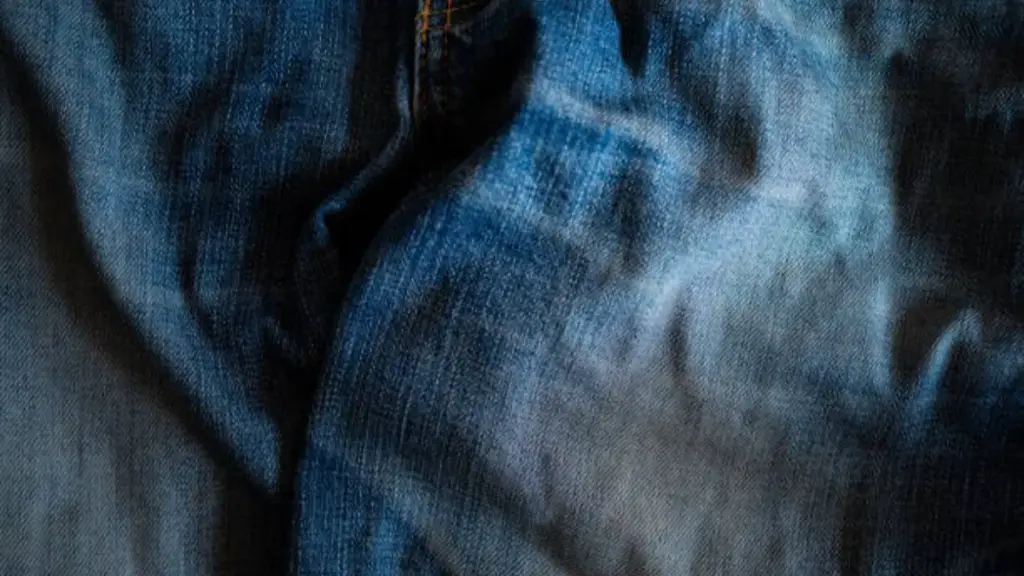
Aunque el lavado enzimático y el lavado a la piedra a menudo se mencionan juntos, difieren significativamente en el método, actuación, y el impacto en la producción.
Diferencia en el método de lavado
El lavado con piedra se basa en piedras pómez para desgastar físicamente la superficie de la tela., mientras que el lavado enzimático utiliza reacciones biológicas para eliminar las fibras superficiales. Esta diferencia fundamental afecta el daño a la tela., consistencia, y desgaste de la máquina.
Diferencia en daño y durabilidad de la tela
El lavado a la piedra puede debilitar la tela, costuras de tensión, y aumentar el riesgo de agujeros, especialmente en mezclilla ligera o elástica. Lavado de enzimas, cuando se controla adecuadamente, Minimiza el daño estructural y ayuda a que las prendas mantengan su resistencia y forma con el tiempo..
Diferencia en apariencia y control de color
El lavado a la piedra produce más azar., desvanecimiento de alto contraste, mientras que el lavado enzimático ofrece resultados más limpios y uniformes.. El lavado enzimático ofrece un mayor control, Lo cual es fundamental para las marcas que requieren repetibilidad en múltiples ejecuciones de producción..
Diferencia en impacto ambiental
El lavado de piedras genera residuos sólidos y acelera el desgaste de las máquinas. El lavado enzimático reduce los residuos, reduce el consumo de agua, y requiere menos energía, haciéndolo más alineado con los objetivos de fabricación sostenible.
| Aspecto | Lavado en la enzima | Lavado de piedra |
|---|---|---|
| Método de abrasión | Biológico | Mecánico |
| Daño a la tela | Bajo | Medio a alto |
| Control de colores | Alto | Limitado |
| Blandura | Alto | Medio |
| Impacto ambiental | Más bajo | Más alto |
| Desgaste del equipo | Mínimo | Significativo |
Si quieres una comparación más profunda de estas dos técnicas, puedes leer nuestra guía detallada en Lavado enzimático versus mezclilla con lavado a la piedra, donde desglosamos el rendimiento, costo, y escenarios de aplicación con mayor detalle.
Lleve su marca de mezclilla más allá con una personalización total
Ventajas y limitaciones de la mezclilla con lavado enzimático
Comprender las ventajas y limitaciones de la mezclilla con lavado enzimático ayuda a las marcas y a los compradores a seleccionar el método de acabado adecuado según su comodidad., durabilidad, y requisitos de producción.
Ventajas del denim con lavado enzimático
- Suavidad mejorada
El lavado enzimático elimina suavemente las fibras superficiales., lo que resulta en una sensación más suave al tacto sin debilitar la estructura de la tela. - Alto control de color
Los niveles de decoloración se pueden gestionar con precisión ajustando el pH., temperatura, y tiempo de lavado, Garantizar la coherencia en la producción a granel.. - Reducción del daño a la tela
La acción biológica minimiza la tensión en las costuras y los hilos en comparación con la abrasión mecánica.. - Aspecto de superficie más limpia
El proceso reduce la pelusa y las bolitas., mejorar la claridad del color y la suavidad general de la tela. - Menor impacto ambiental
El lavado enzimático genera menos residuos, usa menos energía, y reduce el desgaste de la máquina.
Limitaciones de la mezclilla con lavado enzimático
- Requiere un estricto control del proceso.
La actividad enzimática es sensible a las condiciones de lavado y puede causar un procesamiento excesivo si no se maneja con cuidado.. - Efectos angustiantes limitados
El lavado enzimático por sí solo no puede lograr looks vintage intensos o de alto contraste.. - Riesgo de pérdida de color si se lava demasiado
La exposición excesiva puede reducir la profundidad del índigo más allá del nivel previsto..
En general, La mezclilla con lavado enzimático se utiliza mejor como proceso base controlado o combinado con otras técnicas de acabado..
Combinaciones comunes con lavado enzimático
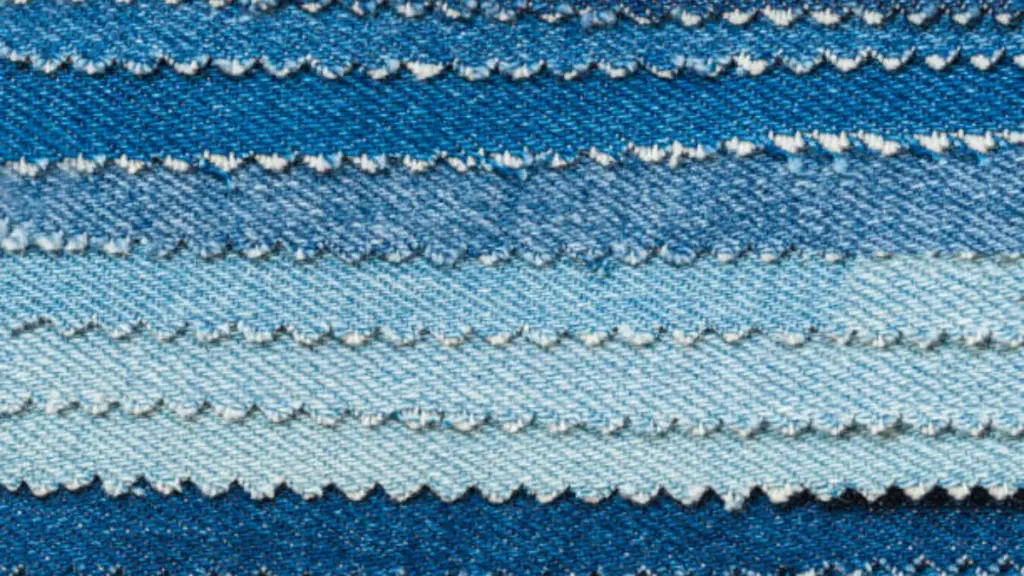
Para lograr efectos visuales específicos., El lavado enzimático se utiliza frecuentemente junto con:
- Piedra + Lavado en la enzima: Desvanecimiento equilibrado con daño reducido
- Enzima + Blanqueador: Más brillante, miradas de alto contraste
- Enzima + Arenado / Láser: Bigotes y reflejos específicos
- Enzima + Acabado suavizante: Máxima comodidad y caída
Estas combinaciones permiten a las marcas personalizar los acabados según las tendencias del mercado..
Tejidos y aplicaciones adecuados
El lavado enzimático funciona mejor en telas de mezclilla a base de algodón., incluido 100% algodón, mezclilla hilada en anillos, mezclilla abierta, y denim elástico en condiciones controladas. Las telas muy recubiertas o tratadas con resina generalmente requieren pruebas antes de la aplicación de enzimas..
La mezclilla lavada con enzimas se usa ampliamente en vaqueros, chaqueta, camisas, afueras, y estilos centrados en la comodidad, particularmente en colecciones de lavado medio y lavado oscuro donde la suavidad y la claridad del color son fundamentales.
¿Cuándo deberían las marcas elegir mezclilla con lavado enzimático??
Las marcas deberían considerar la mezclilla con lavado enzimático cuando los objetivos del producto se centran en la comodidad., consistencia, y acabado controlado en lugar de un desgaste intenso. Los siguientes escenarios indican claramente cuándo el lavado enzimático es la opción correcta..
- Cuando la suavidad y la comodidad son prioridades
El lavado enzimático elimina suavemente las fibras superficiales., haciéndolo ideal para jeans de todos los días, mezclilla, y tejidos ligeros donde el confort incide directamente en la satisfacción del consumidor. - Cuando se requieren resultados consistentes a escala
Porque la actividad enzimática se puede controlar con precisión a través del pH., temperatura, y tiempo de lavado, El lavado enzimático es muy adecuado para la producción a granel donde la repetibilidad y la estabilidad del color son fundamentales.. - Cuando se debe preservar la durabilidad de la tela
Para estilos ajustados, mezclilla, o prendas con construcción detallada, El lavado enzimático reduce el riesgo de tensión en las costuras., desgarrando, y debilitamiento de la tela en comparación con los métodos de lavado mecánicos. - Cuando la sostenibilidad es un requisito de abastecimiento
El lavado enzimático produce menos residuos, reduce el consumo de energía, y reduce el desgaste de la máquina, Apoyar estándares de producción con conciencia ecológica.. - Cuando se utiliza lavado enzimático como acabado base
Muchas marcas eligen el lavado enzimático como proceso fundamental antes de aplicar el láser., bigote, o técnicas de blanqueamiento para mayor detalle visual.
Pensamientos finales
El lavado enzimático reemplaza la fuerte abrasión con una acción biológica específica, entrega mezclilla que se mantiene fuerte y al mismo tiempo se siente lujosamente suave. Evita el gran consumo de recursos que supone el lavado de piedras y mantiene la producción más silenciosa, limpiador, y más consistente.
Para marcas, eso significa menores costos de acabado, menos defectos, y un perfil de sostenibilidad que cumple con los estándares modernos: prueba de ese estilo, comodidad, y la eficiencia pueden compartir el mismo hilo.
Preguntas frecuentes
¿Qué es la mezclilla con lavado enzimático??
La mezclilla con lavado enzimático es mezclilla de algodón teñida de índigo y tratada con enzimas celulasas. (alrededor de 0,5 a 4 g/l a 50 a 60 °C, pH 4,5–7 durante 30–60 minutos) para hidrolizar la superficie del algodón, eliminar las fibras sueltas, y crea una sensación más suave en las manos con decoloración y pérdida de peso controladas.. La celulasa neutra se utiliza a menudo para limitar la pérdida de resistencia y las manchas posteriores..
Similar al pulido suave, El lavado suaviza las fibras sin abrasión intensa..
Cómo hacer que la mezclilla sea suave?
El ablandamiento industrial implica un lavado enzimático con 0,5 a 2,0 g/l de celulasa a 40 a 60 °C durante 40 a 60 minutos., seguido de un baño suavizante frío (acerca de 1 g/L de suavizante catiónico durante 15 a 20 minutos) y secar en secadora a 75-85°C durante aproximadamente 40 minutos. Este equilibrio logra suavidad manteniendo la pérdida de peso y fuerza dentro de niveles aceptables..
Imagínese darle forma a la arcilla suavemente hasta que se sienta suave y flexible; la mezclilla suavizada se logra de manera similar., secuencia controlada.
¿Es sostenible el lavado enzimático??
Sí. baja el agua, energía, y el uso de productos químicos en aproximadamente un tercio a la mitad en comparación con los lavados con piedra o químicos, Reemplazo de piedras abrasivas y agentes tóxicos con enzimas biodegradables.. Procesos optimizados con proporciones de licor más bajas, combinado con ozono o láser, Mejorar aún más la eficiencia de los recursos manteniendo la calidad del tejido..
Como usar una herramienta de precisión en lugar de fuerza bruta., logra resultados con menos desperdicio.
¿El lavado con enzimas encoge los jeans??
Puede, pero los procesos industriales controlan la contracción entre un 2% y un 3% tanto en urdimbre como en trama., que cae dentro de los estándares de tolerancia de fabricación de jeans.
Esto es similar a una leve relajación de la tela: perceptible pero dentro de los límites esperados..
¿Puedes lavar con enzimas mezclilla negra??
Sí, Tanto la mezclilla negra azufre como la reactiva/negra índigo se pueden lavar con enzimas con 0,5–4,0 g/l de celulasa a 40–60 °C., pH 4,5–7 durante 15–60 minutos. Se recomienda celulasa neutra a pH 6–7 con 0,5–2,0 g/L para mantener el color..
Comparable a limpiar una superficie oscura con un limpiador suave para mantener intacto su tono profundo..
Costo del lavado enzimático versus lavado a la piedra?
El lavado enzimático generalmente cuesta menos, con un promedio de 0,15 a 0,25 USD por prenda en comparación con 0,40 a 0,50 USD por lavado a la piedra. Las combinaciones de piedra y enzima son más altas, alrededor de 0,80 a 0,85 USD por prenda..
Esto es muy parecido a elegir un proceso liviano en lugar de uno más pesado., uno más intensivo en equipamiento.
SEO
Título: Denim con lavado enzimático: Biopulido para suavidad y sostenibilidad
Descripción: La mezclilla con lavado enzimático utiliza celulasa para suavizar la tela, reducir peso, y lograr un desvanecimiento sutil mientras corta el agua, energía, y uso de químicos.
URL: lavado-enzimático-denim-suavidad-sostenibilidad
Palabras clave: mezclilla con lavado enzimático