What Is Dark Wash Denim?

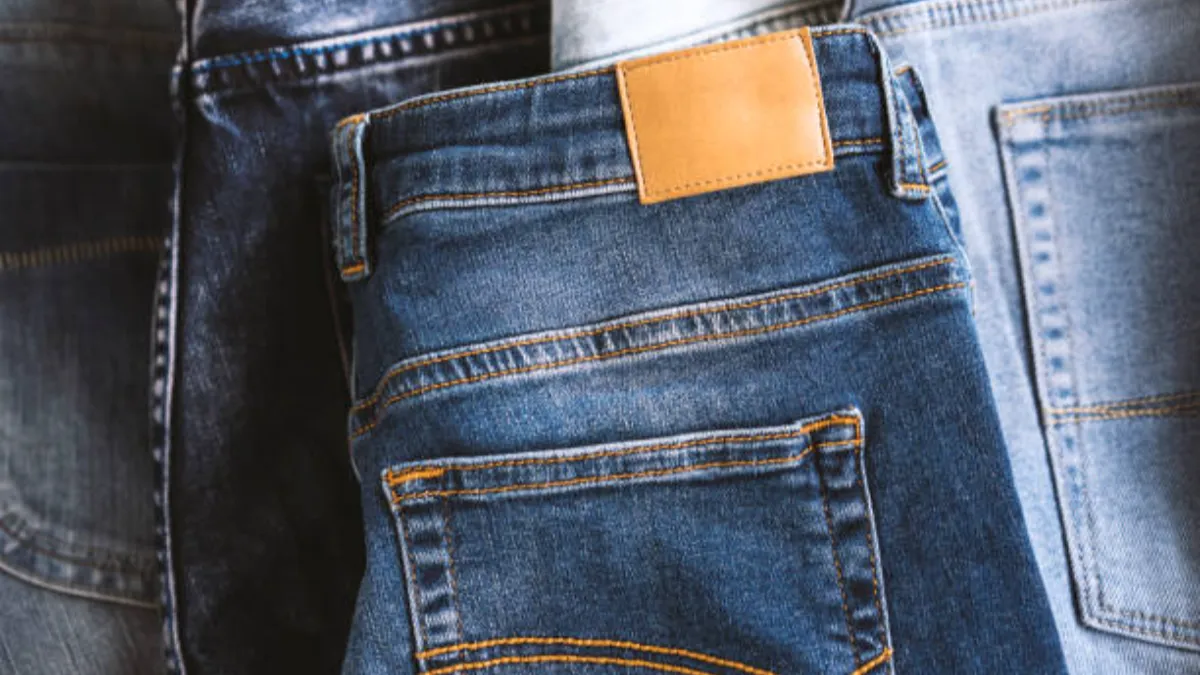
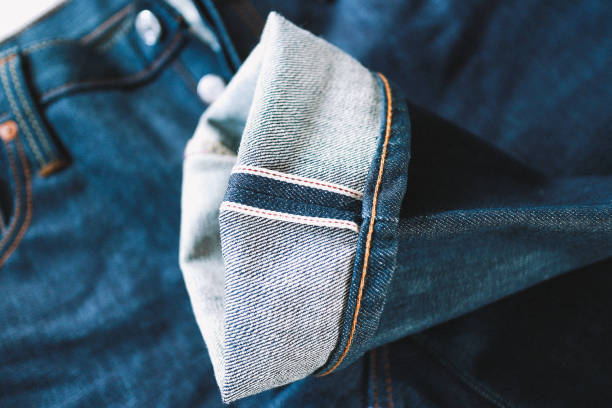
Dark wash denim is denim fabric designed to stay dark for longer. Instead of fading quickly into light blue, it keeps a deep indigo or near-black color even after washing and wearing.
In simple terms, it combines deep dyeing with gentle washing. The fabric is softened for comfort, but the color loss is carefully controlled. This makes dark wash denim popular for premium jeans, jackets, and shirts that need a clean, polished look.
Changhong develops dark wash denim with controlled washing and color-fixing steps, helping brands maintain consistent shade and quality across production batches.
Why Does Dark Wash Denim Fade So Easily?
Denim is usually dyed with indigo, which mainly sits on the surface of the yarn, not deep inside the fiber. If washing is too aggressive, loose dye rubs off quickly.
Common reasons for early fading include:
- Too much abrasion during washing
- Poor removal of sizing (starch) before finishing
- Lack of color-fixing treatment
- High drum speed or excessive stones
Premium dark wash denim focuses on controlling these risks, rather than removing color for a vintage look.
How Is Dark Wash Denim Dyed?
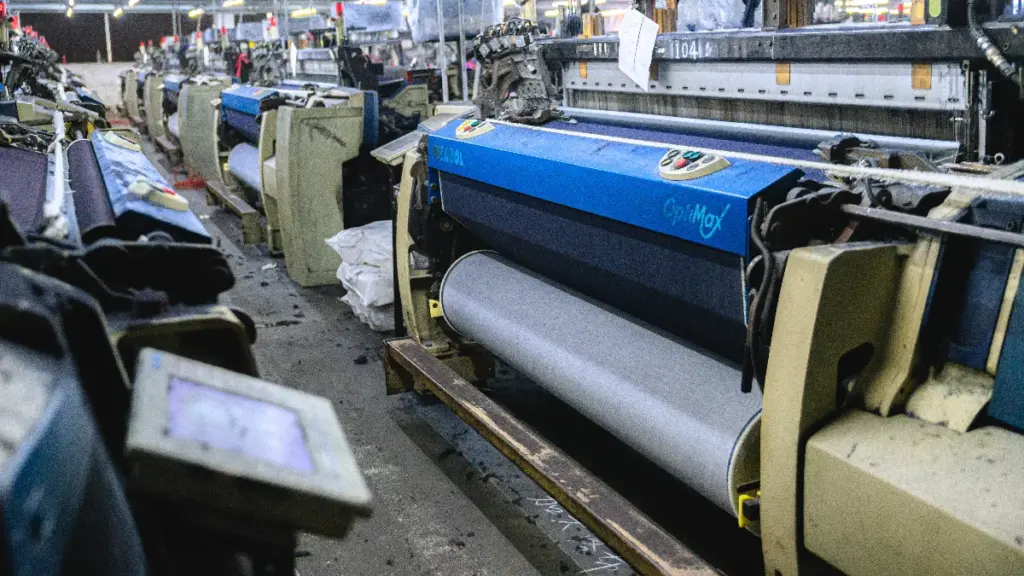
Dark wash denim starts with warp yarn dyeing before weaving. To achieve a deep shade, yarns are dipped in indigo dye multiple times.
Typical methods include:
- 9–18 indigo dips to build color depth
- Optional sulfur dye layers (blue or black) to push the shade closer to black
More dips mean richer color, but also higher cost and stricter quality control. This is why dark wash denim is often positioned as a premium fabric.
How Is Dark Wash Denim Washed in Factories?
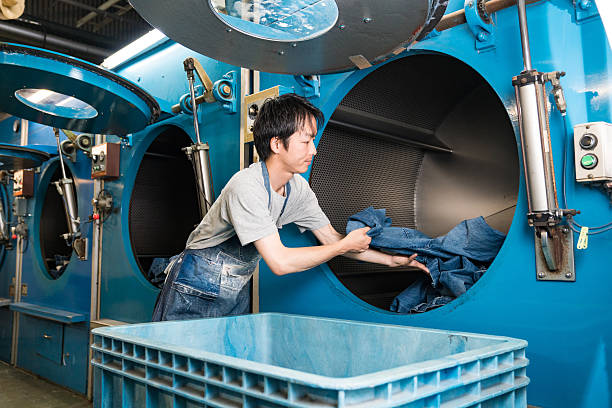
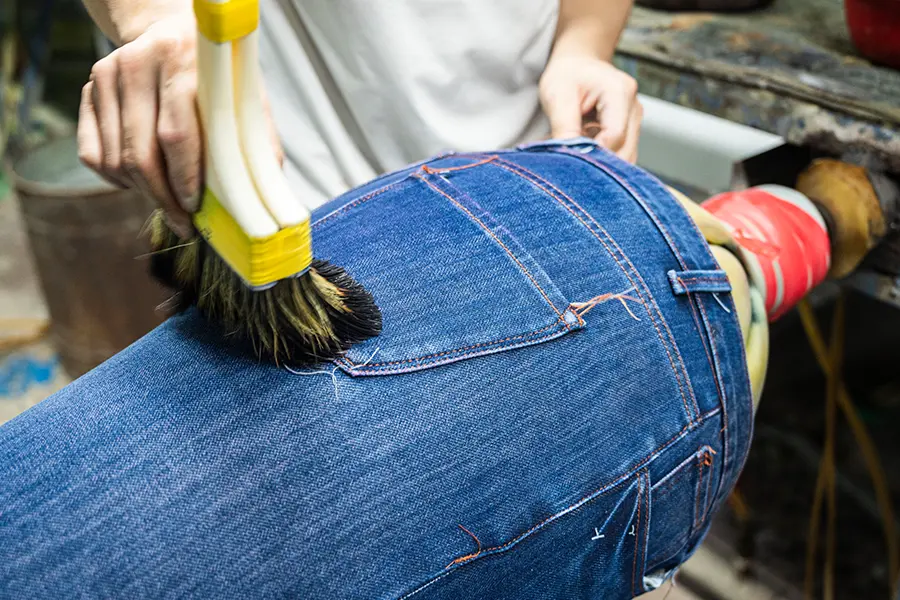
Industrial denim washing for dark wash denim focuses on controlled softening with minimal color loss. Compared with vintage or light-wash denim, the process deliberately reduces mechanical abrasion and chemical aggressiveness to protect indigo on the yarn surface.
Key differences include lower stone ratios, reduced drum speed, and carefully selected enzyme systems. The goal is not to create contrast or highlights, but to achieve a clean surface, improved hand-feel, and stable shade depth suitable for premium positioning.
Core Industrial Washing Stages Explained
1. Desizing (Starch Removal)
During weaving, warp yarns are coated with sizing agents to improve strength. In dark wash production, desizing is critical because uneven size removal can lead to patchy washing and irregular color loss later.
- Typically performed with amylase enzymes or low-alkali detergents
- Ensures uniform enzyme penetration and consistent shade retention
2. Controlled Enzyme Softening
Instead of aggressive abrasion, dark wash denim uses neutral or low-activity cellulase enzymes. These gently polish the fiber surface, improving softness without exposing too much undyed core fiber.
- Minimizes backstaining and excessive indigo release
- Preserves surface color while improving drape and comfort
3. Rinsing, Tone Cleaning, and Softening
After enzyme treatment, thorough rinsing removes loose dye and residual enzymes. A light tone-cleaning or brightening step may be applied to even surface appearance, followed by softeners to enhance hand-feel.
- Reduces crocking risk
- Stabilizes appearance before fixation or final finishing
By keeping chemical action and mechanical force within narrow limits, factories can produce dark wash denim that feels broken-in yet retains a deep, uniform color—meeting both aesthetic and performance expectations for premium garments.
Bring Your Denim Vision to Life
What Washing Settings Help Keep Denim Dark?
Small setting changes can cause big color differences. For dark wash denim, factories control both chemistry and machine movement.
Common control ranges include:
- Lower drum speed: 30–35 rpm
- Shorter wash time: 15–20 minutes
- Mild enzymes instead of strong abrasion
- Limited or no pumice stones
These settings help meet typical quality targets such as Grade 4 dry rubbing fastness, which is important for reducing color transfer complaints.
How Can Denim Be Washed Without Fading Too Much?
After washing, factories often apply color fixing agents. These are chemicals that help loose dye stick more firmly to cotton fibers.
How Do Color Fixing Agents Work?
- Indigo dye carries a negative charge
- Fixing agents carry a positive charge
- They attract each other and form a stronger bond
This improves resistance to rubbing and repeated washing, keeping garments darker for longer.
Are Color Fixing Agents Safe and Commonly Used?
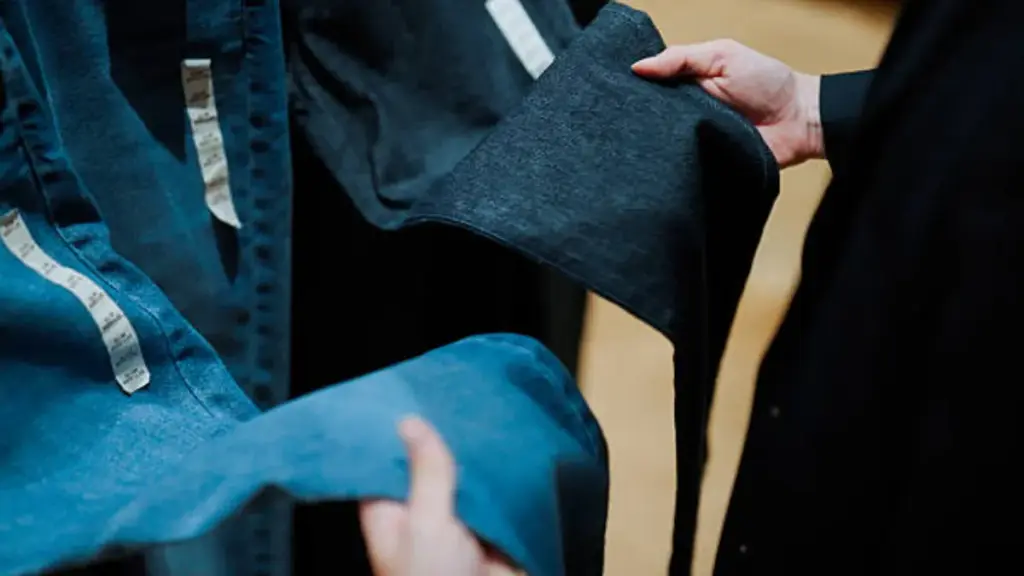
Yes. Color fixing agents are widely used in commercial denim production, especially for dark shades.
Typical application methods include:
- Exhaust treatment during washing
- Padding and drying
- Short soaking processes
When used correctly, they do not change the look or feel of the garment, but significantly improve color durability.
Does Vinegar Help Keep Dark Denim Dark?
Vinegar is sometimes used at home, but its effect is limited. It slightly lowers water pH and removes detergent residue, but it does not strongly fix indigo dye.
How Is Industrial Washing Different from Vinegar Rinses?
- Vinegar: mild acid, no abrasion, minimal color effect
- Industrial processes: controlled chemicals + mechanical action
What Quality Standards Should Dark Wash Denim Meet?
Before shipment, dark wash denim garments are tested for durability and appearance.
Common benchmarks include:
- Washing colorfastness: Grade 4
- Dry rubbing fastness: Grade 4
- Shrinkage: ≤ 3%
- Fabric strength and abrasion resistance
Meeting these standards helps brands reduce returns and maintain customer trust.
Final Thoughts
Dark wash denim succeeds or fails on a few measurable points: how deeply the yarn is dyed, how gently color is handled during washing, whether loose indigo is properly fixed, and whether shrinkage and rubbing fastness are tested before shipment. When these steps are managed as one system—not isolated processes—brands can develop dark wash products that remain dark, stable, and saleable across seasons.
If you are evaluating suppliers or refining your own specifications, Changhong can support fabric selection, wash development, sampling, and bulk production based on your target standards. Contact us to discuss your requirements.
Frequently Asked Questions
How to wash denim jeans without fading?
Wash dark-wash denim as infrequently as possible, about every 10 wears. Turn them inside out, use cold water on a gentle cycle with spin speed ≤900 rpm, and a mild detergent for dark colors. Optionally add ½ cup white vinegar to the rinse, then hang-dry in shade and avoid tumble drying.
Cold water slows down dye loss much like storing old photographs away from sunlight.
Should I wash denim inside out?
Yes. Turning jeans inside out helps reduce indigo dye loss, cut down surface abrasion, and maintain color and appearance. Wash at 30–40 °C (up to 60 °C max) on gentle settings for best color fastness results.
It works like reading a book with its cover closed — the surface stays protected.
How often should you wash denim jeans?
Most denim brands recommend washing jeans roughly every 5–10 wears, with about 10 wears as a common guideline unless they are visibly dirty or smell. This is especially true for dark wash denim to help preserve color.
Spacing out washes acts like stretching the life of a battery by using it only when needed.
Can you wash dark denim with light colors?
No. Always wash dark-wash denim with other dark items or separately, especially for the first few washes, to prevent dye transfer and maintain shade uniformity.
Mixing dark and light laundry is like pouring coffee into milk — the lighter color changes instantly.
Does dark wash shrink more than light wash?
Testing shows both dark and light wash denim shrink by around 3% in length and width under standard wash processes. Shrinkage ≤3% is considered acceptable for either shade.
This is similar to how leather shoes break in regardless of color — the material behavior is the same.
How to keep dark denim dark?
Wash infrequently, in cold water, on gentle cycle ≤900 rpm, with dark-color detergent, jeans turned inside out, and air-dried out of sunlight. You can hand wash with mild detergent and ½ cup white vinegar in the rinse. Avoid bleach, brighteners, fabric softener, high-speed spin, and tumble drying.
Treating denim gently is like handling a delicate painting — avoid harsh conditions to preserve its look.