When sourcing denim, buyers often face a choice between cost efficiency and speed-to-market. While Turkish manufacturers may carry a 10–25% premium compared to Asian hubs, the EU–Türkiye Customs Union eliminates the typical 12% import duty, making it an attractive option for European brands.
This guide compares top Turkish producers with Changhong, highlighting key factors such as quality, pricing, and production speed.
Why Brands Choose Turkish Denim
Turkey has become a leading hub for premium denim, offering speed, quality, and integration with Western regulatory standards. Unlike low-cost centers in Asia, Turkish manufacturers excel in high-value, fashion-forward collections, producing intricate designs in volume without compromising on detail.
- Global Competitiveness: Turkey ranks as the third-largest denim producer worldwide, with exports reaching USD 729 million in the first half of 2024.
- Strategic Location: Proximity to Europe reduces shipping times, offering a speed-to-market advantage and shorter lead times.
- EU Integration: The EU–Türkiye Customs Union simplifies trade, eliminating duties and streamlining logistics.
- Vertical Integration: Turkey mills its own denim fabric, ensuring compliance with EU standards and sustainability goals, including eco-friendly technologies like laser and ozone finishing.
Similar to Turkey’s high standards of vertical integration, Changhong offers end-to-end “One-Stop” production solutions. This approach guarantees quality control and sustainable practices, serving diverse markets with the same commitment to excellence.
Overview of Top 8 Denim Jeans Manufacturers
| Manufacturer | Location | Core Strength | Verdict |
|---|---|---|---|
| Guangzhou Changhong | Guangzhou, Asia | Denim fabric and garment production (vertical integration) | Asian high-end alternative to Turkish mills; excellent for landed-cost optimization. |
| Cross Textiles (Şık Makas) | Çorlu, Tokat (Turkey); Egypt | Ability to handle large-scale orders with low minimum order quantities (MOQs) | Largest Turkish volume exporter (25M capacity); supplies world’s largest retailers. |
| Taypa | Turkey | OEM/ODM services for denim garments | Large-scale OEM/ODM for EU/US brands with strong laundry capabilities. |
| Erak Clothing | Turkey | High-capacity production and expertise in complex wash treatments | Mid-to-large supplier focusing on high-capacity sewing and wash development. |
| Merkoteks | Turkey | In-house wash development and high-volume denim production | Integrates high-capacity sewing with specialized laundry for Western markets. |
| Baykanlar Tekstil | Turkey | High-volume production with integrated wash treatments | Noted for high-capacity sewing capabilities alongside strong laundry development. |
| Realkom | Turkey | High-capacity sewing & wash development | Reliable mid-to-large OEM offering strong sewing and wash services. |
| Çalık Denim | Turkey | Integrated denim mill (spinning, weaving, finishing) | Premier integrated mill covering yarn, weaving, and finishing processes. |
Cross Textiles (Şık Makas)
Cross Textiles is Turkey’s largest denim exporter by volume, with a combined annual production capacity of 25 million pieces. Their extensive manufacturing hubs in Çorlu and Tokat, along with facilities in Egypt, enable them to serve major international retailers with efficiency and reliability.
Employing over 7,000 people, Cross Textiles operates fully integrated production chains, covering everything from sewing to laundry. The company prioritizes compliance and sustainability, holding certifications like SEDEX, ZDHC, and ISO 14040/44, ensuring they meet rigorous global standards.
- Location: Çorlu, Tokat (Turkey); Egypt
- Core Strength: Ability to handle large-scale orders with low minimum order quantities (MOQs)
- Key Markets: Global (supplies world’s largest retail companies)
Taypa
Taypa is a mid- to large-scale manufacturer based in Turkey, specializing in both OEM and ODM services for well-established European and American fashion brands. Their operations go beyond basic production, actively engaging in design and development alongside clients.
With a focus on efficiency, Taypa integrates high-capacity assembly lines with advanced in-house laundry facilities. This setup allows them to control the full production cycle, from constructing denim garments to applying complex wash treatments for vintage or modern finishes.
- Location: Turkey
- Core Strength: OEM/ODM services for denim garments, with full control over production and finishing processes
- Key Markets: Europe, USA
Erak Clothing
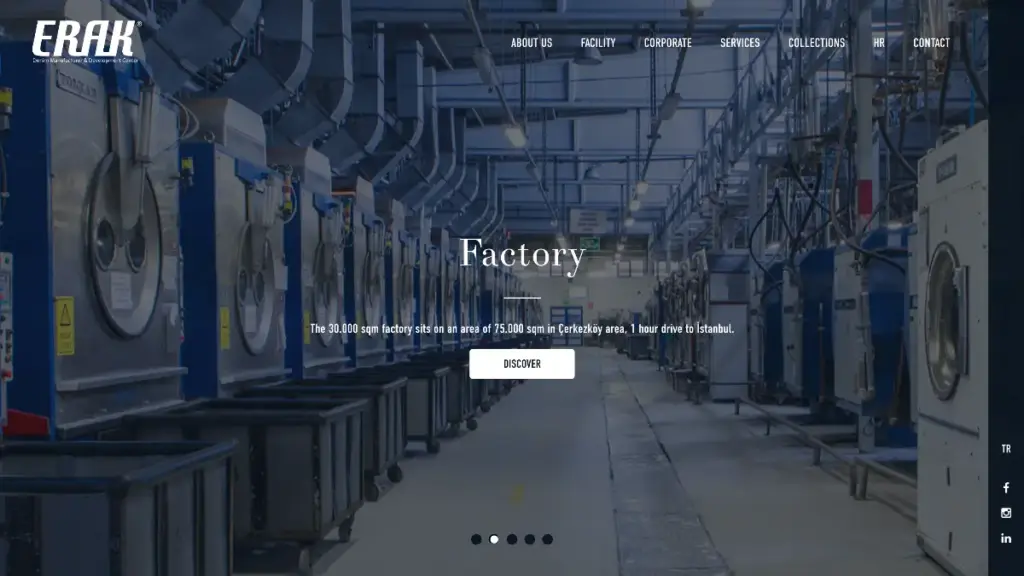
Erak Clothing is a mid- to large-scale manufacturer based in Turkey, offering both OEM and ODM services to international buyers. They specialize in denim garments, primarily serving markets in Europe and the USA.
The company focuses on high-capacity sewing and advanced laundry techniques, enabling them to execute complex wash treatments while maintaining consistency across large production runs.
- Location: Turkey
- Core Strength: High-capacity production and expertise in complex wash treatments
- Key Markets: Europe, USA
Merkoteks
Merkoteks operates as a substantial manufacturing partner for brands based in Europe and the United States. They focus on mid- to large-scale operations, catering to established labels that require reliable volume rather than small, experimental batches.
A defining feature of their facility is the integration of sewing capacity with specialized laundry and wash development. Rather than outsourcing the finishing steps, they manage complex denim treatments in-house. It functions like a commercial kitchen that prepares everything from scratch; having the wash lab next to the assembly line allows for tighter control over the final look.
- Location: Turkey
- Core Strength: In-house wash development and high-volume denim production
- Key Markets: Europe, USA
Baykanlar Tekstil

Baykanlar Tekstil operates as a mid- to large-scale OEM and ODM supplier based in Turkey, primarily serving established brands in Europe and the USA. The company focuses on labels that need consistent supply rather than small, experimental batches.
Their manufacturing infrastructure is designed to meet the demands of these large-scale orders. Baykanlar integrates high-capacity sewing lines with specialized in-house laundry and wash facilities, ensuring that both denim construction and complex finishing treatments occur side-by-side. This integration allows them to maintain tight control over the quality and consistency of the final product.
- Location: Turkey
- Core Strength: High-volume production with integrated wash treatments
- Key Markets: Europe, USA
Realkom
Realkom operates as a substantial manufacturing partner for brands based in Europe and the United States. They function primarily as a mid- to large-scale OEM/ODM supplier, positioning themselves as a reliable option for companies that need consistent volume production without sacrificing technical execution.
Think of their production lines like a busy commercial print shop that handles thousands of copies while keeping every image sharp. They back this volume capability with strong laundry and wash development services, allowing them to create the complex vintage looks and specialized finishes that Western markets demand.
- Location: Turkey
- Core Strength: High-capacity sewing & wash development
- Key Markets: Europe, USA
Çalık Denim

Çalık Denim operates as a fully integrated facility in Turkey, managing the entire production process in-house—from spinning the yarn to weaving the fabric and applying final finishes. This vertical integration allows them to maintain strict quality control across large production volumes, ensuring consistent results.
As one of Turkey’s leading denim producers, Çalık Denim is a key supplier to major fashion brands in Europe and the USA. By controlling every stage of production, they offer a level of precision and reliability that meets the high standards of international labels.
- Location: Turkey
- Core Strength: Integrated denim mill (spinning, weaving, finishing)
- Key Markets: Europe, USA
Guangzhou Changhong
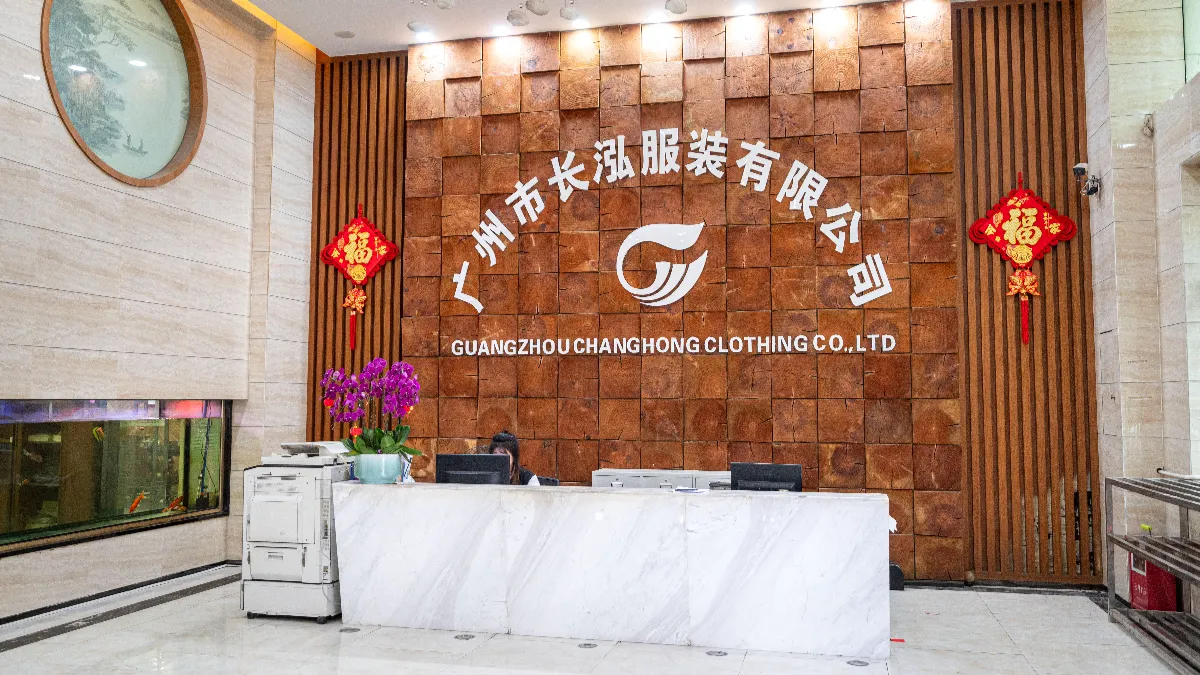
Guangzhou Changhong operates as a vertically integrated supplier, handling both denim fabric milling and finished garment assembly. Positioned to compete directly with high-end Turkish manufacturers, they cater to the same tier of premium brands that demand exceptional quality control and advanced finishing techniques.
TWhile Turkey remains a strong leader in denim production, Changhong offers a valuable alternative within the Asian supply chain, providing the same premium product standards at potentially more competitive pricing. This makes Changhong an ideal option for sourcing teams seeking to balance quality with cost across different regions.
- Location: Guangzhou, Asia
- Core Strength: Denim fabric and garment production (vertical integration)
- Key Markets: Global
Elevate Your Brand with Premium, Factory-Direct Custom Denim
Cost Analysis: Turkey vs China Production
When sourcing denim, the choice between Turkey and China often comes down to balancing speed against raw unit cost. While China leads in volume and cost advantages, Turkey offers key benefits for European brands, thanks to its proximity and favorable trade agreements. These factors can significantly influence overall landed cost and delivery speed, as detailed in the following analysis.
Labor and Production Costs
Turkey’s labor costs range from USD 4.50 to 6.00 per hour, which contributes to a higher ex-factory price of USD 7.00 to 10.00 per unit. In comparison, China benefits from lower labor rates (USD 2.50 to 3.50 per hour) and more competitive production costs, typically between USD 6.00 and 8.00 per unit.
However, Turkey’s higher price reflects its advanced manufacturing techniques, such as laser washing and eco-friendly finishes, which are in demand by premium brands.
Duty and Logistics
The EU-Turkey Customs Union offers significant duty advantages for Turkish imports, often at 0%, while Chinese goods face an 8–12% MFN duty upon arrival. In terms of logistics, Turkey offers a much faster transit time (3–7 days via truck/sea) compared to China’s 20–35 days via ocean freight. This speed-to-market advantage allows brands to react to trends more quickly and maintain more flexible inventory.
Total Landed Cost
While Turkish units may have a higher factory price, the reduced duty and faster shipping costs can make up for the difference, especially for European brands. The combination of speed, quality, and favorable trade terms makes Turkey an attractive option for many brands despite the initial cost premium.
| Cost Factor | Turkey Production | China Production |
|---|---|---|
| Labor Cost (Hourly) | USD 4.50 – 6.00 | USD 2.50 – 3.50 |
| Standard Jean Cost (Ex-Factory) | USD 7.00 – 10.00 | USD 6.00 – 8.00 |
| EU Import Duty | Often 0% (Customs Union) | ~8% – 12% |
| Transit Time to EU | 3 – 7 Days (Truck/Sea) | 20 – 35 Days (Ocean) |
Duty-Free Access to EU: How it Works
Sourcing denim from Turkey provides a significant financial advantage due to the EU–Turkey Customs Union, which eliminates customs duties on industrial goods like denim trousers, as long as they are in “free circulation.”
- EU–Turkey Customs Union: Unlike typical Free Trade Agreements, this mechanism focuses on whether finished goods have cleared customs within the Union, rather than tracing the origin of each material. This makes the process smoother, like moving goods between states rather than across borders.
- Required Documentation: To qualify for 0% duty, an A.TR Movement Certificate is required. This proves that the goods are in free circulation. Missing this documentation results in MFN duties (around 12%), significantly raising costs.
- Landed Cost Benefits: When the A.TR certificate is in place, duty is waived, reducing the total landed cost for buyers. Combined with Turkey’s fast transit times (3–5 days to major EU markets), this ensures quicker market response and lower inventory costs compared to Asia’s 3–4 weeks.
- Currency Stability: Many Turkish manufacturers invoice in EUR, minimizing the currency risks often encountered with Asian suppliers invoicing in USD.
Conclusion
Turkey commands a higher factory-gate price, but the real metric is your total landed cost. Zero-duty access to the EU combined with rapid trucking logistics effectively neutralizes this premium, granting you high-end craftsmanship without thetypical luxury markup.
Speed is key to profitability in this industry. Reducing lead times from weeks to days lets you quickly respond to trends and maintain cash flow. For greater flexibility and competitive pricing, Changhong offers the same high-end quality with faster production times and predictable costs.
Ready to streamline your supply chain? Discover how Changhong can help maximize your margins.
Frequently Asked Questions
Which brands are manufactured in Turkey?
Turkey hosts over 50 export-scale manufacturers producing for local giants like Mavi Jeans and global premium labels. Major mills like ISKO supply fabric internationally, while factories produce private-label jeans for high-street European retailers.
It operates like a massive collaborative workshop where the same high standards apply whether the label says Mavi or a luxury European brand.
Is Turkish denim production expensive compared to Asia?
Turkish denim sits in the mid-price bracket, with ex-factory costs around $7–10 per unit. This is higher than Bangladesh or Pakistan but often matches China’s pricing structure. For EU buyers, duty-free access often balances the scale.
Duty benefits act like a discount coupon here, making the final landed cost comparable to cheaper Asian options once shipping and taxes are calculated.
What are the typical Minimum Order Quantities (MOQs) in Turkey?
Standard factory MOQs generally range from 100 to 300 pieces per style. Large industrial units prefer higher volumes, but boutique manufacturers exist to serve small brands with lower requirements.
This flexibility mirrors Changhong’s approach, where flexible production lines allow emerging brands to launch without carrying heavy inventory risks.
Who are the top denim fabric mills in Turkey?
ISKO leads the sector as the world’s largest denim mill with a capacity of roughly 300 million meters annually. Other key players include Orta Anadolu and Bossa, both known for supplying global fashion houses.
These mills function as the primary ingredient suppliers for the industry, feeding high-quality fabric to manufacturers across the globe.