>

최고의 부드러움을 위한 산업용 데님 세탁에 대한 완벽한 가이드

최고의 부드러움을 위한 산업용 데님 세탁에 대한 완벽한 가이드

공유하다:

목차

Industrial denim softening is a precise balancing act. Inadequate desizing leaves fabric rigid andboardy,” while excessive processing can ruin fiber integrity.

The challenge is simple but hard to execute: how do you achieve a luxurious hand-feel without sacrificing durability? 그리고 Changong, we have mastered this balance. This guide details the advanced industrial parameters you need to turn stiff raw denim into the premium soft textiles the market demands.

Why Desizing Is the Critical First Step in Fabric Finishing

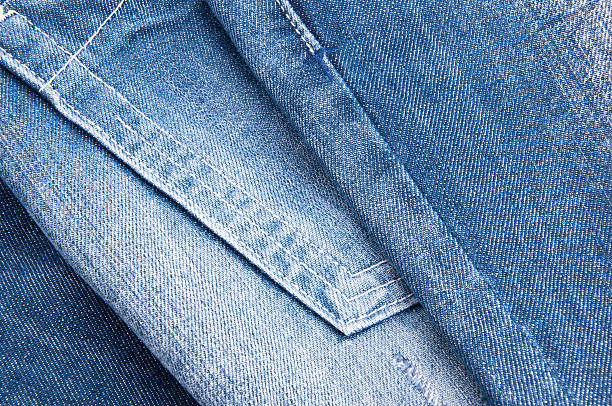
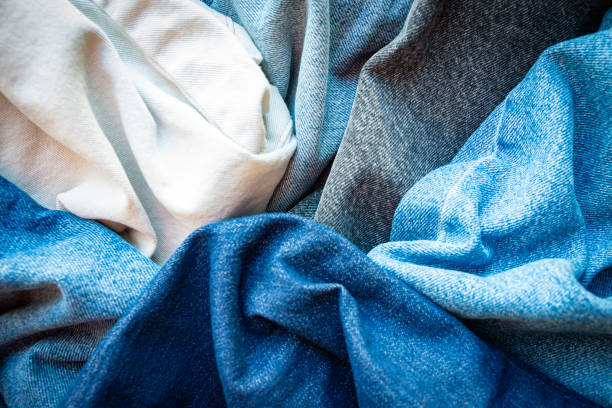
Texture of blue jeans with some folds

New denim fabric typically arrives from the mill feeling rigid and harsh. This stiffness is caused by warp sizing agents applied during weaving to protect the yarn. Before you can expect any softening agent to work, this barrier must be removed.

How Starch and Sizing Agents Make Raw Denim Stiff

그만큼 “단단함” in raw denim comes from starch-based sizing chemicals coating the fibers. If these are left behind, they block the penetration of subsequent softeners and dyes. Trying to soften denim without thorough desizing is a common mistake. It leads to poor results: a superficial, greasy surface feel while the fabric core remains stiff.

The Chemical Process of Removing Size for Better Texture

Industrial desizing is the foundational step for a soft hand-feel. The process involves specific chemistry and controlled conditions to hydrolyze the starch:

  • Enzyme Selection: Alpha-amylase enzymes are the industry standard.
  • Concentration: Typically 1–2 g/L.
  • Conditions: A bath temperature of 60–70°C and a pH of 6–7.
  • 지속: A standard treatment runs for about 15 minutes with a liquor ratio of 1:6 에게 1:8.

Why Enzymatic Desizing Is Safer Than Oxidative Methods

While oxidative methods exist, enzymatic desizing with alpha-amylase is preferred for premium denim. It specifically targets the starch without damaging the cellulose fiber. This method helps you save energy and preserves the fabric’s tensile strength. It gives you a safer, stronger base for subsequent heavy washing.

Using Enzyme Washes to Improve Fabric Handfeel

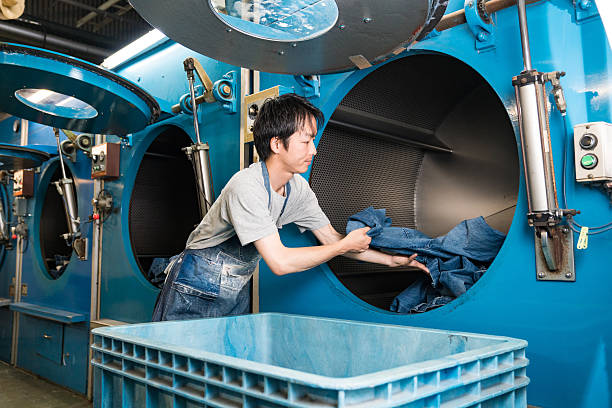
Textile worker looking confident in a large washing plant

Once the size is removed, the fabric structure is accessible. To get that deeply soft, “worn-in” 성격, industrial laundries utilize 효소 세척, a process often referred to as bio-polishing.

How Cellulase Enzymes Work During Bio-Polishing

Bio-polishing uses cellulase enzymes to gently hydrolyze the loose micro-fibrils protruding from the fabric surface. Byshavingthese fuzzy fibers, the enzymes reduce surface friction. This results in a smoother hand-feel and a cleaner appearance for the final garment.

Comparing Acid Cellulase and Neutral Cellulase Efficiency

It all comes down to picking the right enzyme profile based on the effect you want to achieve:

  • Acid Cellulase: More aggressive and works faster. 하지만, it carries a higher risk of back-staining, where indigo redeposits onto the white weft yarns.
  • Neutral Cellulase: Our preferred choice for premium soft denim. It operates best at a pH of 6–7 and temperatures between 50–60°C. While slightly slower, it ensures effective softening with minimal strength loss, keeping the white wefts cleaner.

What Parameters Control the Strength of the Enzyme Wash

There is no room for guesswork here. A typical enzyme softening cycle requires strict adherence to parameters:

  • 시간: 30–60분, depending on the fabric weight.
  • pH Control: Maintained between 4.5–5.5 for acid enzymes or 6–7 for neutral versions.
  • Deactivation: A hot rinse at around 80°C is mandatory after the cycle. This kills the enzyme action and prevents further degradation of the fabric.

Craft Your Unique Denim Vision: Integrated & Sustainable Custom Manufacturing

From unique fabrics to bespoke washes and intricate details, our vertically integrated process brings your precise denim vision to life with unmatched depth of customization. Partner with us for premium quality, 지속 가능한 생산, and flexible low MOQs, designed to empower and elevate your brand globally.

맞춤형 프로젝트 시작 →

CTA Image

Stone Washing and Mechanical Methods for Vintage Results

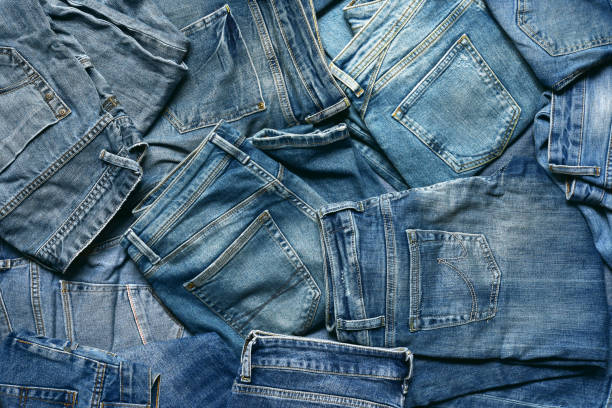
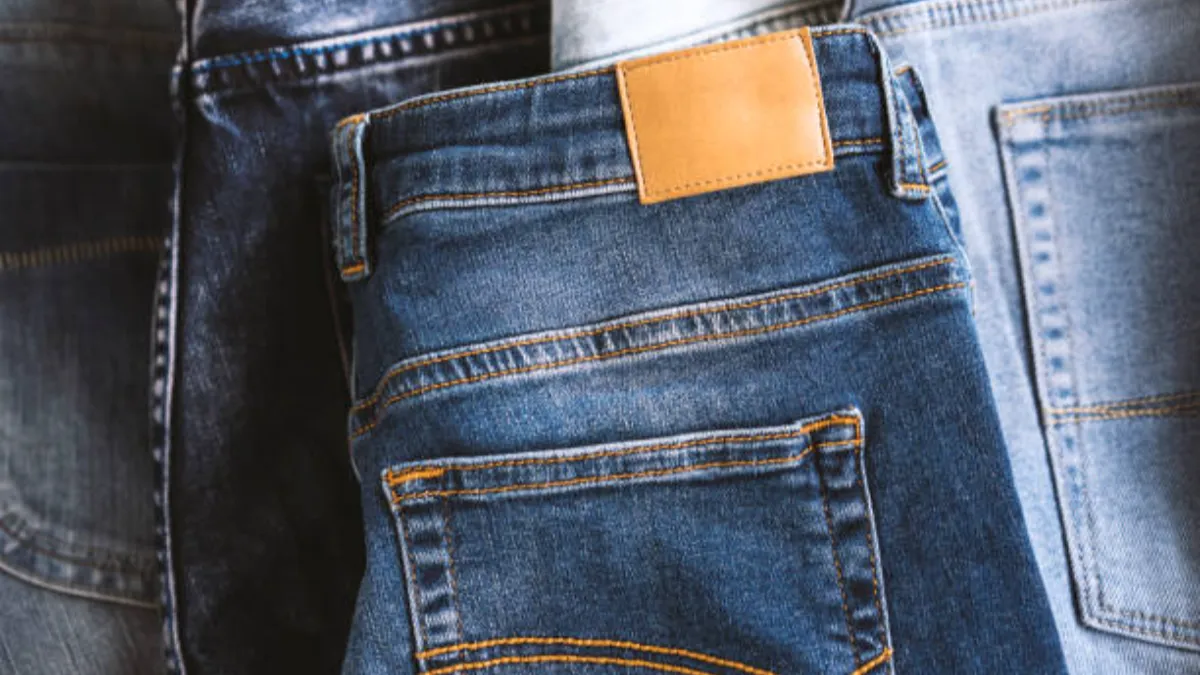
Textured background with variety of mens and womens blue jeans. Top view.

When the goal is a vintage aesthetic combined with softness, mechanical abrasion is essential. This process physically breaks down the stiffness of the fiber.

Finding the Right Pumice Stone Ratio for Your Fabric

Stonewashing involves tumbling denim with pumice stones. The stones beat against the fabric, softening it mechanically while removing outer layers of indigo.

  • Ratios: Stone-to-denim weight ratios typically range from 0.5:1 에게 3:1. If you need a softer finish and faster fading, use a higher ratio such as 2:1.
  • Stone Size: We use 2–3 cm stones for finer denim and 3–6 cm for standard heavyweights to avoid damaging the material.

Is Micro-Sanding a Better Option for Surface Softness?

For aPeach Skineffect, micro-sanding or high-speed tumbling lasting 15–20 minutes is used. Unlike stones that create localized abrasion, tumbling offers a uniform physical break-in. It significantly reduces stiffness without the heavy fading typical of stonewashing, giving you a cleaner look.

How to Achieve Consistent Results with Mechanical Finishing

Consistency in mechanical finishing depends on controlling variables such as drum speed, load size, and water levels. 추가적으로, many modern brands are switching to synthetic stones to reduce the environmental impact of sludge generated by traditional pumice. Regardless of the abrasive used, rigorous tensile strength testing is a step you cannot skip after mechanical processing.

Choosing the Best Chemical Softeners for Production

After desizing, 효소 세척, or stonewashing, the final touch is the application of chemical softeners. This is usually done in the final rinse cycle or via a dipping process.

Deciding Between Silicone and Fatty Acid Softeners

  • Cationic Softeners: Commonly used for cotton denim with dosages between 3–8% on the weight of the fabric. They bind to negatively charged cotton fibers, creating a fluffy, bulky hand-feel.
  • Silicone Softeners: Offer a sleek, “silkydrape. For deeper internal softness, we recommend micro-emulsion silicones. Unlike macro-emulsions that sit on the surface, these penetrate the fiber core. 하지만, usage must be judged carefully. Laboratory data show that increasing silicone concentration from 2 g/L to 6 g/L reduces air permeability. This can make 데님 청바지 feel less breathable.

How to Avoid Yellowing Issues with Cationic Agents

One challenge with cationic softeners isphenolic yellowing.This occurs especially on light-wash or white denim. 그리고 Changong, we utilize specialized formulations for light fabrics, such as nonionic polyethylene or ozone-resistant softeners. This protects the inventory from turning yellow during storage.

Application Techniques for Uniform Softness Distribution

To ensure even coverage, softeners are applied at specific temperatures typically between 40–50°C with a pH adjusted to 5.5–6.5.

  • Exhaust Method: The most common for garment washing. The garments are agitated in the softener solution for 15–20 minutes.
  • 건조: The process concludes with tumble drying to 8–10% residual moisture. This final thermal step cures the softener andfluffsthe fibers for maximum softness.

Managing Quality Control and Fabric Durability

Various shades and colors of denim fabrics. Denim texture background.

Softness should never come at the expense of the garment’s lifespan. Industrial finishing requires a strict balance between hand-feel and physical integrity.

How to Prevent Tear Strength Loss in Heavy Washes

Aggressive treatments like acid washing, utilizing permanganate, or heavy enzyme washes can degrade cotton fibers. We monitor this by testing tensile strength standards like EN ISO 13934-2. If the fabric feels too soft, it often signals damaged fibers. We adjust enzyme dosage and time to stay within thesafe zoneof fabric strength.

Controlling Fabric Shrinkage and Skewing

Denim naturally shrinks. This is typically 2–4% for rigid 100% cotton and 10–18% for high-stretch fabrics. 추가적으로, denim is prone toskewingor leg twist due to the twill construction. We conduct pre-production wash tests over 3–5 cycles to calculate exact shrinkage and torque rates. This ensures that pattern cutting accounts for these dimensional changes, so the final soft jean fits the end consumer perfectly without twisting.

Strategies to Minimize Back-Staining on Dark Denim

During softening baths, loose indigo dye can redeposit onto the white weft yarns or pocket bags, a defect known as back-staining. To prevent this, we add anti-back-staining agents during the enzyme cycles. We also ensure a thorough acid rinse using 5% acetic acid at 50°C to adjust the pH to the optimal level before applying the final softener, keeping the contrast sharp.

Partner With Us for Premium Denim Production

Achieving the perfect balance of softness, 색상, and durability requires more than just a recipe—it requires experience. ~에 changhong, 우리는 활용한다 20 years of washing and finishing expertise to manufacture finished denim garments that meet exact specifications.

As a one-stop OEM & ODM solution, we handle the entire product lifecycle. This includes fabric sourcing, 절단, and the complex washing processes detailed in this guide. Whether the project requires vintage stone-wash jackets or silky-soft stretch jeans, our integrated supply chain ensures consistent quality and lead times.

Start your custom project today. We offer flexible manufacturing solutions tailored to your business needs, including flexible MOQs and rapid prototyping services. Contact us to discuss how we can engineer the perfect soft hand-feel for your next collection.

FAQ

What is the difference between a standard rinse and an enzyme wash?

Think of a standard rinse as a quickrefresh.It removes starch but keeps the denim dark and crisp. An enzyme wash, 하지만, uses bio-catalysts to physicallyshavethe fabric surface. This gives you that premium, 포도 수확 “worn-insoftness and a slightly lighter look instantly.

How does high-stretch fabric react to heavy industrial softening?

It can be temperamental! High heat above 70°C or aggressive stonewashing can snap elastane fibers, leading to baggy knees or loss of recovery. We solve this by using specific low-temperature formulations and gentler tumbling to keep thesnap-backelasticity perfect for the wearer.

Why does white or light-wash denim turn yellow after softening?

This is usuallyphenolic yellowing.It is a reaction between certain cationic softeners and air or packaging. The fix is simple: for white denim, we switch to Nonionic or specialized anti-yellowing silicone softeners to ensure whites stay brilliant and clean.

Does bio-polishing significantly reduce the GSM (무게) of the fabric?

Only slightly. While enzymes remove surface fuzz, which lowers weight, the washing process simultaneously shrinks the fabric, which increases density. In most cases, it balances out perfectly. We calculate these factors in advance so the final garment hits the exact target weight.

Is sustainable ozone washing more expensive than traditional chemical methods?

Upfront? 예. Long term? 아니요. While the machinery costs more to install, Ozone saves massive amounts of water, 에너지, and chemicals per wash. It’s a smart investment that pays off by lowering operating costs while boosting sustainability credentials.

author detail

저는 에나스예요, 광저우창홍복장유한공사 총경리, Ltd. 오버 26 데님 산업에서 몇 년, 원단 개발 전반에 걸쳐 전문성을 쌓았습니다., 설계, 조작, 그리고 해외판매. 오늘, 우리는 3개의 전문 공장을 운영하고 있습니다. 19 생산 라인과 500 숙련된 직원, 패션노바 등 글로벌 패션 브랜드에 서비스 제공, 메이시스, 오스틴, 그리고 요가 청바지. 그리고 Changong, 우리는 트렌드 통찰력과 장인정신을 결합한 고품질 데님 의류를 제공하기 위해 최선을 다하고 있습니다..

다음 베스트셀러 데님 컬렉션을 만들어 보세요, Info@changhongjeans.com으로 연락주세요.

연락하십시오

인기있는 블로그

It seems we can't find what you're looking for.

브랜드에 맞게 맞춤화 된 맞춤형 데님 솔루션

최고의 품질로 전문적으로 제작 된 데님 의류, 정도, 그리고 스타일.