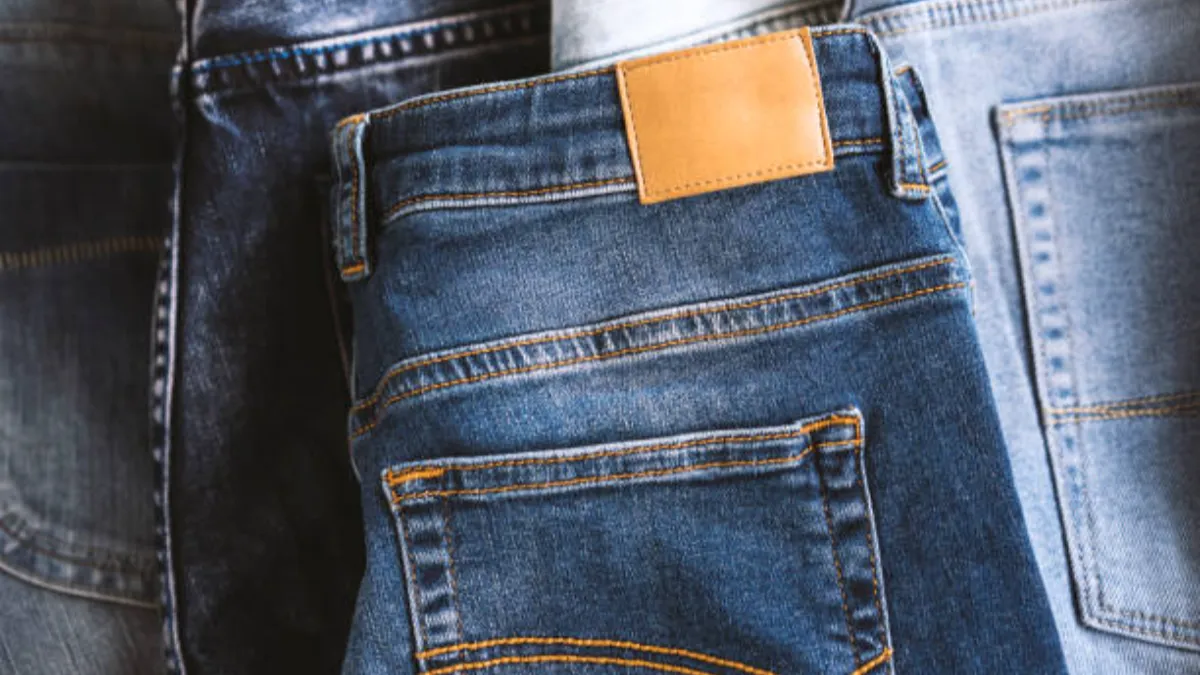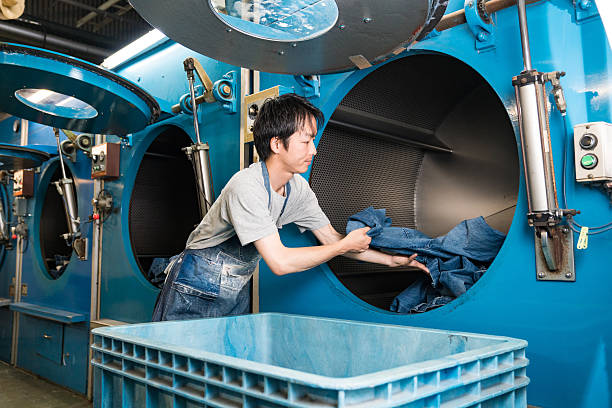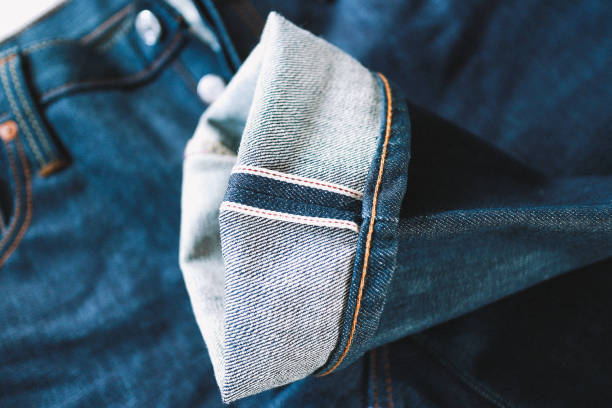
क्यों कुछ जींस पूरे दिन अपना आकार बनाए रखती हैं जबकि अन्य दोपहर तक खराब हो जाती हैं? रहस्य बुनाई में छिपा है. चाहे आप अपने अगले बेस्टसेलर की सोर्सिंग कर रहे हों या सही फिट की तलाश कर रहे हों, 2-वे और 4-वे स्ट्रेच के बीच का चुनाव सीधे आपकी उत्पादन लागत और उपभोक्ता संतुष्टि को प्रभावित करता है. उपभोग दर से लेकर पुनर्प्राप्ति प्रदर्शन तक, यहां सही निवेश करने के लिए तकनीकी मार्गदर्शिका दी गई है.
4-वे और 2-वे स्ट्रेच डेनिम क्या हैं??
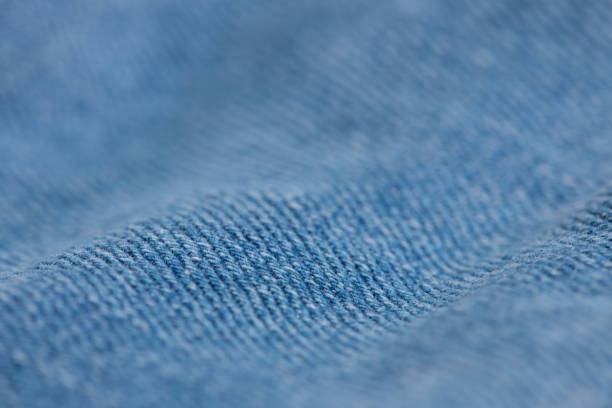
इससे पहले कि आप मूल्य निर्धारण या सोर्सिंग में उतरें, आपको इन कपड़ों के निर्माण में यांत्रिक अंतर को समझने की आवश्यकता है.
2-रास्ता खिंचाव: उद्योग मानक (केवल बाना)
2-वे स्ट्रेच डेनिम को केवल एक दिशा में फैलाने के लिए इंजीनियर किया गया है: लगभग हमेशा बाने के पार क्षैतिज रूप से. यह अधिकांश व्यावसायिक जींस के लिए मानक है. यह आवश्यक प्रदान करता है “देना” ऊर्ध्वाधर दिशा में पूर्ण स्थिरता बनाए रखते हुए कूल्हों और जांघों के आसपास आराम के लिए.
4-रास्ता खिंचाव: उच्च-प्रदर्शन विकास (360° गति)
4-वे स्ट्रेच डेनिम एक उच्च प्रदर्शन वाला कपड़ा है जहां दोनों ताने-बाने में लोचदार धागे बुने जाते हैं (खड़ा) और बाना (क्षैतिज) दिशा-निर्देश.
पारंपरिक डेनिम अक्सर कठोर महसूस होता है. 4-जिस तरह का खिंचाव सीधे कपड़े की पूरी संरचना में लचीलापन पैदा करके इसे बदल देता है. यह सामग्री को फैलने और सिकुड़ने की अनुमति देता है, नीचे, और अगल-बगल, वास्तविक 360° गतिशीलता का निर्माण.
यांत्रिकी: ताना बनाम. कपड़ा निर्माण
- 2-तरफा तंत्र: लोचदार रेशा (स्पैन्डेक्स/इलास्टेन) केवल बाने के धागों में डाला जाता है. ऊर्ध्वाधर ताना सूत कठोर कपास बना रहता है, यह सुनिश्चित करना कि इनसीम की लंबाई स्थिर रहे.
- 4-वे तंत्र: लोच को ऊर्ध्वाधर ताना यार्न में भी एकीकृत किया गया है. यह कपड़े को शरीर की गति के साथ लम्बा होने की अनुमति देता है (जैसे घुटने मोड़ना) हेमलाइन को ऊपर खींचे बिना या तनाव बिंदु बनाए बिना.
मुख्य अंतर: 2-रास्ता बनाम. 4-रास्ता खिंचाव प्रदर्शन
एक खरीदार के रूप में, इन दो कपड़ों के बीच आपकी पसंद अंतिम फिट और उपभोक्ता अनुभव को निर्धारित करती है.
लोच और गति की सीमा की तुलना
- 2-रास्ता: ऑफर “आरामदायक खिंचाव.” यह विश्वसनीय और विशिष्ट है. यह जहां आवश्यक हो वहां विस्तार की अनुमति देता है (कमर/सीट) लेकिन परिधान की मूल संरचना को बनाए रखता है.
- 4-रास्ता: बचाता है “सक्रिय खिंचाव.” यह एक शरीर-अनुरूप फिट प्रदान करता है जो बिना किसी प्रतिबंध के पहनने वाले के साथ चलता है, क्लासिक डेनिम और एक्टिववियर के बीच अंतर को पाटना.
आकार प्रतिधारण और पुनर्प्राप्ति
आकार प्रतिधारण उपभोक्ताओं के लिए एक प्राथमिक चिंता का विषय है.
- 2-रास्ता जोखिम: होने का खतरा हो सकता है “थैला बाहर निकालना” यदि इलास्टेन की गुणवत्ता कम है तो लंबे समय तक घिसाव के बाद घुटनों जैसे उच्च तनाव वाले बिंदुओं पर.
- 4-रास्ता समाधान: आमतौर पर उन्नत पुनर्प्राप्ति तकनीक का उपयोग करता है. क्योंकि कपड़ा सभी दिशाओं से वापस आ सकता है, यह अधिक प्रभावी ढंग से शिथिलता का प्रतिरोध करता है. तथापि, इसके लिए सटीक कपड़े के चयन की आवश्यकता होती है ताकि यह सुनिश्चित किया जा सके कि मिलों ने सामग्री को ठीक से गर्म किया है.
बॉडी कंटूरिंग: जो बेहतर फिट ऑफर करता है?
- 2-रास्ता: संरचित सिल्हूट के लिए सर्वश्रेष्ठ (सीधा पैर, बूट कट) जहां लक्ष्य यह है कि कपड़ा हर मोड़ पर चिपकने के बजाय शरीर पर चिकना हो जाए.
- 4-रास्ता: के लिए आदर्श “शरीर-गले” फिट (पतला-दुबला, जेगिंग्स). यह दो-तरफ़ा कपड़े की तुलना में शरीर के आयतन में बदलाव और शरीर के विभिन्न आकारों को अधिक आसानी से अपनाता है.
संकुचन & स्थिरता: लंबवत बनाम. क्षैतिज
यह एक महत्वपूर्ण उत्पादन विवरण है जिसे अक्सर सोर्सिंग के दौरान अनदेखा कर दिया जाता है.
- 2-रास्ता: लंबाई में स्थिर. तथापि, पारंपरिक टवील बुनाई स्वाभाविक रूप से प्रवृत्त होती है “पैर मोड़ना” (को बढ़ा) धोने के बाद यदि कपड़ा मिल में ठीक से तिरछा नहीं हुआ है.
- 4-रास्ता: क्योंकि ऊर्ध्वाधर ताने में इलास्टिक होती है, ऊर्ध्वाधर सिकुड़न प्राथमिक चिंता है. उच्च सिकुड़न दर को ध्यान में रखते हुए पैटर्न को समायोजित किया जाना चाहिए (अक्सर नकारात्मक सहजता की आवश्यकता होती है) अंतिम परिधान को बाद में बहुत छोटा या तंग होने से रोकने के लिए डेनिम वॉशिंग.
संकल्पना से संग्रह तक: आपका विशेषज्ञ डेनिम विनिर्माण भागीदार
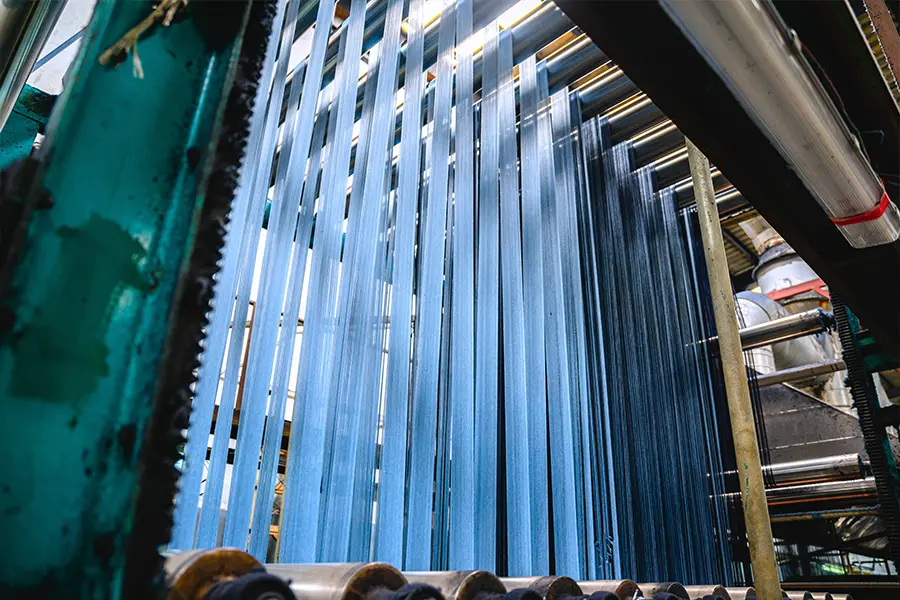
क्या चीज़ उन्हें अलग बनाती है?
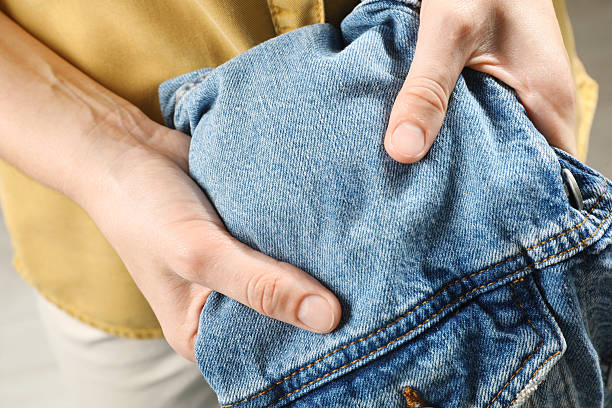
मानक रचनाएँ: कॉटन-पॉली-स्पैन्डेक्स मिश्रण (2-रास्ता)
2-तरफा खिंचाव के लिए क्लासिक फॉर्मूला अक्सर होता है “98/2” मिलाना (98% कपास, 2% इलास्टेन).
तथापि, एक अधिक व्यावसायिक जन-बाज़ार मिश्रण अक्सर दिखता है:
- 75% कपास / 23% पॉलिएस्टर / 2% स्पैन्डेक्स.
यह तिकड़ी कपास का हाथ जैसा एहसास प्रदान करती है, पॉलिएस्टर का स्थायित्व, और स्पैन्डेक्स का आवश्यक लचीलापन.
उन्नत प्रौद्योगिकी: दोहरे कोर & बहु-दिशात्मक सूत (4-रास्ता)
4-भारी कपड़े को अपने वजन के नीचे लटकने से रोकने के लिए अधिक परिष्कृत इंजीनियरिंग की आवश्यकता होती है.
- डुअल-कोर टेक्नोलॉजी: इसमें दो आंतरिक तंतुओं के चारों ओर एक कपास का खोल लपेटना शामिल है: तत्काल खिंचाव के लिए एक इलास्टेन फाइबर, और एक मजबूत फिलामेंट (LYCRA® T400® की तरह) पुनर्प्राप्ति और ताकत के लिए.
- कोर-स्पून सूत: सूती आवरण के अंदर नाजुक इलास्टेन की सुरक्षा के लिए आवश्यक, प्रामाणिकता बनाए रखना “डेनिम लुक” उच्च सिंथेटिक सामग्री के बावजूद.
वज़न और हैंडफ़ील पर इलास्टेन प्रतिशत का प्रभाव
लोकप्रिय धारणा के विपरीत, उच्च स्पैन्डेक्स प्रतिशत हमेशा बेहतर प्रदर्शन के बराबर नहीं होता है.
- 1% इलास्टेन: थोड़े आराम के साथ कठोर लुक प्रदान करता है.
- 1-4% इलास्टेन: उच्च-प्रदर्शन वाले स्ट्रेच के लिए उपयुक्त स्थान. तकनीकी बुनाई में भी, अंतिम इलास्टेन सामग्री आमतौर पर कम रहती है (जैसे, 1.78% को 2.03%) सिंथेटिक से बचने के लिए, “रबड़ जैसी” हांथों से महसूस करना.
आपको कौन सा डेनिम फैब्रिक चुनना चाहिए?
व्यक्तिगत प्राथमिकता को इस निर्णय के लिए प्रेरित नहीं करना चाहिए. बजाय, आपको संरेखित करने की आवश्यकता है डेनिम कपड़ा सीधे आपके उत्पाद लाइन और लक्ष्य जनसांख्यिकीय के साथ प्रदर्शन.
नीचे दी गई तालिका प्रत्येक कपड़े के प्रकार के लिए आदर्श अनुप्रयोगों की रूपरेखा तैयार करती है ताकि आपको अपनी सामग्री सोर्सिंग को अपने डिजाइन इरादे के साथ संरेखित करने में मदद मिल सके.
त्वरित तुलना: सर्वोत्तम उपयोग के मामले
| अनुप्रयोग कारक | 2-रास्ता खिंचाव (उद्योग मानक) |
4-रास्ता खिंचाव (प्रदर्शन विकल्प) |
|---|---|---|
| आदर्श फिट | सीधा, बूट कट, रेगुलर फिट. उन कटों के लिए सर्वश्रेष्ठ जिन्हें बिना चिपके एक ऊर्ध्वाधर रेखा में लपेटने और पकड़ने की आवश्यकता होती है. | पतला-दुबला, बहुत दुबला - पतला, जेगिंग्स. के लिए आवश्यक है “दूसरी त्वचा” फिट बैठता है जो हर वक्र के अनुरूप होना चाहिए. |
| लक्ष्य जनसांख्यिकीय | पुरुषों का बाज़ार & हेरिटेज लाइन्स. जो उपभोक्ता चाहते हैं “देखना” कठोर डेनिम की लेकिन छिपे हुए आराम की जरूरत है. | महिला बाज़ार & सक्रिय जीवनशैली. उपभोक्ता शेपवियर प्रभाव को प्राथमिकता दे रहे हैं (“sculpting”) या उच्च गतिशीलता. |
| परिधान के प्रकार | क्लासिक 5-पॉकेट जींस, डेनिम जैकेट, चौग़ा, वर्कवियर से प्रेरित टुकड़े. | योग जींस, कम्यूटर साइक्लिंग डेनिम, हाई-फैशन बॉडीसूट, मातृत्व डेनिम. |
| सौन्दर्यपरक लक्ष्य | “प्रामाणिक डेनिम.” विंटेज जींस के पारंपरिक स्लब चरित्र और रग्ड लुक को बरकरार रखता है. | “आधुनिक/तकनीक.” अक्सर एक क्लीनर होता है, साफ़ धुलाई के लिए उपयुक्त चपटी सतह उपस्थिति. |
| मुख्य लाभ | संरचना. त्वचा को निचोड़ने के बजाय उस पर हाथ फेरकर शरीर की खामियों को छुपाता है. | स्वतंत्रता. बिना किसी प्रतिबंध के गहरे घुटने मोड़ने और एथलेटिक मूवमेंट की अनुमति देता है. |
परिधान ब्रांडों के लिए लागत-लाभ विश्लेषण
जबकि उपरोक्त तालिका डिज़ाइन उपयोगिता को कवर करती है, आपकी मार्जिन रणनीति के लिए वित्तीय निहितार्थ भी उतने ही महत्वपूर्ण हैं. बस मत देखो डेनिम की कीमत प्रति गज. वास्तविक लागत चालक प्रति परिधान कुल खपत है.
- 2-रास्ता खिंचाव (मार्जिन-अनुकूल विकल्प):
- कम दक्षता लागत: 2-जिस तरह से कपड़ा स्थिर होता है और आम तौर पर मानक चौड़ाई में आता है (58-60″). यह तंग मार्कर लेआउट और कम कपड़े के अपशिष्ट की अनुमति देता है.
- सामरिक उपयोग: कोर के लिए आदर्श, उच्च मात्रा वाले SKU (स्टॉक कीपिंग इकाइयाँ) जहां प्रतिस्पर्धी खुदरा मूल्य बिंदु बनाए रखा जाता है ($40-$80) जरूरी है.
- 4-रास्ता खिंचाव (प्रीमियम निवेश):
- उच्च सोर्सिंग लागत: जटिल डुअल-कोर स्पिनिंग और हीट-सेट फिनिशिंग फैब्रिक यार्डेज को पहले से अधिक महंगा बना देती है.
- छिपा हुआ “उपज” लागत: उपभोग जाल से सावधान रहें. 4-वैसे डेनिम में अक्सर सिकुड़न दर अधिक होती है (तक 12-15% ऊर्ध्वाधर संकोचन) और कभी-कभी लोच के कारण काटने योग्य चौड़ाई कम हो जाती है.
- उदाहरण: एक जीन जिसकी आवश्यकता है 1.2 दो-तरफा कपड़े के गज की आवश्यकता हो सकती है 1.4 4-तरफा कपड़े के गज. आपको अपने बीओएम की गणना करनी चाहिए (सामग्री का बिल) इस उच्च उपज के आधार पर.
- सामरिक उपयोग: प्रीमियम स्तरों के लिए सर्वोत्तम आरक्षित ($100+) या “तकनीकी डेनिम” संग्रह जहां उच्च कीमत को विपणन लाभों द्वारा उचित ठहराया जा सकता है जैसे “360° मूर्तिकला” या “आकार प्रतिधारण.”
सही साथी कैसे खोजें और अपनी लागत कैसे प्रबंधित करें
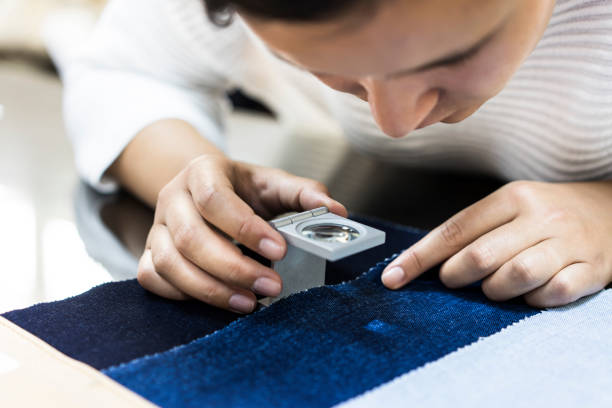
मूल्य निर्धारण में अंतर: 4-वे स्ट्रेच की लागत अधिक क्यों है?
थोक अमेरिका में डेनिम. आम तौर पर से लेकर होता है $4.99 को $9.75 प्रति गज. 4-वे स्ट्रेच इस स्पेक्ट्रम के ऊपरी सिरे पर बैठता है. लागत से संचालित होता है:
- पेटेंट फाइबर: LYCRA® DualFX® या T400® जैसे ब्रांडेड फाइबर का उपयोग करना.
- समापन प्रक्रियाएँ: 4-आयामों को स्थिर करने के लिए विशेष ताप-सेटिंग और संपीड़न सिकुड़न की आवश्यकता होती है.
विश्वसनीय फ़ैक्टरियाँ कैसे खोजें
आपूर्तिकर्ताओं की जाँच करते समय या अपने परिधान निर्माता को कपड़ा प्राप्त करने का निर्देश देते समय, बस मांगो मत “खिंचाव डेनिम.” आपको सत्यापित करना चाहिए:
- एएसटीएम डी3107 परीक्षण परिणाम: यह कपड़े के खिंचाव और वृद्धि को मापता है (वसूली). निम्न की तलाश करें “विकास” यह सुनिश्चित करने के लिए संख्याएँ कि घुटने टेकना न पड़े.
- वज़न: वजन की पुष्टि करें (9.5-12.5 औंस मानक है) आपके सीज़न से मेल खाता है.
- चौड़ाई: 4-सिकुड़न के कारण मार्ग के खिंचाव की प्रयोग करने योग्य चौड़ाई अक्सर कम होती है; सुनिश्चित करें कि यह आपके मार्कर लेआउट में फिट बैठता है.
विशिष्ट खिंचाव वाले कपड़ों के लिए MOQ और लीड टाइम्स
- थोक: रोल द्वारा बेचें (लगभग. 100 गज) या बोल्ट (15 गज). नमूना लेने के लिए अच्छा है.
- प्रत्यक्ष-से-मिल: उच्च MOQ की आवश्यकता है (अक्सर 3,000+ गज) लेकिन कस्टम मिश्रणों की अनुमति देता है (जैसे, मजबूती के लिए पॉलिएस्टर सामग्री को समायोजित करना). सीधे खरीदने पर सबसे अधिक नियंत्रण मिलता है “तकनीकी नुस्खा” आपके कपड़े का.
अंतिम विचार
2-वे और 4-वे स्ट्रेच के बीच चयन करना तकनीकी विशिष्टताओं से परे है. यह निर्णय अंततः आपके ब्रांड की पहचान को परिभाषित करता है. 2-रास्ता विश्वसनीय प्रदान करता है, क्लासिक जींस से अपेक्षित संरचित आराम. 4-रास्ता प्रीमियम वितरित करता है, आधुनिक के लिए आवश्यक बॉडी-हगिंग प्रदर्शन, सक्रिय उपभोक्ता.
तथापि, सही कपड़ा चुनना केवल आधी लड़ाई है. उच्च प्रदर्शन वाले स्ट्रेच डेनिम को एक परफेक्ट-फिटिंग परिधान में बदलने के लिए एक विनिर्माण भागीदार की आवश्यकता होती है जो संकोचन नियंत्रण और पैटर्न इंजीनियरिंग जैसे महत्वपूर्ण तकनीकी विवरणों को समझता हो।.
पर Changhong, हम उच्च गुणवत्ता वाले डेनिम परिधान बनाने में विशेषज्ञ हैं. हम सर्वोत्तम कपड़ों के स्रोत के लिए अपने गहरे उद्योग संबंधों का लाभ उठाते हैं और जटिल उत्पादनों को संभालने के लिए अपनी तकनीकी विशेषज्ञता का उपयोग करते हैं - चाहे वह विंटेज 2-वे हो या तकनीकी 4-वे स्ट्रेच हो।. हम सुनिश्चित करते हैं कि आपके डिज़ाइन परिशुद्धता के साथ निर्मित हों, पैर मुड़ने या सिकुड़न जैसे जोखिमों को कम करना.
आपके संग्रह को जीवंत बनाने के लिए तैयार हैं? हमारा अन्वेषण करें ओईएम & ओडीएम विनिर्माण क्षमताएं और चांगहोंग.
अक्सर पूछे जाने वाले प्रश्नों
के बीच क्या अंतर है “आरामदायक खिंचाव” और “शक्ति खिंचाव”?
ये शब्द खिंचाव की डिग्री को परिभाषित करते हैं, सिर्फ दिशा नहीं. आरामदायक खिंचाव (2-वे डेनिम में आम) आम तौर पर 10-35% बढ़ाव प्रदान करता है, सिल्हूट में बदलाव किए बिना आवाजाही में आसानी के लिए डिज़ाइन किया गया. शक्ति खिंचाव (अक्सर 4-वे डेनिम में पाया जाता है) से अधिक है 40% उच्च के साथ बढ़ाव “प्रत्याहारक बल,” शरीर को आकार देने और कमर के अंतराल को खत्म करने के लिए इंजीनियर किया गया.
क्या 4-वे स्ट्रेच डेनिम समय के साथ ढीला हो जाता है??
हाँ, ऑल स्ट्रेच डेनिम पहनने के साथ आराम देता है. तथापि, 4-डुअल-कोर तकनीक से बना डेनिम (इलास्टेन + पॉलिएस्टर रिकवरी फाइबर) जेनेरिक स्पैन्डेक्स मिश्रणों की तुलना में काफी कम ढीला होगा. The “विकास” यदि कपड़ा ठीक से हीट-सेट किया गया हो तो तापमान न्यूनतम होना चाहिए.
क्या 2-वे स्ट्रेच डेनिम 4-वे की तुलना में अधिक टिकाऊ है?
आम तौर पर, हाँ. 2-जिस तरह से डेनिम में अक्सर ताना-बाना में अधिक कपास स्थिरता के साथ एक सरल निर्माण होता है. 4-रास्ता खिंचाव, जबकि टिकाऊ, इसमें अधिक सिंथेटिक फिलामेंट्स होते हैं जो उच्च ताप के प्रति संवेदनशील हो सकते हैं (इस्त्री) या उपयोग के वर्षों में घर्षण घर्षण.
क्या आप 4-वे स्ट्रेच डेनिम पर हेवी स्टोन वॉशिंग लगा सकते हैं??
तुम्हे सावधान रहना चाहिए. भारी पत्थर धोना या ब्लीचिंग नाजुक इलास्टेन फाइबर को नुकसान पहुंचा सकती है, जिससे वे टूट गए (जिसके परिणामस्वरूप “उत्साह से भरा हुआ” कपड़े की सतह पर). 4-लचीलेपन को बनाए रखने के लिए आमतौर पर खिंचाव के लिए हल्के एंजाइम वॉश की आवश्यकता होती है.
प्लस-साइज़ डेनिम के लिए कौन सा स्ट्रेच टाइप बेहतर है??
4-प्लस-साइज़ अनुप्रयोगों के लिए वे स्ट्रेच आमतौर पर बेहतर होता है. 360° गतिशीलता दबाव बिंदु या कमर में अंतराल पैदा किए बिना शरीर के मोड़ को अधिक आराम से ढालती है, जबकि बैठने पर दोतरफा खिंचाव कभी-कभी प्रतिबंधात्मक महसूस हो सकता है.