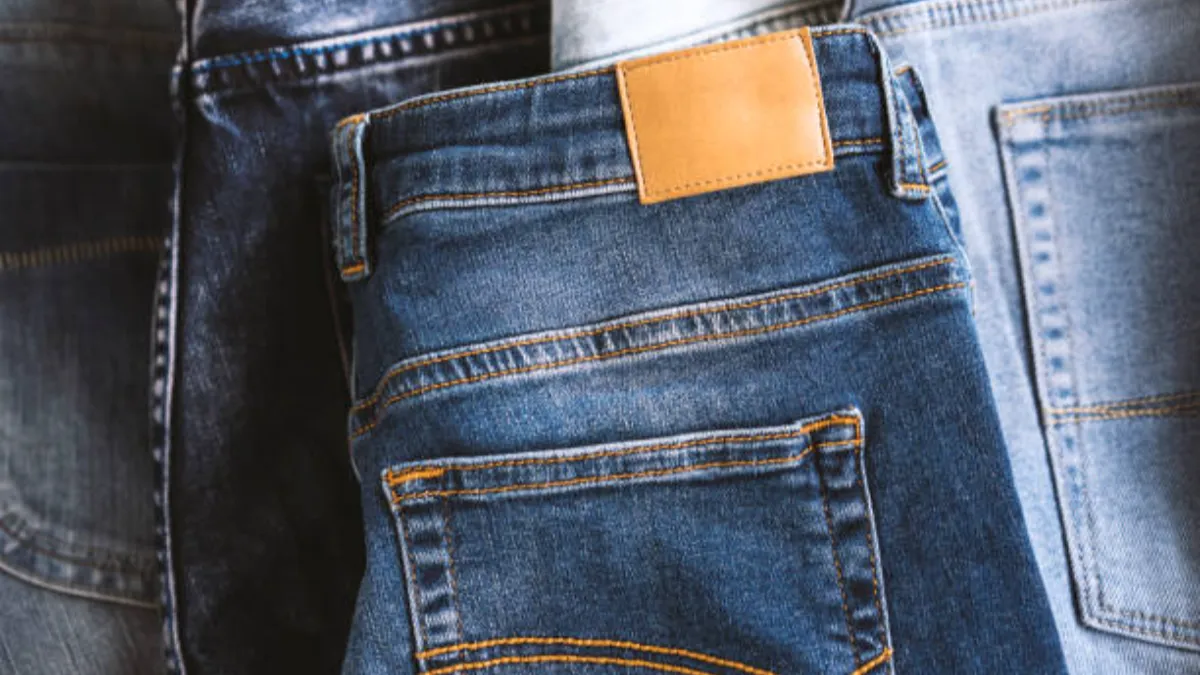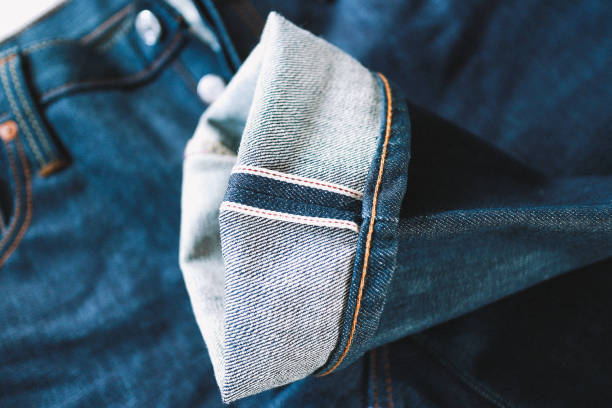
يعد غسل الجينز وتشطيبه أمرًا بالغ الأهمية لتحديد المظهر, يشعر, وأداء الجينز. العلامات التجارية, المصممين, ويعتمد المشترون جميعًا على فهم الاختلافات بين عملية الدنيم الرطبة وعملية الدنيم الجافة لخلق تناسق, منتجات عالية الجودة.
يغطي دليل غسيل الدنيم الشامل الأنواع, مبادئ, المؤثرات البصرية, وجوانب الاستدامة لكل من العمليات الرطبة والجافة. يوفر الدليل أيضًا رؤى قابلة للتنفيذ للحصول على مصادر من الشركات المصنعة الموثوقة للدنيم, ضمان تلبية مجموعتك لتوقعات السوق.
ما هي عمليات الدنيم الرطبة والجافة
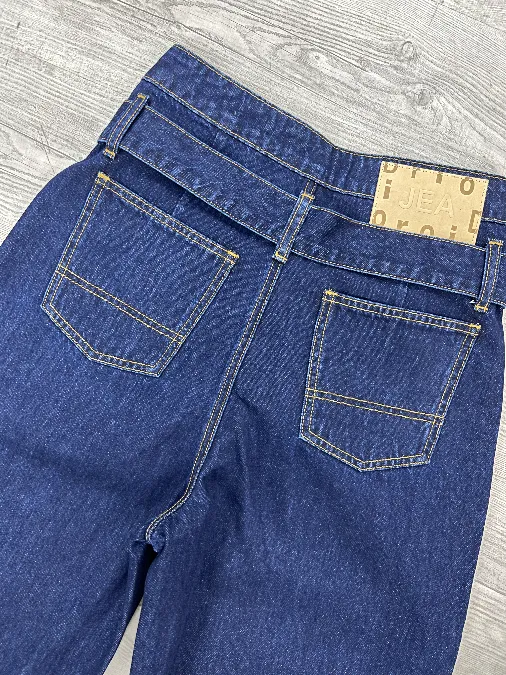
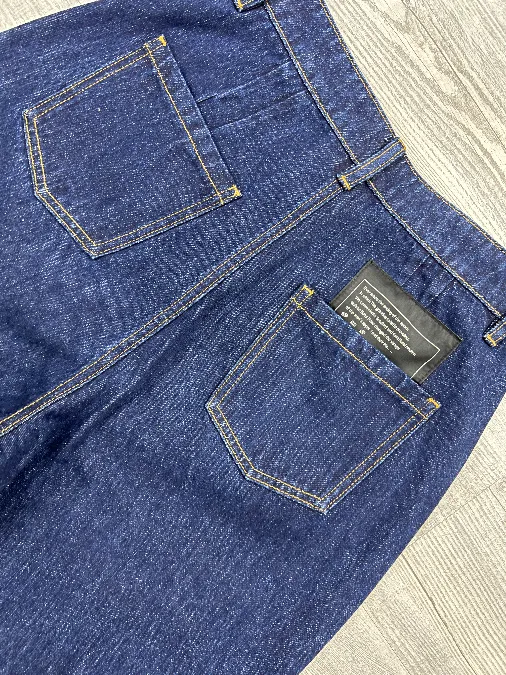
يمكن تصنيف تشطيب الدنيم على نطاق واسع إلى مرحلتين رئيسيتين: المعالجة الرطبة والمعالجة الجافة. كلاهما لهما أدوار متميزة في تحقيق جودة الملابس المطلوبة.
عملية الدنيم الرطبة
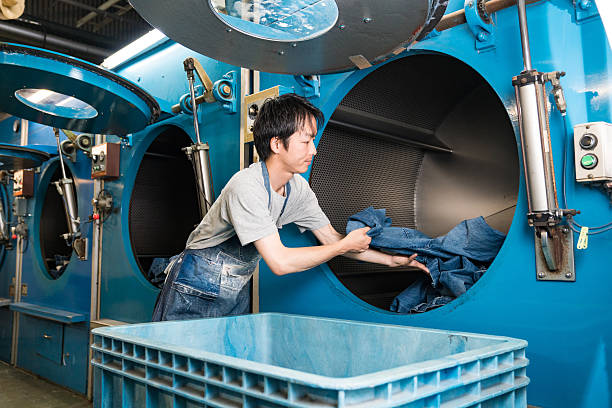
تتضمن عملية تبليل الدنيم استخدام الماء, المواد الكيميائية, الانزيمات, أو إجراء ميكانيكي لمعالجة بنية القماش, لون, ويشعر اليد. يتم إجراؤه عادةً بعد خياطة الملابس وهو ضروري لخياطة الملابس:
- يتلاشى اللون وتعديل الظل
- نعومة القماش
- استقرار الأبعاد والتحكم في الانكماش
- تحضير الملابس لعمليات التشطيب اللاحقة
عملية تجفيف الدنيم
تركز عملية تجفيف الدنيم على التأثيرات المرئية والسطحية المطبقة بعد الغسيل الرطب. وتشمل التقنيات التآكل, التجعيد, التشطيب بالليزر, وتطبيق الراتنج. لا تؤدي المعالجة الجافة إلى تغيير البنية الأساسية للنسيج ولكنها تعزز المظهر الجمالي للملابس من خلال إنشاء أنماط, شعيرات, أو القوام المتعثرة.
جدول المقارنة: العملية الرطبة مقابل العملية الجافة
| ميزة | عملية الدنيم الرطبة | عملية تجفيف الدنيم |
|---|---|---|
| غاية | ضبط هيكل النسيج, لون, والنعومة | إنشاء تأثيرات بصرية وأنماط الملمس |
| طريقة | ماء, المواد الكيميائية, الانزيمات, العمل الميكانيكي | كشط يدوي/يدوي, الليزر, الراتنج, الأدوات الميكانيكية |
| منصة | ما بعد الخياطة, التشطيب المسبق | بعد الغسيل الرطب والتجفيف |
| التأثير البصري | يتلاشى اللون الموحد, يد ناعمة | التجاعيد, شعيرات, حواف متعثرة, القوام تنقش |
| التأثير على النسيج | يغير خصائص الألياف, فقدان القوة المحتملة | الحد الأدنى من التأثير على قوة النسيج |
| التقنيات المشتركة | غسل الحجر, غسل الانزيم, غسل التبييض, شطف & ينظف | شعيرات, طحن, كشط اليد, محنة الليزر, تجعد الراتنج |
نظرة عامة على أنواع عمليات الدنيم الرطبة
| عملية | مبدأ | تأثير بصري | الاعتبارات الرئيسية |
|---|---|---|---|
| غسل الحجر | هبط مع حجارة الخفاف | مظهر كلاسيكي ناعم مع لمسات باهتة | يمكن أن تضعف النسيج, تقلب الدفعة, ارتفاع استخدام المياه |
| غسل الانزيم | استخدام انزيمات السليوليز | سلس, يتلاشى تسيطر عليها | صديقة للبيئة من الحجارة, يحتاج إلى تحكم دقيق |
| غسل الحمض | الحجارة مع المواد الكيميائية المؤكسدة | تباين دراماتيكي, اللون العالي والمنخفض | خطر تلف القماش, التعامل مع المواد الكيميائية المطلوبة |
| ضوء / واسطة / غسل الظلام | المدة والقوة الكيميائية | الضوء الشامل إلى الظل الداكن | يوازن اللون والنعومة, يتطلب مراقبة الجودة |
| غسل التبييض | عامل مؤكسد كيميائي | شاحب جدا, نظرة مهترئة | ارتفاع خطر ضعف الألياف واصفرارها |
| شطف & ينظف | شطف الماء البسيط | شبه خام, الحد الأدنى من التلاشي | يحافظ على قوة القماش, الحد الأدنى من التغيير البصري |
| صبغ زائد / لون | تطبيق الصبغة بعد الغسيل | ظلال مخصصة فريدة من نوعها | يضيف المرونة ولكنه يزيد من تعقيد العملية |
الأنواع الرئيسية من عمليات الدنيم الرطبة
غسل الحجر
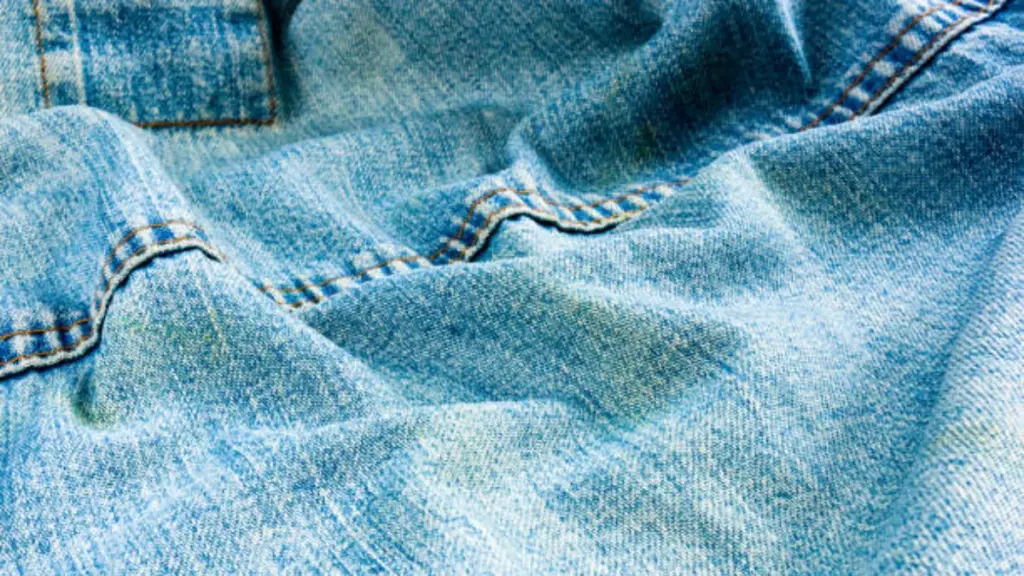
غسل الحجر هو عملية تقليدية مبللة بالدنيم حيث يتم غمس الملابس بأحجار الخفاف. يؤدي الاحتكاك إلى تآكل الألياف السطحية المصبوغة باللون النيلي, إنتاج البالية, نظرة خمر. تعمل هذه العملية على تنعيم الدنيم وتقليل الصلابة, إعطاء شعور مريح لليد. يمكن التحكم في شدة الغسيل من خلال حجم وكمية الحجارة, وقت الهبوط, وسرعة الدوران الميكانيكية, السماح بالاختلافات من بهتان الضوء إلى التأثيرات القديمة الثقيلة.
| الايجابيات | سلبيات |
|---|---|
| يخلق طبيعيا, يتلاشى الناعمة | يمكن أن تضعف ألياف النسيج |
| يعزز راحة الملابس | الاختلاف من دفعة إلى دفعة ممكن |
غسل الانزيم
يستخدم الغسول الإنزيمي إنزيمات السليوليز لتكسير ألياف القطن بشكل انتقائي على سطح الدنيم. هذا التفاعل الكيميائي الحيوي الذي يتم التحكم فيه يزيل اللون النيلي ويخلق أنماط بهتان سلسة مع الحفاظ على قوة القماش. تعتبر هذه العملية أكثر اتساقًا من غسل الحجر ويمكن إدارتها بدقة من خلال تركيز الإنزيم, درجة حرارة, والمدة. غالبًا ما يُفضل استخدام الدنيم الفاخر لتحقيق بهتان قابل للتكرار دون حدوث تآكل ميكانيكي كبير.
| الايجابيات | سلبيات |
|---|---|
| سلس, يتلاشى موحدة | يتطلب مراقبة دقيقة لنشاط الانزيم |
| ضرر أقل للألياف من غسل الحجر | تكلفة معالجة أعلى قليلاً |
غسل الحمض
يجمع الغسول الحمضي بين أحجار الخفاف والمواد الكيميائية المؤكسدة لإزالة اللون النيلي وإنتاج بهتان عالي التباين. التفاعل الكيميائي بين المؤكسد والنيلي يخلق مناطق فاتحة ومظلمة غير منتظمة, إعطاء الدنيم دراماتيكية, نظرة الرجعية. معلمات العملية مثل التركيز الكيميائي, وقت التعرض, ويتم التحكم في حركة الحجر بعناية لتحقيق تأثيرات بصرية متسقة مع تقليل تلف القماش.
| الايجابيات | سلبيات |
|---|---|
| تأثير عالي التباين مميز | خطر إضعاف النسيج |
| يحركها الاتجاه, ملفتة للنظر | يتطلب معالجة كيميائية دقيقة |
ضوء / واسطة / غسل الظلام
تعمل هذه الغسلات على ضبط عمق البهتان من خلال التحكم في القوة الكيميائية, مدة الغسيل, والإثارة. يغسل خفيف إنتاج لينة, تلاشى الدنيم, غسالات متوسطة توازن اللون وملمس اليد, وتحتفظ الغسلات الداكنة بالنيلي الأعمق مع الحد الأدنى من البهتان. تسمح هذه العملية للعلامات التجارية بتقديم أنماط متنوعة تتراوح من الدنيم الفاتح إلى الدنيم الداكن المميز, مع الحفاظ على جودة الملابس المتسقة من خلال مراقبة الجودة الدقيقة.
| الايجابيات | سلبيات |
|---|---|
| مجموعة متنوعة من الظلال | يتطلب مراقبة الجودة الدقيقة للاتساق |
| يوازن اللون والنعومة | وقت معالجة أطول للتوحيد |
غسل التبييض
يستخدم غسول التبييض المؤكسدات الكيميائية لإزالة اللون المهم من الدنيم, خلق نغمات خفيفة للغاية وجماليات مهترئة. التركيز, التعرض, ويتم مراقبة عملية الشطف بعناية لمنع حدوث أضرار مفرطة. إنه مثالي لمواكبة الموضة, أنماط الدنيم الباهتة ولكن يجب التحكم فيها للحفاظ على سلامة القماش.
| الايجابيات | سلبيات |
|---|---|
| يخلق دراماتيكية, الدنيم الشاحب | ارتفاع خطر ضعف الألياف |
| شعبية للتصاميم يحركها الاتجاه | قد يسبب الاصفرار إذا لم يتم السيطرة عليه |
شطف & ينظف
شطف & التنظيف هو عملية رطبة بسيطة لإزالة النشا, التحجيم, والشوائب السطحية دون التأثير بشكل ملحوظ على اللون. وهذا يحافظ على جماليات الدنيم شبه الخام ويحافظ على قوة القماش, توفير نظيفة, ملمس طبيعي لليد.
| الايجابيات | سلبيات |
|---|---|
| يحافظ على قوة القماش | تأثير جمالي محدود |
| يحافظ على مظهر شبه خام | غير مناسب للتلاشي الشديد |
صبغ زائد / غسل الصبغة
يطبق غسول الصبغة الزائدة أو الصبغة أصباغ إضافية بعد الغسل الأساسي لإنشاء ظلال موسمية فريدة. هذه الطريقة تسمح بالإبداع, ألوان مخصصة وتصميمات تعتمد على الموضة مع الحفاظ على جودة القماش.
| الايجابيات | سلبيات |
|---|---|
| خيارات ألوان مرنة | يتطلب مراقبة دقيقة للاتساق |
| يعزز جاذبية الموضة | يضيف تعقيد العملية والتكلفة |
نظرة عامة على أنواع عمليات تجفيف الجينز
| عملية | فئة | مبدأ | تأثير بصري | طريقة |
|---|---|---|---|---|
| كشط اليد / الصنفرة اليدوية | التآكل اليدوي | يتم تطبيق ورق الصنفرة يدويًا على الجينز | يتلاشى الطبيعي مع عمق الطبقات | يقوم العمال المهرة بكشط مناطق مثل الفخذين يدويًا, الركبتين, جيوب |
| غسل القرد / رذاذ PP | التآكل اليدوي | يتم رش محلول المنغنيز العالي على المناطق المستهدفة | أكثر إشراقا, يتلاشى بشكل أسرع | يجمع بين التفاعل الكيميائي والاستهداف اليدوي |
| ساندبلاست | التآكل اليدوي | مسدس هواء عالي الضغط مزود بمواد كاشطة | وعرة, نظرة البالية بشدة | تم استبداله إلى حد كبير بالليزر بسبب المخاطر الصحية |
| شعيرات / شارب | 3د الملمس | أنماط التجاعيد في الوركين والفخذين | الطيات الطبيعية وخطوط التلاشي | النقش اليدوي أو الليزر |
| طحن / مدمر | 3د الملمس | تآكل الحواف والدرزات | الثقوب, مرض جلدي, حواف البالية | طحن آلي أو يدوي |
| الراتنج / 3د كرينكل | 3د الملمس | تطبيق الراتنج وإعداد درجة الحرارة العالية | طيات دائمة بعمق ملموس | رش الراتنج وإعداد الحرارة |
| صبغ التعادل / وضع العلامات | الزخرفة | ربط الملابس أو تعليقها | أنماط كشط أو صبغ موضعية مخصصة | التلاعب باليد والتشطيب الكيميائي |
الأنواع الشائعة لعمليات تجفيف الجينز
يدوي / التآكل الميكانيكي
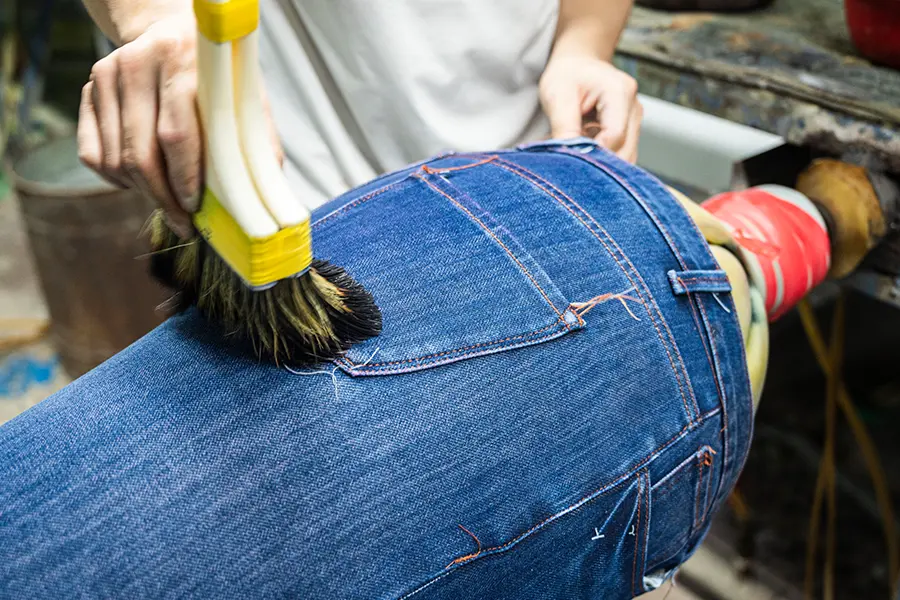
- كشط اليد / الصنفرة اليدوية: يستخدم العمال ورق الصنفرة لكشط المناطق يدويًا مثل الفخذين والوركين, خلق يتلاشى الطبيعي مع عمق الطبقات. تؤكد هذه التقنية المتميزة على التآكل, نظرة خمر. العمالة الماهرة ضرورية لتحقيق الاتساق, ضمان أنماط ارتداء واقعية وملمس ناعم لليد.
- غسل القرد / رذاذ PP: يتم رش محلول عالي المنغنيز على المناطق المستهدفة, إنتاج مشرق, يتلاشى السريع. غالبًا ما يتم دمجه مع تجريف اليد, تعمل هذه الطريقة على تسريع الإنتاج مع الاستمرار في تحقيق تأثيرات التمييز التي يمكن التحكم فيها.
- ساندبلاست: يتم تطبيق هواء عالي الضغط ممزوجًا بمواد كاشطة على القماش, إنتاج وعرة, نظرة البالية بشدة. بسبب المخاطر الصحية مثل داء السيليكات, لقد حظرت العديد من العلامات التجارية هذه الطريقة, مع استبداله بالليزر تدريجيًا من أجل السلامة والدقة.
3د الملمس & دمار
- شعيرات / شارب: يخلق أنماط التجاعيد في الوركين والفخذين, محاكاة الطيات الطبيعية من التآكل لفترات طويلة. يمكن تطبيقه يدويًا أو باستخدام الليزر للحصول على ملمس وعمق ثلاثي الأبعاد واقعيين.
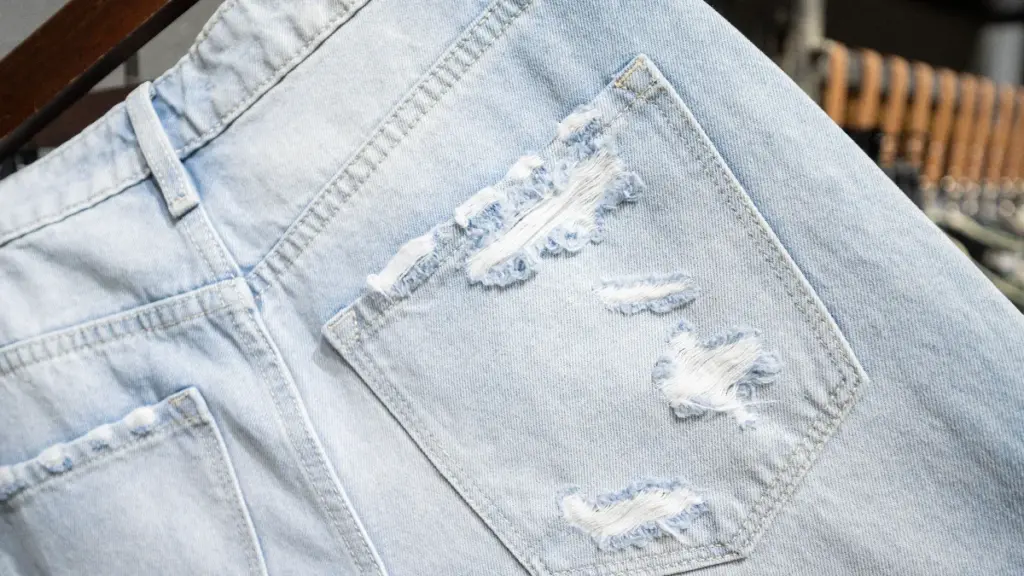
- طحن / مدمر: تعمل الآلات أو الأدوات اليدوية على كشط الحواف والدرزات, تشكيل الثقوب, يتآكل, والمناطق البالية. شعبية في أنماط الشارع الشهير, يضيف مظهرًا متعثرًا عمدًا.
- الراتنج / 3د كرينكل: يتم تطبيق الراتنج على المناطق المستهدفة ويتم ضبطه بالحرارة لتشكيل طيات ثلاثية الأبعاد دائمة. يعزز كلا من العمق البصري والملمس الملموس, خلق ميزات التصميم الدائم.
- صبغ التعادل / وضع العلامات: يتم ربط الملابس أو تعليقها ومعالجتها بالكشط أو الصبغ لإنتاج أنماط موضعية. يضيف التخصيص والتأثيرات الفنية الفريدة, الدنيم جذابة بصريا.
دنيم مخصص يُضفي الحيوية على علامتك التجارية
الثورة المستدامة في معالجة الدينيم
المشكلة الأكبر فيما يتعلق بمعالجة الدنيم هي تأثيرها البيئي. تقليديا, كانت الصناعة كثيفة الاستخدام للمياه وتعتمد على المواد الكيميائية. لكن, هناك تحول تكنولوجي هائل يجري, الانتقال من “الفن عن طريق المواد الكيميائية” ل “الفن عبر التكنولوجيا.”
1. التشطيب بالليزر
تحل تقنية الليزر محل الصنفرة اليدوية, خفق, والدمار.
- الفائدة: يمكن أن يحرق الليزر نمطًا عتيقًا على زوج من الجينز 90 ثواني, عملية تأخذ الإنسان 10-15 دقائق. فهو يزيل الغبار الناتج عن الصنفرة ويقلل بشكل كبير من كثافة اليد العاملة.
2. غسل الأوزون
الأوزون (O3) يستخدم الغاز لتبييض الدنيم بدون ماء.
- الفائدة: يهاجم الأوزون جزيء النيلي ثم يتحول مرة أخرى إلى أكسجين عادي. يمكنها تجريد اللون والتنظيف “صباغة خلفية” (جيوب قذرة) مع صفر تصريف المياه وصفر بقايا كيميائية.
3. نانو فقاعة (التدفق الإلكتروني) تكنولوجيا
بدلاً من ملء الغسالة بآلاف اللترات من الماء, هذه التكنولوجيا تخلق “ضباب” من فقاعات النانو التي تحتوي على مواد كيميائية أو راتنجات.
- الفائدة: يسمح بتطبيق المواد الكيميائية باستخدام الحد الأدنى من الماء (تقليل استهلاك المياه بنسبة تصل إلى 95%) ويضمن عدم وجود نفايات كيميائية.
4. الحجارة الاصطناعية
لاستبدال أحجار الخفاف (التي تستخرج الموارد الطبيعية وتخلق الحمأة), تتجه الصناعة نحو الأحجار البيئية الكاشطة الاصطناعية أو كرات البوليمر القابلة لإعادة الاستخدام والتي تعمل على كشط الدنيم دون أن تتفكك.
اختيار العملية الرطبة والجافة المناسبة لخط الجينز الخاص بك
يعد اختيار المجموعة الصحيحة من العمليات الرطبة والجافة قرارًا استراتيجيًا يؤثر بشكل مباشر على جودة المنتج, يكلف, قابلية التوسع, وقبول السوق. عند تقييم خيارات التشطيب, يجب أن تركز العلامات التجارية على العوامل الرئيسية التالية:
- السوق المستهدف وتحديد المواقع
غالي, غالبًا ما يتطلب الدنيم العصري غسالات إنزيمية خاضعة للرقابة وعمليات تجفيف مفصلة مثل الشعيرات أو تجعيد الراتنج, بينما تعطي أنماط السوق الشامل الأولوية للكفاءة والمتانة. - النتيجة البصرية المطلوبة
المظهر النهائي مهم. زي مُوحد, يعتمد التلاشي النظيف بشكل أكبر على العمليات الرطبة, بينما خمر, البالية, أو الأنماط المتعثرة تعتمد بشكل كبير على التقنيات الجافة. - نوع القماش والبناء
يتحمل الدنيم الأثقل الغسيل العنيف والتآكل بشكل أفضل من الأقمشة خفيفة الوزن أو القابلة للتمدد, التي تتطلب ألطف, المزيد من العمليات الخاضعة للرقابة. - التكلفة وحجم الإنتاج
تعمل مجموعات العمليات المعقدة على زيادة تكلفة الوحدة والمدة الزمنية. يجب أن توازن العلامات التجارية بين الأهداف الجمالية والجدوى التجارية. - الاتساق ومراقبة الجودة
بعض العمليات, وخاصة تقنيات التجفيف اليدوية, تتطلب عمالة ماهرة لضمان نتائج قابلة للتكرار عبر الإنتاج بالجملة. - الاستدامة والامتثال
استخدام المياه, التأثير الكيميائي, وتتزايد أهمية سلامة العمال. يغسل الانزيم, التشطيب بالليزر, وتساعد تقنيات الأوزون العلامات التجارية على تلبية التوقعات البيئية والتنظيمية.
الأفكار النهائية
يعد إتقان التوازن المعقد بين عمليات الدنيم الرطبة والجافة أمرًا ضروريًا, لكن امتلاك البنية التحتية المناسبة هو ما يحول تلك المعرفة إلى ربح. نظرًا لأن السوق يتطلب معايير استدامة أعلى وأوقات تسليم أسرع, فالاعتماد على أساليب عفا عليها الزمن لم يعد خيارا. يجب أن تكون أجهزتك متقدمة مثل تقنياتك.
في Changhong, نحن نقدم حلول الغسيل والصباغة الصناعية اللازمة للحفاظ على القدرة التنافسية في هذا المشهد المتطور. سواء كنت تقوم بترقية جهاز واحد أو تخطط لإجراء إصلاح شامل للمنشأة, خبراؤنا موجودون هنا لمساعدتك على تحسين الكفاءة والجودة.
على استعداد لرفع مستوى خط إنتاج الدنيم الخاص بك? اتصل بنا اليوم للحصول على استشارة مهنية, أو استكشف مجموعتنا الكاملة من آلات تشطيب المنسوجات للعثور على الحل الأمثل لعملك.