Choosing between light and dark wash denim can be tough for brands and sourcing managers, as each option affects aesthetics, production costs, and long-term performance. A misstep—such as focusing only on appearance—can leave you with stock that looks appealing at launch but underperforms in the market. This guide explains the technical and commercial distinctions between the two washes, detailing finishing methods like ozone and enzyme treatments, fabric strengths, pricing considerations, and environmental impact, and concludes with sourcing strategies to secure stronger terms and faster lead times from manufacturers.
What Is Light Wash Denim?
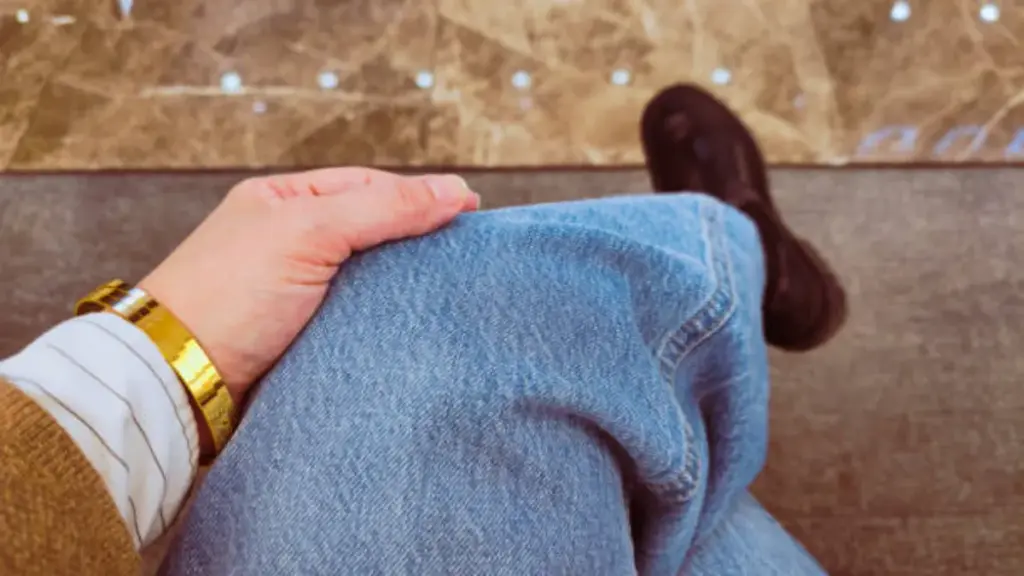
Light wash denim is produced by subjecting raw or dark indigo fabric to long, high‑intensity wash cycles that strip away much of the indigo dye. This yields a pale, worn‑in appearance with a softer hand feel. For sourcing teams, the finish delivers a casual, trend‑friendly look but often at the expense of fabric strength and long‑term durability.
How It’s Made
Common processes include stone washing, enzyme washing, and bleaching, all of which consume significantly more water, energy, and chemicals than standard finishes. This aggressive mechanical action increases abrasion risk; while ozone or laser finishing can help reduce environmental impact, many mills still rely on traditional methods, raising defect rates and shortening fabric lifespan.
Market Positioning
Light wash denim leads in youth‑focused and casual segments, particularly in summer releases and fast fashion programs where a relaxed, faded aesthetic drives quick turnover. Buyers in these categories typically prioritize trend relevance and speed to market over longevity, making light wash best suited for collections with short selling windows.
Fabric Characteristics
These styles are typically made from mid‑ to lightweight cotton blends for enhanced comfort and drape. Incorporating softer fibers like Tencel or recycled cotton can improve hand feel, but heavy washing still weakens yarn structure. Production teams should expect greater wear over time than with darker washes and allocate budget for tighter quality control—ideally AQL 2.5 or better—to intercept abrasion‑related defects before shipment.
What Is Dark Wash Denim?
Dark wash denim is finished using short, gentle processes such as rinse or enzyme washes that remove minimal indigo, preserving the fabric’s deep blue tone and core strength. For sourcing teams, this approach offers a resource-efficient option—consuming less water and fewer chemicals than heavy distressing—helping manufacturers meet both cost control and sustainability objectives.
Durability and Market Positioning
By avoiding harsh treatments, dark wash denim retains dye saturation and fiber integrity, producing garments that hold their color and structure over extended wear. These attributes are valued in premium lines, classic everyday staples, and corporate uniforms. Brands aiming for consistent sell-through across multiple seasons often choose this finish to lower returns from premature fading or fabric degradation.
Fabric Characteristics
Dark wash styles typically use mid‑ to heavy‑weight 100% cotton denim, which begins firm but softens with wear while maintaining shape. Strong fiber integrity delivers a sturdy hand feel and slows breakdown under repeated laundering, resulting in fewer warranty claims and a higher cost‑per‑wear value—a strategic fit for collections prioritizing quality and long-term performance.
Key Differences Between Light Wash Denim and Dark Wash Denim
| Attribute | Light Wash Jeans | Dark Wash Jeans |
|---|---|---|
| Target Market | Youth / Casual / Streetwear / Summer Collection | Adult / Mature / Premium / All-Season Collection |
| Fabric & Dyeing | Soft cotton, stone wash, light fading, vintage look | High-density cotton, uniform indigo dye, maintains stiffness |
| Production Complexity | Additional washing, sanding, and fading steps; slightly longer lead time | Stable dyeing process, higher production efficiency, easier batch control |
| Cost Factors | Extra labor and chemicals for wash/fade increases cost | Stable process, cost predictable in bulk production |
| Durability / Reorder Potential | More prone to fading/wear; may affect long-term reorder | Durable, resistant to fading; suitable for long-term sales |
| Product Line Expansion | Ideal for casual pants, summer/lightweight series | Suitable for semi-formal, autumn/winter, all-season series |
| Batch Production & Inventory | Requires strict wash consistency; batch differences possible | Mature process; consistent batch quality; easier inventory management |
| Market Trend | Fast fashion / youth-oriented / short-term trend | Evergreen classic; long-term stable demand |
| Buyer Considerations | Fashionable colors, trend appeal, younger audience | Durability, versatility, all-season usability |
| Marketing / Selling Points | Vintage, casual, streetwear vibe | Premium, classic, versatile, mature image |
Visual and Aesthetic Contrasts
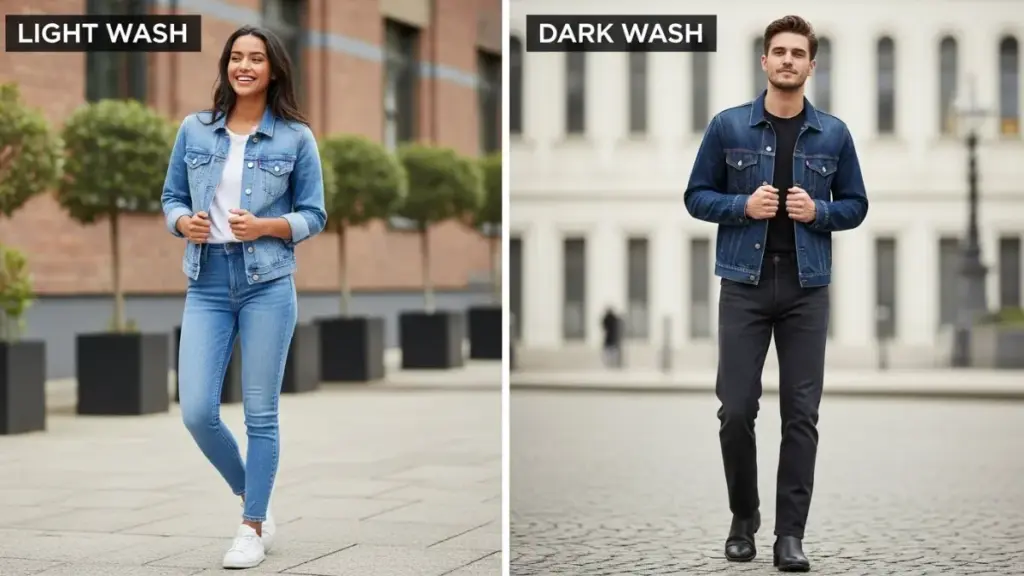
Light wash denim has a soft, worn-in look that fits casual and trend‑driven collections, and pairs well with distressed effects or vintage-inspired cuts. Dark wash retains a deep indigo tone for a cleaner, more versatile aesthetic that works across premium and workwear lines. Many producers now use laser or ozone finishing to achieve consistent tone while cutting water consumption.
Manufacturing and Cost Implications
Producing light washes involves longer wash cycles, stronger abrasives, and sometimes stone washing, which can cut fabric yield by around eight to twelve percent and require additional chemical neutralization. Dark washes are quicker to process, use fewer chemicals, and protect fiber integrity, often delivering output gains of five to seven percent. Mills with vertical integration and AI‑driven QC at AQL 2.5 can further close the cost gap by refining wash recipes and automating inspections.
Performance and Durability Differences
Heavy mechanical and chemical exposure during light wash processing can weaken fibers and shorten garment life, increasing warranty claims unless reinforced stitching or blended fibers such as Tencel are used. Dark wash fabric maintains weave density and colorfastness through repeated laundering, which lowers return rates and meets durability targets for corporate uniforms and other high‑wear applications.
Market Fit
Light wash is best suited to youth markets, casualwear, and fast fashion brands targeting short seasonal cycles. Dark wash aligns with classic, premium, or workwear collections where long‑term wear and a timeless style justify higher price points. In export sales, matching wash choice to regional trends—such as Europe’s growing preference for low‑water processes—can help lift order conversion rates.
Premium Custom Denim Tailored for Your Brand
Partner with Guangzhou Changhong Garment Co., Ltd. for expertly crafted denim with deep customization options, low minimum orders, and eco-friendly production. Elevate your brand with versatile styles and sustainable fabrics made in our integrated factory.
How Washing Affects Durability and Colorfastness
Wash type and processing intensity have a direct impact on both the lifespan and appearance of denim. Light and dark washes respond differently to mechanical stress, dye loss, and post-finish aging. For sourcing teams, understanding these differences is essential for aligning product specifications with market expectations, keeping return rates low, and setting realistic care guidelines for end users.
Impact of Wash Duration and Intensity
Extended wash cycles with aggressive agitation weaken yarn structure in light wash denim, reducing tensile strength and accelerating wear. Laser or ozone treatments can produce faded effects with less abrasion, helping preserve fabric integrity. Dark washes benefit from shorter, gentler processing that minimizes friction, and mills aiming for long-lasting garments often combine these methods with reinforced seam construction.
Color Retention in Light Wash Denim
Light washes strip more indigo during finishing, giving them a pale tone but increasing fade rates. Even with advanced resin finishes, they frequently achieve lower colorfastness ratings. Seasonal or fast-turnover lines may accept this as part of the aesthetic, while premium collections often mitigate it by incorporating blended fibers such as Tencel or GOTS-certified organic cotton to improve dye bonding.
Color Retention in Dark Wash Denim
Dark washes retain a higher proportion of the original indigo, keeping richer shades through multiple laundering cycles. This is especially valuable where precise dye lot matching and strict brand color standards matter. Mills often use sulfur top-dyeing in combination with controlled enzyme washes to achieve deep tones without compromising fabric hand-feel.
Maintenance of Light Wash Denim
Typically pre-shrunk and softened during processing, light wash jeans require minimal aftercare and retain shape after home laundering. This easy-care profile appeals to markets where convenience drives buying decisions and supports mass retail programs that position garments as low-maintenance wardrobe staples.
Maintenance of Dark Wash Denim
Dark wash jeans may release some excess dye during initial washes, creating a risk of color transfer. Clear, tested care instructions—such as cold washing, turning garments inside out, and laundering separately—help maintain depth of color and limit complaints. In export programs, multi-language care labels improve compliance and enhance customer satisfaction.
Importance of Tailored Care Instructions
Wash-specific guidance protects product quality and brand reputation while serving customer needs. Brands that issue targeted care cards for each wash type consistently see fewer returns and stronger repeat purchase rates. Matching instructions to actual lab results, such as AATCC colorfastness ratings, builds consumer trust and reinforces premium positioning.
Environmental Impact of Each Wash Type
Wash techniques affect both the look of denim and its resource footprint. Light and dark washes take different production routes, influencing water, energy, and chemical use in ways that sourcing managers must understand to align product design with sustainability commitments.
Resource Consumption
Light wash denim requires longer wash cycles that consume more water and energy, significantly increasing utility load. Dark wash processing is shorter and less intensive, resulting in lower resource consumption and a leaner production footprint.
Chemical Use and Waste
Achieving a faded light wash often involves heavy abrasion and stronger chemical agents to strip indigo, generating more waste and challenging effluent control. Dark wash relies on milder solutions and gentler finishing, which reduce discharge volumes and make compliance with environmental limits easier.
Sustainability Considerations
In my experience, dark wash jeans tend to meet corporate sustainability targets more easily by reducing resource demand at the outset. Light wash styles can still fit responsible sourcing agendas if paired with offset measures such as water recycling, ozone finishing, or laser treatments to mitigate their heavier footprint. Communicating these trade-offs transparently strengthens credibility with eco-focused buyers and supports a brand’s responsible image.
Cost and Production Efficiency Factors
Choosing a wash impacts more than a jean’s appearance—it shapes production costs, lead times, and defect risk. Light and dark washes follow different processing paths, each aligning with specific sourcing strategies. Understanding these distinctions allows brands to match finish choices with budget, quality control parameters, and market positioning goals.
Labor and Processing Costs
Light wash denim typically involves extended wash cycles with multi-stage chemical treatments and extra rinsing. Add-ons such as stonewashing, enzyme baths, or ozone finishing increase labor hours and utility use, often lifting unit processing costs by fifteen to twenty percent, especially where water recycling is limited. Dark wash runs remain simpler, using shorter drum times and fewer chemicals, making them easier to plan within tight deadlines and controlled budgets.
Fabric Yield and Defect Rates
Intensive abrasion in light wash treatments accelerates fiber wear, heightening the risk of tears, seam fraying, and uneven coloration—particularly in plants without modern laser-fade equipment. In contrast, dark washes with low-temperature dye fixation retain fabric integrity and deliver higher yields, cutting waste and lowering water reprocessing requirements. This strengthens both profitability and sustainability metrics.
Pricing and Market Position Implications
Given its heavier resource demand, light wash production suits short-lived fashion cycles or design-led capsules where instant visual impact trumps durability. Dark wash, with its lower unit cost and superior wear resistance, fits premium basics, corporate uniforms, and high-volume SKUs. Sourcing managers should weigh not just wash cost but full garment lifecycle, target price point, and whether suppliers can consistently meet standards like AQL 2.5 in large-scale runs.
How to Choose the Right Wash for Your Market
Choosing between light and dark wash denim is a market-driven decision that impacts durability, production cost, and brand positioning. The right option should align with your customers’ lifestyle, the intended product lifespan, and manufacturing capabilities. In my experience, brands that begin with a clear end‑user profile and match it to the appropriate finishing method avoid costly missteps in sampling and bulk production.
Assess customer demographics and preferences
Younger, trend-focused buyers often gravitate toward light wash denim with relaxed tones and vintage appeal, which works well in seasonal drops and capsule collections. Corporate uniform programs or classic menswear lines typically favor darker washes for a formal, enduring look. For eco-aware retailers, using laser or ozone finishing on light washes can cut water use by about 40%, turning sustainability into a selling point. Understanding age range, lifestyle patterns, and buying cycles allows you to position fabrics in line with natural purchasing habits.
Balance durability and aesthetic appeal
Light wash fabrics undergo heavier abrasion during processing, which can shorten garment life and make them best suited to short fashion cycles or frequent replenishment. Dark wash denim, often sanforized and finished with resin coatings, offers stronger resistance to fading and wear, meeting AQL 2.5 standards in many audits. Matching wash type to the garment’s expected use—such as frequent laundering in workwear—helps maintain brand reputation and control return rates. Requesting an indigo retention test early in development can prevent quality issues at final inspection.
Align cost constraints with brand positioning
Producing light washes typically calls for extra treatments such as stone washing, bleaching, and tinting, alongside higher water and energy consumption, all of which push up unit costs. They work well for premium and boutique labels where distinctive design can justify the expense. Dark washes, especially from vertically integrated mills, often deliver superior cost efficiency and faster turnaround, making them adaptable for both mass‑market programs and upscale lines. Experienced sourcing teams validate cost‑to‑quality ratios before committing to ensure the wash choice supports budget and brand story alike.
Expert Tips for Quality Control
Delivering consistent denim quality—whether for light or dark washes—requires precise process control, early detection of weaknesses, and clear communication with both mill and laundry teams. Brands that pair data-driven wash monitoring with disciplined record-keeping typically see lower rejection rates and stronger supplier reliability. The following practices can help prevent costly rework and ensure repeatable results.
Monitoring washing variables for consistency
Manage wash duration, drum loading, temperature, pH, and chemical dosing to keep shade and hand feel uniform. Advanced laundries often use automated dosing systems and IoT sensors to track water flow and chemical concentration in real time, cutting shade variance by up to one-third. Regularly calibrating laser and ozone finishing equipment—especially in sustainable wash programs—minimizes batch variation and reduces fabric abrasion.
Detecting and managing fabric weakness
Carry out tensile and tear strength tests after washing, not just on greige fabric. Skipping this step can cause unwelcome surprises at final inspection. If strength drops beyond acceptable limits, adjust mechanical action, lower stone load in enzyme baths, or switch to gentler technologies such as nebulized bleaching. Consistent fiber performance monitoring is essential in export programs to avoid high AQL 2.5 failure rates and post-shipment claims.
Communication and documentation best practices
Maintain detailed wash recipes, batch histories, and shade standards, and back them with clearly labeled swatches and Lab Dip approvals so laundries know exact targets. In vertically integrated setups, these records speed repeat orders without lengthy sampling. Robust documentation also accelerates root-cause analysis when defects arise and provides a firm baseline for improving both light and dark wash denim production.
FAQs
Here are answers to frequent sourcing and production questions from clients comparing light and dark wash denim. These insights draw on current market data and hands-on manufacturing experience to help apparel brands assess durability, cost profiles, and sustainability trade‑offs.
Which wash is more durable?
Dark wash jeans generally last longer because gentler finishing preserves cotton fiber strength. In contrast, light wash denim undergoes heavier abrasion and stronger chemical action, which in my experience can reduce tensile strength by roughly 10–15% over time. For workwear or uniform use, dark wash tends to be the safer choice.
Which style sells better globally?
Light wash often sells faster in youth‑focused and fast fashion markets, particularly in North America and Western Europe. Dark wash leads premium and classic ranges worldwide and remains the preferred choice for corporate uniforms thanks to its professional aesthetic and longer wear life.
How to reduce fading after washing?
Wash jeans inside out in cold water with mild detergent to slow color loss, and avoid high‑heat tumble drying—air drying keeps dyes intact longer. Extending the interval between washes to several wears also helps maintain depth of shade for months.
Which process is more eco-friendly?
Dark wash production typically consumes less water, energy, and chemicals, especially when mills adopt ozone or laser finishing. Light wash needs longer cycles and stronger bleaching agents, raising its environmental footprint. For GOTS or OEKO‑TEX certification, dark wash generally qualifies more easily.
How do MOQ and cost differ?
Light wash often drives higher MOQs due to multi‑stage processing and longer production times, which also raise per‑unit costs. Dark wash is simpler to produce, allowing lower trial quantities and tighter budgets. For initial market testing, I usually recommend starting with dark wash to control both costs and lead times.