In the world of denim, few terms are as frequently confused as selvedge denim and raw denim. Both represent craftsmanship, authenticity, and the heritage of traditional denim production—but they are not synonymous. As a denim manufacturer with more than 20 years of production expertise, Changhong Garment often educates buyers, brands, and designers on these distinctions. Understanding these differences ensures not only better sourcing decisions but also a clearer design strategy for your denim line.
Below, we break down the definitions, characteristics, differences, and usage scenarios so you can select the right denim for your brand’s requirements.
What You Need to Know
- Selvedge denim denotes a traditional weaving technique with finished fabric edges, while raw denim refers to unwashed denim fabric.
- Choosing between selvedge and raw denim depends on preferences for durability, aging characteristics, and production authenticity.
What Is Selvedge Denim?
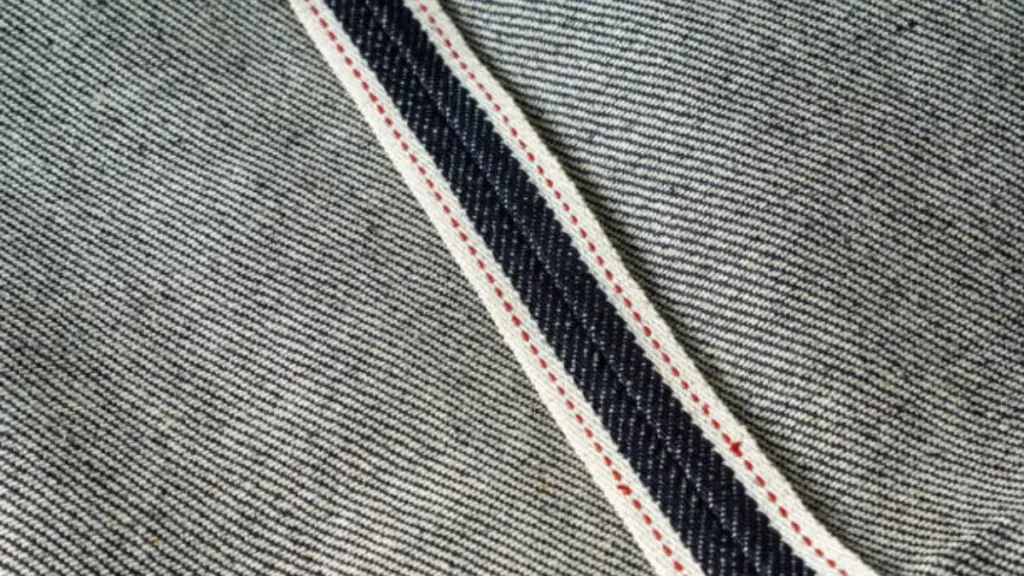
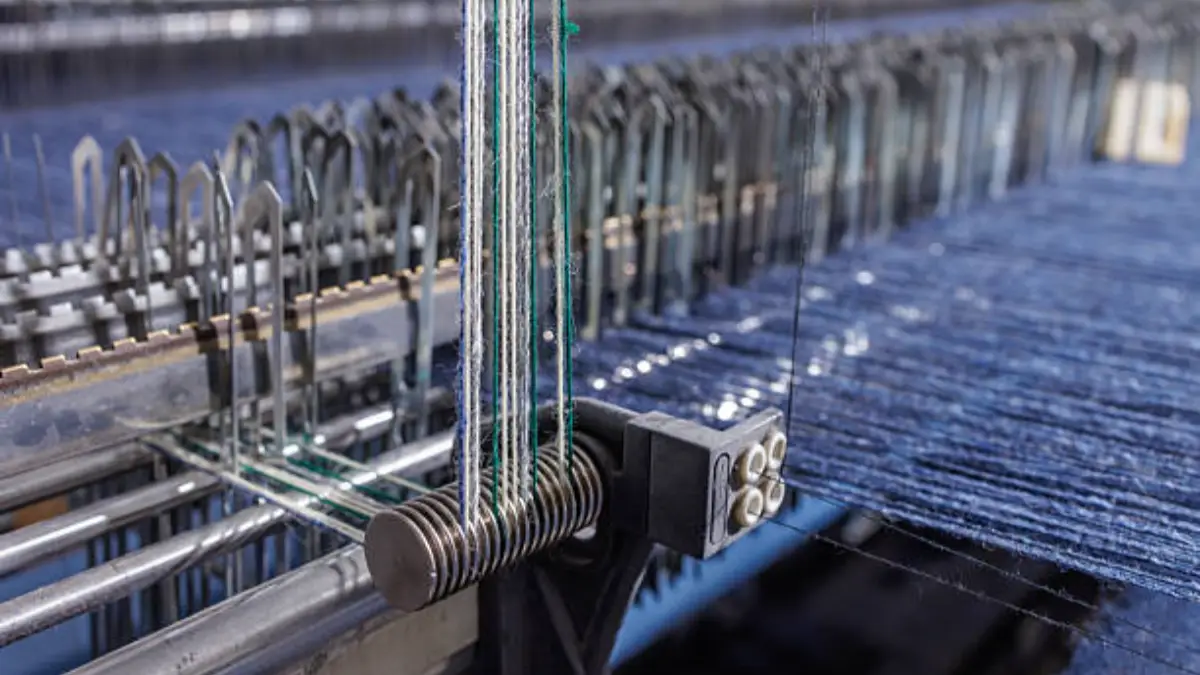
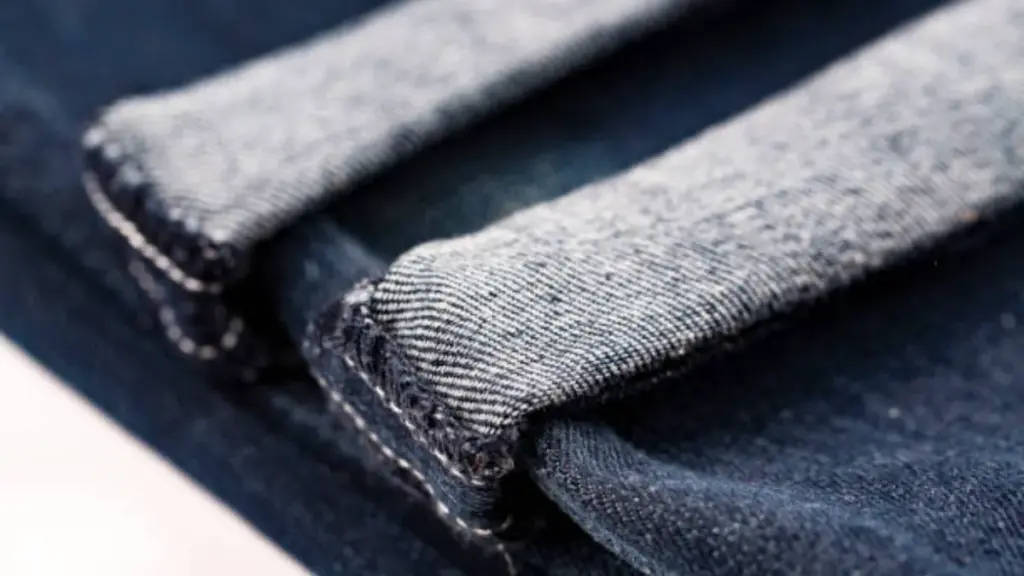
Selvedge denim refers to denim woven using traditional shuttle looms, which produce a tightly woven fabric with clean, self-finished edges known as the “self-edge”—or selvedge. This often appears as a white edge with a colored stripe (commonly red).
Key Characteristics of Selvedge Denim
- Woven on vintage shuttle looms
These looms create a denser, more uniform weave compared to modern projectile looms. - Iconic selvedge ID
The colored strip along the outseam becomes a visible design detail when cuffs are rolled. - More durable and higher quality
Shuttle weaving produces fewer loose fibers and improves longevity. - More expensive
Production is slower, and fabric width is narrower (about 28–32 inches), which increases fabric cost.
Why Brands Choose Selvedge Denim
- Appeals to heritage, premium, and artisanal denim markets.
- Strong storytelling value—heritage looms, craftsmanship, authenticity.
- Used by higher-end menswear brands, denim enthusiasts, and collectors.
History of Selvedge Denim
The story of selvedge denim is the story of denim itself. In the late 19th and early 20th centuries, all denim was produced on shuttle looms, making all denim fabric selvedge by default. This was the standard for American workwear, valued for its incredible strength and longevity.
However, as demand for jeans exploded in the mid-20th century, manufacturers sought faster and cheaper production methods. This led to the widespread adoption of modern projectile looms, which could produce wider fabrics at a much higher speed. By the 1980s, shuttle looms were considered obsolete in most of the world, and selvedge denim became a rarity.
The revival of selvedge denim was driven by a small group of Japanese manufacturers and denim purists in the 1980s and 90s. They purchased old American shuttle looms and dedicated themselves to recreating vintage-quality denim with an obsessive attention to detail. This dedication is why Japan is still considered the global leader in premium selvedge denim production.
Today, this history of selvedge denim has cemented its association with premium quality, craftsmanship, and authenticity. It represents a conscious choice to prioritize traditional methods over mass-market efficiency, a value that resonates deeply with discerning consumers. This rich heritage continues to influence modern denim manufacturing practices worldwide.
What Is Raw Denim?
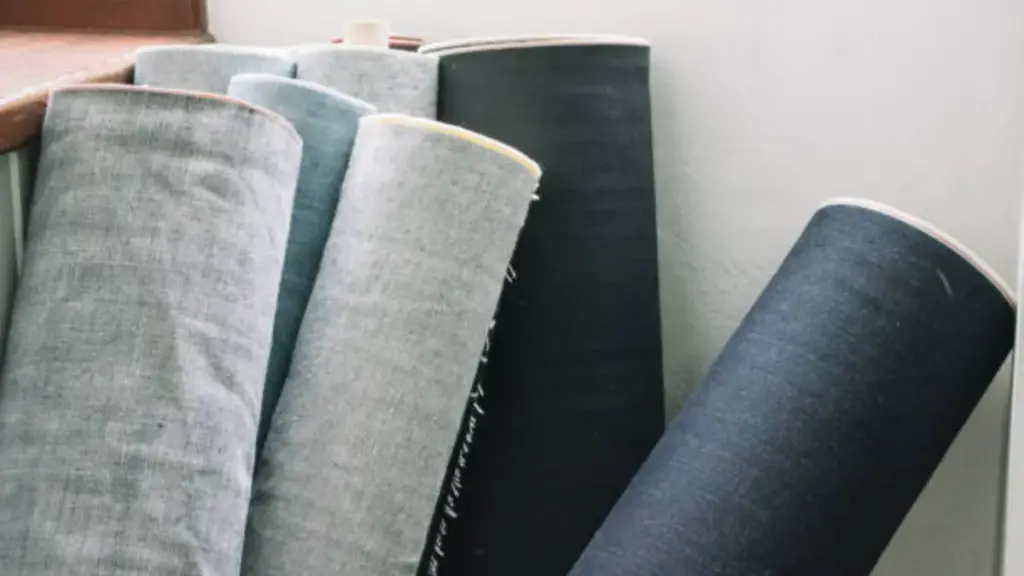
Raw denim—also known as dry denim—refers to denim fabric that has not undergone any washing or distressing after dyeing. The fabric goes directly from loom → dye → cutting → sewing → finished garment, without any pre-washing such as stone washing, enzyme washing, softening, or bleaching.
Key Characteristics of Raw Denim
- Deep, saturated indigo color
Because the fabric avoids pre-washing, the indigo dye remains rich and intense. - Stiff, crisp handfeel
The cotton fibers have not been softened, so the jeans feel rigid at first. - High fading potential
The long-term wear produces personalized fading patterns—“whiskers,” “honeycombs,” stacks. - Lower initial cost than selvedge
Raw denim can be made on modern wide looms, reducing weaving cost.
Why Brands Choose Raw Denim
- Suitable for modern, mainstream denim lines that still want authenticity.
- Ideal for customers who enjoy the aging/fading experience.
- Offers design flexibility—brands can later add washing effects to achieve a wide range of finishes.
Partner with Changhong for Flexible, Trend-Ready Denim Manufacturing
Scale your denim brand with Changhong’s fast sampling, flexible MOQs, and private-label OEM/ODM solutions. From classic fits to sustainable blends, get quality jeans aligned with global standards and competitive pricing designed to amplify your retail margins.
Difference Between Selvedge Denim vs Raw Denim
To help buyers and sourcing teams clearly understand how these two terms differ in manufacturing, performance, and cost, the table below summarizes the key distinctions between selvedge denim and raw denim.
| Criteria | Selvedge Denim | Raw Denim |
|---|---|---|
| Definition | Woven on shuttle looms with a clean self-finished edge | Denim that has not been washed or treated after dyeing |
| Key Process | Traditional weaving method | Finishing stage (no washing) |
| Fabric Width | Narrow (28–32 inches), higher fabric consumption per unit | Wide (58–62 inches), more efficient for mass production |
| Cost Level | High — slow loom speed, limited capacity, higher waste rate | Moderate — varies by weight, mill, and cotton quality |
| MOQ Flexibility | Lower flexibility due to limited mill output | Highly flexible, easy for mid–large scale production |
| Lead Time | Longer (loom capacity constraints) | Shorter and more predictable |
| Durability | Very high — tighter weave, less fraying | High — varies by weight and construction |
| Fading Characteristics | Sharper, more refined fades | Strong contrast fades but less uniform |
| Target Customer | Premium, heritage, collectors, denim enthusiasts | General consumers, streetwear, mid-tier fashion |
| Ideal Use Cases | Limited editions, high-end menswear, capsule collections | Mass production, custom washes, unisex collections |
| Manufacturing Efficiency | Low — slow loom speed, longer cut time | High — ideal for large-scale retail orders |
Fabric Construction
Selvedge denim is defined by its weaving method. Shuttle looms produce a denser, more uniform fabric with a sealed edge. This gives the denim a premium structure and eliminates fraying at the outseam. Raw denim, on the other hand, is defined by its finishing state—it simply hasn’t been washed. It can be woven on either shuttle looms (selvedge) or modern projectile looms (standard wide denim).
Production Efficiency & Cost
Selvedge looms operate slowly and yield narrow fabrics, which increases fabric usage and cutting wastage. This translates to higher cost per pair and longer lead times. Raw denim produced on wide looms is far more efficient and significantly lowers the cost structure for medium to large-volume orders.
MOQ and Inventory Planning
Selvedge denim mills usually work with small-batch production but have limited flexibility because loom output is low. Fabric reservation is often required months in advance. Raw denim fabrics, especially mainstream weights like 11–14 oz, are widely available, easier to restock, and more suitable for brands that require consistent replenishment or seasonal updates.
Appearance, Aging, and Consumer Experience
Selvedge denim ages in a controlled, refined way due to its dense weave—this consistency is one of the reasons enthusiasts value it. Raw denim has strong fade potential as well, but the pattern depends more on fabric weight and construction quality. From a brand perspective, selvedge is ideal for storytelling and premium positioning, while raw denim supports a broader range of aesthetics and wash experimentation.
Market Positioning & Customer Expectations
Selvedge denim generally attracts a niche but loyal audience willing to pay higher prices for craftsmanship and heritage value. Raw denim serves a much larger demographic, from entry-level denim buyers to streetwear customers interested in high-contrast fading. Manufacturers often recommend raw denim for mainstream or scalable collections and selvedge for high-end capsule lines.
How to Identify Selvedge Denim
The most definitive way to identify selvedge denim is to check the outseam. By flipping up the cuff of the leg, you can inspect the seam. If you see a clean, tightly woven edge, often with a colored line of thread running along it, you are looking at selvedge denim.
Beyond this primary indicator, the fabric’s feel can be a clue. Selvedge denim, woven on shuttle looms, often has a denser, more rigid structure and may feature minor weaving irregularities known as “slub,” which add character. The fabric is also noticeably narrower than modern denim, a detail that might be mentioned in manufacturer specifications.
Finally, trust the brand’s labeling. Reputable manufacturers who go through the expense of using selvedge denim will almost always advertise it as a key feature. Look for this information on tags, patches, and product descriptions to confirm your findings.
How to Identify Raw Denim
Identifying raw denim is primarily a tactile and visual exercise. The fabric will be noticeably stiff and rigid to the touch, almost like cardboard when brand new. It should feel substantial and heavy for its thickness.
Visually, the color should be a deep, uniform dark indigo with a slight sheen. There will be a complete absence of any pre-fading, whiskering, or distressing marks. The color should be consistent across the entire garment, with no variations in shade.
As an expert tip from years of handling textiles, I’ve found that raw indigo-dyed denim often has a distinct, slightly earthy or starchy scent due to the leftover starches and dye. Furthermore, a simple test is to rub a small, hidden area of the fabric with a white cloth; if a bit of blue dye transfers, it’s a strong indicator that the denim is raw and unwashed. These combined sensory cues provide reliable confirmation of raw denim authenticity.
Selvedge vs. Raw Denim, Which One Should You Choose?
Ultimately, the choice depends on your brand positioning, customer expectations, and product storytelling strategy. Here’s a clear guide from a manufacturer’s perspective.
Choose Selvedge Denim If:
- You’re targeting a premium or heritage-oriented audience.
- You want a strong craftsmanship story for marketing.
- You prefer small batch, high-quality capsule collections.
- Your customers appreciate slow fashion and garment longevity.
- You’re designing men’s high-end denim, especially straight or slim silhouettes.
Selvedge denim is often used for:
- Premium men’s jeans (straight, slim)
- Heritage collections
- Limited editions
- Collaboration drops
- Japanese-inspired raw denim lines
Choose Raw Denim If:
- You want authenticity but need scalable production.
- You focus on streetwear, fast-growing e-commerce, or young consumers.
- Your customers enjoy personalized fading.
- You want flexibility to apply washes later.
- You want more affordable pricing per unit.
Raw denim is ideal for:
- Men’s and women’s essential jeans
- Streetwear labels
- Mid-tier fashion brands
- Collections requiring multiple wash variations
What Changhong Recommends for Brand Owners
- For entry-level premium brands: Raw denim + light wash variations
- For mid-tier brands: Raw denim (washed and unwashed offerings)
- For luxury or heritage lines: Selvedge denim (preferably raw selvedge)
If you need fabric swatches or cost breakdowns, our team can provide a side-by-side comparison based on MOQs and target retail pricing.
Partner with Changhong for Flexible, Trend-Ready Denim Manufacturing
Scale your denim brand with Changhong’s fast sampling, flexible MOQs, and private-label OEM/ODM solutions. From classic fits to sustainable blends, get quality jeans aligned with global standards and competitive pricing designed to amplify your retail margins.
How Should You Care for Raw and Selvedge Denim?
Proper care is essential to maximizing the lifespan, appearance, and unique aging potential of both selvedge and raw denim. Unlike standard jeans that can be thrown in the wash without a second thought, these premium fabrics require a more deliberate approach to maintenance. Following the right techniques will preserve their integrity and enhance their character over time.
General Care Tips (Both Types)
- Wash infrequently—only when needed.
- Air out regularly to reduce odor.
- Avoid machine dryers to prevent shrinkage.
- Turn jeans inside out before washing.
- Use cold water and mild detergent.
For Raw Denim
- Wait 3–6 months before the first wash if the customer wants high-contrast fades.
- Hand-wash for best results.
- Avoid aggressive agitation to preserve indigo.
For Selvedge Denim
- Pay special attention to the selvedge ID during washing.
- Consider soaking instead of machine washing for longevity.
- Hang dry to maintain structure and texture.
Selvedge Denim in Modern Fashion
Once a niche product for denim purists, selvedge denim has firmly entered the mainstream of premium fashion. Its influence can be seen in streetwear, luxury collections, and the growing consumer movement toward authenticity and sustainable products. This section explores its current role in fashion trends and its environmental implications.
Fashion Trends and Consumer Preferences
The popularity of selvedge denim is on the rise, particularly in high-end streetwear and premium casual wear. The visible selvedge ID on a cuffed jean has become a recognized symbol of quality and craftsmanship, appealing to consumers who want to invest in pieces with a story.
Brands are leveraging this demand by incorporating selvedge denim into a wider range of products beyond traditional five-pocket jeans, including jackets, shirts, and even accessories. This trend reflects a broader consumer shift away from fast fashion and toward durable, timeless garments.
Collaborations between heritage denim mills and contemporary fashion designers are becoming more common. These partnerships blend traditional manufacturing techniques with modern silhouettes, creating innovative products that appeal to a new generation of style-conscious consumers.
Sustainability and Environmental Impact
The sustainability of selvedge and raw denim is a nuanced topic. On one hand, the incredible longevity of these products promotes a “buy less, buy better” ethos, which is inherently more sustainable than the disposable model of fast fashion. A single pair of selvedge jeans can prevent multiple cheaper pairs from ending up in a landfill.
Furthermore, raw denim skips the water- and energy-intensive industrial washing processes that create pre-distressed looks. This significantly reduces its environmental footprint at the manufacturing stage. Proper care, which involves minimal washing, further extends these water savings throughout the garment’s life.
However, traditional cotton farming is water-intensive, and the dyeing process can involve harsh chemicals. The future of sustainable denim sustainability lies in combining the best of old and new: using traditional shuttle looms to create durable fabrics from organic or recycled cotton, and employing innovative, waterless dyeing techniques.
Conclusion
Selvedge denim and raw denim each embody a different aspect of denim heritage. Raw denim represents the fabric in its purest state—ideal for brands seeking authenticity and strong fading character. Selvedge denim reflects craftsmanship and premium weaving traditions, catering to enthusiasts and high-end consumers.
As a denim manufacturer with decades of experience, Changhong Garment helps global brands evaluate these materials based on budget, brand DNA, and long-term product strategy. Whether you’re developing a commercial streetwear line or a high-end selvedge collection, choosing the right fabric forms the foundation of a successful denim product.
If you need a tailored recommendation, fabric sourcing advice, or a quotation based on your sizing, wash, and fabric requirements, our technical and R&D teams can assist you within 24 hours.
Frequently Asked Questions
Is all selvedge denim raw denim?
No, not necessarily. While most premium selvedge denim is sold raw to appeal to enthusiasts, manufacturers can pre-wash selvedge fabric to make it softer. “Selvedge” refers to the weaving method that creates a finished edge, whereas “raw” refers to the unwashed treatment of the fabric.
How can I tell if my jeans are selvedge denim?
The easiest way is to look inside the outseam by flipping up the cuff. If you see a clean, tightly woven edge, often with a colored thread (like red or white), it is selvedge denim. This is the unmistakable mark of fabric woven on a traditional shuttle loom.
Why is raw denim stiffer than regular denim?
Raw denim is unwashed, meaning it still contains the starches used to stiffen the cotton threads during the weaving process. These starches, combined with the dense saturation of indigo dye, give the fabric its initial heavy and rigid feel, which softens over time with wear.
Can I wash raw denim jeans right away?
It is generally advised to wait as long as possible before the first wash, typically at least six months of regular wear. This allows the fabric to crease and mold to your body, setting the foundation for unique, high-contrast fading patterns. Washing too soon will result in a more uniform color loss.
Is selvedge denim more durable than regular denim?
Yes, in terms of construction, selvedge denim is more durable. Its self-finished edges prevent the fabric from fraying and unraveling at the seams, which is a common point of failure in regular jeans. The dense weave from shuttle looms also contributes to its robust, long-lasting nature.
Why is selvedge denim more expensive?
The weaving process is slower, fabric width is narrower, and shuttle looms require more labor and time, which increases cost.
Does raw denim shrink?
Unsanforized raw denim can shrink up to 8–10%. Sanforized raw denim shrinks much less, usually around 1–3%.
Is selvedge denim better?
It depends on your priorities. Selvedge denim provides a more premium construction and stronger seam stability, while raw denim offers versatility across wider manufacturing needs and budgets.
Is raw denim better?
Raw denim is not inherently “better,” but it retains maximum fiber strength because it hasn’t been washed. This makes it suitable for buyers seeking durability at a more accessible cost. For the highest overall quality, raw selvedge combines the advantages of both.